
The ByWater Institute is proud to introduce five exceptional Tulane faculty members who have been awarded 2025 Fellowships. Each scholar is embarking on a unique project that confronts pressing environmental challenges through research, pedagogy, public engagement, and global collaboration.
Dr. Tom DeCarlo, Assistant Professor of Earth and Environmental Sciences, is investigating the potential of oyster reef restoration to mitigate shoreline erosion. Using recent advances in unmanned aerial vehicle (UAV)–based LiDAR and photogrammetry, he will measure fine-scale changes in restored reef elevation, structure, and bathymetry over time. Working closely with The Nature Conservancy (TNC) and the Coalition to Restore Coastal Louisiana (CRCL), Dr. DeCarlo's research will assess how reef characteristics, size, shape, substrate material, and rugosity, affect sediment accumulation and wave dissipation. This data will be paired with hydrodynamic modeling using SWAN (Simulating WAves Nearshore) to quantify the protective benefits of oyster reefs. The resulting insights will inform more effective, scalable restoration strategies while advancing both student training and coastal science.
Thanks for reading ByWater’s Substack! Subscribe for free to receive new posts and support my work.
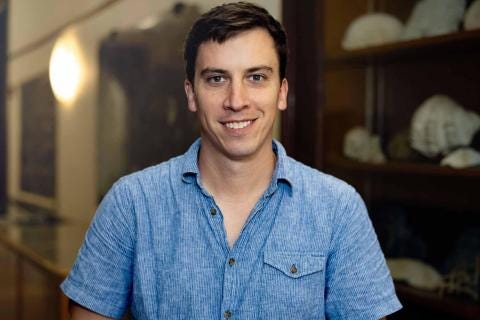
Dr. Adrian Anagnost, Associate Professor of Art History in Tulane’s Newcomb Art Department, brings a creative lens to coastal resilience. Her project is Art, Ecology, and Cultural Heritage in Coastal Louisiana. Through this Fellowship, she will develop an interdisciplinary course and public humanities program exploring how artistic and cultural practices help us perceive environmental change. She will host workshops with Houma weavers, data-visualization artists, and Indigenous heritage activists. Students, alongside undergraduates and graduate students, will engage in field-based learning, mapping, and multimedia projects that reimagine endangered cultural landscapes in the Gulf South. Her project brings together pedagogy, scholarship, and public engagement in compelling, place-based ways.
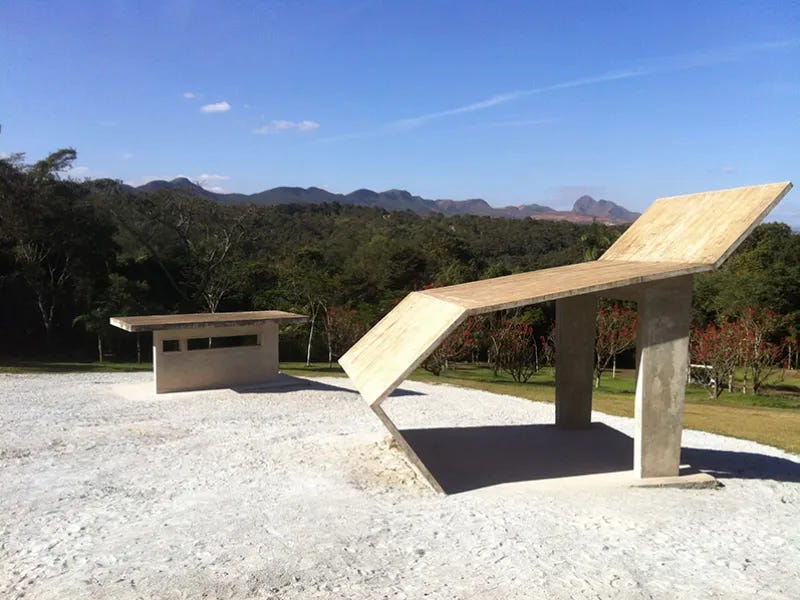
Dr. Nicholas Mattei, Associate Professor of Computer Science, is leading a pilot at the intersection of AI and climate science. Expanding on a Nature article, Data-driven reconstruction reveals large-scale ocean circulation control on coastal sea level, he aims to enhance sea-level rise predictions using machine learning. His project will explore gradient boosted trees, deep neural networks, and other models to reconstruct ocean bottom pressure from steric height data with higher accuracy. Collaborating with the Tulane Center of Excellence for Community Engaged AI (CEAI) and the AI4All initiative, Dr. Mattei will also host a “Lunch &Learn” session to share early findings and to foster interdisciplinary collaboration. This Fellowship supports foundational research that may lead to improved forecasting tools and future grant proposals for AI-driven climate modeling.
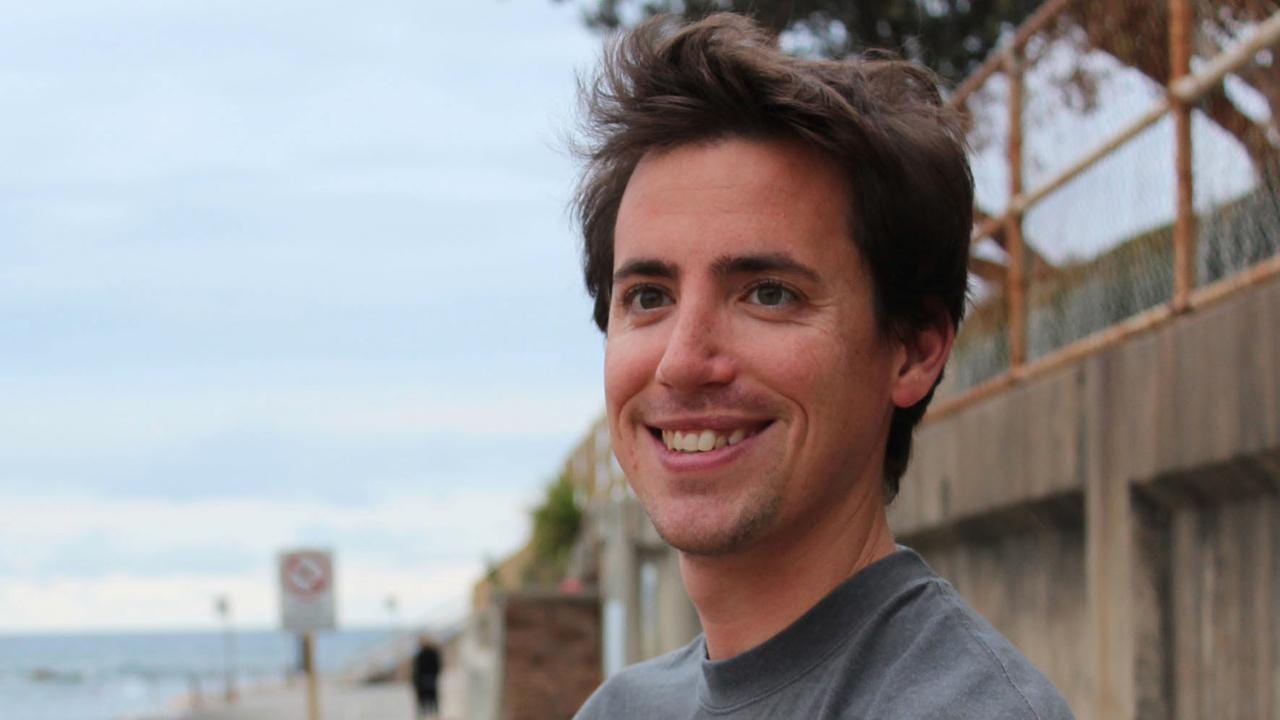
Dr. Alex R. Gunderson, Assistant Professor in Ecology and Evolutionary Biology, addresses the intertwined environmental threats of heat and pollution in New Orleans through both science and performance. His project engages undergraduates in field-based research using Anolis lizards to uncover how urban heat and elevated blood lead levels co-occur along a rural-to-urban gradient in New Orleans versus A Studio in the Woods. Students collect temperature and lead data, design hypotheses, and present findings in formats ranging from conference posters to illustrated zines. Simultaneously, Dr. Gunderson brings environmental science to the public through “Nerd Night”, a hybrid lecture series that blends academic talks with improv theater at a local venue. Scientists present short monologues on topics like multiple stressors, followed by comedic improvisation inspired by the science, making complex issues accessible in a lively, inclusive way.
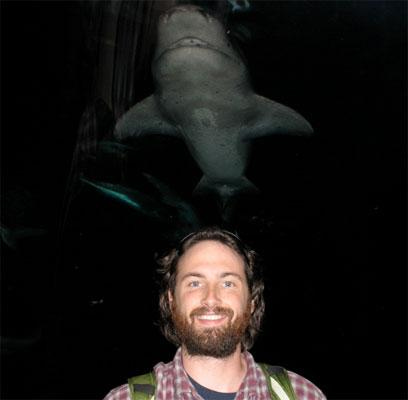
Dr. Shalean Collins, Assistant Professor in the School of Public Health and Tropical Medicine, launches Building Bridges: Global-Local Approaches to Water Insecurity. Drawing on her expertise as an applied nutritionist and her leadership in developing tools like the Water Insecurity Experiences (HWISE) scale, she will establish comparative fieldwork projects connecting coastal Louisiana with communities in places like Peru, Morocco, Kenya, and beyond. The initiative includes piloting a Water Insecurity Coping Strategies Index (WICSI) in Moroccan households, training students in field methods, running workshops that bring stakeholders together, and laying the groundwork for submitting a collaborative external grant. Her project blends mixed-methods research, global partnerships, and student mentorship to deepen understanding of water security challenges across contexts.
Each of these projects reflects the diverse ways faculty are responding to environmental challenges through research, creativity, and collaboration. From coastal ecosystems to cultural heritage, AI modeling to improv theater, and global water equity to student trainin, these Fellows demonstrate the breadth and depth of climate adaptation work underway at Tulane and at ByWater Institute.
Thanks for reading ByWater’s Substack! Subscribe for free to receive new posts and support my work.
Comments
Nothing yet. Say the first thing.
Sign in to join the conversation.