
We’ve all been there: the late-night mental loops, the endless what-ifs, and the exhausting internal chatter that spins out of control before we even realize it. In our hyper-connected, fast-paced world, overthinking has become a default setting for many of us. Caught between the constant tech notifications and the mounting pressures of daily schedules, our minds rarely get the chance to simply stop.
We look for big fixes like wellness retreats, expensive getaways, or elaborate lifestyle overhauls to quiet the noise, but sometimes the most profound antidote to a cluttered mind is waiting just outside our back door.
If you’re looking to anchor yourself in the present moment and train your brain to drop the overthinking habit, it’s time to find a sit spot.
Thanks for reading It's the Thought That Counts! This post is public so feel free to share it.
A sit spot is a favorite place in nature that you visit regularly to cultivate an awareness of your surroundings. It isn’t a rigorous hike or an outdoor chore; it is an exercise in stillness. By choosing one specific location outside and returning to it repeatedly, you can develop an enhanced sensitivity to the natural world and a deeper capacity for mindfulness.
When you sit in the same place over and over, it allows your senses to truly heighten. You begin to notice the subtle shift in the afternoon light, the rhythms of the local birds, the way a breeze moves through the branches and leaves of trees, and how the environment changes across the seasons.
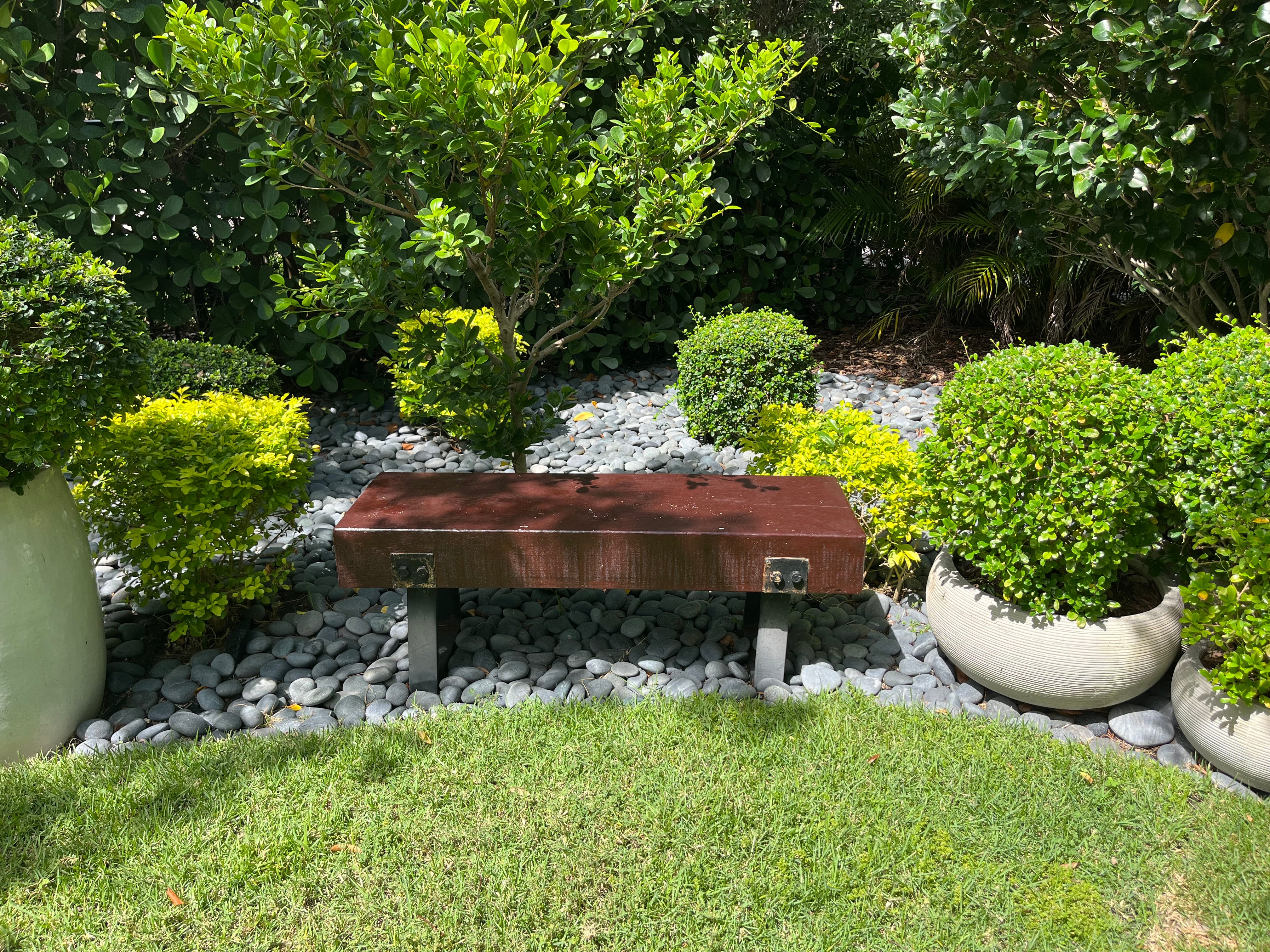
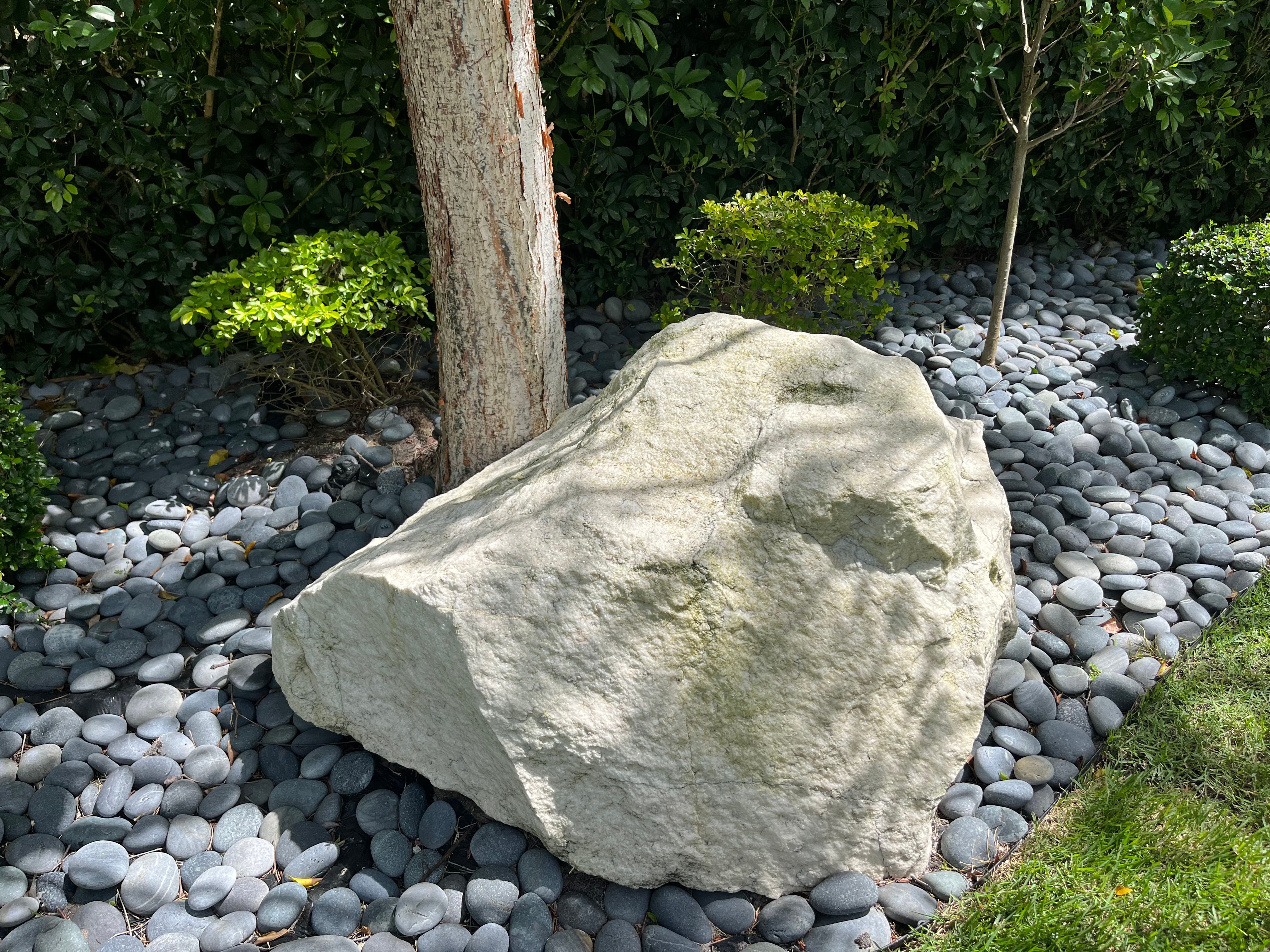
It doesn’t require a pristine wilderness, either. Your sit spot could be a tree stump in the backyard, a small bench on a patio, a blanket under a tree in a local park, or even a chair on an apartment balcony overlooking a few plush trees and the open sky.
If you’re looking to anchor yourself in the present moment and train your brain to drop the overthinking habit, it’s time to find a sit spot.
The reason overthinking thrives is because our brains love a vacuum. When we aren’t actively engaged in the present moment, our minds naturally drift to past regrets or future anxieties.
Nature completely disrupts this cycle by engaging our natural instinct known as biophilia—the innate, subconscious bond we share with all living things. When we step into a natural environment, our nervous system instinctively recognizes it as a safe space, reducing the production of stress hormones like cortisol and pumping out feel-good hormones like serotonin and dopamine.
To temper overthinking in your sit spot, the goal is to shift your focus from your internal narrative to your external senses:
Sound: Listen to birdsong or the rustle of leaves. Grounding your focus on sound acts as a natural mute button for mental chatter.
Sight: Look for specific patterns, shapes, or lines in the greenery. Track the path of a butterfly or notice the unique textures of the bark on a nearby tree.
Touch: Feel the temperature of the air, the physical texture of the ground beneath you, or the refreshing breeze on your skin.
Smell: Take a deep breath in and catch a whiff of nearby fragrances like sweet flowers or a barbeque from a neighbor’s yard.
Even starting with just five minutes a day can have a radical impact. A study published in the Journal of Environmental Psychology found that spending five minutes in a healing, natural space allowed people to feel significantly more relaxed, refreshed, and better able to cope with stress.
So, once you find your sit spot, what do you do there exactly?
This is the time to practice mindfulness skills like deep breathing, listening to nature sounds, and other nature-related meditation activities like looking for certain colors or shapes. You could repeat a calming mantra or Stoic quote that resonates with you. One of my favorite Stoic quotes is: “We suffer more in imagination than in reality” by Seneca. It could also be an invitation to engage in some nature art, such as sketching the birds and trees around you.
The amount of time you visit your sit spot can vary. While we can all benefit from just five minutes, as the study mentioned previously highlights, try to work your way up to sitting for 30 minutes or more at a time.
The best part of having a sit spot is that we instinctively learn to go to that special, peaceful place when we are feeling stressed or uneasy. It helps us quiet our mind and focus on nature as opposed to other distractions and stressors in our lives.
While any patch of grass can serve as a sit spot, there is a distinct magic in intentionally designing an outdoor sanctuary. When we curate a dedicated space for quiet reflection, we build a physical boundary against the chaos of everyday life.
If you want to take your mindfulness practice a step deeper, consider intentionally building sensory elements into your outdoor space:
Comfortable Seating and Shade: Whether it’s a dedicated meditation bench, a hammock, or a shaded porch swing with a canopy, ensure you have a comfortable place to sit that protects you from the glare of the hot sun, allowing your body to fully relax.
The Soothing Sound of Water: Adding a water feature, such as a trickling water fountain bowl or a bird bath, is a must-have for a meditation space. The auditory rhythm of running water acts as an anchor for a wandering mind, while effectively masking distracting neighborhood noises or traffic.
Sensory Greenery and Flowers: Ground your spot with low-maintenance shrubs, tightly shaped topiaries, or trees of varying heights to create a visual and physical barrier from the rest of the world. Blend in aromatic plants like lavender, jasmine, chamomile, or rosemary to engage your sense of smell.
The Contrast of Solid Stone: Incorporating boulders, pebbles, or paths of river rocks provides a sense of strength and permanence. Drawing inspiration from classic Japanese Zen gardens, these solid elements offer a beautiful, grounding contrast to plush grass.
Bird Feeder/Birdhouse: Part of the experience of sitting outside is being able to enjoy all the birds that visit, especially listening to their birdsong. Hang a birdhouse or bird feeder from a tree or other location near your sit spot so you can enjoy the visiting birds.
Comments
Nothing yet. Say the first thing.
Sign in to join the conversation.