
At the end of Part I, I left you with this: Back then, the humanity was masked by the machine. But it leaked out anyway.
Today, the humanity isn’t hidden by the machine. It feeds the machine. Let’s talk about that.
In 2009, I was writing about celebrities. At the time, my observation was that celebrity culture rewarded machine-like qualities. Productivity. Efficiency. Consistency. Perfection.
The “machine” was the ideal.
Imperfection felt like a defect. Grief had to be disguised. Heartbreak had to be filtered. Insecurity had to be hidden. The machine created enough distance for those things to become acceptable.
Looking back, I think I got something right. I just didn’t realize how the story would evolve. Because as time passed, the machine learned something. Humanity has value. Market value. Engagement value. Attention value.
The machine learned that vulnerability performs. The machine learned that pain performs. The machine learned that authenticity performs. And suddenly the rules changed.
The old celebrity model said: Be perfect. The new model says: Be “real”. At least publicly. At least visibly. At least often enough to remain interesting. And that’s where things get complicated.
Because now the grief isn’t hidden. It’s CONTENT. The heartbreak isn’t hidden. It’s CONTENT. The insecurity isn’t hidden. It’s CONTENT. The healing journey isn’t hidden. It’s CONTENT.
Even “authenticity” can become a performance once an audience is involved. Especially when algorithms reward it. Especially when capitalism rewards it.
The machine didn’t stop being a machine. It simply became better at exploiting humanity.
Which brings me back to Daft Punk. Harder. Better. Faster. Stronger.
Those are incredible qualities for a machine. Especially an algorithmic machine. It’s not even really a question whether they are healthy standards for a human.
In 2009, I was talking about celebrities. Today, “celebrity” got democratized. We became “celebrities” as creators. Create. Produce. Perform. Share. Post. Rinse and repeat.
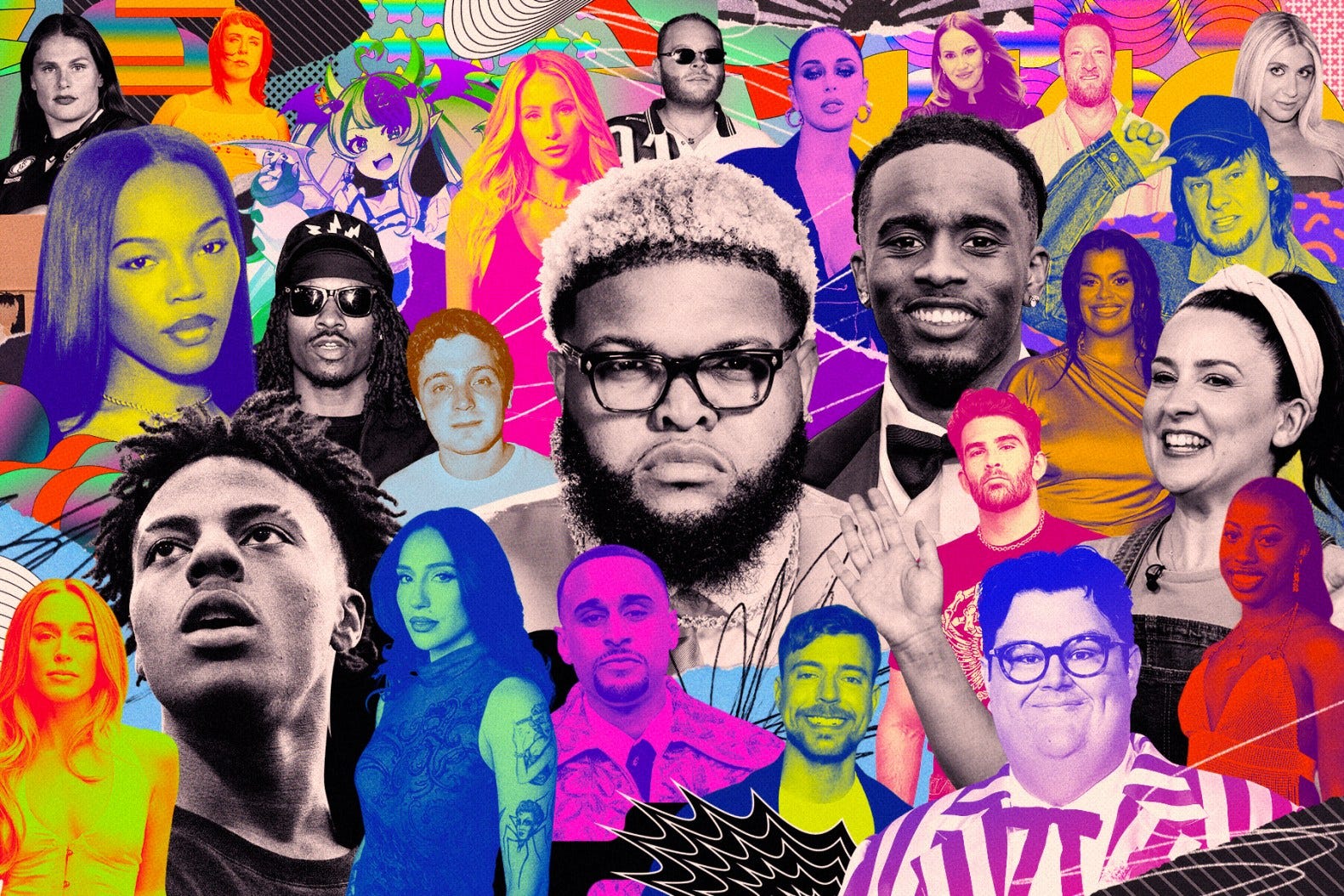
The expectation escaped “celebrity” culture and grafted onto “creator” culture. And that’s why that old blog post hits a little different now.
The technology evolved. The platforms evolved. The “machine” evolved. The question didn’t.
What happens when humanity tries to meet machine standards?
Seventeen years ago, I thought I was writing about Yeezy. Today, it’s Yeez-Us. (Had to do it. It was sitting right there.)
Because now all of us are floating somewhere in that canal. Trying to figure out which direction we’re moving. Toward the “machine”. Or toward our “humanity”.
The question is actually whether it’s possible to remain human while trying to meet machine standards. Harder. Better. Faster. Stronger. The machine is built to be ALL those things.
We aren’t. That’s why we’re human.
As always…In divine time.
Comments
Nothing yet. Say the first thing.
Sign in to join the conversation.