
Welcome to a weekend edition of the Best of Bylines newsletter, bringing you a standout article from one of our 10 UK national and regional publications to read as you shelter from the ongoing heat wave.
This time, we hand over to the team at Bylines Scotland, whose election livestream in May continues to receive praise. Since delivering the results broadcast focused entirely on UK devolved nations, the publication has been championing citizen voices from the borders to the highlands and islands. Politics and representation continue to be key concerns for our citizen journalists.
In this important article, Jennie Kermode takes a close look at the experience of women in politics, drawing on recent research and interviews with councillors at the sharp end of discrimination. Nine in ten women on Scottish councils experience sexism or outright abuse, and their stories need to be told.
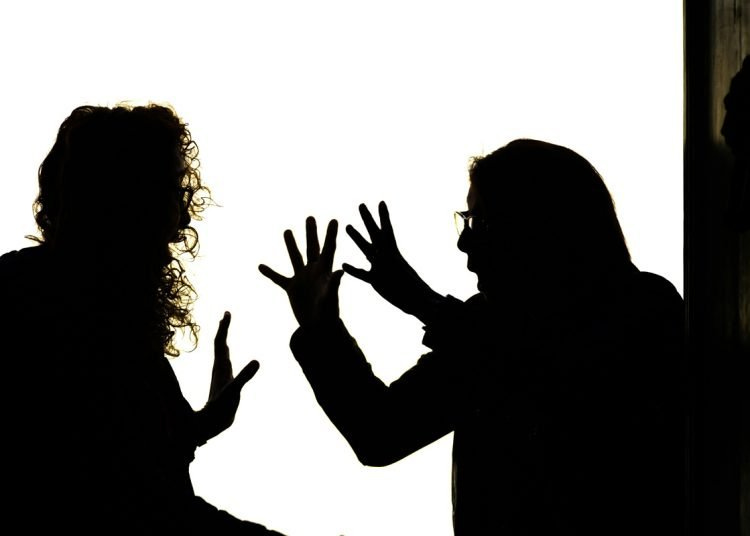
According to new research by Dr Leah McCabe and Professor Meryl Kenny from the University of Edinburgh, in partnership with Engender, 98% of women serving on Scottish councils have experienced sexism. 11% have experienced physical violence. And although the behaviour of some members of the public is a significant problem, most of the offenders, across the spectrum of abuse, have been fellow councillors.
How could a situation like this have developed? We spoke to a councillor from the West of Scotland, who told us that taking up her role felt like going back in time. She had previously worked in financial services, and recalled that being, in the early days, “very male dominated – a bit of a boys’ club”. She found this type of behaviour unwelcoming and a bit intimidating, but it wasn’t until she protested that things really turned sour.
The councillor doesn’t want to be identified due to an ongoing legal case, so we’ll call her Sarah. She told us that she was subjected to sexist jokes and wolf whistling from the outset. Male councillors would talk about her looks when she was trying to engage in debate, and would casually talk over her, subtly undermining her work. Upon noticing that she would often challenge one particular councillor’s contentions, a male colleague suggested that she sort out her problem by going on a date with him.
“When you start to call it out or challenge it, that’s when it starts to get a little bit more sinister and uncomfortable,” she explains. “There is a bit of a ganging up and the boys stick together and then you feel a bit intimidated. He [the councillor she had complained about] then starts to say that he was getting angry. We could visibly see that he’s getting angry, and waving his arms about and pointing. I’ve been told to sit down in the chamber where a man was waving his hands at me as if he was pushing me down because he didn’t like what I was saying.”
This wasn’t an easy situation to dismiss because she was aware that at least one of the men had been charged with domestic abuse.
“They have no idea what psychological harm or intimidation feels like when it’s a group of men versus a female,” she says. “And the council was male dominated, so there’s more men in the room than women most days.”
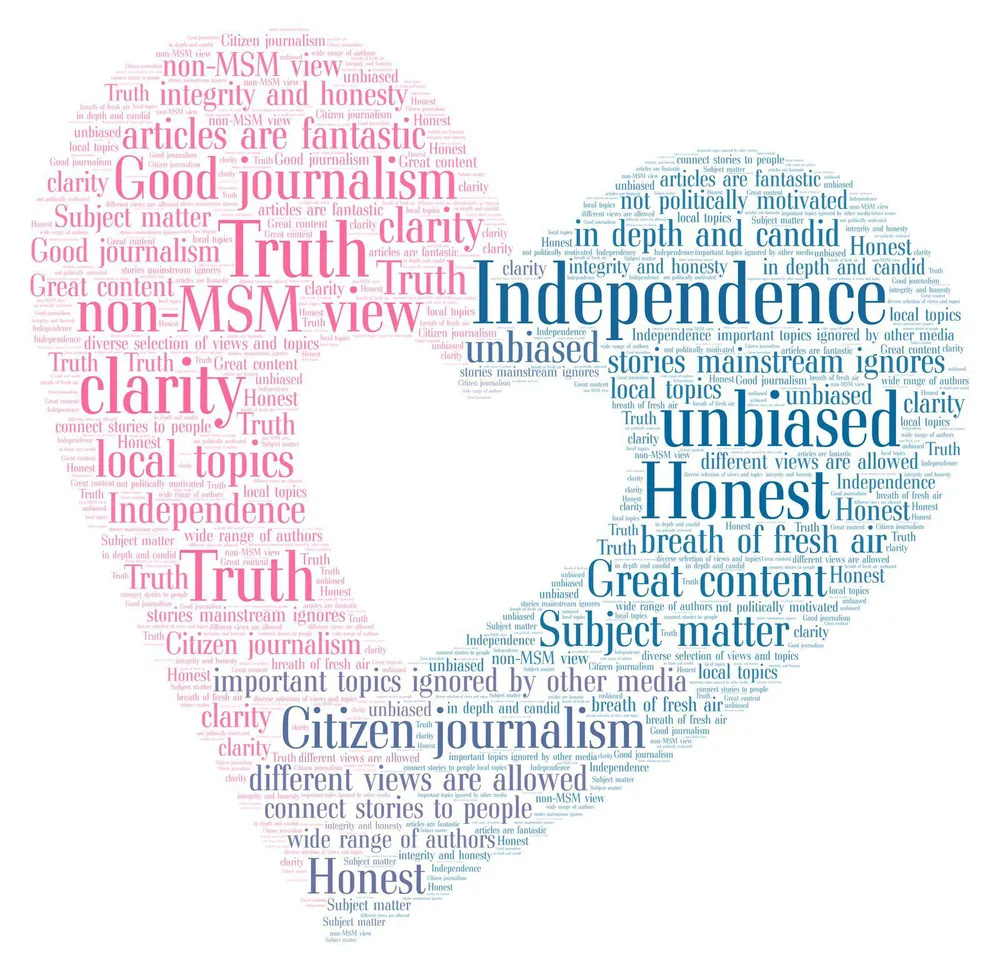
Unbiased. Independent. Honest. This is what Bylines Network is, in the words of the 1000s of supporters who took part in our 2025 survey. We don’t have oligarch owners, corporate controllers or political paymasters – we have a community of 2,500 volunteer writers and editors, and over 350,000 readers. Help power Britain's biggest citizen journalism movement. Become a member of our Friends of Bylines Network scheme today.
Become a Friend of Bylines Network
On some occasions, Sarah said, several men at once would shout at her in the council chamber when she was trying to speak. Councillors also tried to intimidate her in the street and harassed her online using fake accounts. She spoke to the police but the action they could take was limited, and the same proved true of COSLA. Meanwhile, some of her male colleagues treated the situation like a joke.
“What I’ve always heard is ‘The issue is you’re just not robust enough for politics. This is how it is. You knew what you were signing up for and you’re just not robust enough.’”
Sarah has now joined a growing number of female councillors who are doing their work from home, feeling unable to go into the council building. As an independent councillor she lacks the support that others may be able to get from their parties, and she says that, because of the way she has been treated, she won’t be standing for office again.
“There’s lots of things to encourage women into politics now”, she observes, “but we need to do more to protect them once they arrive.”
Women are a minority across local politics in Scotland, and there is concern that this means women’s concerns won’t get adequate representation. Because they still do the majority of childcare and other care work, and still don’t earn as much as men, women tend to rely more heavily on council services.
“This research lays bare what too many women in Scottish local politics have long known: that sexism, misogyny and gender-based violence are part of the everyday reality of being a woman councillor. That is completely unacceptable,” said Engender’s executive director, Catherine Murphy. “Local councils make decisions that shape all of our lives, and women’s voices at that table are vital. We cannot afford to lose women from local politics, or to deter others from entering, because we have failed to take this seriously.”
The research found that even when they remain active in politics, around half of women experiencing this kind of behaviour become less likely to speak up. A fifth say that they have been actively excluded from decision-making. Sarah recalls being told that she should limit herself to council committees dealing with education or social care, as if those were natural subjects for women, and actively discouraged from taking on other issues – by a man considerably less educated than she was.
Another participant in the research expressed her feelings bluntly. “I feel guilty about that because I’m like, I’ve got this platform and I should be using it to try and affect change for marginalised people, for people who are being harmed at the moment with how society is. I should be doing something for them and I’m scared to. And that’s horrible!”
Engender is now calling on the Scottish Government to commission a comprehensive independent review into the problem. They want it to identify better reporting procedures and establish how these can be implemented, as well as ensuring that people who use them are protected from retaliation. They have also asked that the review explore the possibility of setting up a new, independent body to receive, investigate and address complaints of gender-based violence made by women in any part of Scotland’s political system.
“The system needs to change,” said Sarah “The level of sexism is just outrageous. Absolutely outrageous. And they’re getting away with it and they think it’s funny and it’s a bit of a game because they know there are no mechanisms to challenge them, so the structures need to change.”
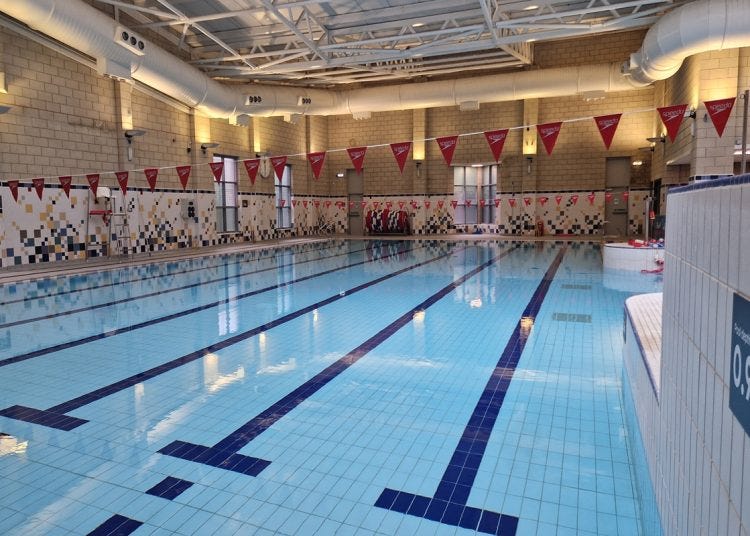
Springburn Pool in Glasgow is set to reopen after major refurbishment, bringing a vital community asset back to life. Read Sadia Sikandar’s report here.
Comments
Nothing yet. Say the first thing.
Sign in to join the conversation.