
What if you shared something true about your life—something deeply personal, something meaningful—and instead of connection, you were met with judgment, public scrutiny, and even job loss? What if your past became fodder for headlines, twisting your story into something unrecognizable?
This is what happened to Melissa Petro.
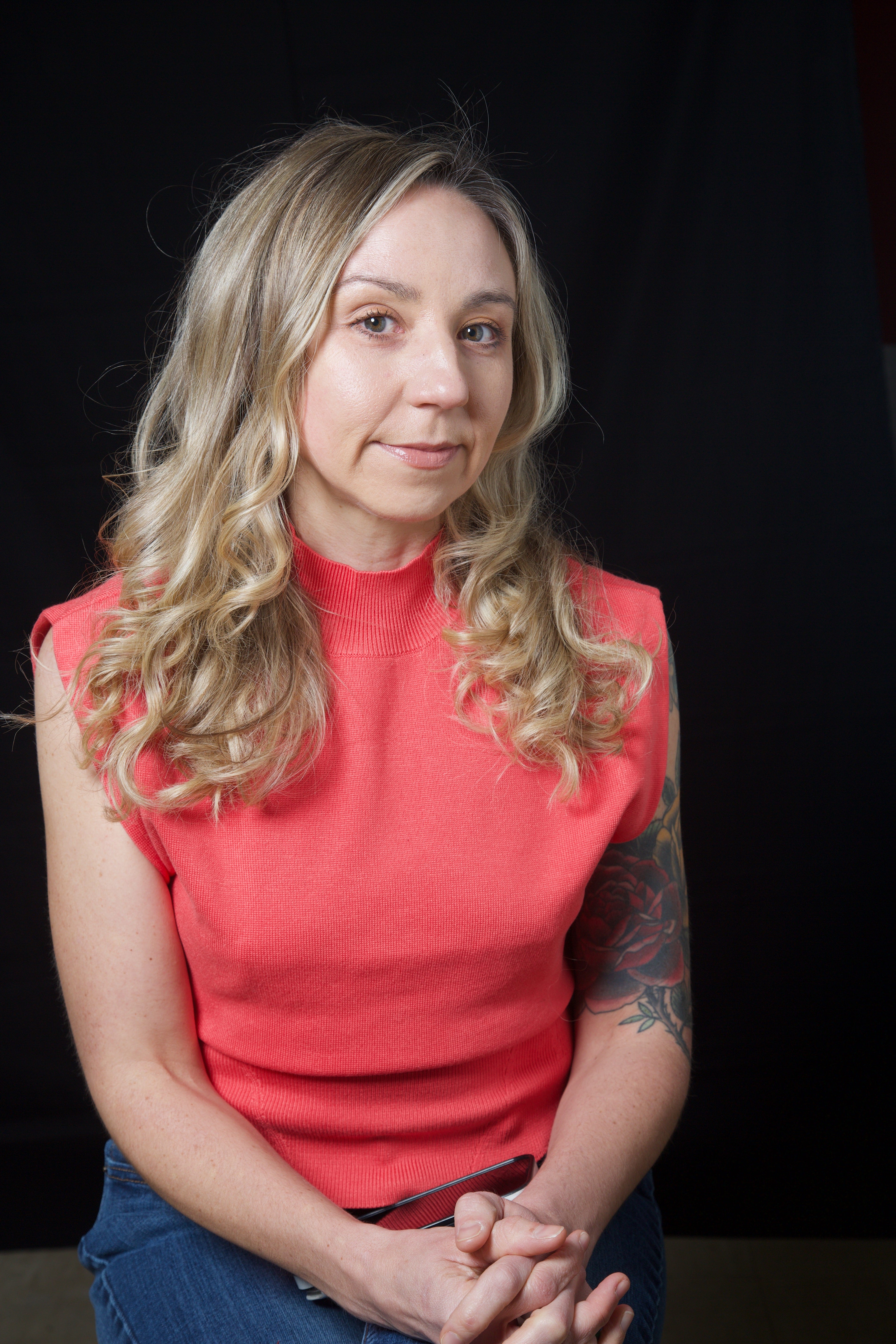
Melissa is a writer, mother, and woman who dared to tell the truth about her own past. Over a decade ago, she wrote an op-ed in The Huffington Post about Craigslist shutting down its erotic services section. She wasn’t advocating for anything radical—just the simple notion that people engage in sex work for different reasons, and that criminalization only pushes them further into harm.
Recently, in her Best Actress Oscar speech, Mikey Madison, expressed support for the sex worker community, too, but the response was incredibly different.
When the media got hold of Melissa’s story, she was vilified. The New York Post ran the headline: Bronx Teacher Admits: I’m an Ex-Hooker. The public outrage led to her losing her job, her security, and for a time, her voice.
I sat down with Melissa for the latest episode of About Your Mother, and what struck me most was not just her resilience, but her wisdom. Shame, she explained, is a silencing force, one that is disproportionately used against women. We see it play out in the media with public figures like Taylor Swift, J.Lo, and Britney Spears, but it also happens in the small, everyday moments of our lives. Women, especially mothers, are held to impossible standards—at work, at home, in society. And when we fail to meet those expectations? Shame comes flooding in.
But here’s the thing: shame is also a key. If we confront it, understand it, and work through it, we unlock something incredibly powerful—self-acceptance, truth, and ultimately, freedom.
Melissa’s journey from media scapegoat to empowered writer offers invaluable lessons on how we can all navigate and overcome shame. Here are some takeaways from our conversation:
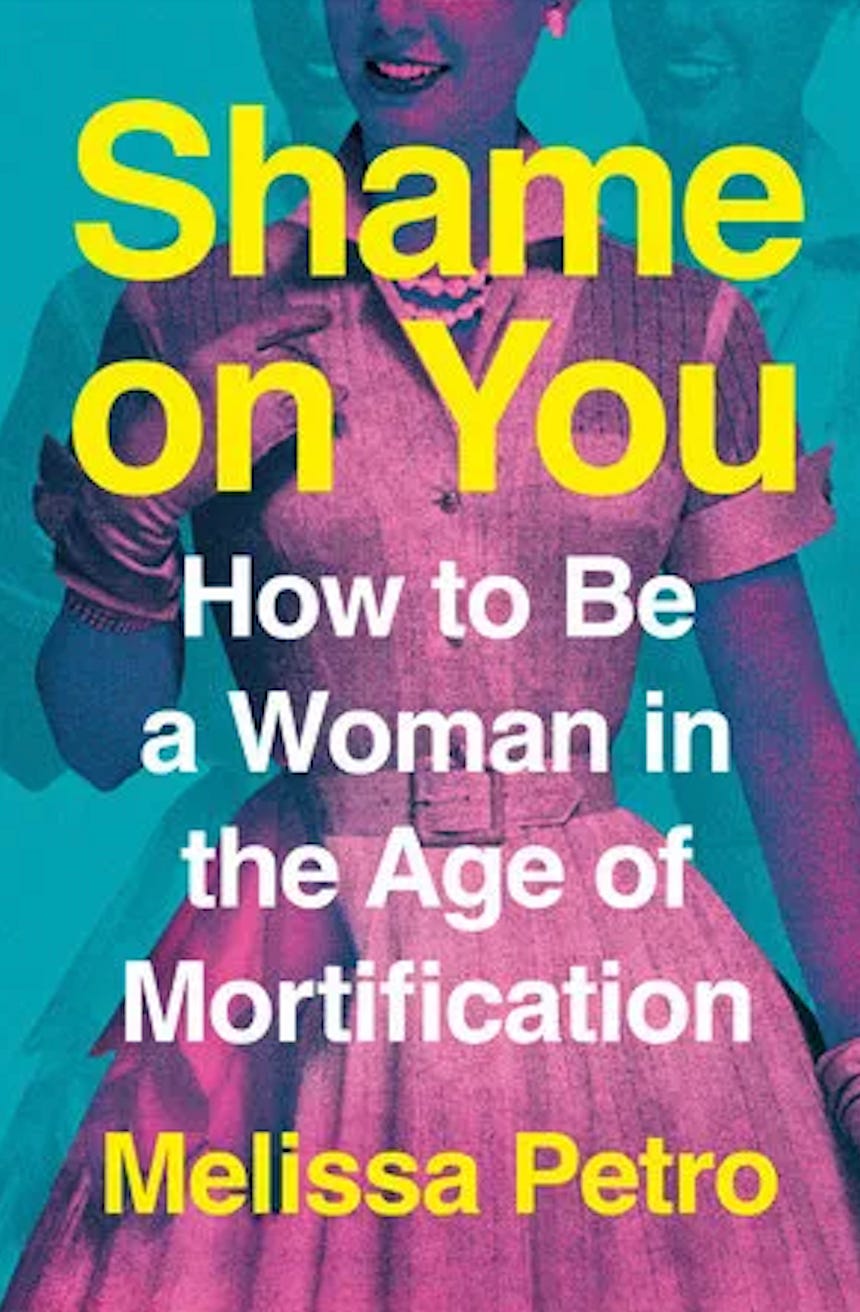
Name It to Tame It – Shame thrives in secrecy. When we speak about our experiences, we shrink the power shame has over us. Melissa shared how writing her book, Shame on You: How to Be a Woman in the Age of Mortification, allowed her to reclaim her own narrative. Consider journaling or speaking openly with a trusted friend about what brings you shame.
Find the Right Community – Not everyone deserves access to your most vulnerable truths. Seek out people who listen without judgment and support your growth. Safe spaces—whether in friendships, therapy, or support groups—allow us to process shame in a healthy way.
Reframe the Narrative – Instead of seeing shame as something to hide from, view it as a signal. What is it trying to teach you? Melissa learned that society weaponizes shame to maintain the status quo—especially when women speak truths others find uncomfortable. Recognizing this can help us detach from the idea that our shame is a personal failure.
Practice Repair, Not Perfection – As parents, partners, and friends, we will make mistakes. But Melissa reminds us that repair is more important than perfection. If you snap at your child or say something you regret, acknowledge it, apologize, and move forward. This teaches resilience, not self-loathing.
Tell Your Story—On Your Own Terms – Whether you choose to share publicly or within a small circle, owning your story can be a revolutionary act. Melissa’s writing is proof that when we lean into our vulnerabilities, we create spaces for others to do the same.
Melissa’s story is a testament to the fact that survival is not just about enduring—it’s about transforming. What once felt like an unbearable burden for her has now become a platform for change. By confronting her shame, she has built a career, a community, and a voice that refuses to be silenced.
If you haven’t already, I highly recommend picking up Shame on You: How to Be a Woman in the Age of Mortification. It’s insightful, well-researched, and deeply personal—exactly the kind of book that sparks important conversations.
Remember: shame may try to silence us, but our stories have the power to set us free.
Until next time, stay curious and be well.
XO Jen
Comments
Nothing yet. Say the first thing.
Sign in to join the conversation.