
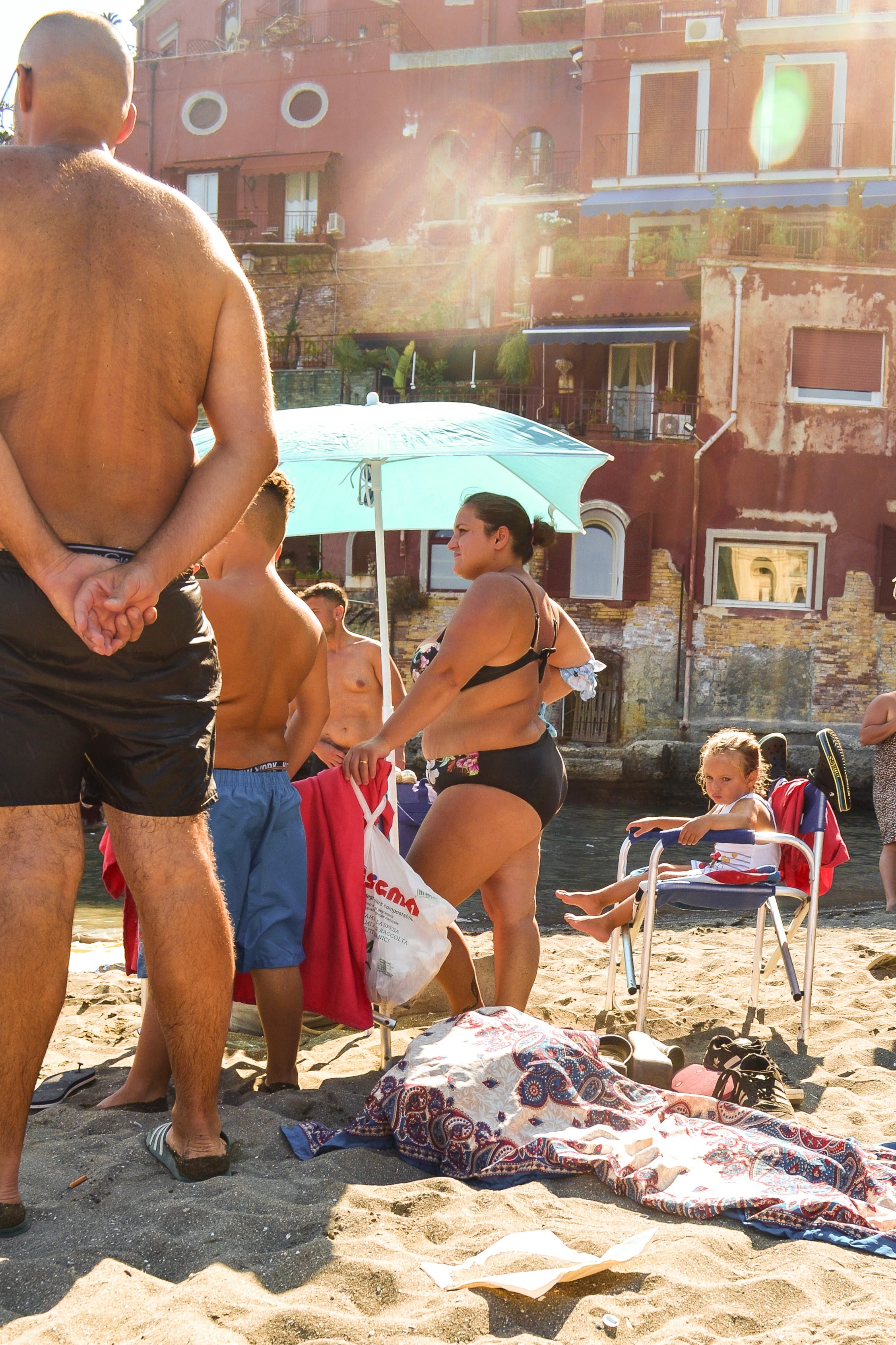
I visited Naples for the first time post-pandemic in the summer of 2021, right as the city was on the brink of a societal revelation (again), as locals took to social media to show off their pride and true bella Napoli that caught on to many likers quickly: steamy summers along the bay on the rocks, freshly fried seafood cones, dangling laundry in some of the city’s most historic zones central of the city, signs of pride and sacrifice, and of life itself.
I came to Naples searching for sunshine and sea, and let’s say I came to the right place. But aside from the sea salt and warm summer breeze, there is a lot to unearth in this misunderstood place.
Naples is one of the most contradictory places I can think of in Italy. And one of the most misunderstood. You say up, and Naples will say down. The sky is blue. No, no, assolutamente no! Today it is light blue.
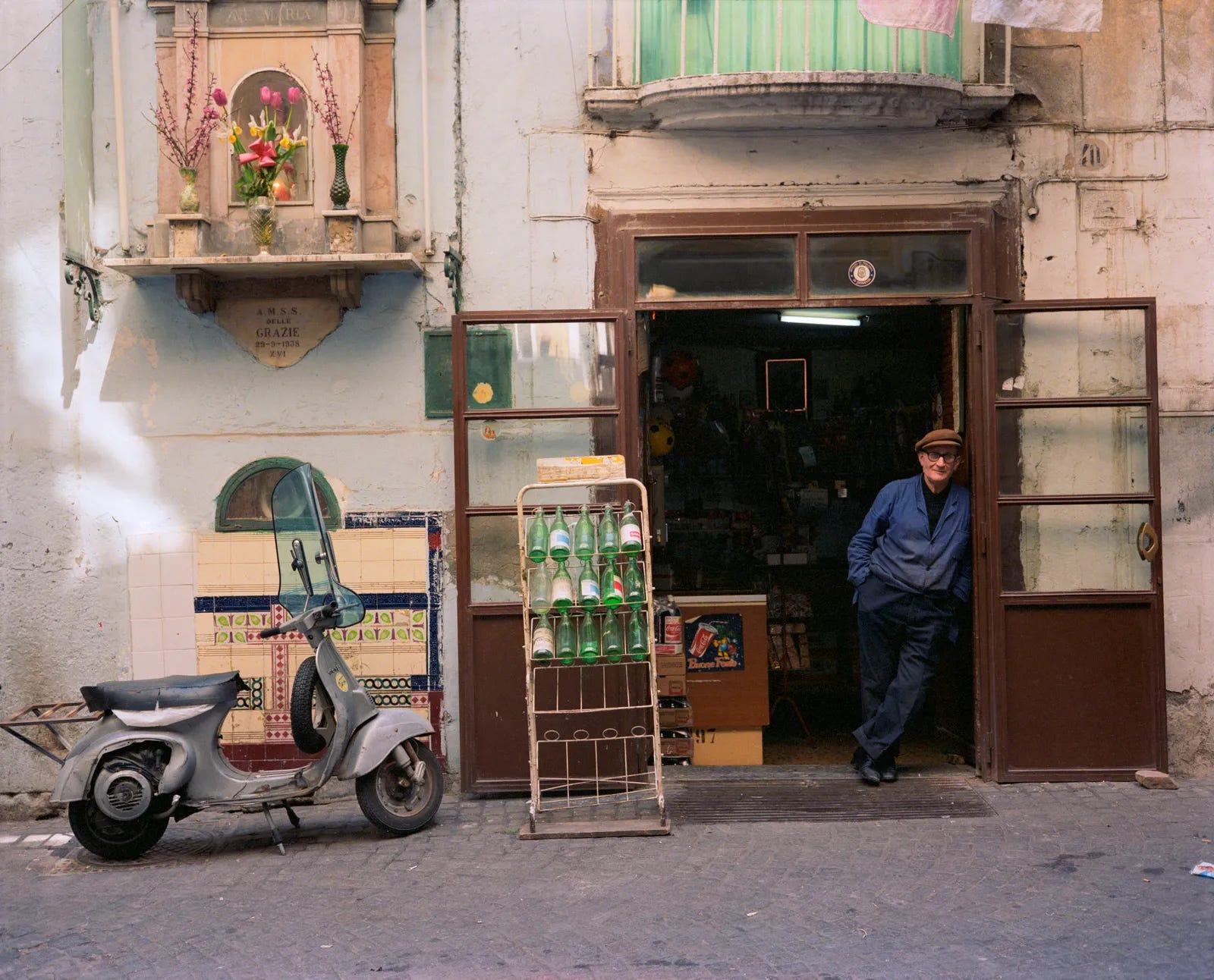
A juxtaposition, as you may call it. There is the constant power struggle between wealth and poverty, elegance and corruption, coastal corners and grid-locked abandonment that makes the heart of the city beat. Just take a look at the city’s geography itself, built to balance constant calm and chaos: the working-class district of the Spanish Quarters, once deemed a no-go zone even by locals, is now bathed in vitality, sitting perfectly below the high-roller district of Vomero. The same goes for luxe and ritzy Chiaia, which spills from another working-class district, Pallonetto, and the lush hills of Posillipo, which look down on the city’s biggest suburb underneath the hill, Fuorigrotta.
The city is dirty, crumbling, and marks from post-war II destruction can still be breathed and seen in the walls of the city, but those who skip over Naples are damned if they do. The city is and was one of the most historic and important port cities in the history of the Mediterranean, with a cooking scene that dates back 400 years, a political and cultural powerhouse not just in the boot-shaped peninsula but in Europe during the Renaissance and early modern period, influenced by Spain, Greece, Rome, and Arab cultures, all of which are still visible in daily life today.
But between the easily visible and defined borders, there is a lot of life in between.
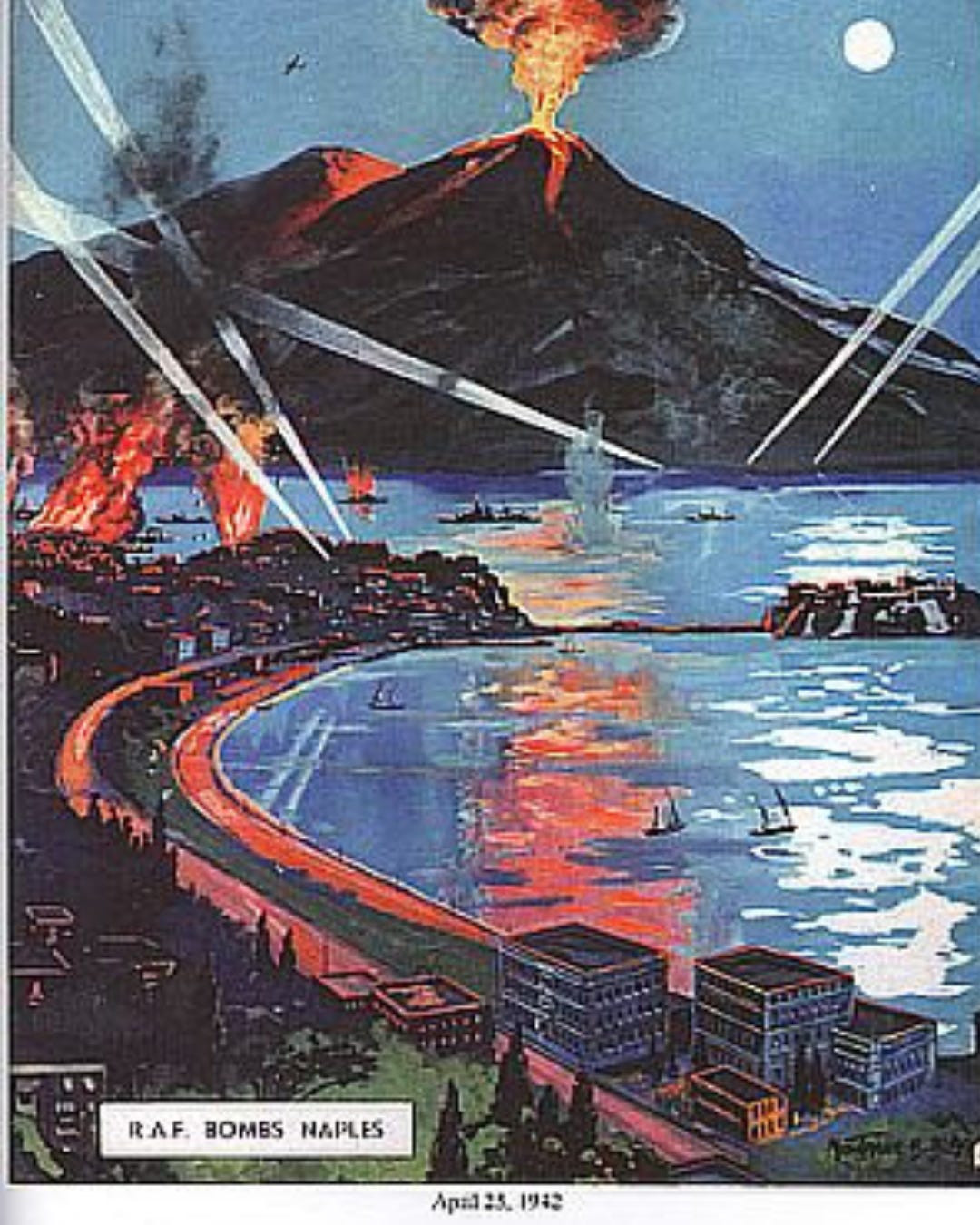
During the WWII years, Naples endured nearly 200 air raids, becoming the most bombed Italian city. The entire electrical, water, and food system was wiped off the map, followed by decades of famine, disease, struggle, and allied attempts to rebuild, revive, repair, and ultimately rise from the dust. But it is worth mentioning that the Neapolitans were also the first to liberate themselves from occupation, a sense of happiness and freedom that, for a split second, could block out the noise of the physical destruction surrounding them.
While Italy saw a rebirth in the 1950s and 1960s thanks to industrialization in the north and the Made in Italy movement, from Fiat, Vespa, and Pirelli, known as the “economic miracle,” the south lagged behind. Naples tried to rebuild from already crumbled roots, turning to inner social webs, black markets, and local collectivism as a way to move forward, while citizens were forced to live in cramped corners that sprawled into the streets, living amongst one another both physically, emotionally, and morally.
What are the possible byproducts of suffering, war, and abandonment from your own government? The forced displacement of your own people for a better life or the hopes of one? Urban chaos and political struggle defined these two decades that many Italians still remember today: political tension rising, local turned global mafia, met with the byproducts of the children and grandchildren of war.
These children “of the street,” known as scugnizzi, or Sea Urchins in Neapolitan, began to create a social awakening that became a jumping ground for art, music, and expression—the only type of expression the Neapolitans could control, hope for, and dream through. A sense of art and movement that would later define the soul, beat, and identity of the Neapolitans, the Mediterranean, the identity of the city that many either forget or breathe past. And those who came to feel a sense of liberation felt magnified by the city. “See Naples and die,” said Goethe. Indeed, Italians, Europeans, and Americans wanted to feel the underground side of Naples.
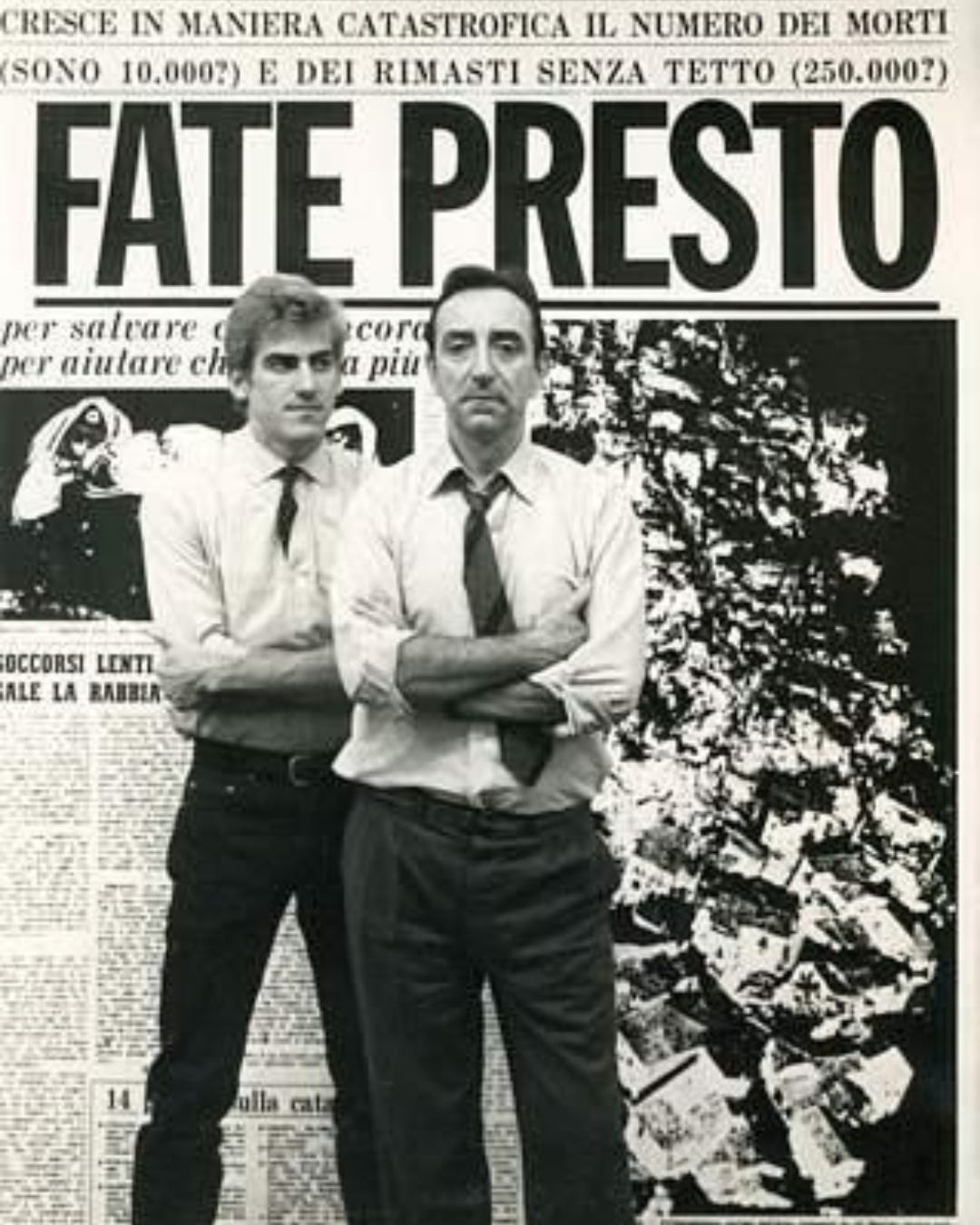
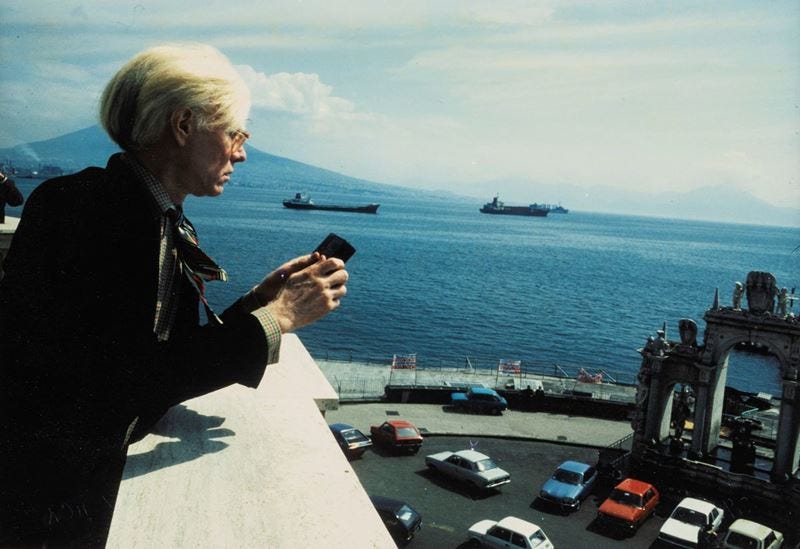
Figures like Lucio Amelio, an emerging artist, actor, and art dealer, became a protagonist for bridging art between Americans and Europeans, attracting artists like Andy Warhol, Cy Twombly, and Joseph Beuys to the city. How could you not be inspired by the chaos of such a wild, uncontrolled place, where life was being reinvented day to day?
There was the underground movement of Mediterranean funk, disco, and jazz, the summer noises, feelings, beats, and sounds that infiltrated from Greece, Africa, the islands, and Naples itself, paving the way for a new musical realm that went beyond “disco italiano.” As music evolved, so did life in the streets, alleys, and along the bay, becoming sound, movement, and identity as a reflection of a city that refused to yield to despair. Those feelings of “Italian summer” we still profit from today? You better know a thing or two about the very beats that made them possible.
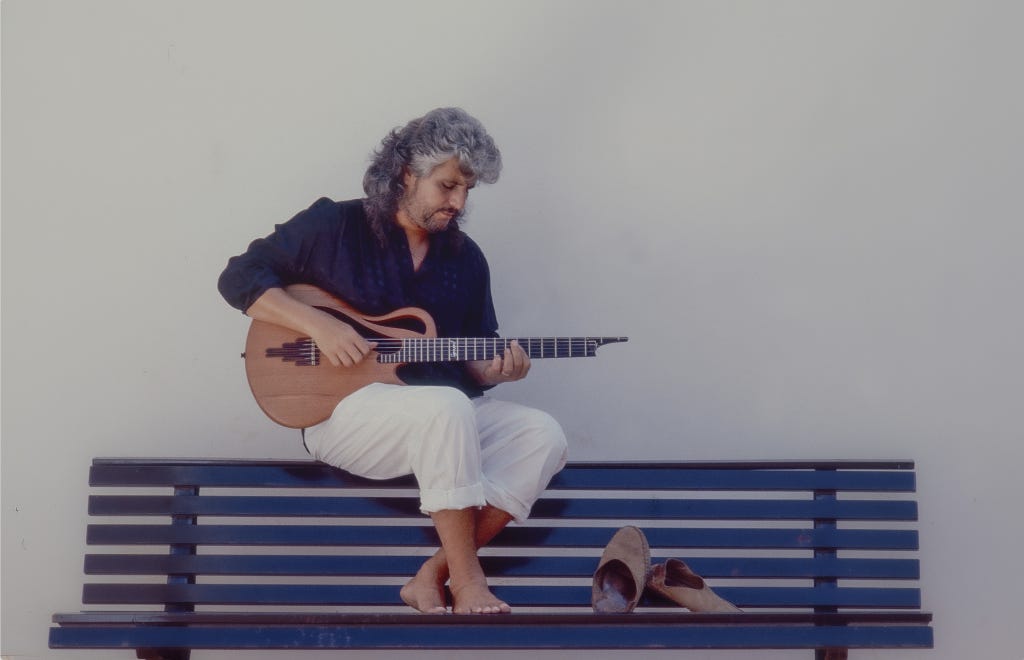
Pino Daniele was a monumental figure, redefining what it meant to live in Naples, capturing the struggle and despair of 70s and 80s Naples with beauty and intoxication through his lyrics and rhythms, all sung in Neapolitan. Once considered outdated, Daniele brought the dialect back with force, mixing blues, jazz, and funk, paving the way for a new sound that was both deeply local and eventually global, a Naples that could finally speak for itself in a light that wasn’t under constant ridicule. Daniele had the gift of capturing that yes, Naples is dark, but there is also so much light. For example, in his hit song Napule è, he sings:
Naples is a thousand colors,
Naples is a thousand fears,
Naples is a bitter sun,
Naples is the scent of sea,
Naples is some dirty litter
that nobody cares about
Other musical artists followed suit, like Napoli Centrale, Tony Esposito, and Donatella Viggiano, whose song Napule Canta e More wasn’t released until 2018, thanks to a compilation of rare Mediterranean disco-funk beats made by Neapolitans in the 70s and 80s turned into the modern-day album called Napoli Segreta. Her famous words echo the boats, beaches, and streets of Naples and surrounding coastlines in the summer, following themes similar to those of Daniele:
Yes, Naples sings,
but doesn’t know that it’s dying.
But scugnizzi* are running through the streets,
with eyes full of happiness.
What remains is only
the joy in the hearts of these people.
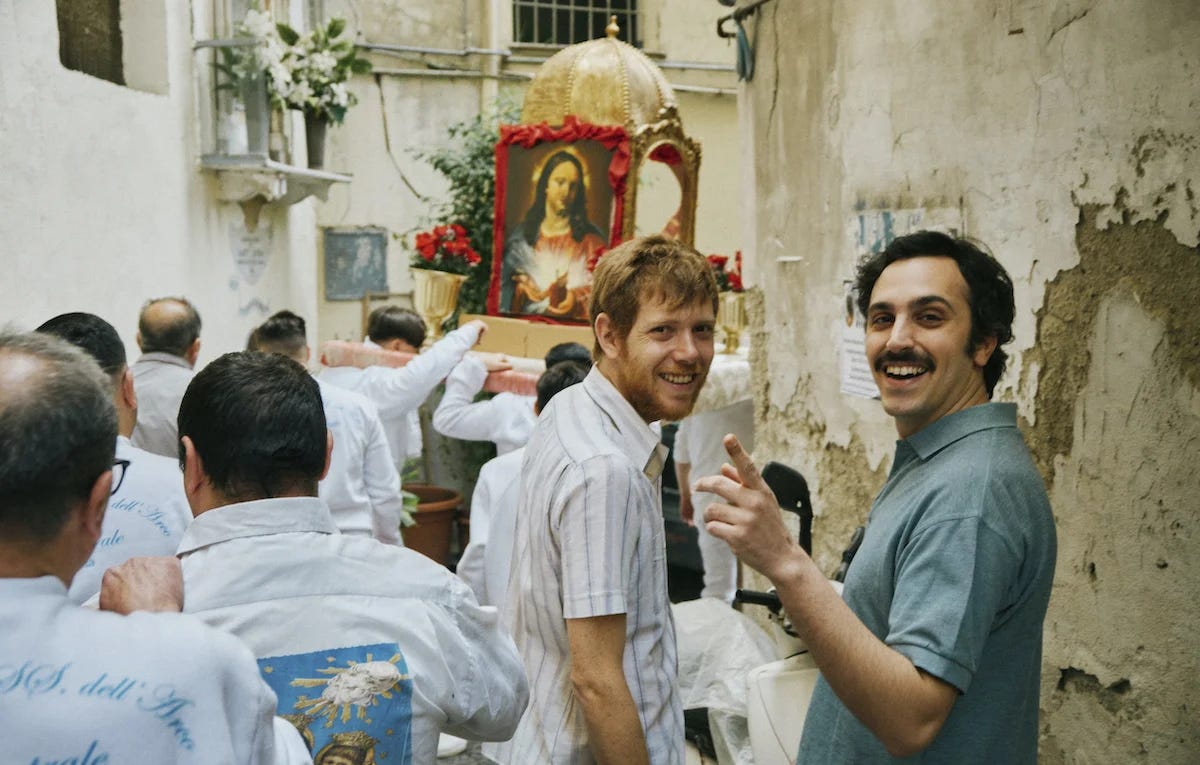
Today, groups like Nu Genea continue this tradition, carrying the beats, rhythms, and stories of Naples and the Mediterranean into a global audience.
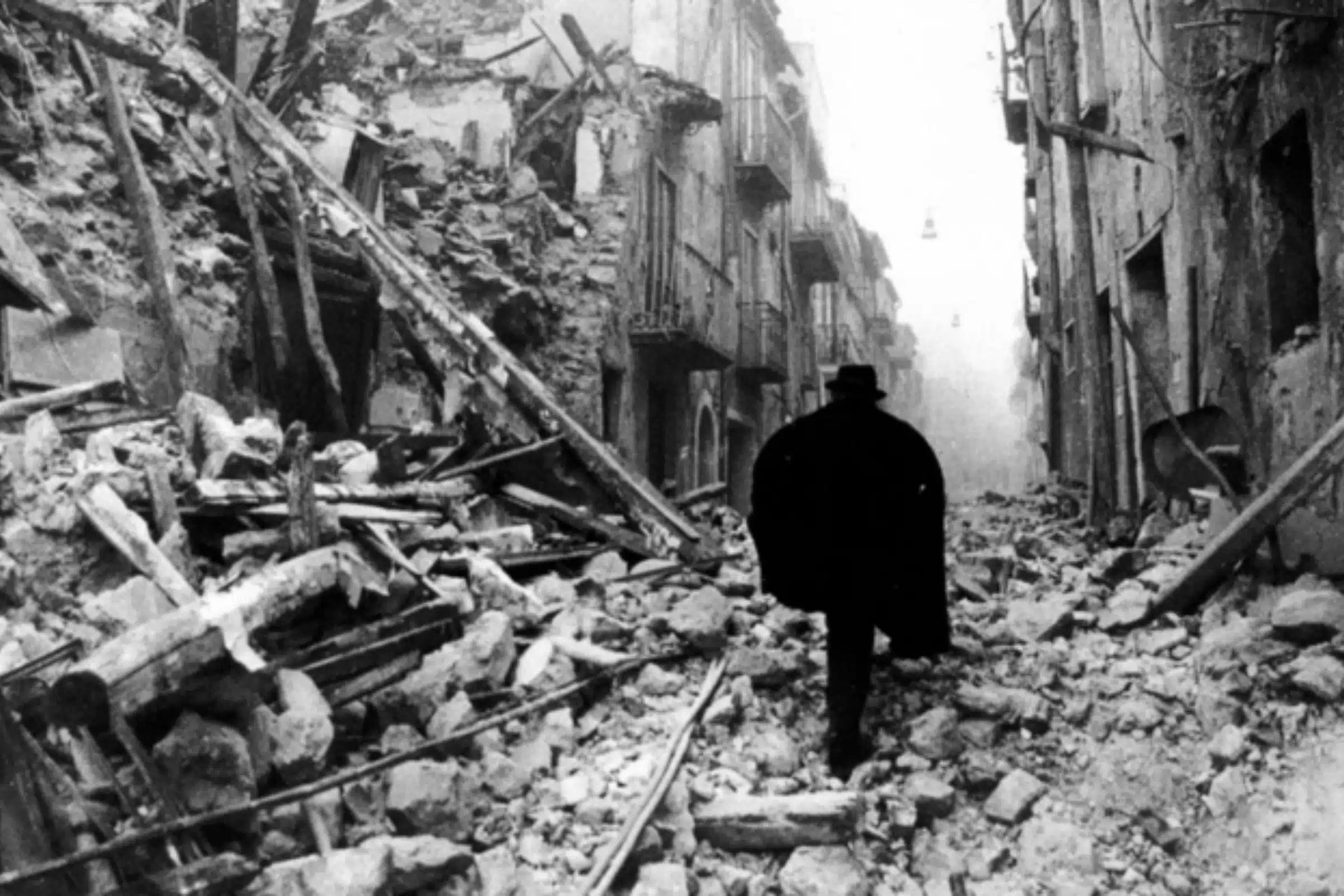
In Naples fashion, among the light came more destruction. In 1980, a 6.8-magnitude earthquake in Irpinia struck parts of Campania and Basilicata, leaving nearly 3,000 people dead, 250,000 citizens homeless, 30 million dollars in damage, plus a fear that echoed throughout the Italian south and the entire country for years to come. But with a lot of loss, there was also hope.
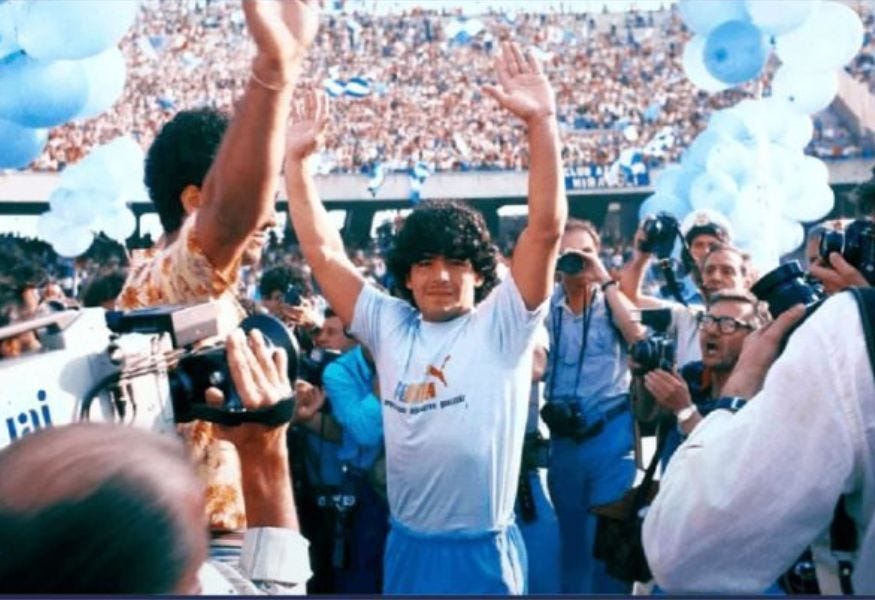
And in a city that had always needed a spark, that hope came in the form of Diego Maradona, the Argentinian football protégé signed by S.S.C Napoli in 1984 for a world-record transfer that shocked Italy and the entire world. Maradona gave the Neapolitans something to believe in once again. He was more than a soccer player; he became the embodiment of a city long overlooked, dismissed, and weighed down by poverty and negative stereotypes. Yet Maradona did not just play football; he became both the God and the guiding light of the long-lost, misunderstood city, even Daniele couldn’t revive it completely.
In Naples, life goes on
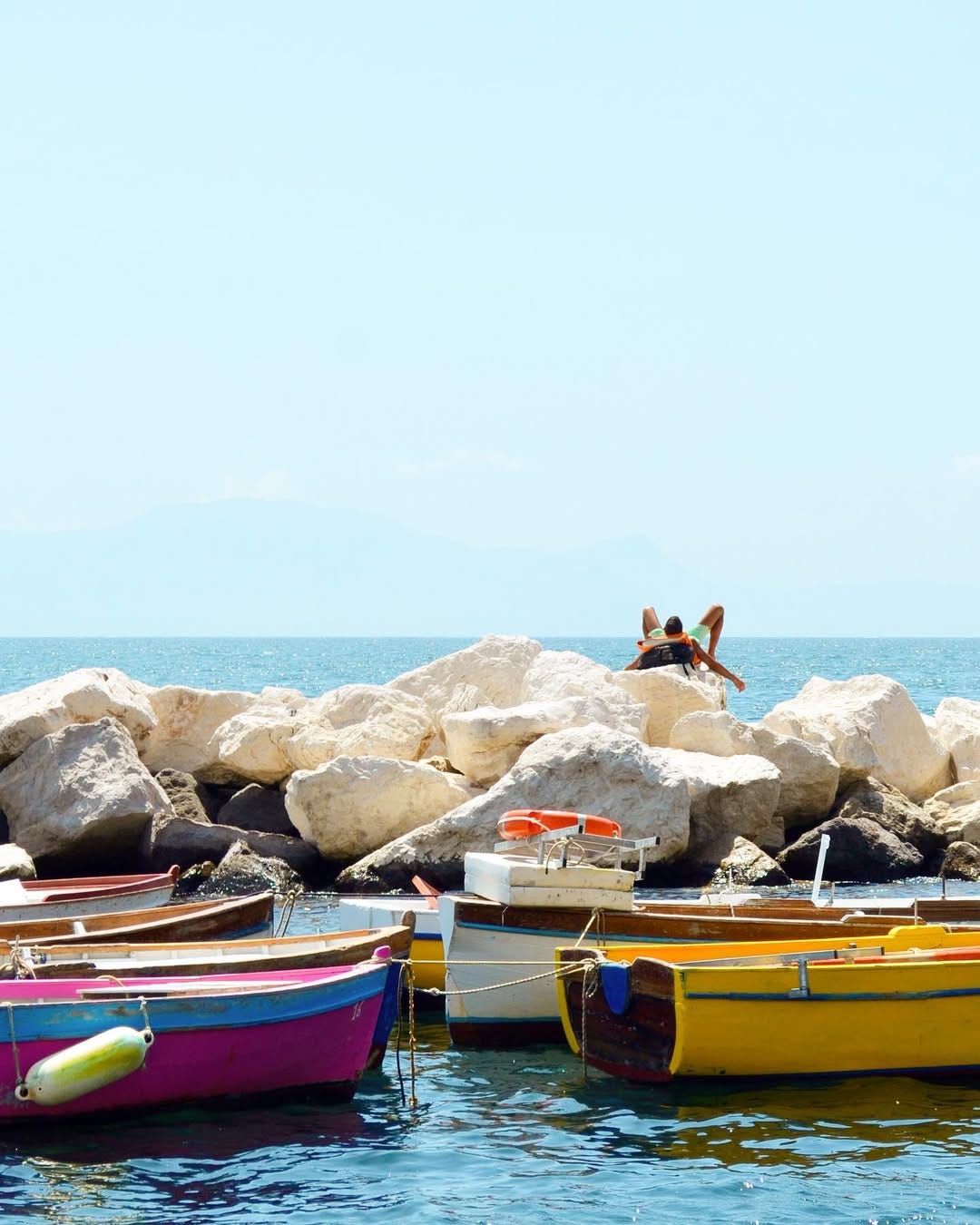
From the late 80s of Maradona to the present day, the same story follows in Naples: without destruction, there is no growth. Without despair, there is no beauty. Without uncertainty, there is no hope. Even Maradona himself grew in success then destroyed. So no, here in Naples, there is no la dolce vita depicted by Fellini years ago, the picturesque, stereotyped Italian life we still see dreaming of today (Emily in Paris, we are all looking at you).
Neapolitans will sing, dance, cheer, and celebrate among crumbling walls, the same walls that bore scars in the 1940s, and yet life goes on. They swim in the same bay that has carried a millennium worth of history for the city, the country, the continent. It is literally built into their DNA, their terrain, their walls. The Neapolitans live next to two active volcanoes, after all. Instead of fighting it, they embrace it. This is a city that has felt so much pain, prejudice, and despair (and still does, mind you), and still finds ways to hope, to create, to love, to celebrate, even in its most difficult corners, even where hardship lingers. Why? Because here in Naples, there is no other choice but to live, despite the circumstances. Neapolitans don’t have time to plan against uncertainty; they just have time to live.
Experiencing the art, music, and Maradona renaissance of Naples today
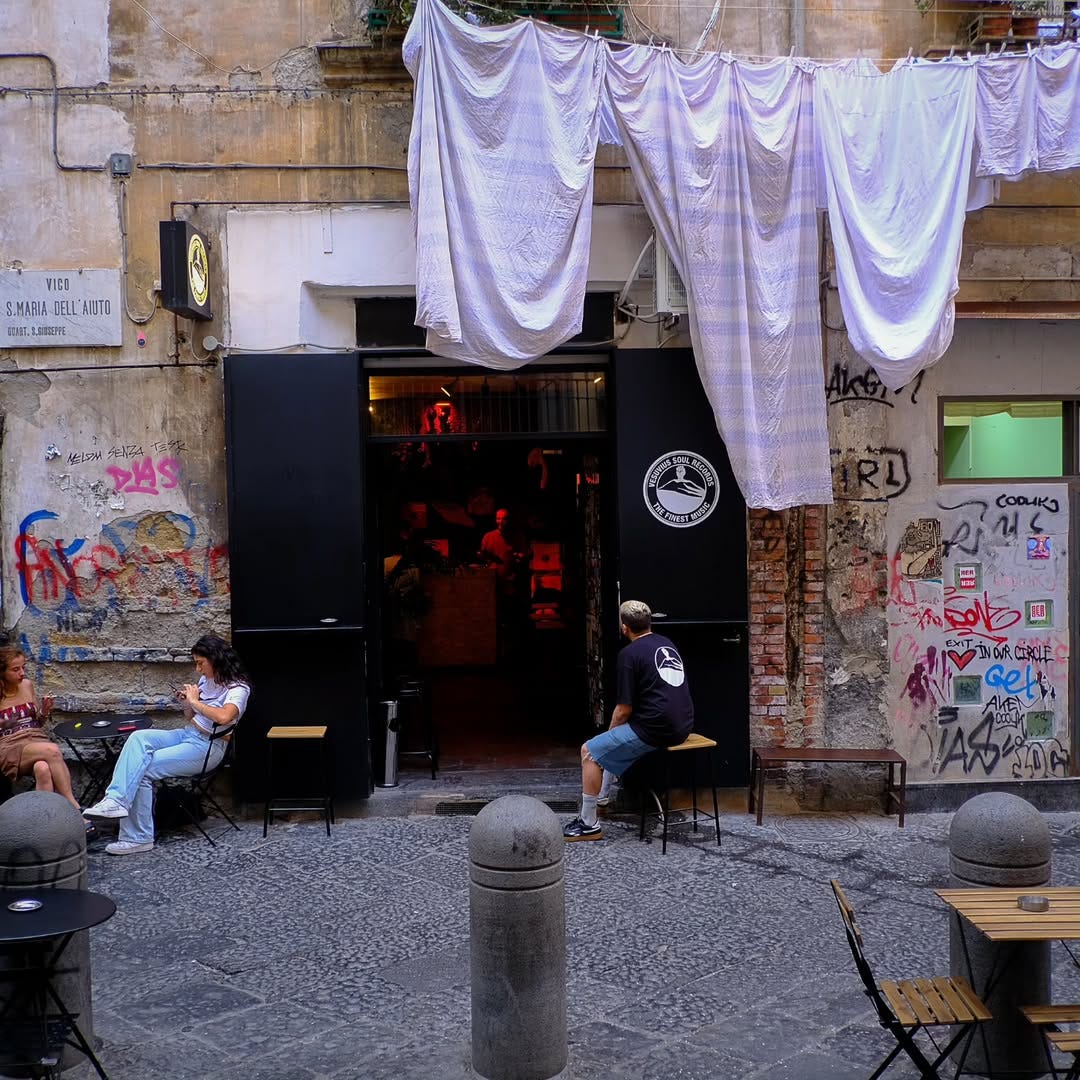
For groovy disco-funk tunes in and around the city, Bar Viper is a gem in the center of town, noted for its red-light glowing interiors, excellent cocktail game, vinyl records spinning til 2 am, and a crowd of locals pouring out into the streets. Vesuvius Soul Records is a part record shop turned late-night hangout spot to listen to groovy tracks with good cocktails and even better company for a very chill and indie Neapolitan evening. Soul Express Collective, having recently just celebrated 10 years, is the pulse of the Neapolitan and southern Italy’s DJs, events, and music club gatherings that celebrates soul, funk, jazz, disco, and Afro-Mediterranean grooves. Follow their IG for events.
For modern art, Museo Madre is the city’s contemporary art museum that welcomes and hosts both Italian and international artists and exhibits.
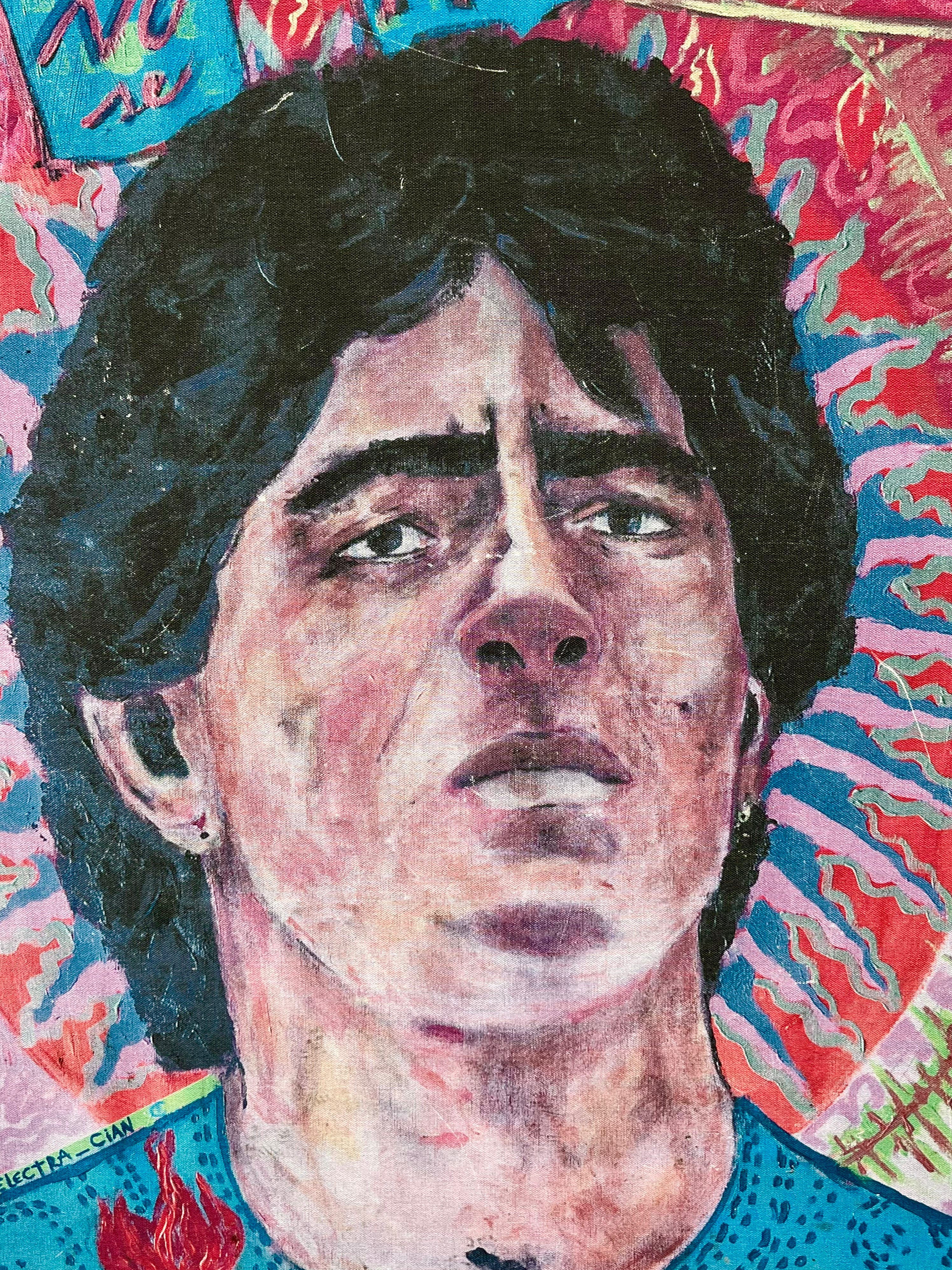
For all things Maradona, Neapolitan-born and bred Alessandro Tione is the photographer and tour guide to follow. He knows every street, every corner, every story, and every row of the stadium, showing visitors how Maradona’s magic still lives on in Naples today.
No posts
Comments
Nothing yet. Say the first thing.
Sign in to join the conversation.