
A candid conversation about chronic pain, digital tools, OCD, and letting go of artistic purity to keep creating.
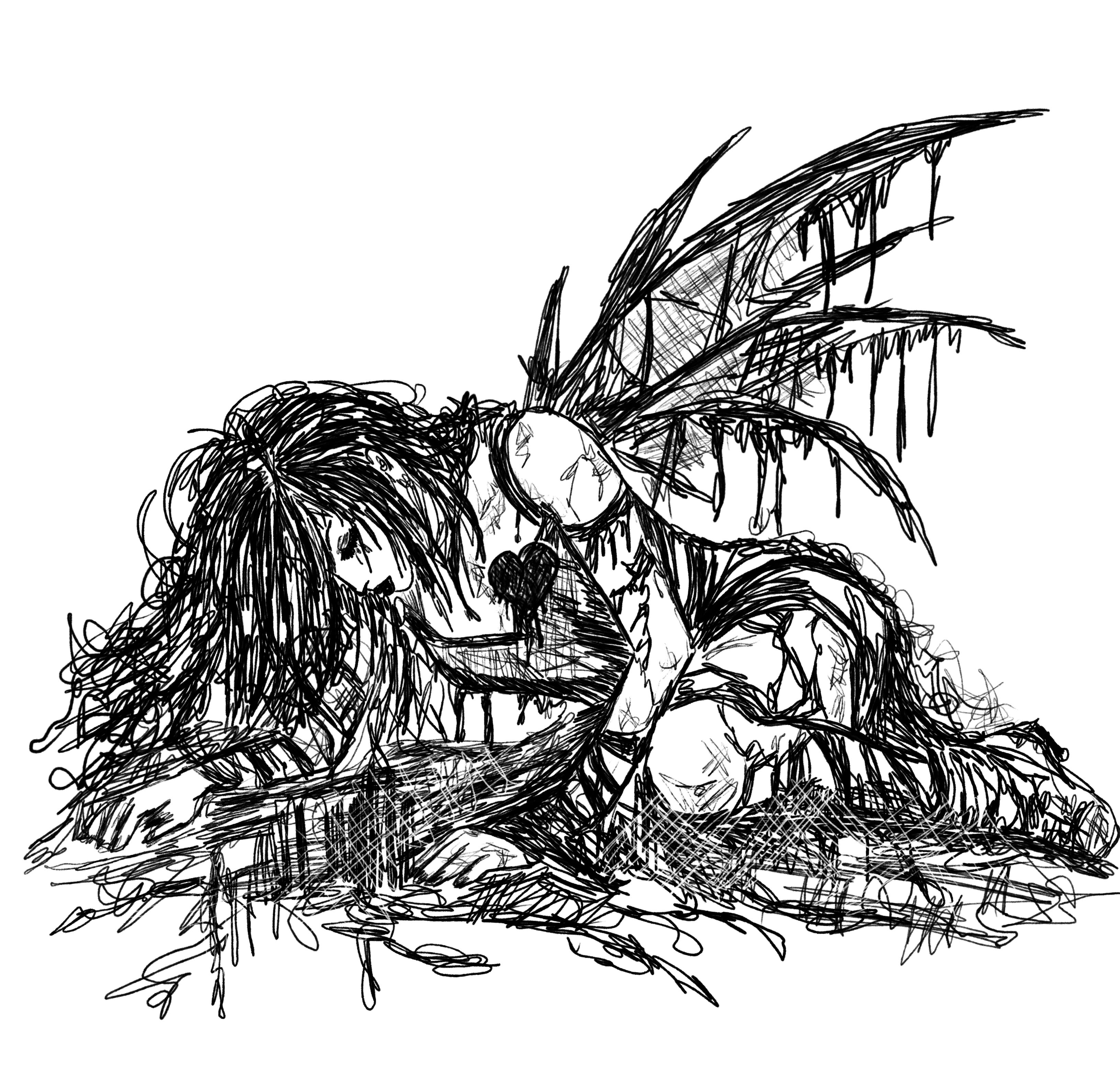
For a long time, I believed a quiet lie that many artists carry around like a badge of honor. I thought “real” art only happens when you are sitting upright at a desk, holding a traditional tool, and pressing pencil or ink into paper with unwavering hands, enduring whatever physical toll it takes to make the thing.
I held onto that belief until it completely broke me.
Eventually, the chronic pain got so heavy and my body so exhausted that picking up a sketchbook was no longer an invitation to create. It was an invitation to suffer. So, without making a dramatic announcement, I just stopped. The pencils stayed in their box, the paper remained untouched, and the silence in my studio felt final.
The Resistance to Change
If you had told me years ago that I would do a significant portion of my creative work on a glass screen, I would have laughed. I was a traditionalist. I loved the tactile grit of paper, the exact weight of a fine-line pen, and the smell of paint on a wood canvas. When digital art began gaining popularity, I dismissed it. I thought it felt cold, synthetic, and maybe even a little like cheating.
What I didn’t realize then was that my rigid definition of art was becoming a cage.
When my chronic pain worsened to the point where staying in bed with a heating pad was my daily reality, making art became impossible under my old rules. Then, someone gifted me an iPad. I didn’t rush to use it right away. It sat on my nightstand for a long time, looking back at me as a challenge.
The day I finally picked it up out of sheer restlessness was the day the cage opened. I realized digital art wasn’t “easier,” it was simply a bridge. Sitting under a heavy blanket, unable to sit up at a drafting table, I could draw again. I could undo a stroke without destroying a sheet of paper. I could process the quiet, chaotic noise in my head without having to fetch twenty different supplies.
It didn’t replace traditional art. It saved my ability to create at all.
The Compromise: Pen, Ink, and Brain Chemistry
Transparency matters to me deeply, especially when it comes to how my work is made today. If you look at my pen-and-ink pieces, you are looking at a carefully constructed compromise between my hands, my eyes, and my mind.
As I’ve gotten older, my hands aren’t as steady as they used to be, and my vision isn’t as sharp. Even more than those physical limitations, my traditional sketching process used to be haunted by my OCD. I am a perfectionist with line work. In the past, putting pencil to paper meant erasing over and over again. My brain would fixate on every tiny smudge and every slight indentation in the grain of the paper. More often than not, after hours of work, I would crumple the sheet, throw it in the trash, and start from scratch in an exhausting loop.
Today, I use a hybrid method that grants me peace:
The Foundation: I sketch the initial base line work digitally in Procreate, where I can erase freely, refine the structure, and experiment without fear.
The Inking: Once the foundation is solid, I print that base onto the heavy, textured paper I want to ink. Then, sitting with my pens, I do all the final line work by hand, drawing intuitively.
The Edition: Because I complete every single line intuitively with traditional ink, no two pieces are ever identical. I use a base image a maximum of 10 times before retiring it forever. Each print becomes a limited-edition original. It is a piece born from a digital foundation, finished by hand, and shaped by where my mind and hands went that day.
Finding Magic in Simple Tools
This spirit of adaptation runs through everything I make now.
When I work on mixed media, I draw on raw wood canvas, building up layers of paint, paper, ribbon, rope, and rhinestones. I use whatever tactile items call to me in the moment.
When it comes to photography, I don’t carry a heavy, expensive setup. I use my iPhone. Would I love a high-end digital camera someday? Absolutely. But right now, my phone is in my pocket. It is light, convenient, and always with me. It lets me capture a sudden spark the second it piques my curiosity, whether that is the way light hits a bird’s wing, the texture of a flower, or a flash of gothic beauty in the woods.
Redefining Artistry
If you’ve ever felt like you’re “less of an artist” because you had to change your tools, adapt your methods, or let go of how things used to be done, I hope this gives you permission to breathe.
Art isn’t found in the difficulty of the process or the rigidity of the rules. It is found in the persistence of the spirit that refuses to let the creative spark die out. My hybrid process, my digital tablet, and my phone camera are not shortcuts. They are my lifeline. They are how I turn chaos into beauty, right from where I am sitting.
With grit and grace, Brandi Lynn ♡
Enjoyed this piece? Here are two ways to bring this work into your physical space:
📚 Hold the Book: My debut prose-poetry collection, Where the Broken Light Falls, is available now on Amazon. [Order the Book Worldwide Here]
🎨 Studio News: My studio storefront for limited art drops, signed books, and digital chapbooks is currently in the works! You can follow along or leave a studio tip to support the craft while the listings are being prepared. [Support the Studio on Ko-fi]
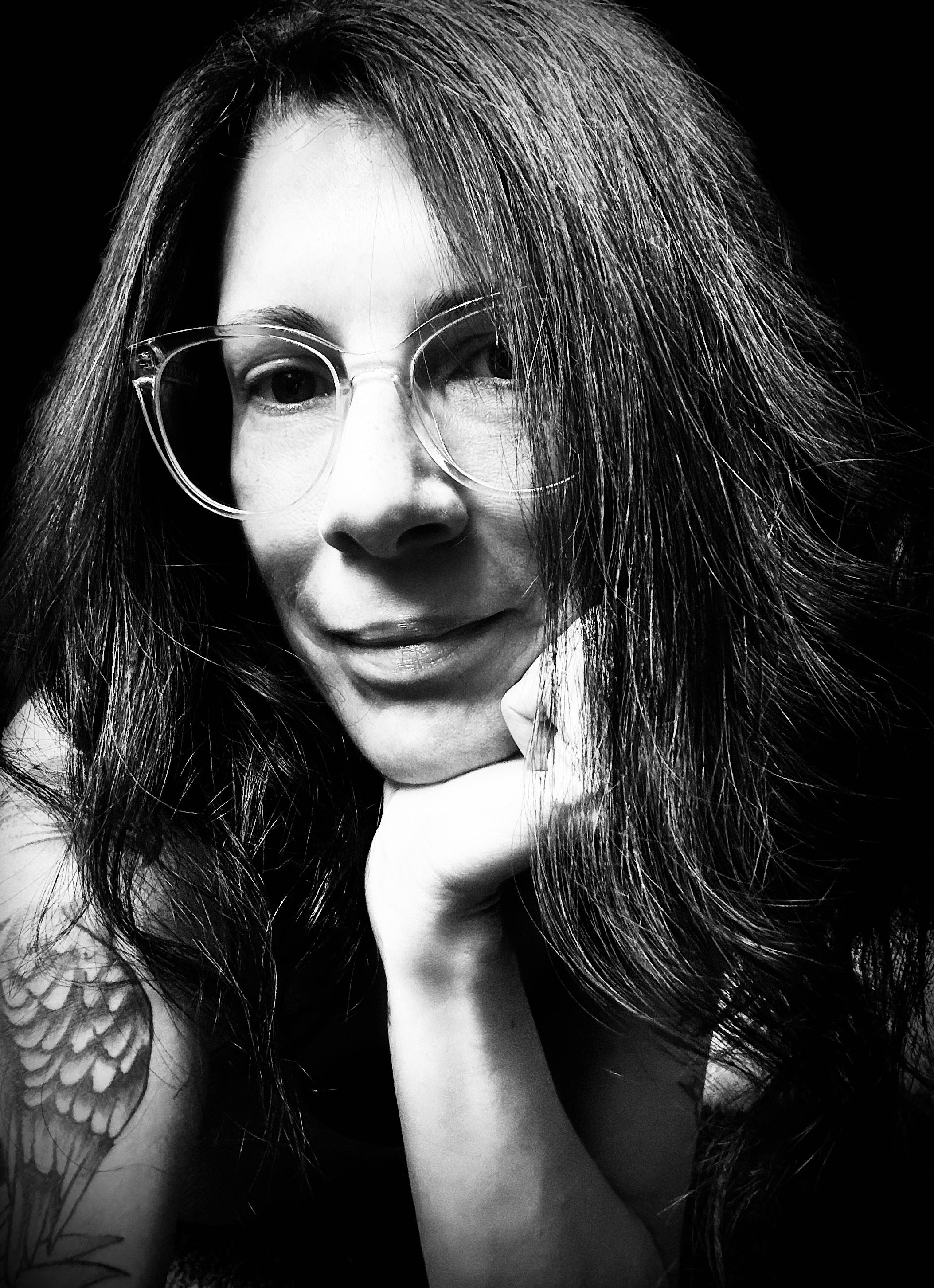
I'm Brandi Lynn. Author, artist, and literacy educator. Welcome to this quiet sanctuary for the outliers, pattern-seekers, and sensory-overloaded. If these words or images found a home in you, I'd love for you to stay.
For more grit, grace, and visual art find me on Instagram — Sent2MeDesigns (Art) and ByBrandiLynn (Poetry) or at my website ByBrandiLynn.com
No posts
Comments
Nothing yet. Say the first thing.
Sign in to join the conversation.