
A few weeks ago, a patient looked at me and said, “I just don’t want to look fake. I smiled because it’s probably the sentence I hear more than any other. And I often think to myself (and sometimes reiterate to my patient), “Do you think I want you to look fake?”
The funny thing is, almost nobody walks into my office asking to look different. They want to look less tired. Less angry. A little more like themselves.
After nearly a decade working in aesthetics, I’ve realized the conversation around injectables is surprisingly black and white. You’re either “aging naturally” or you’ve “gone too far.” Botox is either poison or magic. Filler is either life-changing or ruining everyone’s faces. And a lot of this conversation comes from social media. I understand why. Most people's opinions aren't shaped by conversations with experienced providers or even their own treatments. They're shaped by viral before-and-afters, celebrity speculation, dramatic headlines, and the loudest voices on social media. The faces that get shared are usually the most dramatic, not the most representative.
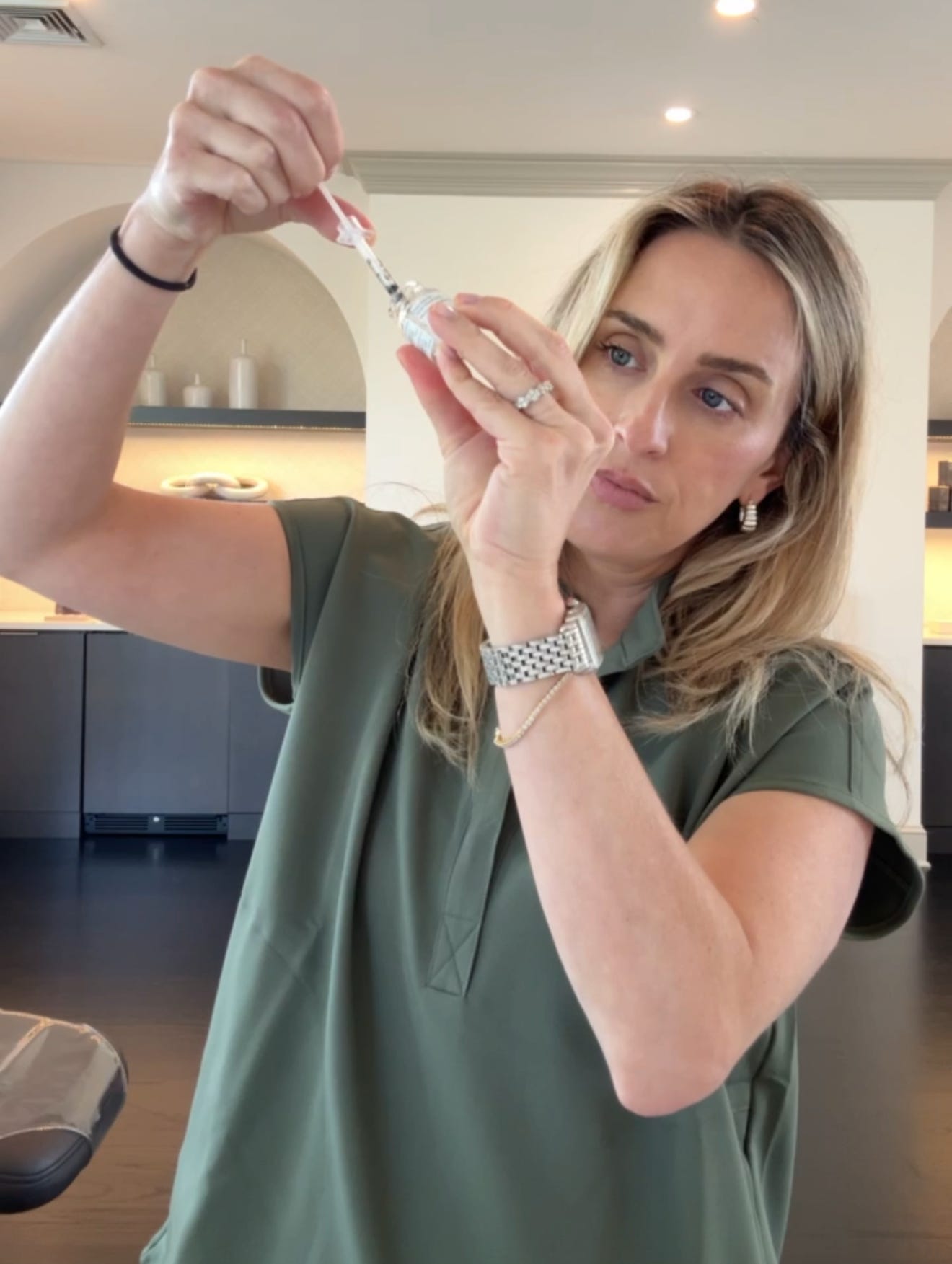
The truth is, as it usually is, is much more boring. And much more interesting.
Here are a few things I wish more people understood.
Thanks for reading Notes from the Middle! Subscribe for free to receive new posts and support my work.
1. The best injectables are the ones you don’t notice.
If you’ve spent any time on social media, it’s easy to think everyone who gets neurotoxin or filler ends up looking frozen or overfilled. Those are often the faces that get the most attention because they’re the most obvious. But in my day-to-day practice, that’s simply not what I see.
Every week, I treat women whose goal isn’t to look different. They want to look a little more rested. They want their makeup to stop settling into a crease. They want to soften the line that makes them look angry in every Zoom meeting. They still want to look like themselves.
The funny thing is, the best compliment they can receive isn’t, “Did you get Botox?” It’s, “You look so well-rested,” or “You look great, did you do something different?” without anyone being able to put their finger on exactly what changed.
That’s because good aesthetics are meant to be additive, not attention-grabbing. The goal isn’t for someone to notice your treatment. The goal is for them to notice you. People notice bad work because good work is invisible.
2. Prevention isn’t about looking 25 forever.
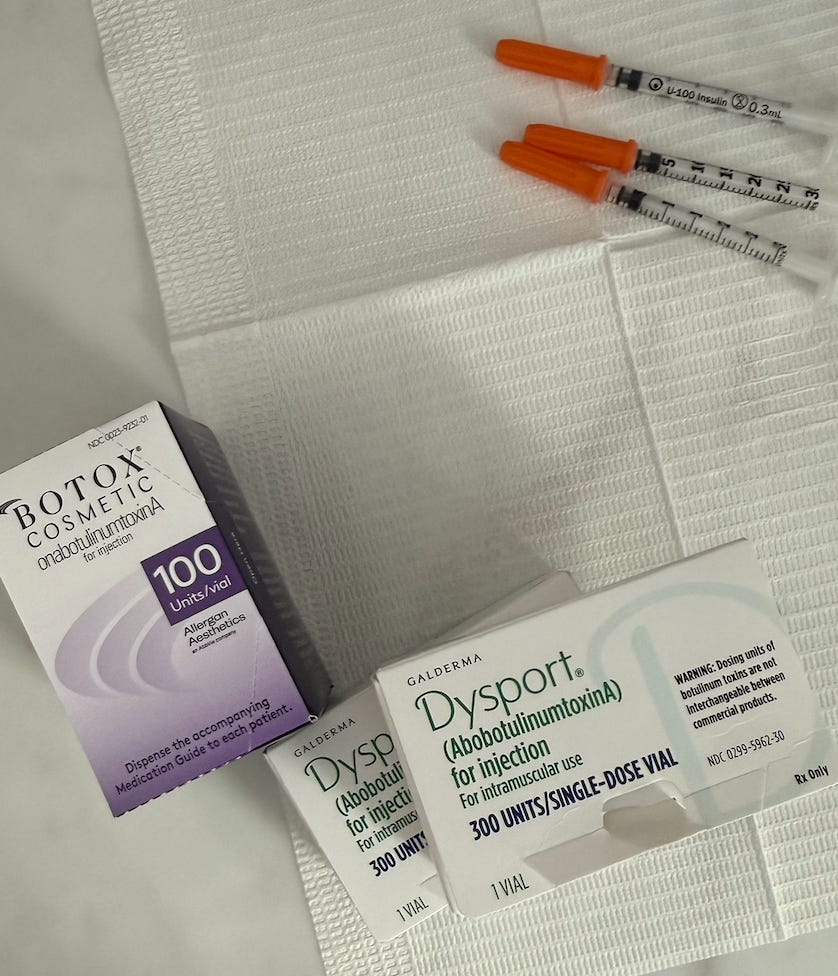
I have mixed feelings about the phrase preventative Botox. It implies that aging is something we’re supposed to stop before it even begins, as if every line is a problem waiting to happen. I don’t believe that’s the goal.
When used thoughtfully, neurotoxin can help soften repetitive muscle movement that contributes to certain wrinkles over time. But your face is still going to change. It should. Aging isn’t a failure of prevention; it’s part of being alive.
For me, the goal has never been to help someone look 25 forever. It’s to help them look like the healthiest, most confident version of themselves at whatever age they are.
3. Sometimes the best treatment is no treatment.
This one surprises people.
Some of my favorite appointments are the ones where I tell someone they don’t need filler. Or that they’d get a better result from improving their skincare. Or that what they’re seeing in the mirror is simply a normal part of being human.
Working in aesthetics has taught me that not every concern needs to be corrected. Sometimes all someone needs is reassurance that they don’t look nearly as “old,” “tired,” or “uneven” as they think they do.
I never want someone to feel like they have to leave my office with a treatment. The best providers aren’t trying to sell you more, they’re trying to help you make the right decision, even if that decision is to do nothing at all.
4. Social media has changed the way we see ourselves.
If there’s one thing I’ve noticed over the last several years, it’s this: women are beginning to look at themselves differently. There is far more comparison in today’s world than there was when I started ten years ago.
Patients come into the office pointing out things they never used to notice. A slight shadow under their eyes. A tiny line that appears only when they smile. Skin texture that’s completely normal. More often than not, those concerns have been amplified by hours spent scrolling social media, comparing themselves to filtered faces, or seeing close-up videos filmed under perfect lighting.
Our expectations have quietly shifted.
We’re comparing our real faces, moving, expressive, and seen from a normal conversational distance, to curated images captured six inches from a ring light, edited, filtered, and replayed over and over again. No one was meant to examine their face with that level of scrutiny.
I genuinely believe this has affected women’s confidence more than any wrinkle ever could.
At the end of the day, I don’t think every woman needs injectables. But I do think every woman deserves honest information.
My hope is that women feel educated enough to separate internet opinions from reality, confident enough to ask questions, and empowered to make the decision that’s right for them, whether that’s booking an appointment or deciding they’re perfectly happy without one.
There shouldn’t be shame in getting injectables. And there shouldn’t be shame in choosing not to. My job has never been to convince women they need something. It’s to help them make informed decisions about their own faces. Whether you embrace every wrinkle, soften a few with neurotoxin, or land somewhere in between, the choice should be yours.
Education creates confidence. And confident women make better decisions than fearful ones.
Comments
Nothing yet. Say the first thing.
Sign in to join the conversation.