
Planning is crucial in the world of business. From budgeting expenses to organizing work schedules, every aspect demands meticulous planning. Yet, perhaps the most critical element is demand planning. However, as any seasoned business associate will attest, this is easier said than done.
At its core, demand planning doesn't seem overly complicated. The simplest methods employed are utilizing historical data and accounting for seasonal variations. These techniques help smooth out fluctuations that inevitably arise at different times of the year. However, despite its apparent simplicity, numerous factors complicate this process significantly.
1. The Bull Whip Effect
is a phenomenon that occurs in supply chain management where small fluctuations in demand at the consumer level can lead to progressively more significant fluctuations in demand further upstream in the supply chain. It is named after how a slight flick of a bullwhip's handle can result in a much larger movement at the whip's tip.

Figure 1 Bullwhip effect (the local sales pattern is illustrated above each stage; this is an illustration from Nicolas Vandeput book Inventory Optimization: Models and Simulations).
Each step of the chain introduces more noise and variability. These include Demand Variability, Ordering Behavior, and Information delays. Each of these variables introduces noise, which throws off the accuracy of historical data that is used for forecasting. While common, there are ways to mitigate this and reduce the fluctuation of the data. Some standard methods include improving your forecasting methods. This can be as complex as investing in machine learning techniques and market intelligence technology. In truth, the simplest solution is probably the most effective one. Improving communication. From vendors to suppliers, an open line of communication is essential for forecasting. From surveys for customers to implementing a vendor-managed inventory system, there are quick and easy ways to cut costs and improve forecasting for businesses.
2. Product Life Cycle
Retail is expected to have a product on the shorter end of a life cycle. Specific items could be opportune buys and only offered for a year. The opposite is also true. Some items may be provided during particular seasons, but sales grow over time. This adds an element of complexity to the planning process. In today’s fast-trend world, knowing how long a product's life cycle will be is impossible. Constant disruptions in technology and shifting trends in consumer preferences are making it more difficult to map a life cycle efficiently. On the other hand, these forces have pushed innovation to new heights as competitors continually strive to innovate and improve their products. Furthermore, there are excellent workarounds for those products that may have a more stable cycle.
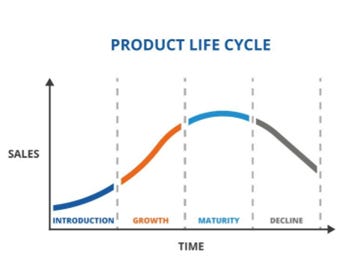
· Implement Product Lifecycle Management tools: These include software and methodologies that enable your firm to track the lifecycle better. They encourage and enhance cross-departmental collaboration. It allows for more comprehensive support of the different stages, including promotions and phase-outs.
· Monitor market trends and Competitors: This one may seem facile. However, it should not go unsaid. Monitoring indicators such as sales and customer feedback are essential. If there is a short-term strategic opportunity, it will be seen in the KPIs, and feedback offered by the market. After all, the customer knows best!
· Continuously review and Adapt: Being flexible and adaptable is one of the most sought-after skills by employers. That applies to all levels of any business. It is that flexibility that allows for the effective execution of any demand plan. Markets are living entities that fluctuate with the needs of the individuals that compose them. Boiled down to its base core, demand planning is getting the products and services people need and want. Any planner must be flexible and available to turn on a dime.
3. Uncertain Demand
In recent years, unprecedented events such as the global pandemic and extreme weather conditions have further complicated the business landscape. These factors have led to significant fluctuations in demand, challenging even the most robust demand planning strategies. The pandemic has highlighted the need for businesses to be agile and responsive in the face of uncertainty. Supply chain disruptions, shifts in consumer behavior, and government-imposed restrictions have all contributed to erratic demand patterns across industries.
To address uncertain demand effectively, businesses must adopt a proactive approach. This includes closely monitoring external factors that could impact demand, such as economic indicators, geopolitical events, and public health crises. Additionally, leveraging data analytics and scenario planning can help businesses anticipate and prepare for various demand scenarios. Moreover, fostering resilience within the supply chain through diversification, strategic partnerships, and contingency planning can help mitigate the impact of unexpected disruptions on-demand fulfillment.
While uncertain demand presents formidable challenges, it underscores the importance of resilience, agility, and foresight in demand planning. By embracing these principles and adopting a proactive stance, businesses can navigate uncertainty and emerge stronger in adversity.
In conclusion, demand planning remains a challenging aspect of business operations but not an impossible one. By understanding the complexities introduced by factors such as the Bullwhip Effect, the unpredictable nature of product life cycles, and uncertain demand due to external events like the pandemic and extreme weather, businesses can take proactive steps to improve their forecasting accuracy and adaptability.
Investing in improved forecasting methods, enhancing communication across the supply chain, utilizing Product Lifecycle Management tools, staying vigilant of market trends and competitors, and maintaining a flexible approach to demand planning are all crucial strategies in navigating these challenges.
As we continue to navigate an ever-changing business landscape, the importance of effective demand planning cannot be overstated. By embracing innovation, leveraging technology, and fostering collaboration, businesses can mitigate the difficulties associated with demand planning and position themselves for sustained growth and success in the long run.
Remember, while demand planning may be challenging, with the right strategies and mindset, it can also be a rewarding opportunity to drive efficiency, reduce costs, and better serve customers' needs. Stay adaptable, stay informed, and stay ahead of the curve.
Recommended Readings:
Demand Planning Best Practices By: Nicolas Vandeput
Inventory Optimization: Models and Simulations By: Nicolas Vandeput
Fundamentals of Demand Planning & Forecasting
Citations:
Vandeput, N. (2020). Inventory Optimization: Models and Simulations (1st ed.). De Gruyter.
Vandeput, N. (2023). Demand Forecasting Best Practices. Manning
No posts
Comments
Nothing yet. Say the first thing.
Sign in to join the conversation.