
This post will be a little less structured than my previous posts. I usually try to redefine some aspects of international business and use fun subjects to communicate that topic. Today, I don’t have one. I honestly don’t know how to communicate this topic without being straightforward. This past week, COP29 wrapped up with a deal between “rich and poor nations” to mobilize $300 billion annually by 2035 for developing nations to go green and fund other climate-mitigating measures. The problem? This is nowhere near enough.
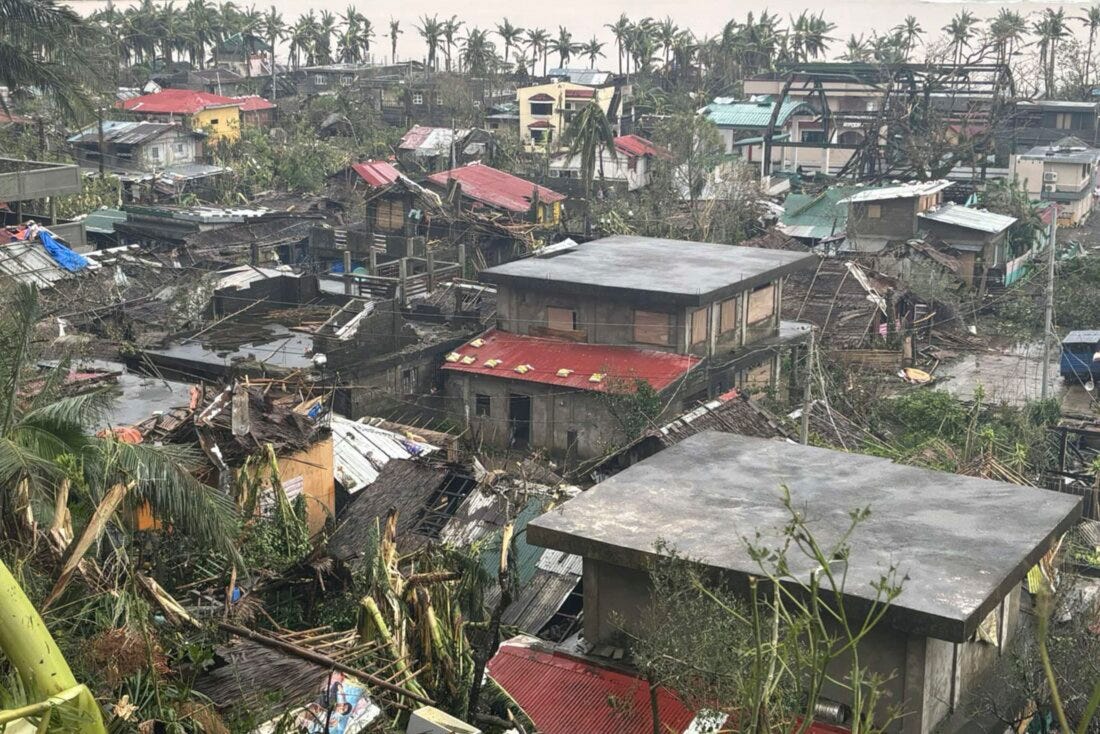
In a year when catastrophic storms have decimated the U.S., Spain, and the Philippines, both sides of the negotiation table know this is just a drop in the bucket. The science is clear: we’re not on track to limit global warming to 1.5°C. And while these debates drag on, the effects of climate change are already creating a humanitarian crisis—the growing wave of climate refugees.
AP/MDRRMO Viga Catanduanes
People displaced by rising sea levels, droughts, and extreme weather events are fleeing their homes at an unprecedented rate. According to the UNHCR, millions have already been displaced, which will only grow. Climate refugees aren’t just a tragic consequence of climate inaction; they’re a destabilizing force for the nations they flee to, often sparking reactionary politics and a backlash against immigration. Wealthy countries are willing to pour billions into border security and surveillance, but where is the same urgency when tackling the root causes of displacement?
For context, consider the funding disparity regarding global crises. Over $100 billion has been sent to Ukraine by the U.S. alone to support its defense against Russian aggression. Combined with contributions from other Western nations, the figure dwarfs the $300 billion pledged annually for climate action. The urgency shown in addressing geopolitical conflicts is commendable. Still, it also reveals an uncomfortable truth: the global community responds faster to conflicts that threaten borders and national security than to crises that jeopardize humanity.
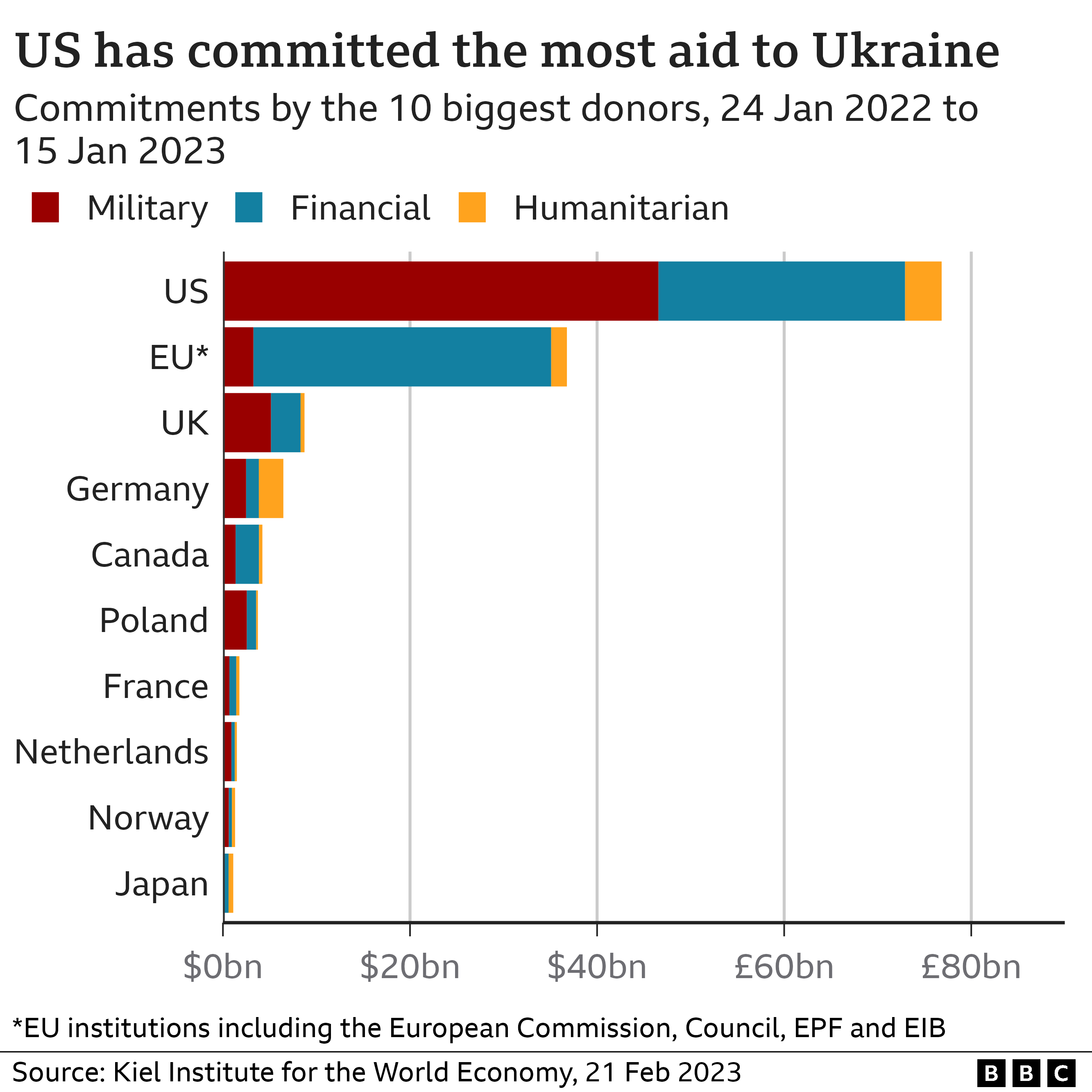
To be clear, this isn’t an argument against helping Ukraine—it’s a call to recognize that the climate crisis is no less urgent and demands a proportionate response. The ripple effects of climate change—whether through economic instability, mass migration, or resource scarcity—are already challenging the foundations of global order.
COP29’s outcomes highlight a glaring gap between rhetoric and action. While the $300 billion deal is a step forward, it’s woefully inadequate for the scale of the crisis. The negotiations, mired in geopolitical tensions and competing national interests, failed to produce a roadmap for phasing out fossil fuels. And without addressing the fossil fuel dependency at the heart of the problem, we’re setting ourselves up for failure.
The way forward demands bold leadership and a willingness to make tough decisions. This includes phasing out fossil fuels, scaling up investments in renewable energy, and creating fair policies to support those most vulnerable to climate impacts. It also means rethinking the frameworks that allow developed nations to prioritize national interests over collective survival.
The $300 billion is not enough. Reactionary politics and growing divides in global priorities are not enough. At some point, humanity must grapple with this: Are we willing to pay the cost of inaction now, or will we pay a much higher price in the future?
No posts
Comments
Nothing yet. Say the first thing.
Sign in to join the conversation.