
If BURNT unpacks the roots of burnout, The Exhaustion Index tracks it in real time, because exhaustion isn’t just personal, it’s global. Each week, I break down the biggest conversations on work, rest, and productivity, so you don’t have to doomscroll your way to enlightenment.
Think of this as BURNT’s news section, minus the wellness clichés, plus some sharp, necessary critiques.
This week, we’re talking about:
📖 Alysa Liu Quit, Came Back for Joy, and Won Gold Anyway
🎧 Is This Another Roaring Twenties?
📊 Trump has booked 3,800 innocent children into detention.
🚩 Our New Late Night Hosts Are Digital
🎨 Doechii Got Fired
Let’s get into it.
Alysa Liu retired from figure skating at 16 because she didn’t want to become, in her words, “a sulky, overtrained arthritic with the emotional disposition of burnt toast.” So she left. She went skiing, hiked to the Mount Everest base camp, enrolled at UCLA to study psychology. When she came back to skating in late 2024 after two and a half years away, she came back with one rule: “No one tells me what to do.”She didn’t come back to chase medals, she came back to be, as she put it, “a performance artist, not a medal-seeking desperado.” And I believe, because she stopped caring, she won America’s first Olympic gold in women’s figure skating since 2002.
Alysa has taken the world by storm for many reasons, but the one that keeps appearing on our feeds and in headlines is her pure joy. For most of us, “joy at work” feels like an oxymoron, something we can’t quite access or even imagine. Learning about Alysa rediscovering her love for skating, and then watching her embody that joy so openly and authentically on the ice, is exactly the kind of inspiration we need right now. She is a treasure, an inspiration, and unapologetically herself. She refuses to shrink or assimilate to fit anyone else’s expectations. In doing so, she gives us something rare: someone to look up to, and permission to believe that this level of contentment, freedom, and spirit might still be possible for all of us.

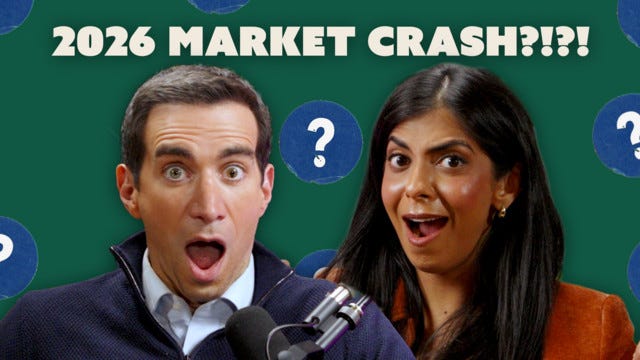
The 2026 market is booming. The energy? Absolutely terrible. Everyone can feel something is off, but no one wants to say anything because saying “this feels like 2008” makes you sound like a doomsday prepper.
Andrew Ross Sorkin, the journalist behind NYT DealBook, CNBC’s Squawk Box, and co-creator of Billions, wrote a book called 1929 that breaks down what actually caused the greatest economic collapse America has ever seen. And the parallels to right now are uncomfortable. SGDQ Host, Nayeema Raza, asks the questions we’re all thinking: Is this another Roaring Twenties? Are we in an AI bubble? Are we in a crypto hype dream where everyone pretends the numbers make sense?
If you've been feeling like the economy is a house of cards held together by optimism and venture capital, this one's for you.
**Content warning: This section contains descriptions of child detention and mistreatment**
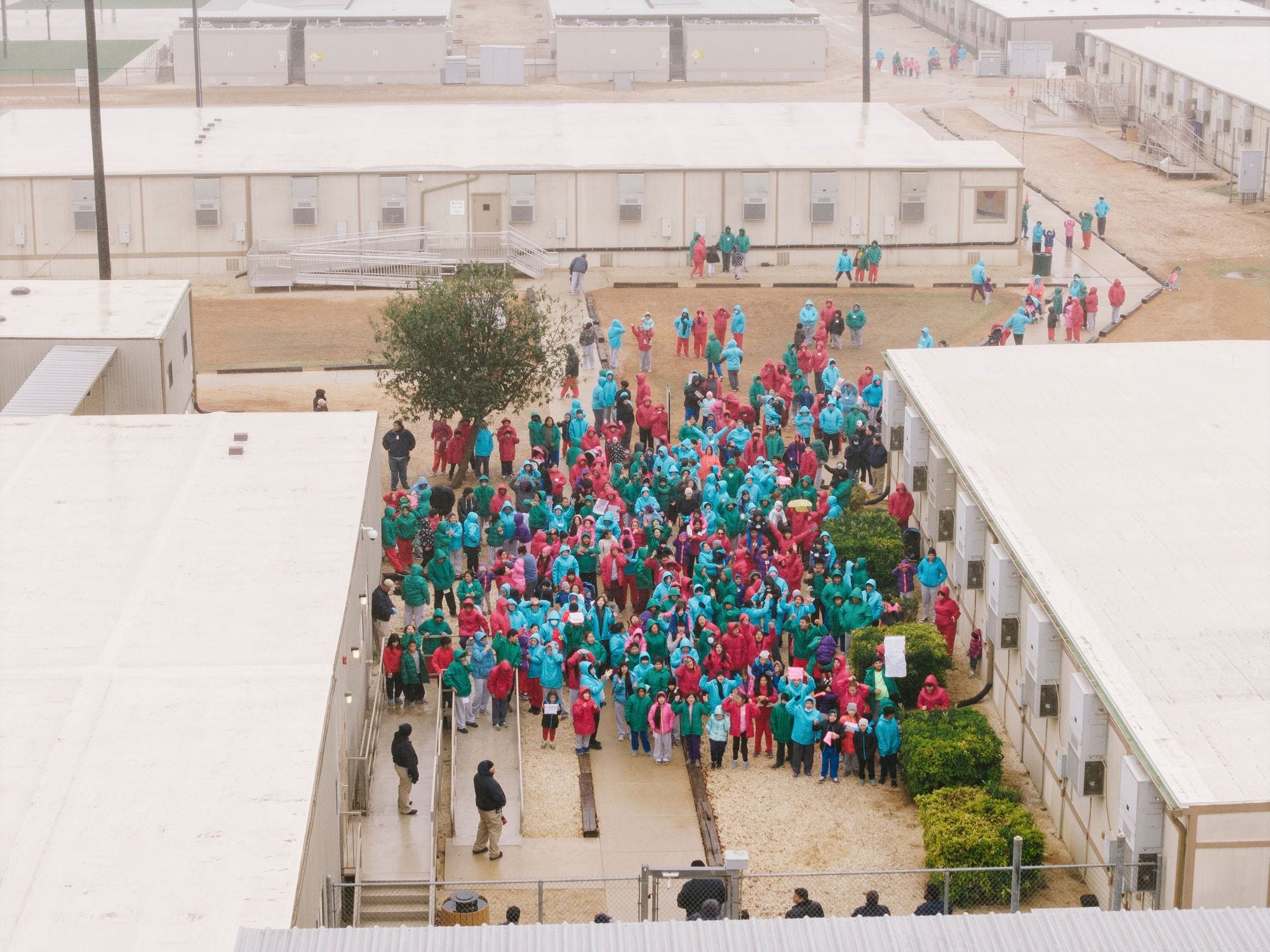
Trump is locking up children. Around 170 children are held in ICE detention on an average day, more than 6x the number under Biden. On some days, ICE has held 400 children or more. Since Trump took office, at least 3,800 children have been booked into detention. At least 1,000 were held longer than 20 days, violating the court-ordered limit. U.S. Rep. Joaquin Castro visited and was brutally honest: “They are literally being treated as prisoners. This is a monstrous machine.”
Inside, families report moldy, worm-filled food and undrinkable water. One child with appendicitis was left writhing on the floor screaming in pain until he vomited. One family has been locked inside for eight months. Advocates warn: “It’s only a matter of time before we see a child die.”
These families aren’t criminals. Many were taken during routine check-ins and have pending legal cases. They’re being caged because Trump wants to deport as many people as possible, and he doesn’t care who gets hurt. Including toddlers. Including infants.
This is state-sanctioned cruelty.
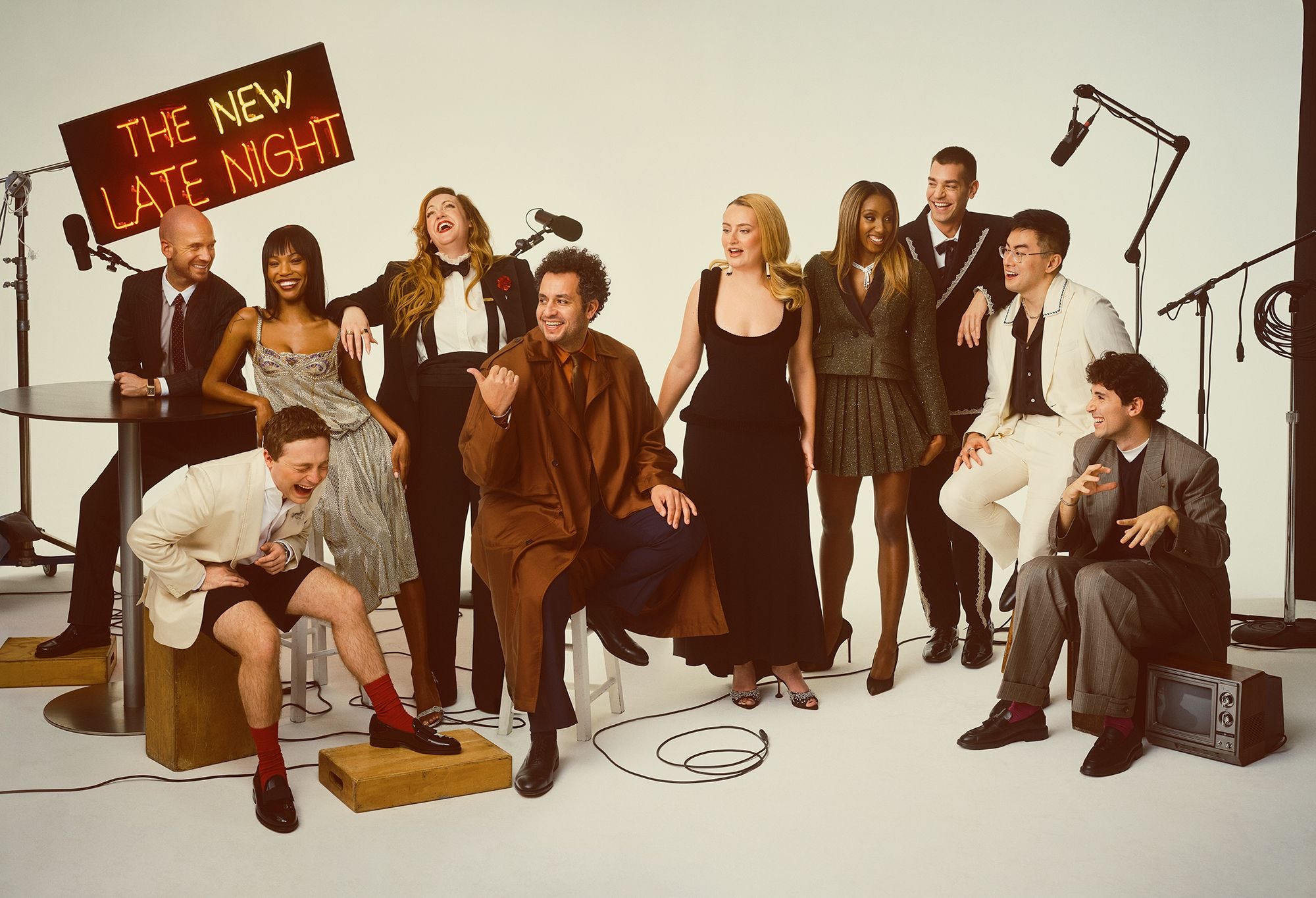
TV late-night talk shows are dead. Johnny Carson’s final Tonight Show episode reached 55 million Americans. Today’s network late-night shows struggle to get even 1/10th of that audience. Why? Because who’s sitting around at 11:35 p.m. waiting for Jimmy Fallon to interview someone with rehearsed talking points about their new movie?!
HOWEVER, the talk show isn’t dead IRL, it’s just moved online! It’s Jennifer Lawrence sobbing through Hot Ones‘ spicy wings, Rosalía musing about saints on Subway Takes, Tina Fey reading Bowen Yang the riot act on Las Culturistas. It’s Keke Palmer telling Amelia Dimoldenberg why she envies rocks. Now, digital creators like Brittany Broski (who got famous from a kombucha meme) and Quenlin Blackwell wield more cultural influence than most traditional “stars.”
The old model required you to climb a ladder, kiss the ring, perform professionalism, and wait your turn. The new model says: if you’re interesting and people want to watch you, that’s enough. It’s more democratic, more accessible, and infinitely more exhausting because there’s no off switch. The talk show is alive and well my friends!
Did you know in 2020, rapper Doechii was fired from her job as an assistant in Florida? She documented it in a video titled “I got fired thank God,” and it recently went viral again for all the right reasons. Doechii is now a Grammy-winning artist. But that’s not really the point. The point is getting fired may be what finally pushed her to bet on herself.
We’ve been conditioned to treat job loss like a moral failing. But what if the job was the problem? Getting fired sucks. But sometimes the thing that feels like rock bottom is actually the push you needed to finally move in the right direction
If you’ve been fired, laid off, or are staring down the possibility of it, this is your reminder: it’s not the end, it could be the beginning!
Comments
Nothing yet. Say the first thing.
Sign in to join the conversation.