
Support BA! Burning Ambulance is a 501(c)(3) tax-exempt nonprofit. Donations to us are tax deductible under Internal Revenue Code (IRC) Section 170, and we are qualified to receive tax deductible bequests, devises, transfers, and gifts under sections 2055, 2106, or 2522. Click here to make a donation, and share that link with your rich friends!
I wrote about John Coltrane’s Africa/Brass for Everything Jazz. It was one of the first Coltrane albums I heard, and its opening track, “Africa,” has the same hold on me now as it did 40 years ago. Read the piece here.
Clive Davis died this week at 94. You could argue that the music industry died with him.
Davis was the president of Columbia Records from 1967-73, an extraordinary time of creative and business growth for the music industry as a whole. At Columbia, he signed artists like Aerosmith; Chicago; Earth, Wind & Fire; Pink Floyd; Santana; Bruce Springsteen; Sly and the Family Stone; Iggy and the Stooges; Billy Joel; and many others. He also served as a kind of patron for Miles Davis, encouraging him to transition from acoustic jazz to electric music and play rock clubs, and cutting him checks that didn’t really match up to his actual record sales.
In 1973, he was pushed out of Columbia for… reasons; Rolling Stone cited “allegations of misuse of funds and providing drugs to artists and disk jockeys,” while the label sued Davis over $94,000 in unjustifiable expenses, including allegedly billing them for the cost of his son’s bar mitzvah. One year later, in 1974, he launched Arista (a division of Columbia Pictures, formed out of the ashes of the Bell label), where he stayed until 2000. Arista became a commercial powerhouse, signing artists ranging from Barry Manilow, Air Supply and Dionne Warwick to Patti Smith, Ministry, and Lou Reed; he also brought Aretha Franklin, the Grateful Dead, and the Kinks on board, and of course also gave the world Whitney Houston and Kenny G.
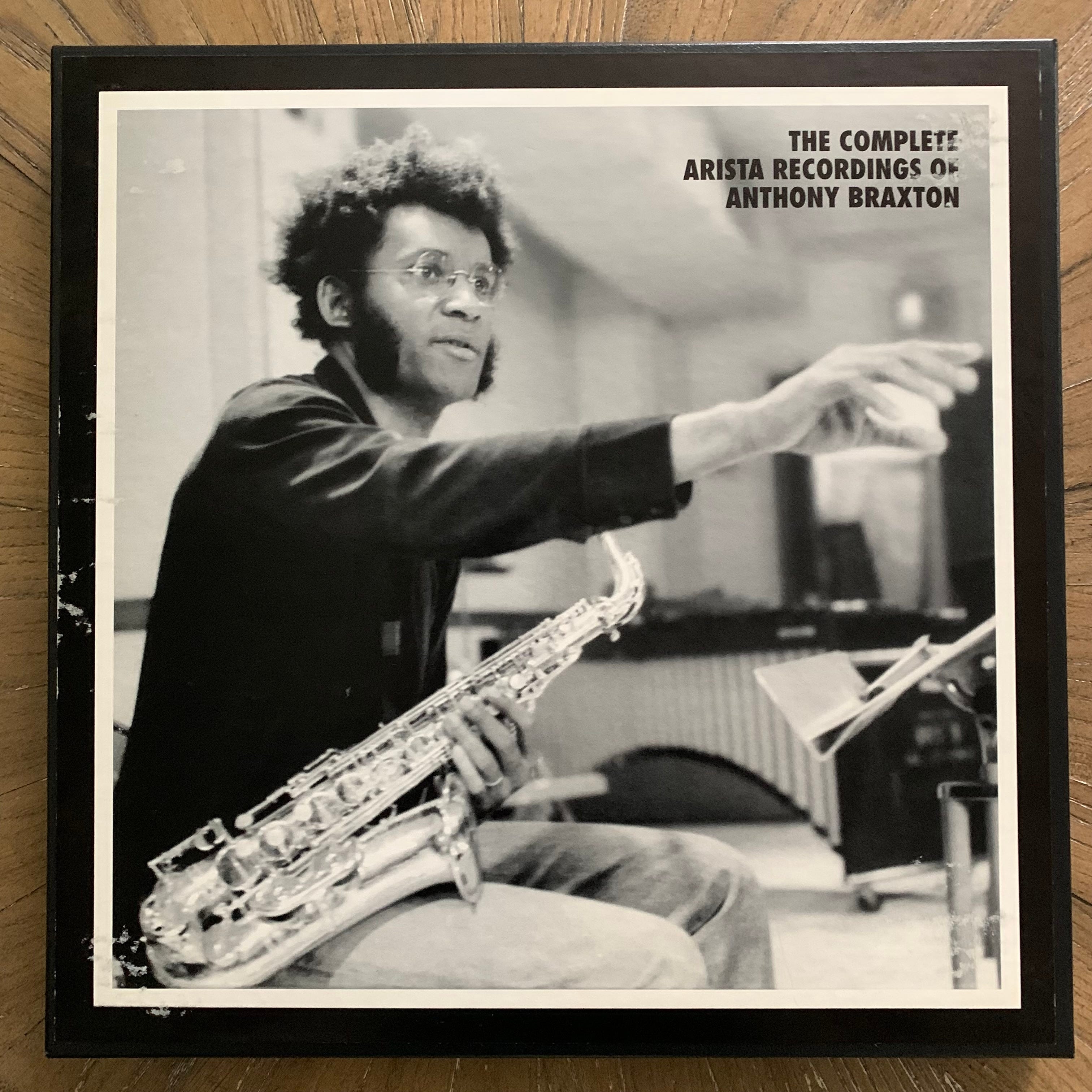
But while Davis was well known for his ability to pick (and make) hits, he also showed a willingness to support more challenging music. When he founded Arista, he acquired the Freedom label and formed a second avant-garde jazz division, Arista Novus; across these three imprints, he released or reissued albums by Anthony Braxton, Henry Threadgill, Cecil Taylor, Julius Hemphill, Oliver Lake, Andrew Hill, the Art Ensemble of Chicago, and more. And those albums, too, were given every chance to succeed in the marketplace; Clive Davis was absolutely the kind of old-school record man who’d say, in effect, “Let’s see if we can’t find an audience for these weirdos.”
Davis was in some ways the ultimate music business guy. He had big ears and would take chances, but his goal was to turn a profit, and eventually hits became his primary interest. He convinced himself he knew better than the artists… and he was often proved right. (I interviewed Carlos Santana in 2019, and I asked him about his 1999 album Supernatural; he freely admitted that it was a Clive Davis production from top to bottom, and that Davis’s hit-making instincts had revived his career.) Now that the music business has ceased to be about selling records to people, there will almost certainly never be another like him. But he shepherded a lot of great art out into the world in his time. Respect to a real one.
If you’re a free subscriber, today’s newsletter ends here. If you’re a paying subscriber, stick around for a special discount offer on an upcoming BA release, and articles on Dwight Macdonald, cowboy life, Isaac Hayes, Ricky Jay, and white nationalism.
Comments
Nothing yet. Say the first thing.
Sign in to join the conversation.