
When Loyalty Meets a Bad Episode
A Marketing Tip
What I’m Reading
From the Research File
Pun of the Day
==============================
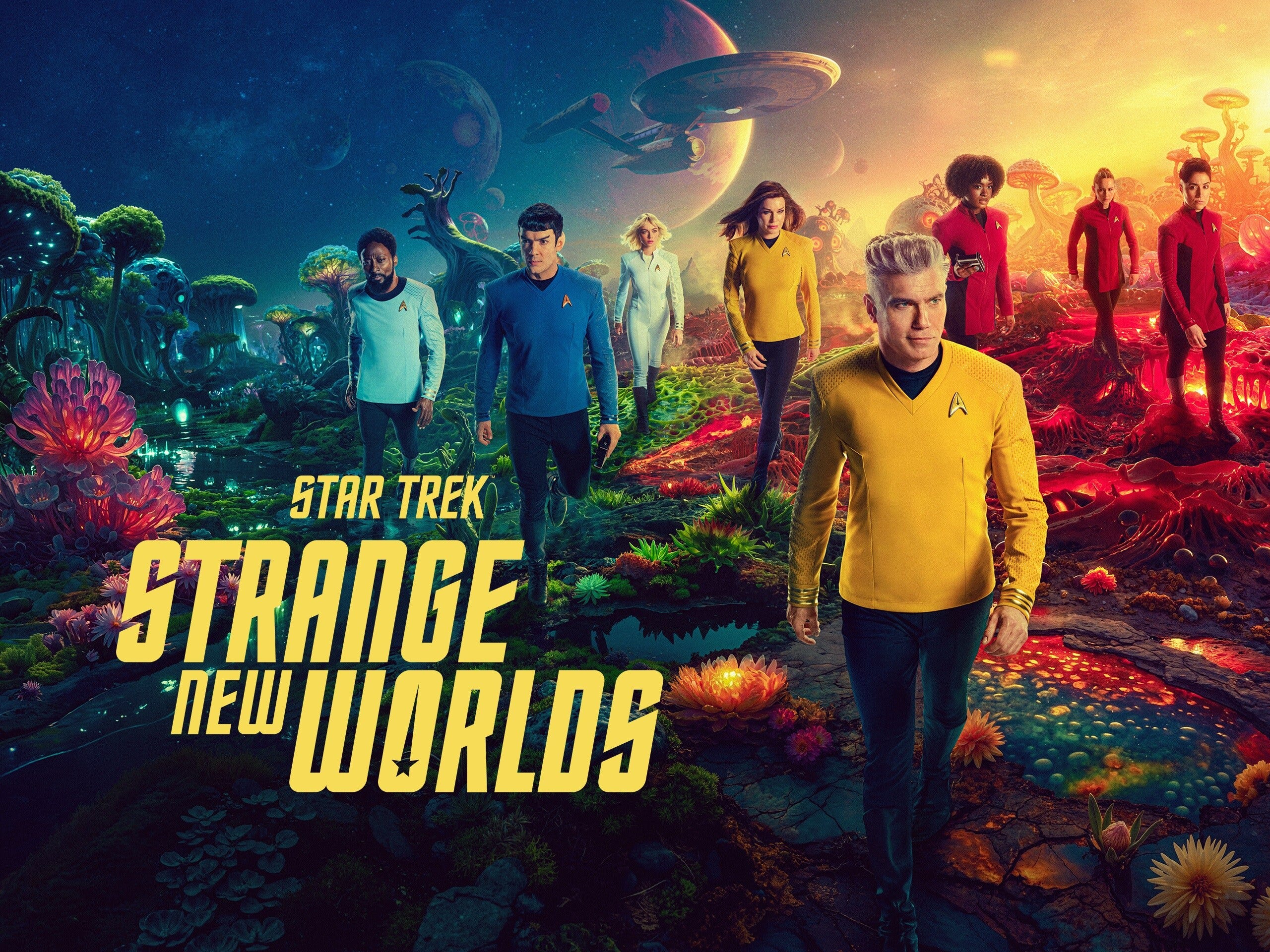
I went into Star Trek Strange New Worlds season four expecting intriguing story lines and interesting new aliens. Mainly because the video ads set me up for that.
Episode One felt like something I’d seen a hundred times. Away team lands somewhere dangerous, ship crew deals with a diplomatic mess, everybody learns a small lesson, roll credits.
Except it didn’t play out that way at all.
The away team gets sent back 65 million years and runs into dinosaurs. Fine, predictable, I’ve seen that move before. But the crew back on the Enterprise meets our actual ancestors, and they turn out to be Martians. Advanced tech, real space travel, and locked in a war with something stronger than them. That twist landed. That felt like the Star Trek I grew up loving, the kind that takes an old idea and turns it sideways until you see something new in it.
So I was hopeful going into Episode Two.
Then it turned into a horror movie. Not “Star Trek does horror” in a clever way. An actual horror show, full stop. Things happened with no real explanation for why. The writing leaned hard into dread for dread’s sake. The direction, the pacing, even the acting all shifted into a different genre entirely, one I didn’t sign up for.
And I sat there thinking… I know this feeling.
Last season gave us a full blown musical episode. I would say I tolerated it, but to be honest I shut it off fifteen minutes in and never looked back. I told myself that was a one time swing and a miss. Now I’m watching the show reach for genre gimmicks again, and I’m not happy about it.
Here’s the part that’s hard to admit. I’ve been a fan for a long, long time. I’m talking since the late ‘70s. That kind of loyalty doesn’t make letting easy. But loyalty isn’t supposed to mean staying quiet while something stops being what you loved about it in the first place.
Star Trek, at its best, uses the future to say something true about who we are right now. A horror episode with no explanation isn’t doing that. A musical number wasn’t doing that either.
So I’ve been sitting with a hard question this week. Not whether the show is allowed to experiment. It should. But whether I’m still the audience it’s experimenting for.
Sometimes loving something for a long time means you’re the one who notices first when it’s drifted away from itself. And sometimes it means knowing when to say goodbye, even after all these years.
And I do believe it’s time for me to say goodbye.
Oh, this also means I get to save the streaming subscription 🙂
==============================
I read one of those “2026 marketing trends” roundups this week. Ten of them, neat and numbered.
You know what?
Most of that list wasn’t new. It was old, solid marketing wisdom repackaged for this year.
Know your customer.
Build relationships instead of one-off pitches.
Make it easy for people to trust you before they buy.
Keep the customers you already have.
None of that is a trend. That’s just good business in a fresh outfit.
So here’s the tip.
You don’t have to adopt every item on a list like that. Read it, nod at what fits, and quietly skip the rest.
Businesses wear themselves thin trying to do everything an article told them mattered this year. That’s not strategy. That’s noise wearing a strategy costume.
Pick the one thing that solves a real problem you have right now. Fix that. Let the rest of the list sit there unopened.
Trends come and go. Your customers, and the trust you build with them, are what stays.
==============================
Beyond the Tracks by Michael Reit
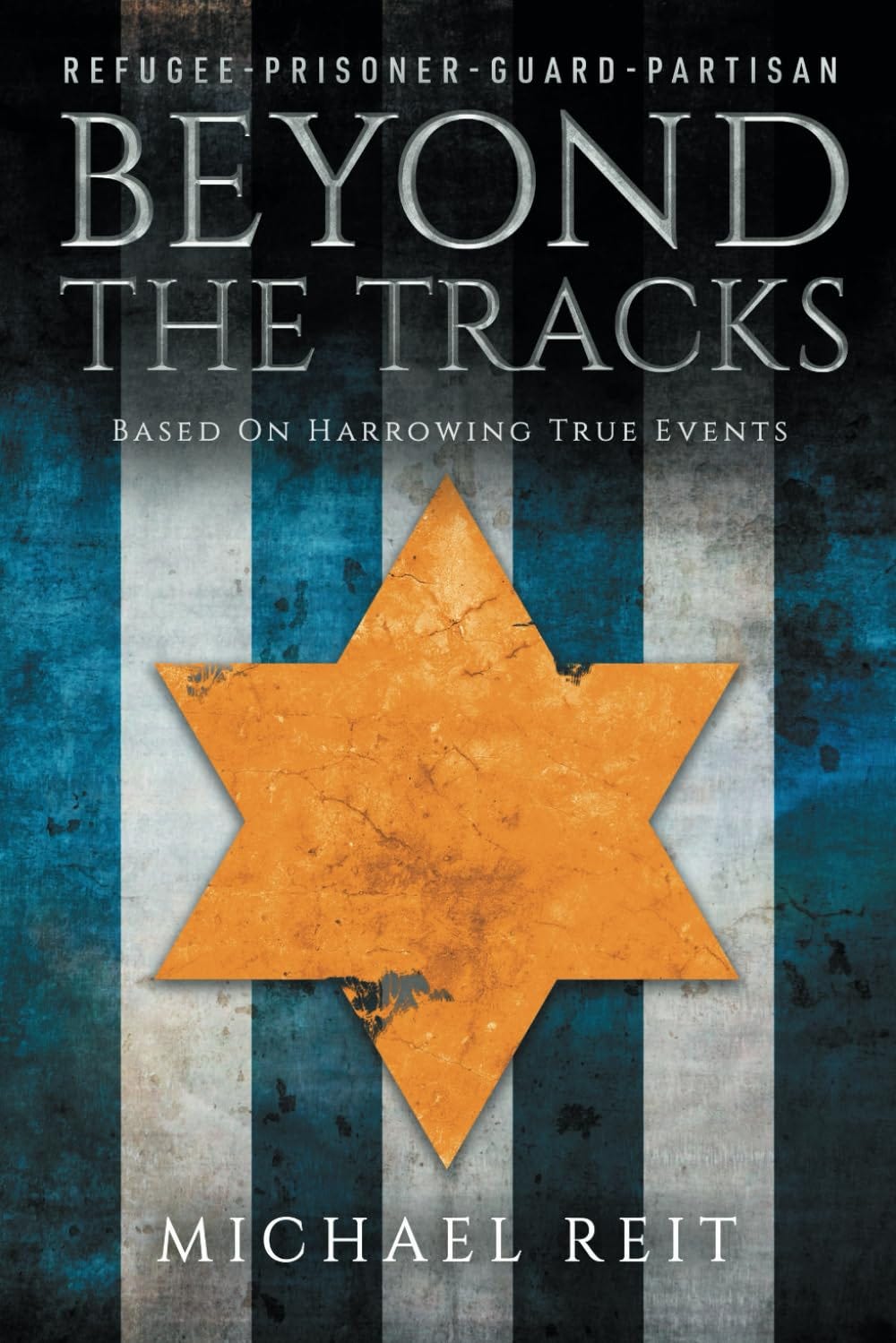
I picked up Beyond the Tracks expecting the usual weight that comes with a WWII novel, and I want to tell you upfront, that’s not quite what you get here.
The story follows Jacob Kagan, a young man in Berlin who watches Jewish families vanish in the night one by one, until he knows his own turn is coming.
He and his family flee to a refugee camp in the Netherlands, and when the Nazis take over the country, that camp turns into a transit stop, with trains running east toward the places we all know too well from history.
Heavy subject, no question. But here’s what surprised me. This book isn’t labeled as Young Adult, yet it reads like one.
The pacing moves fast, the chapters are lean, and the scenes give you just enough detail to feel true without dragging you through the full depth of horror you usually find in novels set in the camps.
If you’ve read much in this genre, you know that depth can be a lot to carry. This one lets you feel the weight of what happened without needing to look away.
I don’t say that as a criticism.
I think it’s exactly why the book works so well for so many different readers. Someone newer to WWII fiction, maybe even a teenager reading this for the first time, could pick it up and come away moved and educated without being flattened by it. And someone like me, who’s read plenty in this space already, still found the story gripping and the characters worth caring about.
Jacob is a good anchor for the story. He’s not a hero in the big dramatic sense. He’s just a young man trying to protect the people he loves while everything around him falls apart, and that’s what makes him feel real.
If you want a WWII story that respects the history, tells it honestly, and still moves at a pace that keeps you turning pages, this one earns its spot on your shelf.
==============================
aka random bits of info you may or may not be able to use in your life

There are more than 80 cultures around the world where people communicate by whistling entire conversations. Not humming a tune. Actual full sentences, whistled clean across a mountain valley.
Skilled whistlers can hit volumes louder than a car horn, and their whistled words carry up to ten times farther than a good old fashioned shout. On some islands, shepherds still whistle across valleys that would take hours to walk.
Linguists love this because it shows just how much of language isn’t about the words at all. It’s about the shape of the sound. Turns out our brains are remarkably good at catching meaning from almost nothing, whether it’s a whistle across a canyon or someone talking to you at a loud party.
My favorite detail? A few zoo orangutans have picked up whistling just from watching their keepers do it. Nobody taught them on purpose. They just... started whistling back.
So next time you’re annoyed nobody answers your texts fast enough, just remember. Somewhere out there, someone solved that problem generations ago with nothing but their own two lips.
==============================
If you see an Apple Store get robbed, does that make you an iWitness?
🤣😂🤣😂🤣😂
==============================
May your earbuds never tangle in your pocket.
Charlene Burke
If you like this newsletter and want to support it, there are 5 ways you can do it. PICK ONE right now before you forget:
Because this is the paid tier… where the fluff gets cut, the real playbooks show up, and the insights actually make you money.
Click here to buy me a cup of coffee
Hit reply and say hello.
Recommend me to your company to write their newsletter.
Comment your thoughts below
Comments
Nothing yet. Say the first thing.
Sign in to join the conversation.