
Berlin already had an airport in 1923. At that time, Tempelhof was practically just a runway and a guardhouse.
But civil aviation was just getting started. So was the German airline Lufthansa, which had its headquarters at Tempelhof Airport. So in 1927, the first terminal was built so passengers could take off from Berlin and fly out into the world.
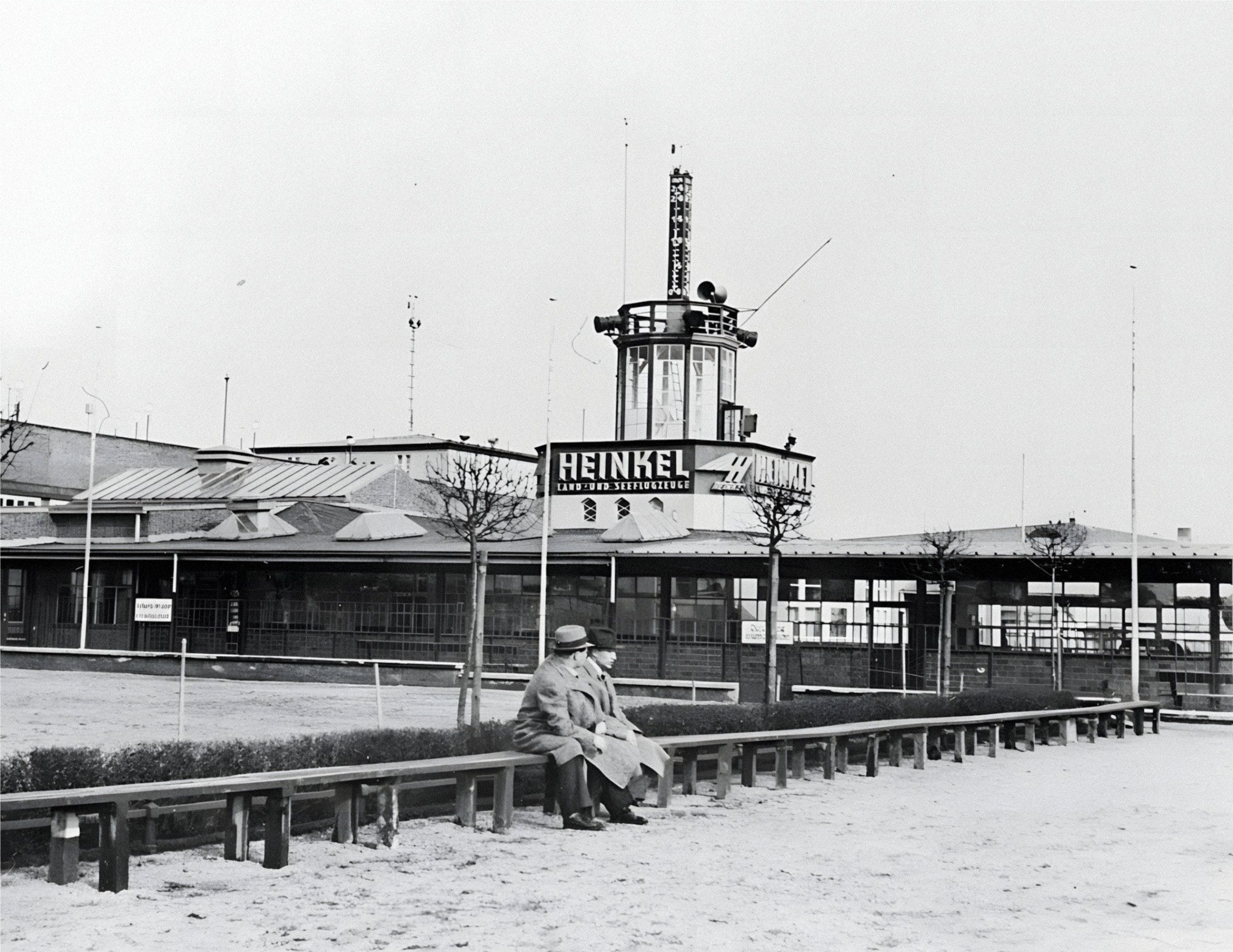
Two years later, the Great Depression took the steam out of the global economy and kick-started the Nazis’ rise to power. And 1933 became the fateful year in which Hitler took over the leadership of the government and, a few months later, turned Germany into a dictatorship.
Now the transformation of Germany began, and Hitler had grandiose plans for the whole of Europe. Hitler was so cocky about his plans that in his speech on the passing of the Enabling Act on March 23, 1933 (the law that effectively made Hitler dictator), he said:
“Give me ten years, and you won’t recognize Germany.”
Part of Hitler’s plan was to transform Berlin into the capital of the world. Everything was to be torn down and rebuilt.
Among other things, Hitler wanted a triumphal arch in Berlin, obviously bigger than the one in Paris. As the world’s capital, Berlin also had to show off its might and masculinity from the airport to the city center with war monuments and guns.
Leaders from all over the world and foreign tourists were not to be left in any doubt that the Germanic master race were superior to all other people. And in that respect, the 1927 airport terminal in Tempelhof looked rather unimpressive. An airport is often the international gateway to a country or city.
So Hitler ordered a complete rebuilt of Tempelhof Airport in 1934.
The rebuilding began in 1936, and although the new terminal was already in use two years later, construction continued until 1941. Even before the war, Tempelhof Airport had up to 52 international departures and 40 domestic departures.
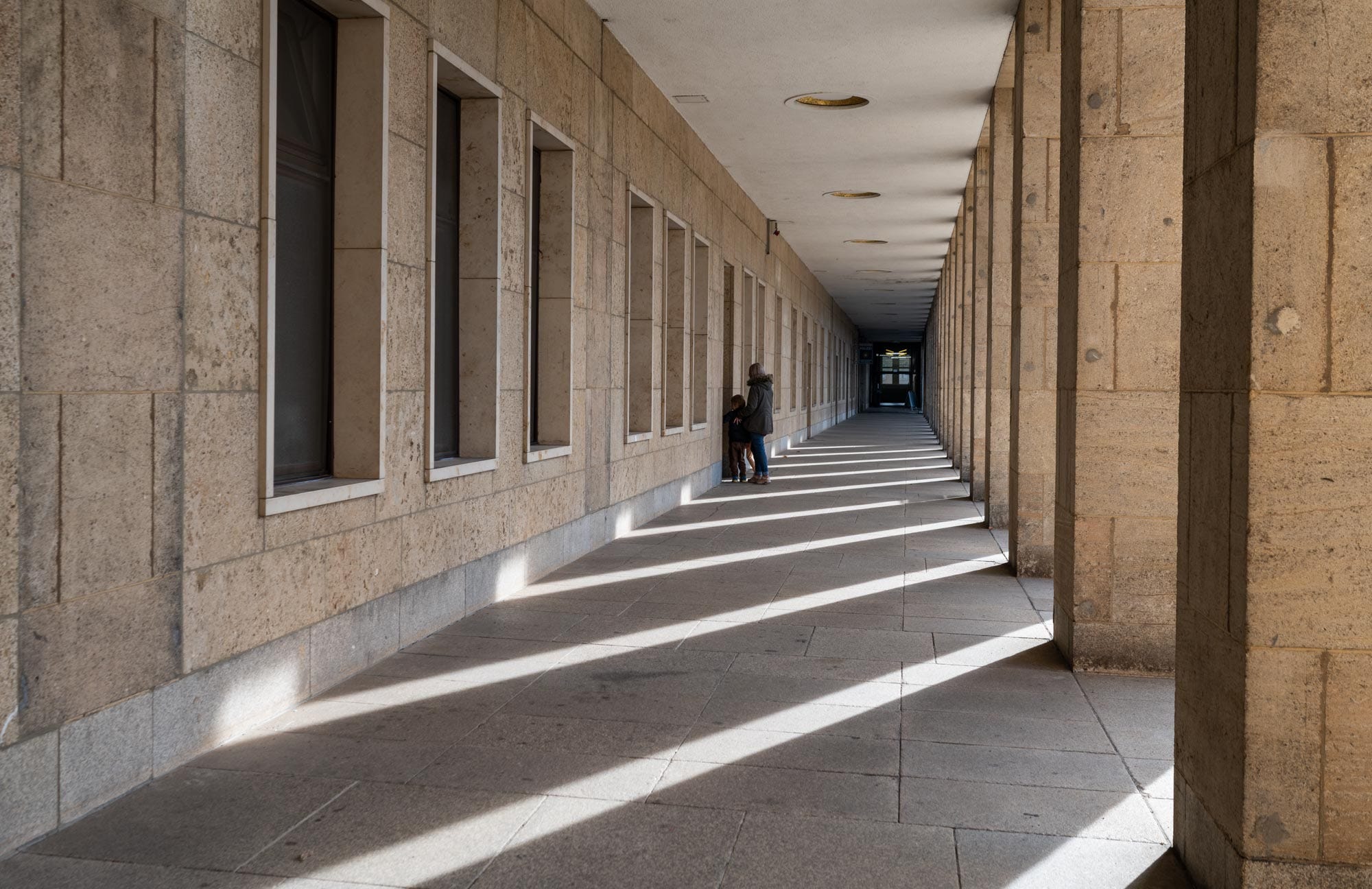
Airport visitors were greeted by typical Nazi architecture. Square limestone in neoclassical style with phallic columns and tall windows. The layout of the 1.2 kilometer long terminal is curved, designed to resemble an eagle’s wings, and the main entrance was adorned with a giant aluminum eagle.
In itself, Tempelhof Airport is an architectural marvel by Nazi architect Ernst Sagebiel. In the grand scheme of things, the terminal was intended to convey to travelers that the perfect human being, the Germanic master race, reigned supreme here.
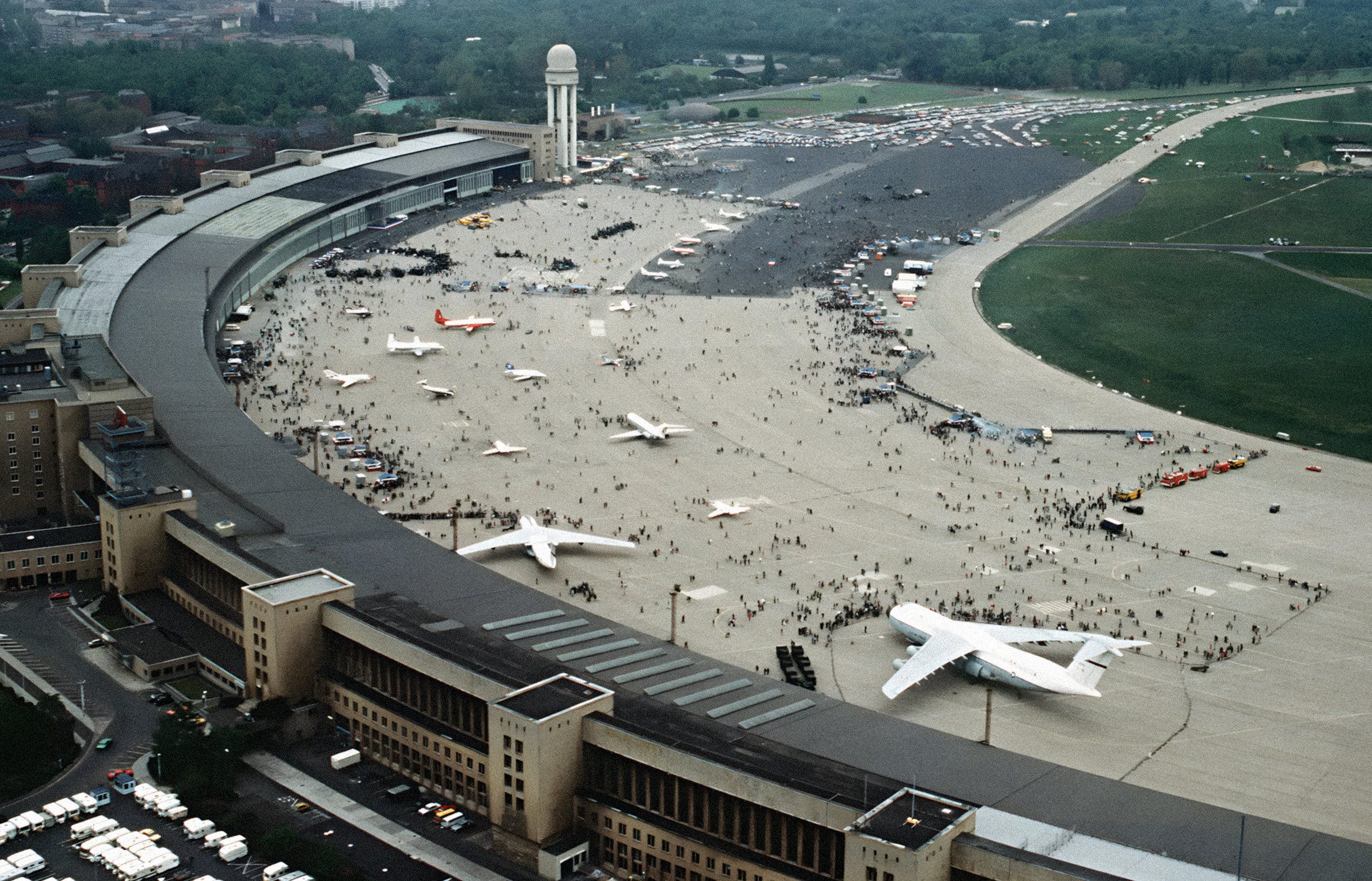
Even after the war, operations continued at Tempelhof Airport. Traffic at the airport peaked in 1971 with 5.5 million passengers during that year.
After the reunification of Germany and Berlin in 1990, Berlin had three airports. The world was changing, and time had caught up with the old airport in Tempelhof, which originally dated back to 1923. And in 2008, it was game over. The last plane took off from Tempelhof Airport on November 24, 2008, and today the airport is a museum.
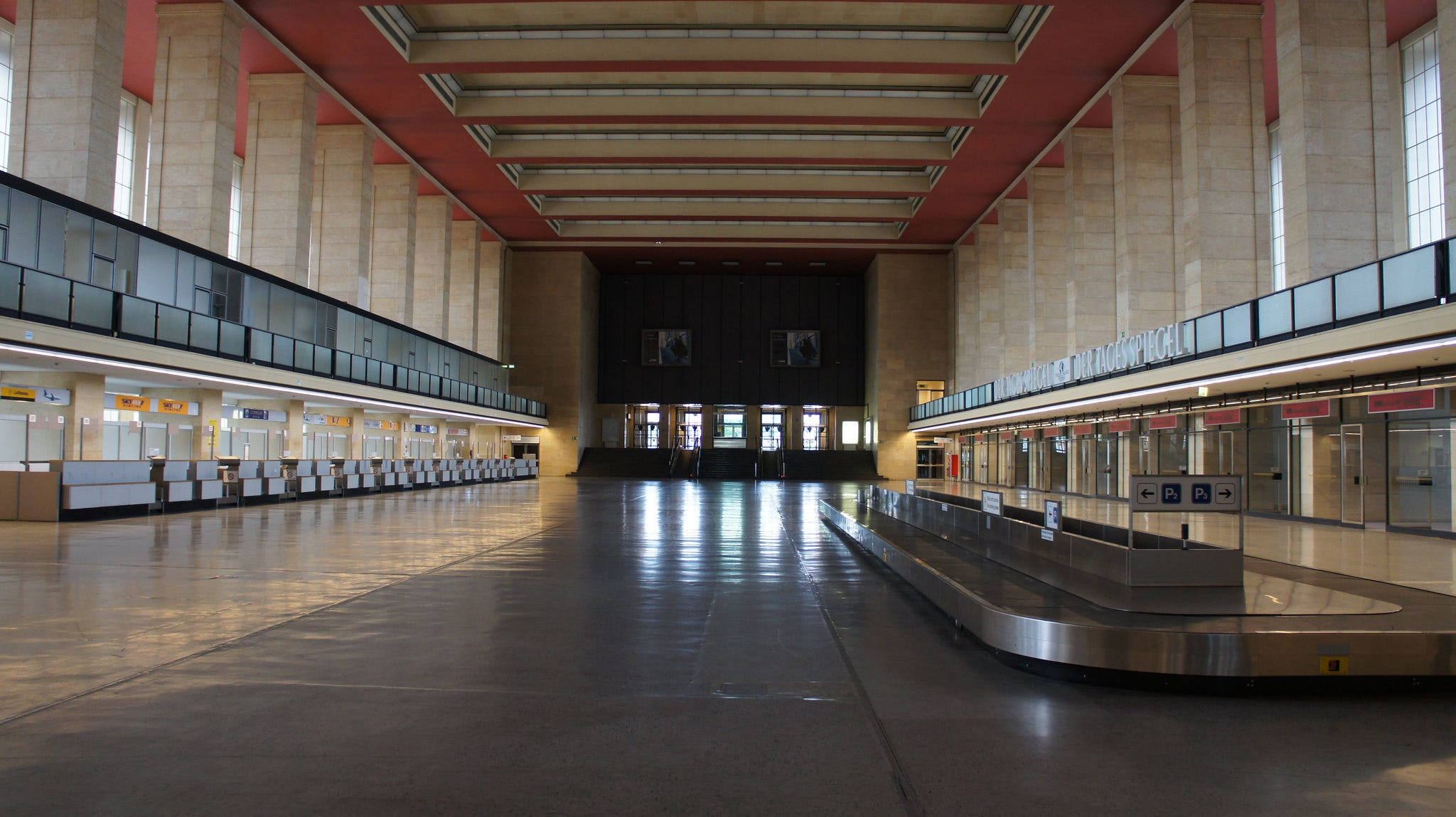
Here, visitors can take a tour and learn about Hitler’s insane plans for Tempelhof Airport to be the gate to the capital of the world, which ended in ruins in 1945. You can experience the magnificent architecture in the departure hall or go down to the air raid shelter below, which was built because dictators with grandiose ideas about themselves often end up making enemies and starting wars.
The runways are now Berlin’s largest park. An open space where Berliners hang out on the grass or rollerblade or skateboard where passenger planes and Luftwaffe bombers once took off and landed.
Comments
Nothing yet. Say the first thing.
Sign in to join the conversation.