
In every country’s history, there are events that change the future. This is also true of Germany, and coincidentally, many of these events took place on November 9.
Some of these events changed Germany for the worse, others for the better. Let’s start with an event that falls somewhere in between. We have to go all the way back to the 19th century.
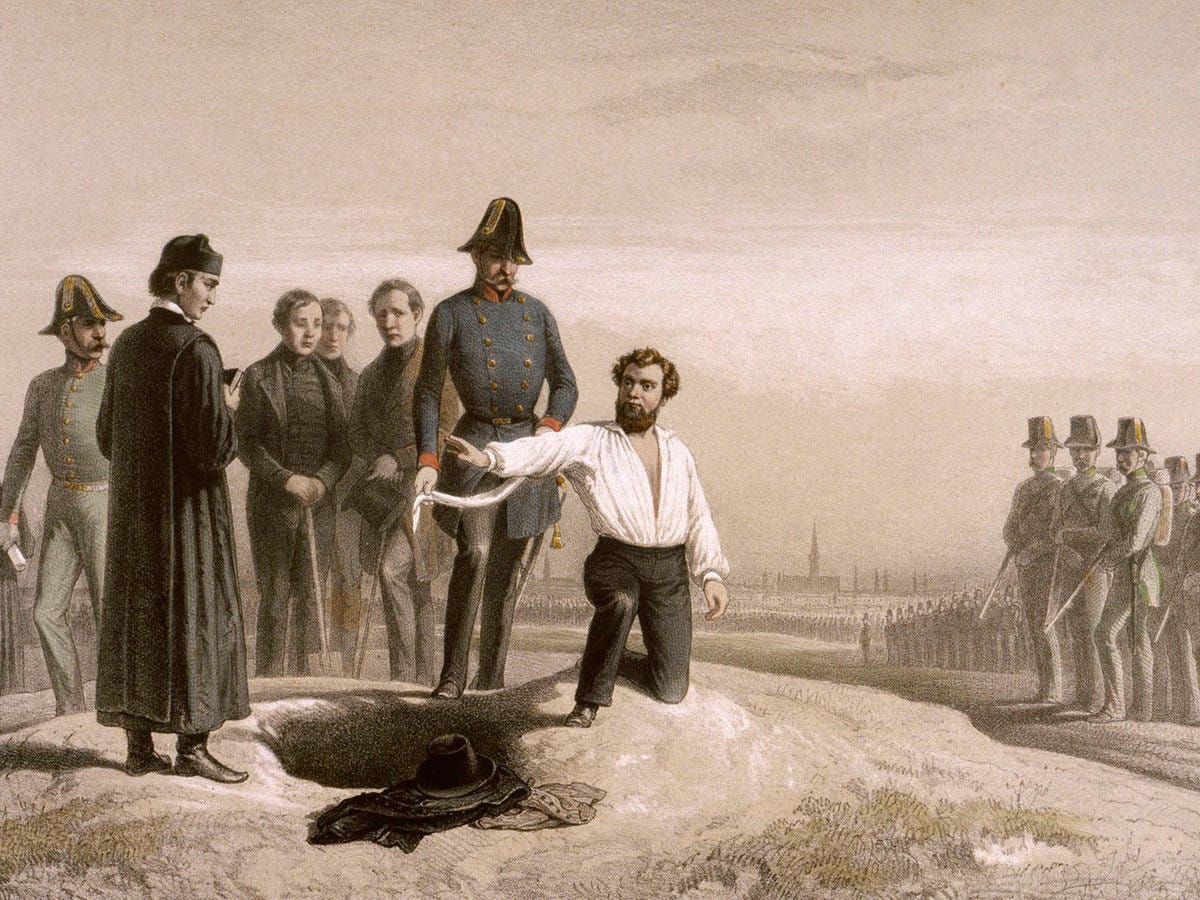
November 9, 1848: The execution of Robert Blum
Robert Blum was a member of the National Assembly of the German Confederation. He was also an writer and publisher. And a democrat, not least.
As a member of the National Assembly, he loudly criticized the rising anti-Semitism in Prussia. He also campaigned for gender equality and opposed the authoritarian rule in the Prussian states.
During the March Revolution and the 1948 uprising in the German states, he spoke out strongly in parliament in support of the rebels and for the parliamentary system. When the revolution reached Vienna in October, he happened to be on a legislative trip to the Austrian capital.
He joined the rebels but was arrested along with several others on November 4. Five days later, he was executed by firing squad. His last words were:
“Ich sterbe für die Freiheit!” (I die for freedom!)
The revolution was crushed the following year, and democracy did not arrive until the next event in 1918.
November 9, 1918: The November Revolution and the formation of the Weimar Republic
It is the final days of World War I. Workers and soldiers start a rebellion against the German Empire. The spark that ignites the revolution is the suffering that the Germans are forced to endure because of the war.
The revolution breaks out in October in the German port city of Kiel, and within a week the uprising has spread to the rest of the German Empire. It culminates in Emperor Wilhelm II abdicating and fleeing to the Netherlands, and on November 9, 1918, the new democratic Weimar Republic is proclaimed. Twice, in fact.
The one proclaiming the new republic is Social Democrat Philipp Scheidemann from the window of the Reichstag building. He shouts: Long live the German republic.
Later that day, socialist and pacifist Karl Liebknecht proclaims the Free Socialist Republic of Germany from Lustgarten in front of the emperor’s palace.
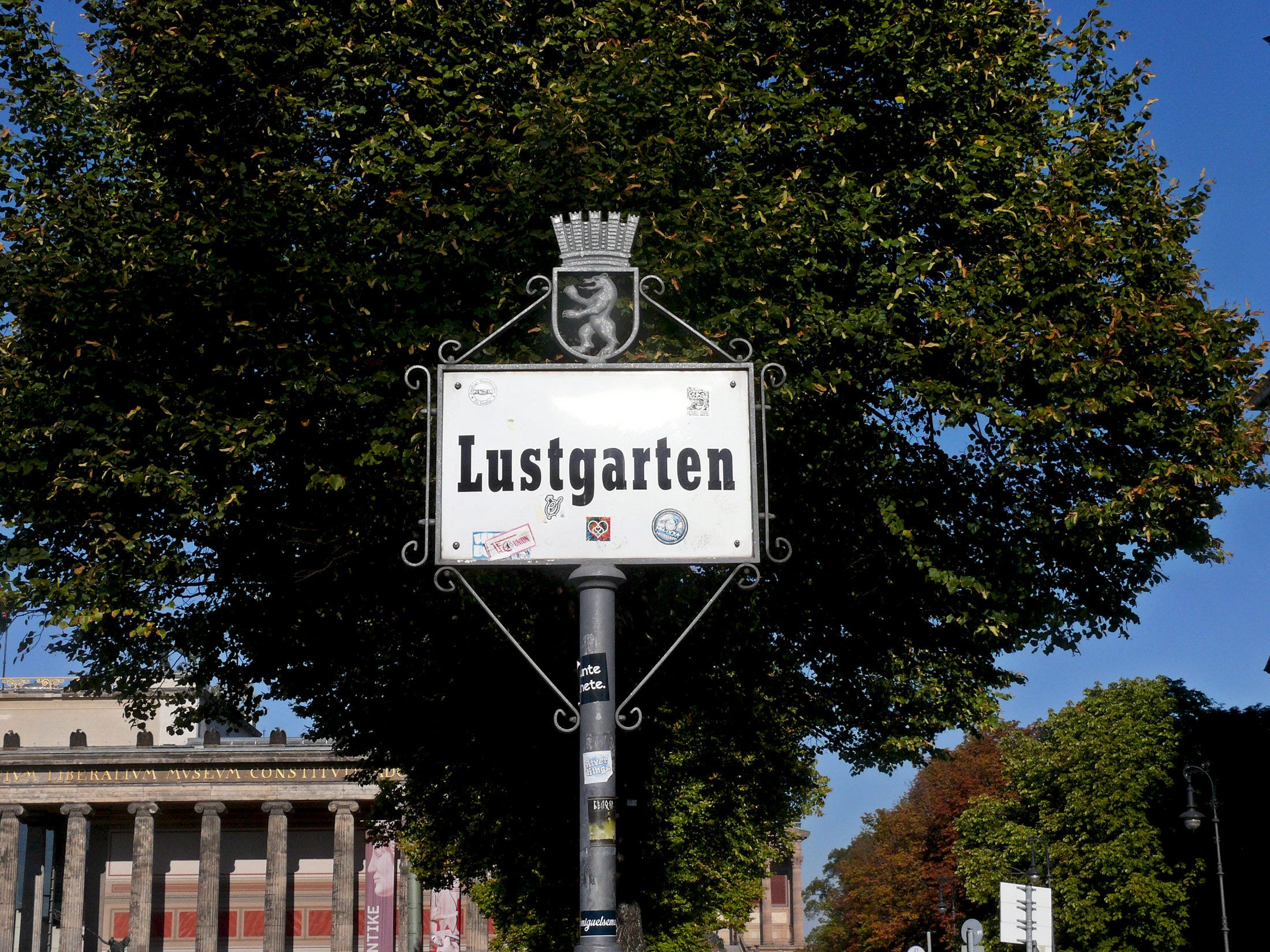
Liebknecht led a movement that wanted a government reminiscent of the Soviet council government under Lenin. Others do not see a socialist republic as the future, and the two proclamations of the republic are balanced on a knife edge.
Like Liebknecht, right-wingers in Germany have been sharpened their knives, and the two leading figures of a socialist state, Karl Liebknecht and Rosa Luxemburg, are captured and executed by a paramilitary group in January 1919.
Germany has finally achieved democracy, but there are forces within the population that are prepared to overthrow it, which brings us to the next major event on November 9.
November 9, 1923: The Beer Hall Putsch
A growing movement of conspiracy theorists has convinced themselves that the German people are descendants of the inhabitants of the legendary sunken city of Atlantis. Now they are approaching the Bürgerbräukeller in Munich.
It is November 8, and inside the beer hall, Bavarian Prime Minister Gustav Ritter von Kahr is giving a speech to those in attendance.
The leader of the conspiratorial movement is none other than Adolf Hitler. He is accompanied by other top figures from the Nazi Party, including Rudolf Hess. Outside, 600 stormtroopers have surrounded the beer hall.
When Hitler enters, he fires a pistol into the ceiling and declares that the Bavarian government has been overthrown and that the national revolution has begun.
Hitler is also flanked by high-ranking military figures who are drunk and inattentive, and these individuals are not keeping an eye on the Bavarian military as agreed.
The coup fails, and after midnight the Nazis are chased towards Marienplatz in central Munich, where several are shot by Bavarian soldiers.
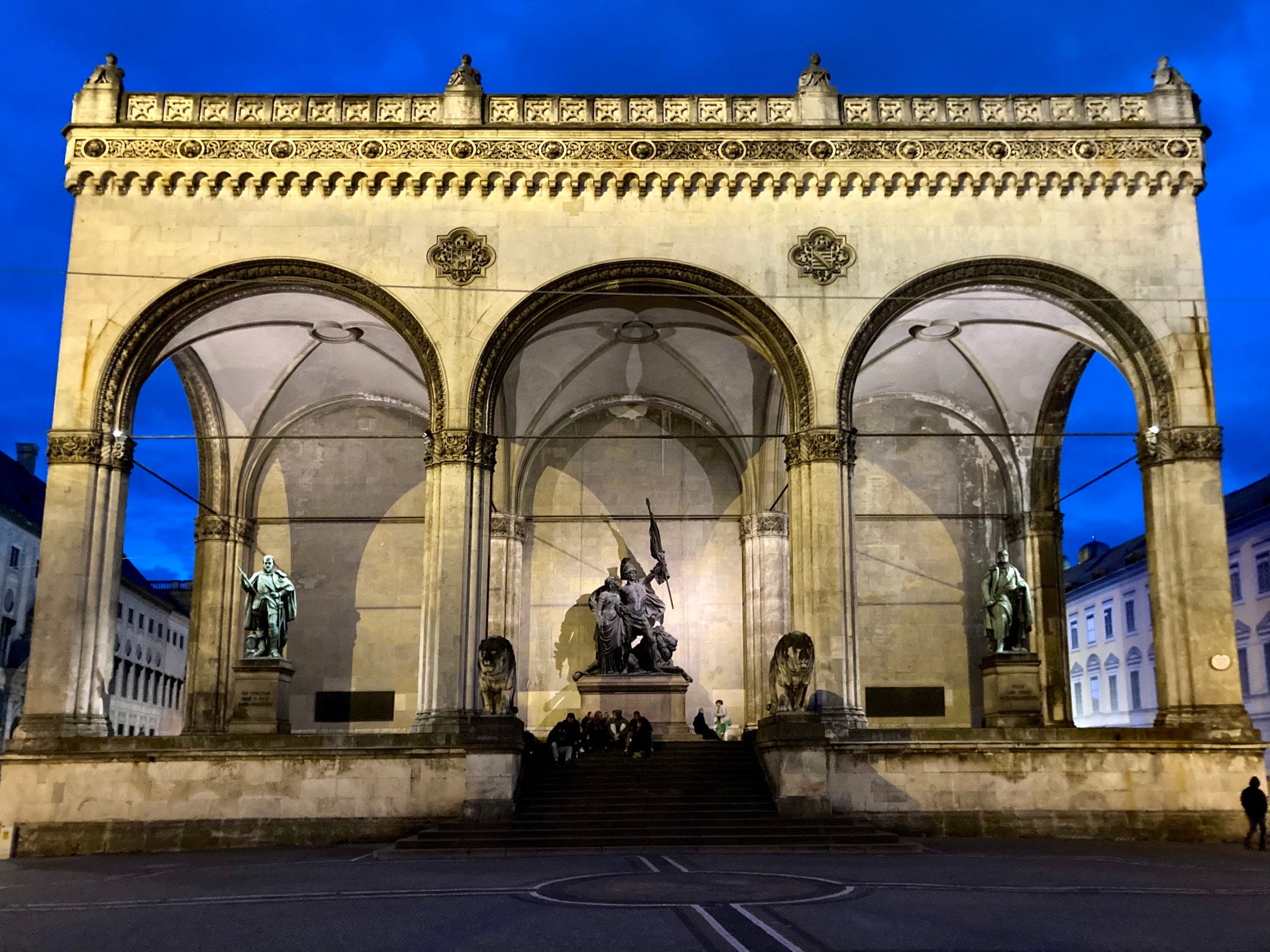
Hitler and Hess are arrested on November 9 and sentenced to five years in prison for high treason.
During his imprisonment, Hitler writes the book Mein Kampf with the help of Hess, which becomes the ideological foundation for the next November 9 in German history.
November 9, 1938: The November pogroms or Kristallnacht
It is evening, and several Nazi organizations have gathered. Stormtroopers, SS soldiers, and Hitler Youth are targeting synagogues and Jewish-owned shops. And Jews too, and they are using violence.
Armed with sledgehammers, they smash the windows of Jewish businesses and set fire to synagogues in Germany, Austria, and the Sudetenland. Gravestones in Jewish cemeteries are torn from the ground, and Jews are subjected to brutal violence.
On the evening of November 9, 1938, and the night that followed, 91 Jews were killed. Nearly 1,700 synagogues were destroyed, and more than 7,000 Jewish businesses were vandalized.
At the same time, around 30,000 Jews are arrested and sent to concentration camps.
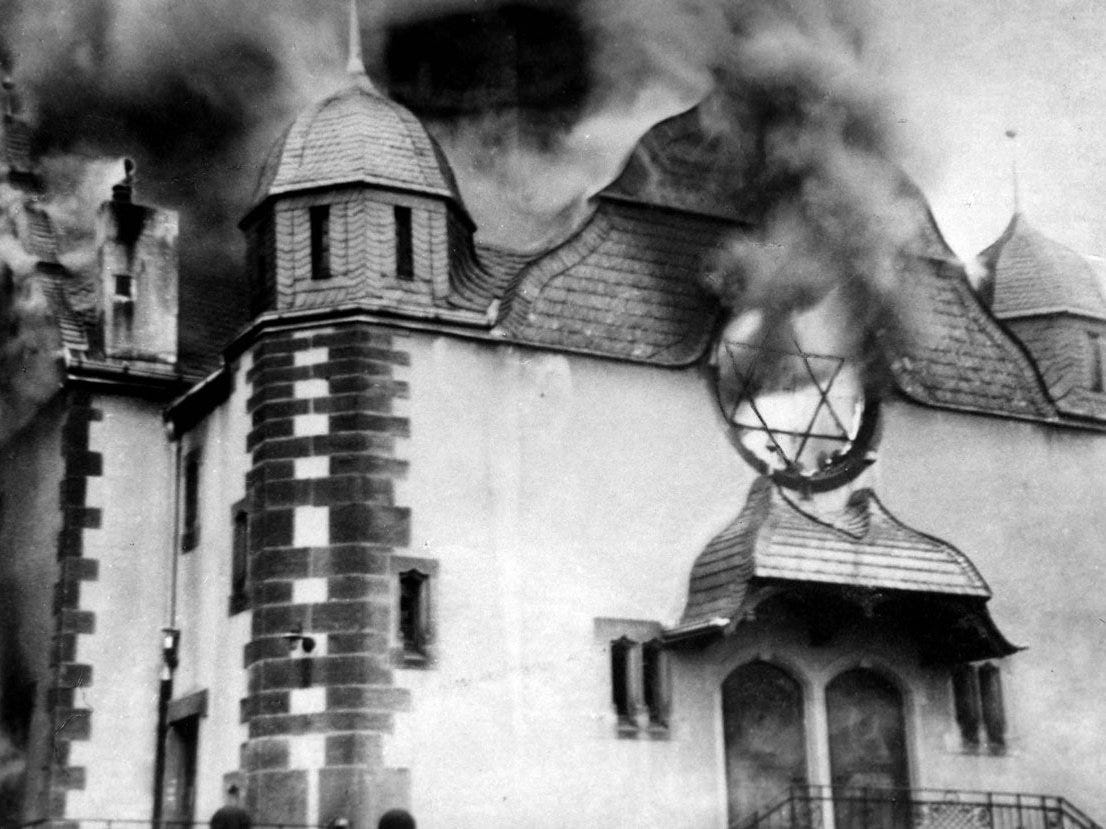
The name Kristallnacht comes from the shards of glass that littered German streets after the destruction.
All the violence that took place that evening became a precursor to the Holocaust, where Jews were sent to extermination camps and murdered in German-occupied Poland during World War II.
However, Germany loses another world war, and after the war, Germany is divided into two sovereign republics. And that is the beginning of the fifth momentous event on November 9 that the Germans will experience.
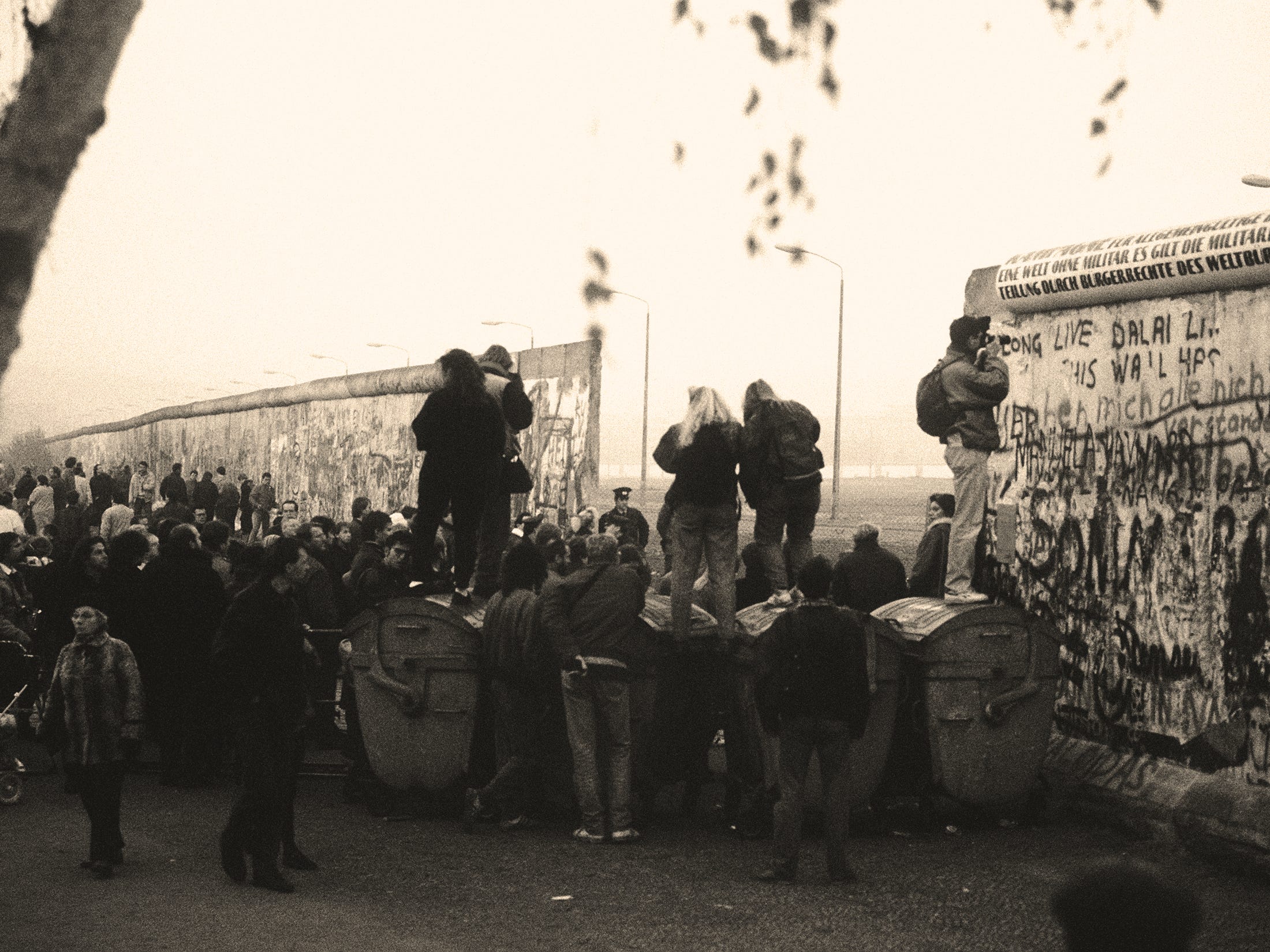
November 9, 1989: Fall of the Berlin Wall
Another revolution is brewing in a country that has already experienced several revolutions. This time it is in East Germany, where the so-called Monday demonstrations for freedom have been held for three years now.
The year is 1989, and the Eastern Bloc is already disintegrating, but the regime in East Germany maintains its one-party system and its firm grip on the population.
However, the regime has also seen how other dictatorships in Eastern Europe have fallen one after another, and they are implementing a series of reforms to give East Germans more freedom to travel outside the country. East Germans just don’t get democracy.
The border crossings between East and West Berlin also remain closed, and the Monday demonstrations culminate on November 4 at Alexanderplatz, where around 200,000 demonstrators gather. It is the largest demonstration in the history of East Germany.
The reforms continue, and at a press conference on November 9, 1989, where new regulations are presented, press secretary Günter Schabowski is handed a note. The note concerns a new political proposal to open the border crossings in Berlin.
A journalist asks him when it will come into effect, and Schabowski, unaware, replies:
“Immediately and without delay.”
The Germans watch live on television, and in East Berlin they rush out of their homes and head for the nearest border crossing in the Berlin Wall.
At first, the border guards refuse them entry to West Berlin, but at one point the pressure becomes so great that the barrier at Bornholmerstraße is lifted. On the other side of the border crossing, the East Berliners are welcomed by West Berliners who have gathered there.
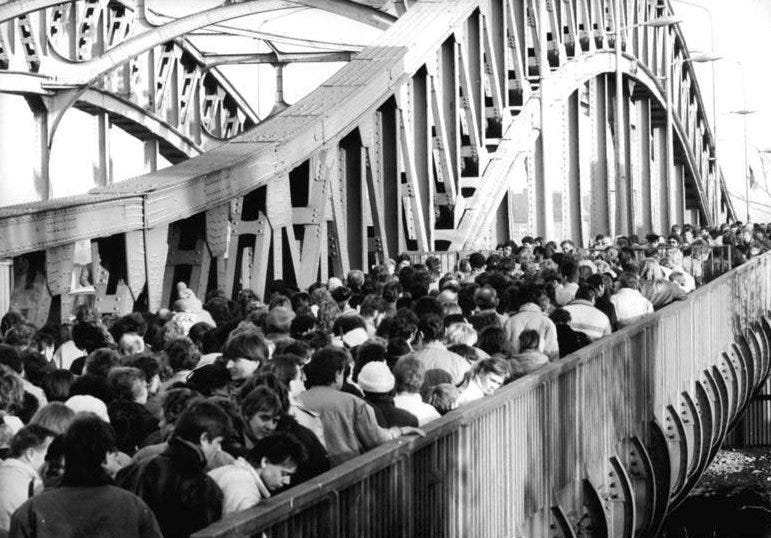
There was now no turning back for the East German regime. The Berlin Wall fell that evening, and a few months later, the first and only democratic elections in East Germany were held.
But there is one more event that took place (almost) on November 9.
November 8, 1939: Bürgerbräukeller Bombing
Although this event takes place on November 8, it is closely related to the Beer Hall Putsch on November 9, 1923. And that is why you are also getting this story.
Every year on November 8, after the Nazis seized power in Germany, Hitler traveled to Munich and gave a commemorative speech for the Nazis who lost their lives at Marienplatz in 1923.
Georg Elser also went to the Bürgerbraukeller in Munich on November 8, 1938. He had murderous plans that needed to be prepared. Elser worked for a weapons factory, and he had made a bomb that was supposed to kill Hitler and stop World War II.
He scouted the location so he knew exactly where and when the bomb should be detonated. And the bomb was also ready and waiting right next to Hitler’s podium in the Bürgerbraukeller on November 8, 1939.
Hitler was supposed to return to Berlin after his speech, but his flight was canceled, so he traveled by train instead. Due to Hitler’s extra-long travel time, he gave his speech earlier than planned and shorter than his endless speeches usually are.
However, the bomb went off as Georg Elser had planned, but at that moment Hitler was sitting in a train on his way to Berlin. The bomb killed eight people and injured another 62.
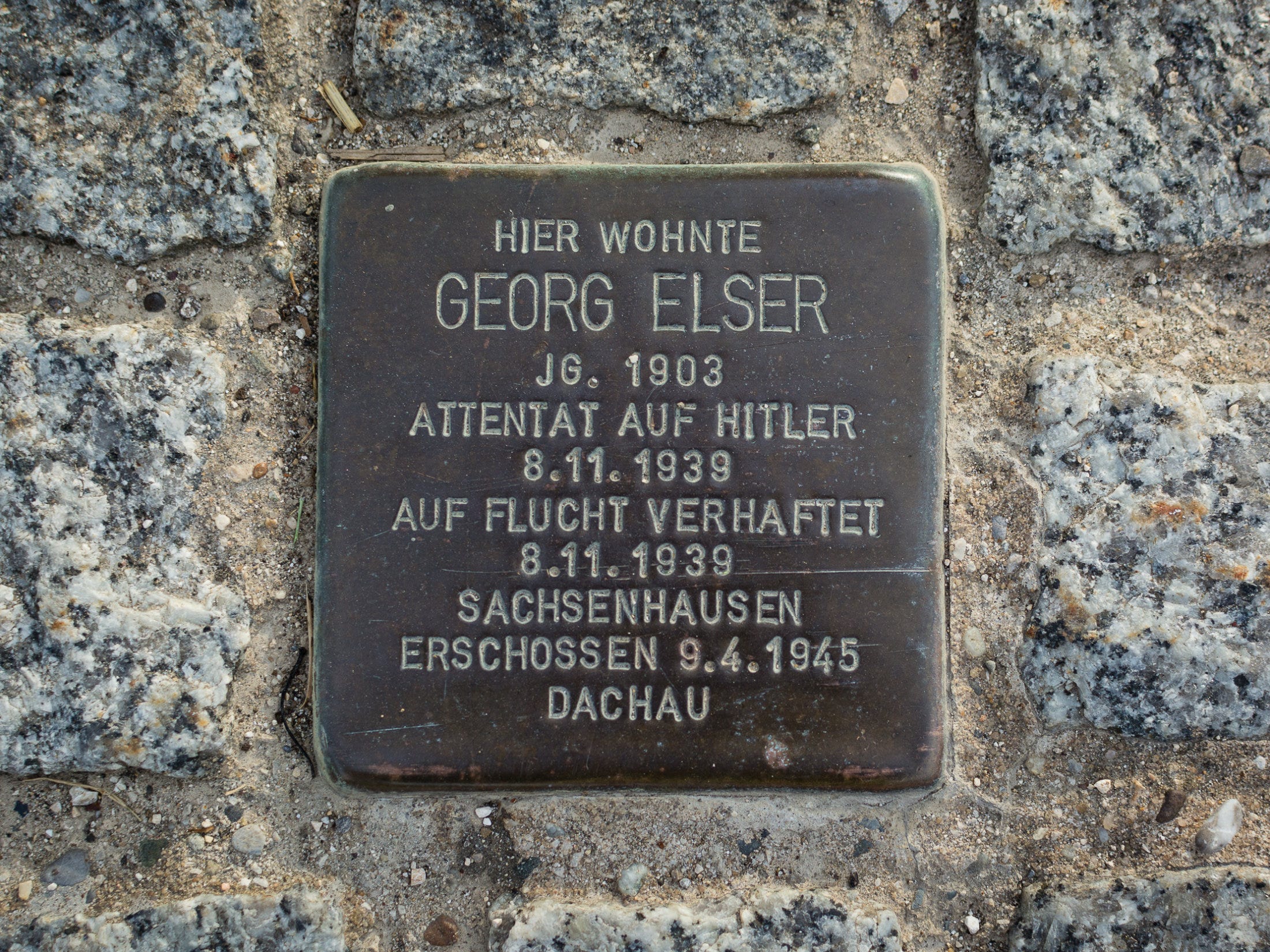
Elser was caught and sent to the Sachsenhausen concentration camp. He was executed there on April 9, 1945, and three weeks later, Hitler committed suicide in his bunker. A few days later, Berlin was liberated by Soviet troops, and World War II came to an end in Europe.
Comments
Nothing yet. Say the first thing.
Sign in to join the conversation.