Built to Sell Radio is a weekly podcast for business owners interested in selling a business. Each week, we ask an entrepreneur who has recently sold a business why they decided to sell their business, what they did right and what mistakes they made through the process of exiting their business. Built to Sell Radio is the ultimate insider's guide to approaching the most important financial transaction of your life.
Dane Pan and his wife built Monet Brands to $1.3 million in revenue with two employees, selling a $24.99 skincare tool that cost them $6.10. When they took the company to market in 2025, nine buyers cleared the proof-of-funds screen and four of them wrote an LOI. The best offer came in close to four times SDE with a holdback attached. Dane countered for all cash at close, watched two of his four…
One of the fastest growing groups of acquirers is the self funded searcher. A searcher is not a competitor nor a private equity group. A searcher is usually one person, often recently out of an MBA program, who puts ten to twenty percent down from personal savings, borrows the rest from a bank, often asks the owner to finance part of the purchase price, and signs a personal guarantee for the debt.…
In 2016, Janessa White and her business partner started Simply Eloped, a marketplace that planned elopements and small weddings for couples in 35 cities across the United States. They also decided, before they had a single customer, which company they wanted to sell it to. The Knot Worldwide, the largest wedding platform in the world. Over the next seven years, White told The Knot exactly that,…
There are four types of financial buyers who might make an offer on your business, and more often than any other type, the one approaching you is an independent sponsor. It is an unhelpful label for a group that raises the money for a deal only after the seller has signed an LOI, which is also when the seller's leverage is at its lowest. Travis Jamison runs Capital Pad, where investors fund…
One day, you're going to sell your business, and when you do, you'll experience a step function increase in your net worth. Navigating that moment is something Adam Katz has spent his career helping owners do. He spent twenty years at Merrill Lynch as a Private Wealth Advisor to ultra high net worth families before he and his team left in 2018 to build KORE Private Wealth, an independent firm that…
If you own a company, chances are you're its best salesperson. Put you in a room with a prospect and you rarely lose. But listen to your employees try to tell the same story and something gets lost. You've tried hiring salespeople. You've tried training them. The selling keeps landing back on your shoulders, and when it comes time to sell, an acquirer will see it too. Expect an earn-out or an…
Jeff Church co-founded Suja Juice in 2012 with $300,000 and a green juice that had a four-day shelf life. Within three years, the company hit $70 million in revenue, and Coca-Cola and Goldman Sachs invested $150 million at a $300 million valuation. Then, two weeks after Coke flew its entire North American management team to Suja's plant, they passed on the option to buy the rest of the business,…
More owners than ever say they are simply tired. A look at 10,255 PREScore ™ assessments over six years found that 17.5% pointed to burnout, not retirement, as the number one reason they want out. So the question went to two people who spend their days on the buy side, valuing companies and deciding what to pay. Lee McCabe is a private equity veteran who advises PE firms on the businesses they…
What do you need to know before selling your business to an ETA buyer? Most owners have received the email. It usually starts with something flattering: "I love what you've built…" Then comes the ask: a quick call to learn more about your business. Increasingly, those emails are coming from ETA buyers — entrepreneurs using entrepreneurship through acquisition as their path into business ownership.…
Knowing what kind of seller you are turns out to be one of the most important things you can figure out before you ever take a meeting with a potential acquirer. There are three: the transactional seller who wants the money and the door, the transitional seller who wants to land the plane, and the transformational seller who sells to go bigger. Cameron Passmore built one of the largest independent…
"When I sell the company, then I'll be happy." Psychotherapist Jo Swann says that one phrase is the most reliable predictor of a miserable exit. She would know. She made her money in the 90s, retired to an oceanfront apartment in Borneo, and fell straight into an existential crisis. In this episode of Built to Sell Radio, part of our popular After the Deal series, Swann explains why the trap…
Every founder fixates on the multiple. Tim Hellebrand will tell you the (second) most important number on a letter of intent is the one almost nobody understands until it is too late: working capital. When Tim and his four brothers took their $105 million family appliance business to market, six letters of intent came back, and the spread between the lowest and the highest was 60 percent. Most of…
A lot of owners are losing sleep over AI right now. They watch search traffic erode, they see competitors automating, and they wonder if the business they spent twenty years building is quietly becoming obsolete. Jaryd Krause sees it differently. He's a buyer. And when he looks at a 20-year-old company run by an owner who is "scared of AI and selling because of it," he sees an acquisition…
When Sean Kernan wanted out of the financial advisor support business he co-founded in Dallas, he didn't shop it to outside acquirers, and he didn't wait for his five partners to make him an offer. He engineered the buyout himself. Three and a half months from the first conversation to the wire hitting his account, $500,000 in cash, no earn-out, no holdback. In this episode, you discover how to:…
There's an old idea in M&A called the Rembrandt in the attic. A company owns something valuable — a brand, a patent, a customer list, a data set — and nobody inside the business sees it for what it is. The right acquirer walks in, looks at the same asset through a different lens, and recognizes a masterpiece. Dori Yona spent six years and raised $14 million building what he thought was a price…
Aaron Leibtag was one of the most popular guests in Built to Sell Radio history. He sold his 15-employee bootstrapped healthcare AI company, Pentavere , for $15 million. Pentavere built AI to unlock patient data trapped inside PDFs and clinical notes years before large language models existed. The headline number was $15 million. What it did not reveal was the structure underneath. Part of the…
Boris Berenberg bootstrapped Atlas Authority, an Atlassian partner that resold Jira and Confluence to mid-market companies and built apps on top of the platform, to high seven figures in revenue with 18% net margins, then sold to private equity in May 2022. A year later he wrote a blog post titled "I regret selling my startup" that went viral inside the exited founder community.
Ret Taylor spent his entire adult life chasing a number. First it was $30 million. Then $10 million. Then $6 million. Then he sat in a tent at 18,000 feet on Denali with two Arctic storms closing in and realized the number was never the point. He came down the mountain, sold Ned, his natural remedies company, and now guides people through life transitions on multi-day vision quests in the…
At some point every founder needs to ask a simple question: is it better to own a big slice of a small pie, or a smaller slice of a bigger pie? In this week's episode, we hear from someone who chose a smaller slice of a bigger pie. Simon Lorenz co-founded Klara, a patient communication platform for medical practices, and raised roughly $32 million across six rounds of outside capital before…
Most founders think they're not great negotiators. John Richardson thinks they're wrong. Richardson has spent decades teaching negotiation at MIT's Sloan School of Management and before that at Harvard Law, where he was an associate at the Harvard Negotiation Project and co-authored foundational texts with Roger Fisher and Howard Raiffa . His new book is called Never Settle . In this episode, you…
Murray Kent had no background in electrical conduit fittings when he paid $40,000 for a four-person business that, as he put it, looked like a bit of a crack den. What he did have was Value Builder's 8 drivers -- pinned to the wall next to his desk as a literal road map for every decision he made. In this episode of Built to Sell Radio, you discover how to negotiate a clean exit with no earn-out…
Jay Richards spent five months deep in an acquisition process. He had a letter of intent. He had mentally checked out. He was planning what came next. Then issues surfaced in diligence and the deal collapsed. This week on Built to Sell Radio, Jay walks John Warrillow through the full story of selling Imagen Insights, a qualitative research platform with clients like Visa, Google, and Amazon, and…
David Sinkinson and his brother Chris built AppArmor over eleven years without taking a single dollar from outside investors. They bootstrapped it by running side businesses, plowing the profits back in, and staying lean through long sales cycles and compliance-heavy buyers. By the time they were ready to sell, they had over 250 universities on the platform and roughly $6 million in annual…
When Sharon Gillenwater built Boardroom Insiders, she was doing something nobody else wanted to do: manually researching the personal work styles, business initiatives, and habits of Fortune 500 executives so that enterprise sales teams could finally get a meeting with the C-suite. It was hard, painstaking work — and that was exactly the point. After more than a decade of bootstrapping, consulting…
Most founders approach a sale with one goal: get the highest price possible. But Mark Ferrer argues that focusing only on price can lead to the wrong deal, the wrong partner, and a painful transition after closing. In this episode of Built to Sell Radio, John Warrillow talks with Ferrer about what he has learned after moving from founder to buyer, and why every owner needs to know whether they are…
Most business owners assume their buyer will be a private equity group or a strategic acquirer. But if you run a smaller business in a niche category, the person most likely to buy you is an individual — someone who likes what you've built, can see a path to improve it, and is willing to put their own name on the line to finance the deal. This week on Built to Sell Radio, Joe Soelberg joins the…
Andrew McConnell built a SaaS company that helped vacation rental managers price homes like airlines using dynamic pricing based on demand . He eventually successfully exited, but not before learning the hard way that building a company and selling one require two entirely different skill sets. In this episode of Built to Sell Radio , Andrew walks through the pivot that saved his business, why his…
This episode is part of our Inside the Mind of an Acquirer series, and it unpacks the ETA (Entrepreneurship Through Acquisition) wave now flooding the market. For business owners, ETA is a double-edged sword. On the upside, more buyers courting you means more choice, more urgency, and more liquidity. On the downside, many ETA buyers are first-timers who lean on heavy leverage and seller financing.…
We often think of a "successful exit" as handing over the keys to a perfectly oiled machine—a business that is growing, profitable, and operationally sound. But what happens when the machine starts to sputter? What if the margins are too thin, the operations are exhausting, and you are simply burned out? It is easy to assume that a broken business model means a worthless company. But as this…
acasa helps peop le ru n a shared ho me w ithout the usual friction. It started as a simple way for housemates to track and split rent, bills, and groceries, then added payments and utility setup so households could manage recurring bills in one place. When Nick Katz tried to sell acasa on his own, the downside wasn't just a slow process. It created a setup where buyers had the leverage: they…
Nick Telson-Sillett and his co-founder built what you could call "OpenTable for bars and nightclubs" in the UK. Instead of chasing the US (the move most founders are told to make), they went big fish , small pond: dominate their home market first. That focus helped them build DesignMyNight into a business that sold for more than $40M. In this episode of Built to Sell Radio, Nick shares what…
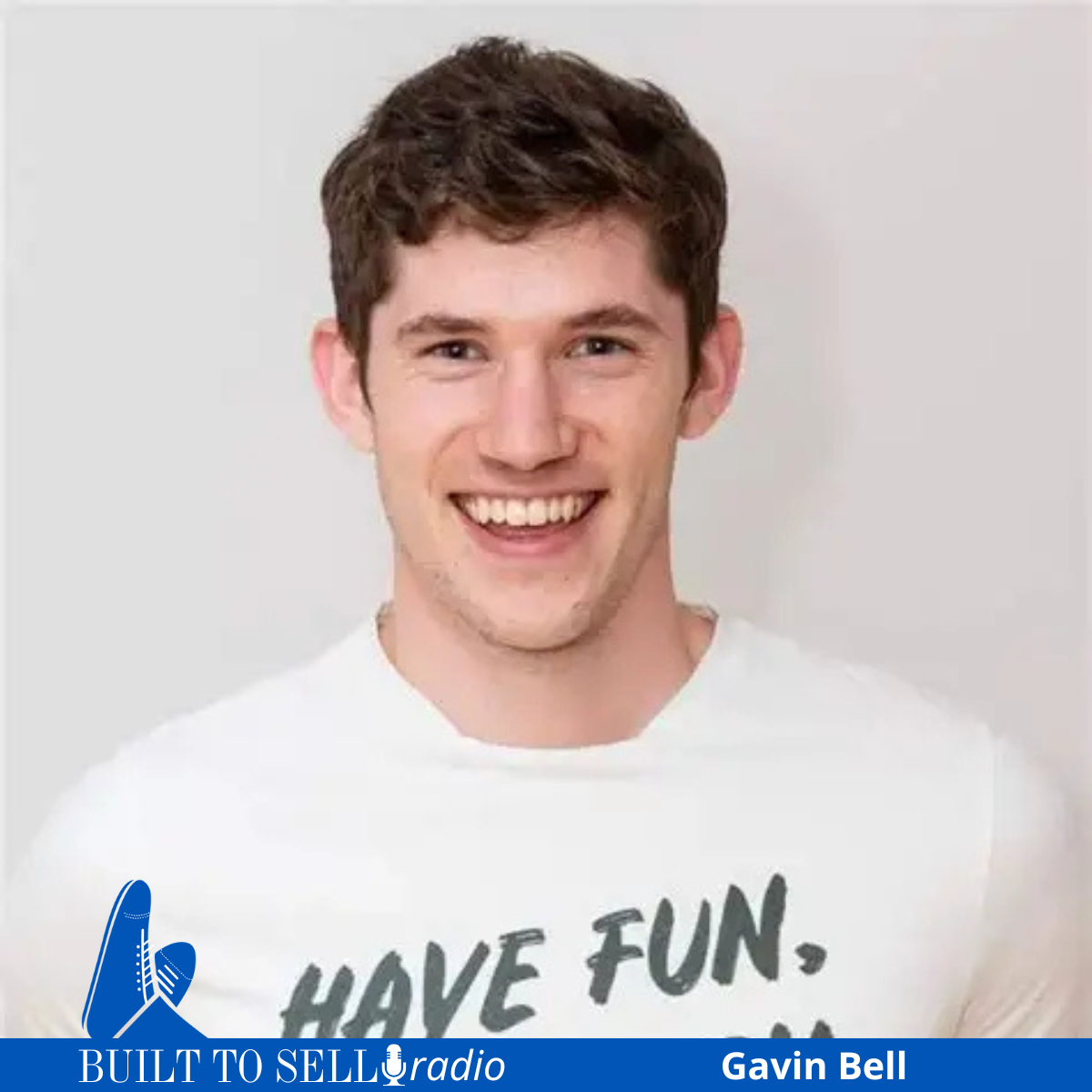
The fastest way to make a service company unsellable is building it around a personal brand. When clients hire you —because of your reputation, your name, and your specific expertise —you haven't built a business; you've built a high-paying job. And as Gavin Bell realized, you can't sell a reputation. Gavin was known as the "Facebook Ads Guy" in the UK. He was making good money, but he knew that…
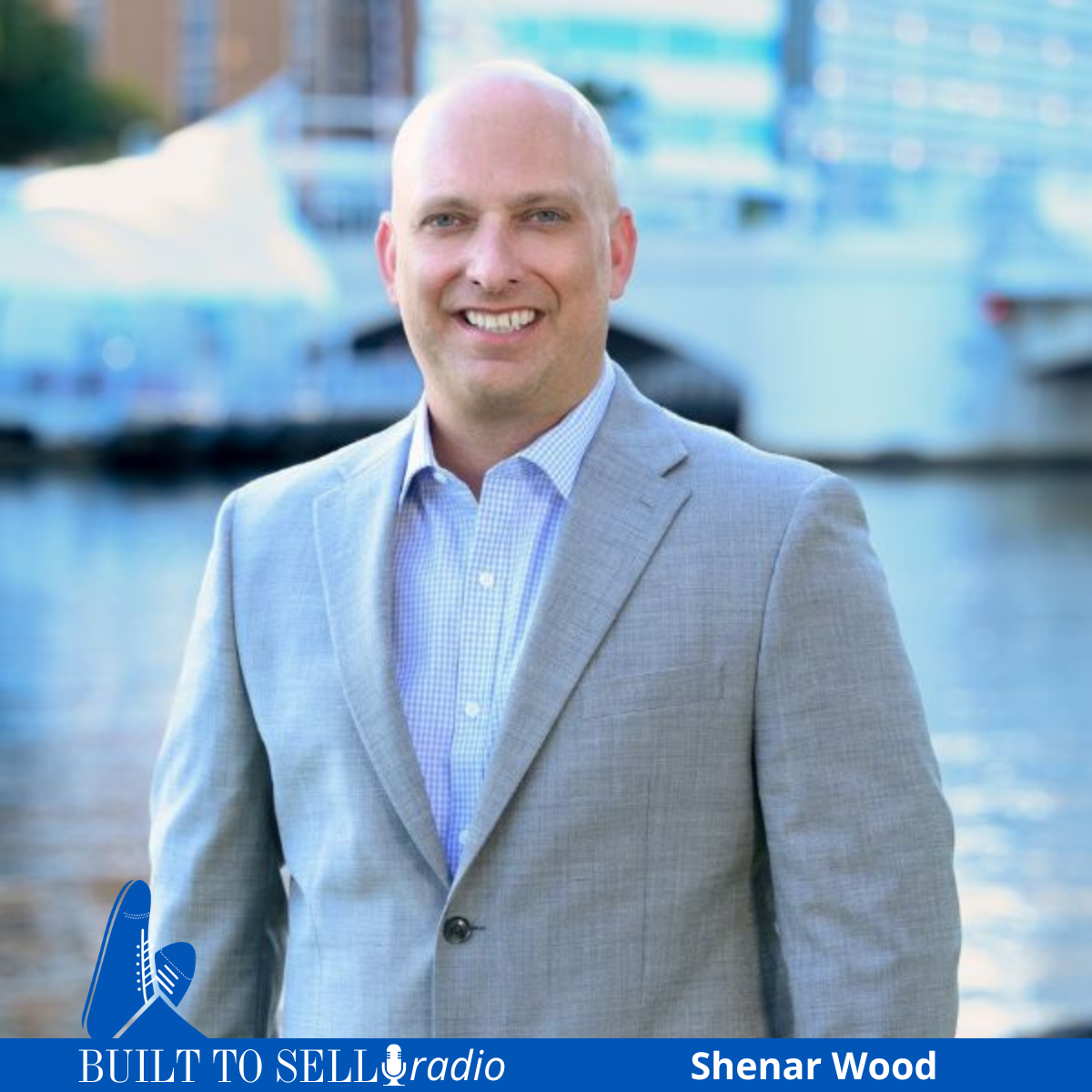
Some of the richest founders don't run trendy companies. They run dirty ones. The kind of work you'd never brag about at a dinner party, but that quietly throws off real money because it's hard, risky, and most people won't do it. This Built to Sell Radio episode follows Sh e nar Wood , who built an underground power business by taking on personal risk, earning trust job by job, and eventually…
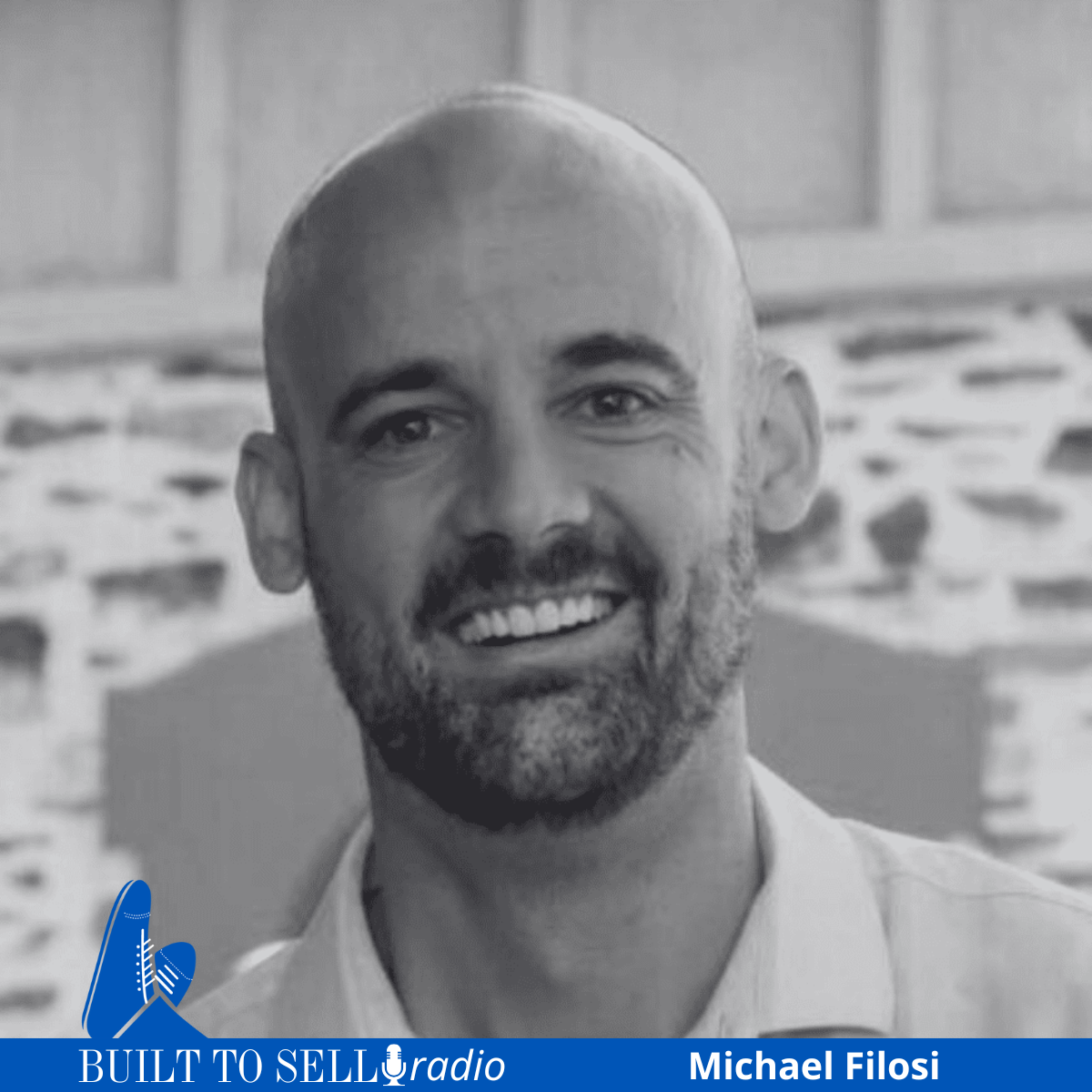
Most business owners hit a fork in the road. Stay "on the tools" and keep making great money. Or start feathering back your personal involvement so the business can grow beyond you. In this episode of Built to Sell Radio, Dr. Michael Filosi walks through how he made that shift in a dental practice, without jeopardizing cash flow. He didn't rip the band-aid off. He reduced his patient days one day…
Built to Sell Radio just dropped a year-end special that pulls the strongest moments from 2025 into one episode. Across four formats (Exit Story, Inside the Mind of an Acquirer, Mastering the Deal, and After the Deal), you discover how to Choose exit value over lifestyle income before comfort caps valuation Spot the "founder-dependent" trap that scares off serious buyers See how buyers price risk,…
If you're feeling a little queasy about the pace of change, you're not alone. AI is accelerating competition in almost every market, and it's making some business models feel irrelevant almost overnight . In this episode of Built to Sell Radio, John Warrillow talks with Ryan O'Leary, who saw a similar wave coming in payments when Shopify started bundling merchant processing into its plans. O'Leary…
Most experts who start a practice or studio end up trapped by their own success. The schedule is packed, the waitlist is long, but every dollar still depends on them showing up. In this week's episode of Built to Sell Radio, John talks to a physical therapist who turned a fully booked, owner-dependent practice into a boutique fitness business with recurring revenue, a second-in-command, and a…
In this episode of Built to Sell Radio, John Warrillow sits down with Ujwal Arkalgud , who built the same company twice. Chapter one was a classic problem: a profitable, founder-heavy services firm with impressive EBITDA but a ceiling on valuation. Chapter two began when he turned that service into a productized offering, transformed how customers bought his work, and ultimately sold for more than…
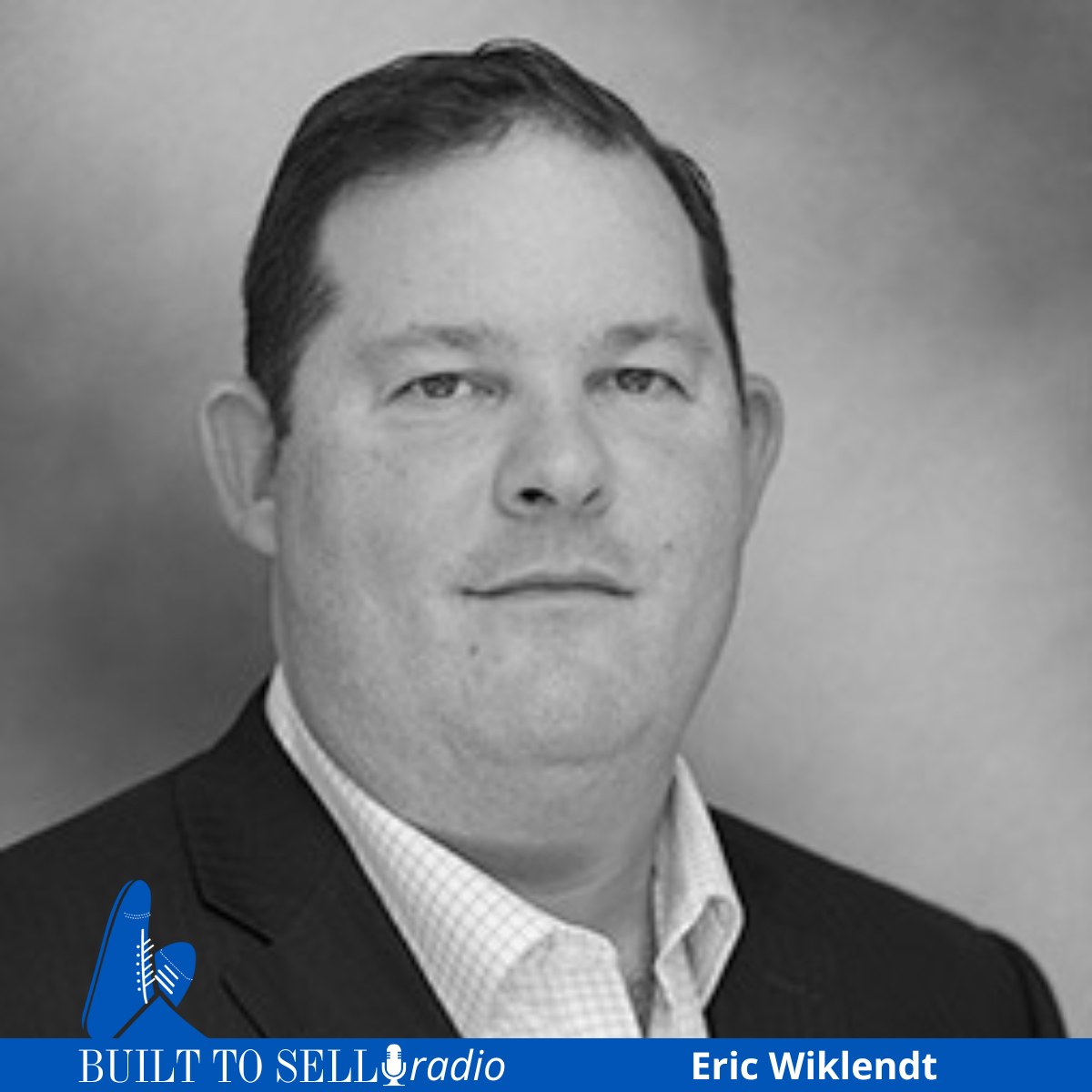
For many owners, private equity feels like a black box: a buyer shows up with a multiple, some debt, and a term sheet, and it is hard to tell whether you are getting a fair shake or being set up for a painful re - trade later. In this Inside the Mind of an Acquirer episode of Built to Sell Radio, John Warrillow sits down with Speyside Equity managing director Eric Wiklendt.
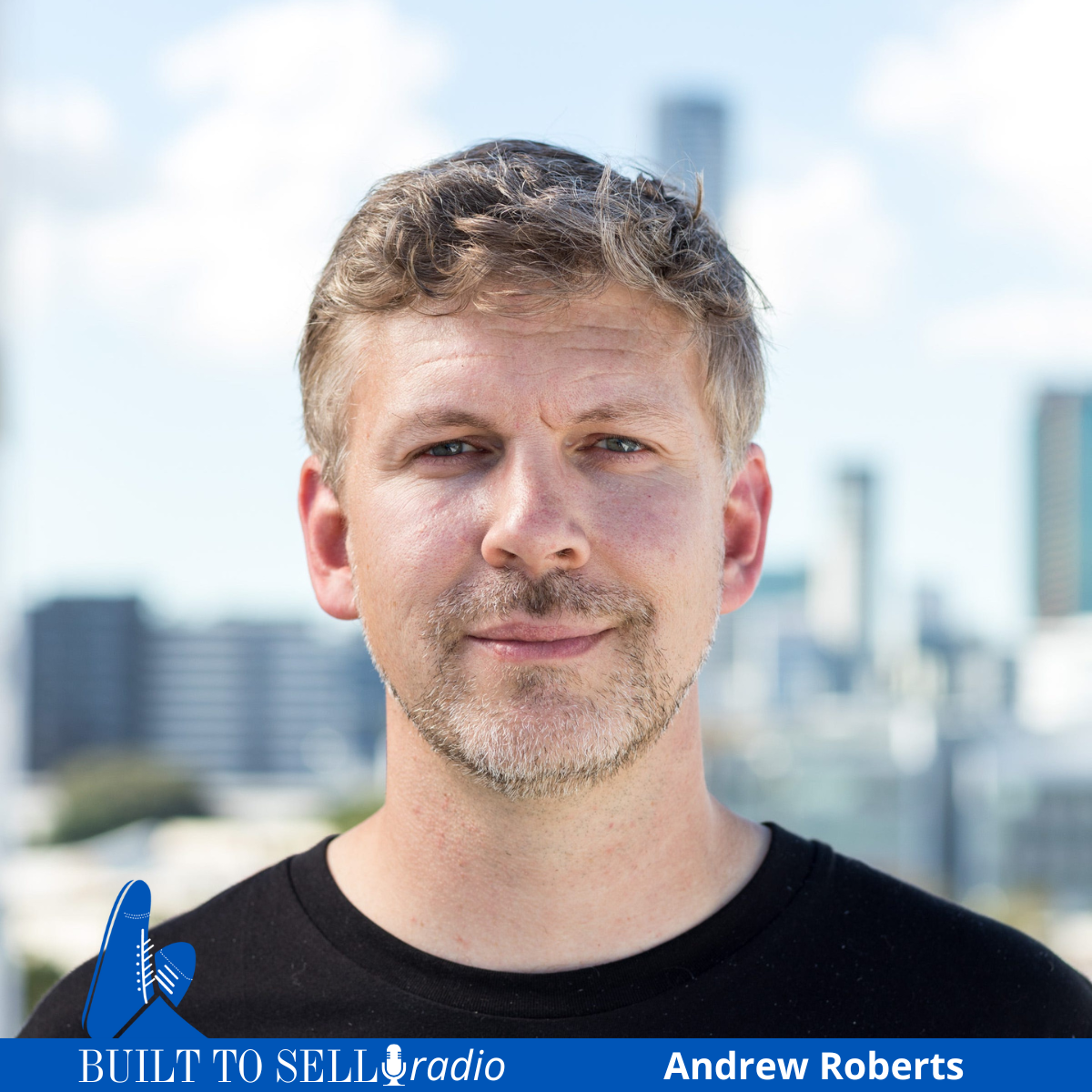
Andrew Roberts spent two decades turning a bootstrapped family company from Brisbane into one of the most widely used text editors on the web, then faced the hardest call of his career: keep a comfortable, profitable business or push for a bigger exit with venture capital and private equity in the mix.
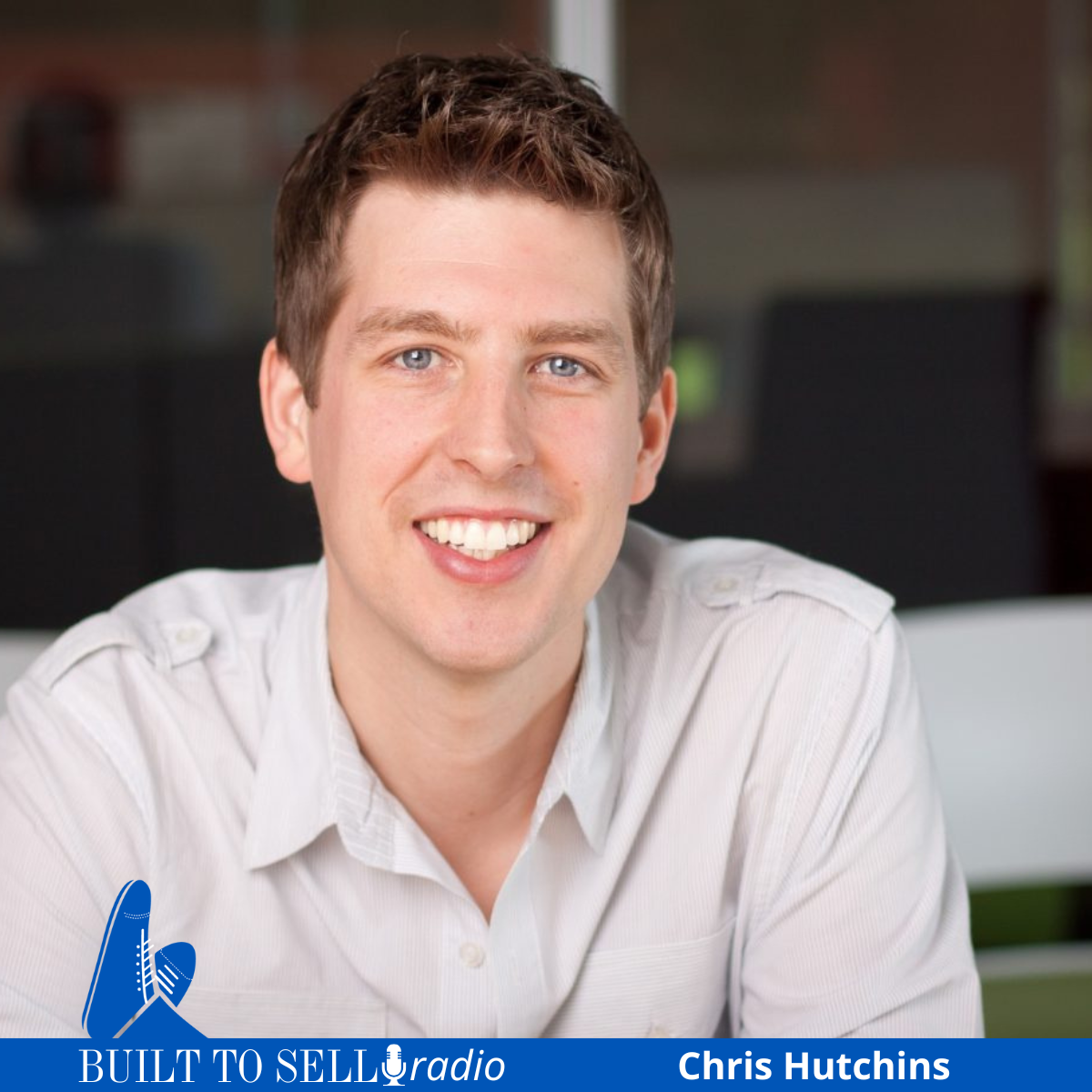
A strategic acquirer is a company buying to advance its own roadmap, distribution, or capabilities—unlike financial buyers (private equity, family offices) who buy primarily for cash flow. To a strategic, value may sit in what you've built, not what you've earned. Chris Hutchins' story makes the point. He co-founded Milk, acquired by Google, and later founded Grove, acquired by Wealthfront . Both…
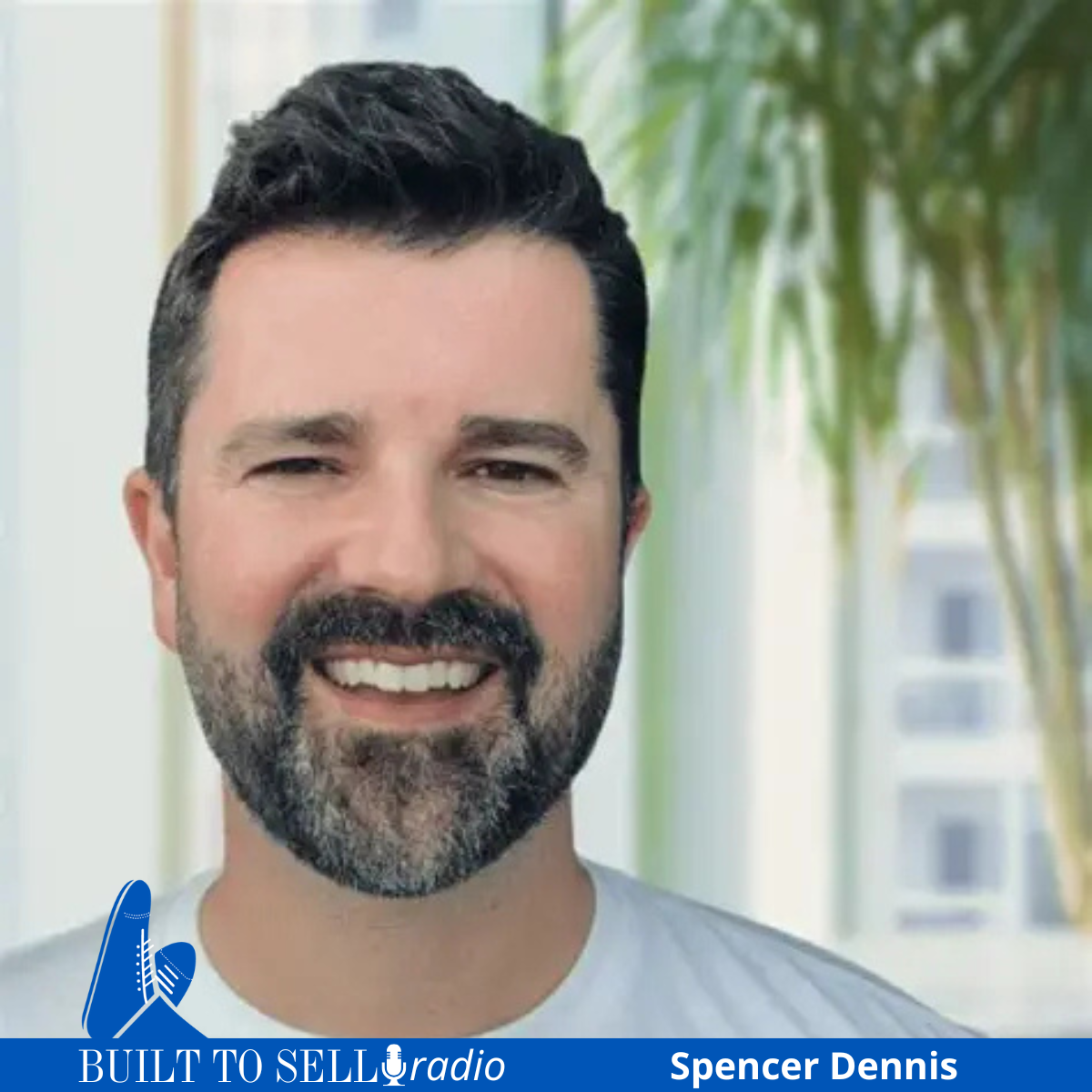
Spencer Dennis was an elite golfer whose playing career ended with spine surgery in his teens. He became a tour-level coach, running high-performance programs for juniors, college players, and pros. Managing parents, trainers, and recruiters through texts and email was chaos, so he built CoachNow to guide athletes between sessions. CoachNow caught on quickly with busy coaches. Then a run of…
If you're considering your endgame, you're probably looking at private equity. Most PE firms use a familiar formula: buy a majority stake and ask the owner to "roll equity"—re-invest part of the proceeds—into the newco they're building. The downside: you become a minority shareholder in a business you no longer control. There's another path: growth equity, which lets you take chips off the table…
If you've ever noticed those ads inside a mobile game, you have Zain Jaffer to thank. He co-founded Vungle and helped popularize rewarded video ads—the ones that revive your character or hand you in-app currency after you watch. In this Built to Sell Radio episode, Zain explains how he rode the smartphone wave to a $780M all-cash exit to Blackstone—and why he personally took home more than $100M.…
Most cities have a problem: what to do with cars that get towed and never picked up. They pile up in impound lots—taking up space and tying up cash. Stan Markuze helped solve that problem by co-founding Joyride Auto , an online auction platform where repair shops, scrap dealers, and car enthusiasts can buy those abandoned vehicles directly from the lot. In this episode, Stan shares how he and his…
After a 23-year journey building Non-Linear Creations into a marketing giant with more than 120 employees, Randy Woods sold it in 2017 to Valtech. Valtech is a distinguished digital agency offering marketing, digital technology, and business transformation consulting services. Post-sale, Woods now serves as the SVP of Strategic Growth Opportunity at Valtech, a role dedicated to identifying…
Today's episode of Built to Sell Radio is part of our Inside the Mind of an Acquirer series. John Warrillow interviews Lee McCabe, a former Meta and Alibaba executive turned private equity investor—now an advisor helping PE firms modernize how they create value. McCabe argues the old model of buying cheap, piling on debt, and hoping for multiple expansion is over. Interest rates are up, LPs are…
Dave Sifry has founded nine companies, including Technorati and Linuxcare , raising more than $170 million along the way. In this episode of Built to Sell Radio, he reveals how he went from being worth more than $100 million on paper to watching that value disappear — and what he'd do differently if he had the chance again. Despite those scars, Sifry has built an extraordinary career. He has…
In 2006, Tad Fallows and two friends spotted a problem inside Harvard's cancer labs: researchers were spending more time managing freezers, fruit flies, and mice than actually doing research. They built iLab, a SaaS tool for universities and hospitals, bootstrapped it to high–7-figure ARR, and eventually sold to Agilent Technologies for roughly six times revenue. But the journey wasn't smooth.…
Ronan Berder built Wiredcraft to 140 people, then sold to Publicis for a reported 67 million euros. This Exit Story traces the moment he walked away from Techstars and a product dream to double down on services—and why that decision paid off.