
One of the most common, and most important, questions I hear from families considering El Salvador is about education.
And for good reason.
Whether you already have kids or you’re planning to start a family here, education isn’t just a checkbox. It’s foundational. The right support structure can elevate your entire experience. The wrong one can quietly grind you down over time.
That’s why I was genuinely excited to learn about some serious education initiatives taking shape here in El Salvador.
I was fortunate to speak directly with the founders of Acton Academy El Salvador and Playa Vida Learning—two schools in operation built by people who intentionally chose El Salvador as a place to live and are actively raising families here.
Their models include real-world skill building, critical thinking, entrepreneurship, and character development.
Today, I want to share some reflections from those conversations.
If you’re someone curious about El Salvador and wondering where to start with education, this should point you in the right direction.
The Big Takeaway
Education optionality is very real in El Salvador.
What’s emerging here isn’t a single “new system,” but a landscape where:
The government has its own proactive approach to education
The independent sector is filling gaps in other areas
Families have more choice, not less
Acton Academy El Salvador
In my conversation with Shannon Falkenstein, founder of Acton Academy El Salvador, what stood out immediately was how intentional the school is about agency.
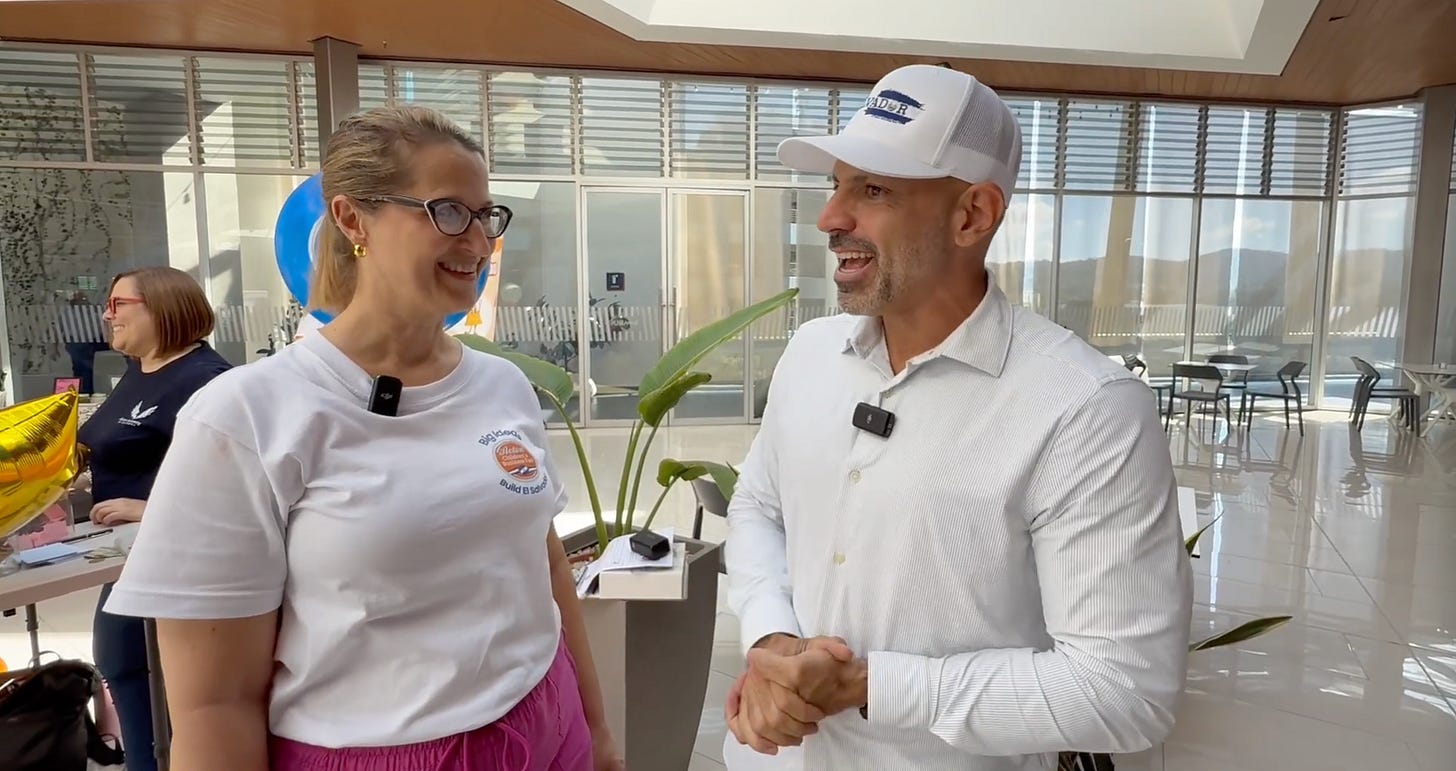
Acton Academy places entrepreneurship at the core of its philosophy—not as an extracurricular, but as one of the school’s pillars. The clearest expression of this is the Children’s Business Fair, an annual event where students create, price, market, and sell real products to the public.
I served as a judge at this year’s fair in San Salvador, and what stood out immediately was how naturally the kids spoke about:
Costs and margins
Product decisions
Customer feedback
What worked, and what didn’t
Lessons they learned through the experience
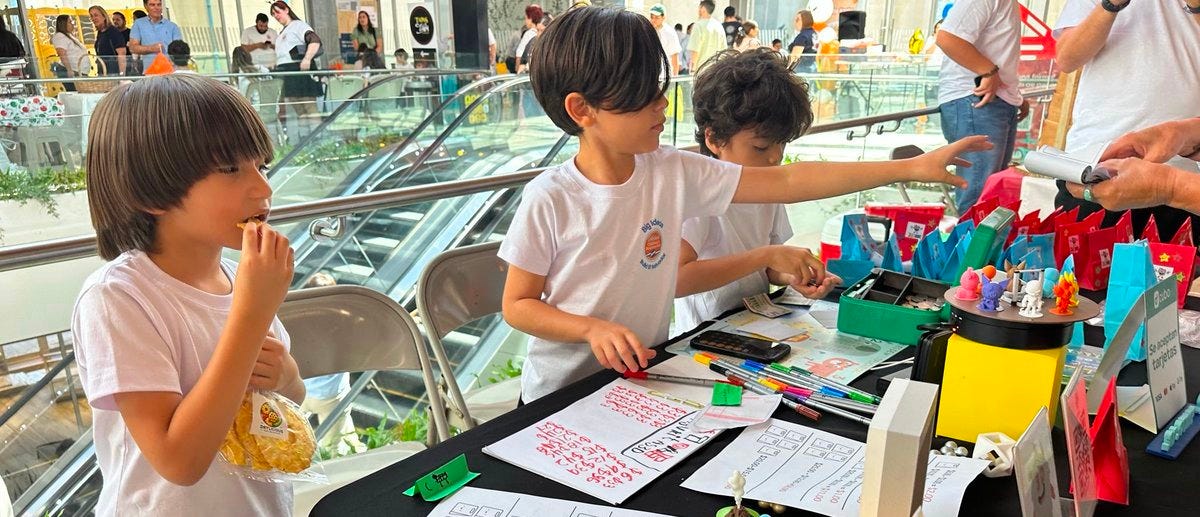
Shannon shared that the deeper goal isn’t to turn every child into an entrepreneur—but to ensure every child knows they can create value in the world, adapt when conditions change, and stand on their own feet.
The school blends:
Montessori foundations in the early years
Socratic discussion and self-directed learning
Hands-on projects tied to real outcomes
One insight that stuck with me: children are far more capable than most adults give them credit for—if you trust them with meaningful responsibility.
Just as important are the families Acton attracts. Many parents choose this path knowing it means stepping outside social norms or expectations. That willingness to take responsibility, rather than outsource it, shows up in the culture of the school itself.
Playa Vida Learning
My conversation with Andy Chambers, founder of Playa Vida Learning, revealed a very different, but complementary approach.
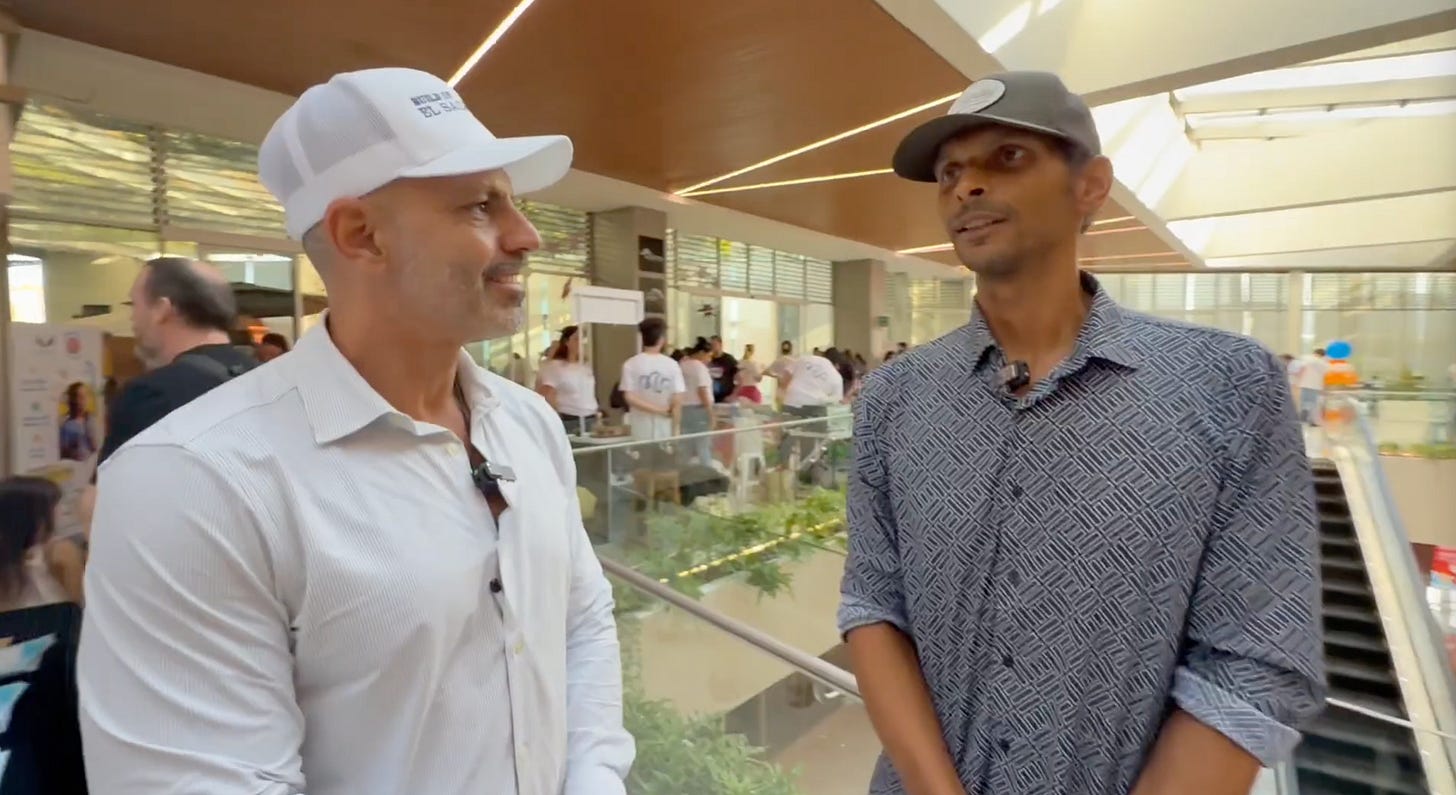
Playa Vida is a small, coastal learning center serving children roughly ages 4 to 15. Andy describes it best as a boutique, adaptive learning environment.
Rather than locking into a single educational philosophy, Playa Vida pulls from multiple models—Montessori, Waldorf, project-based learning—and adapts in real time based on:
The students’ interests
The teachers’ passions
Real-world relevance
One of Andy’s most practical insights was this: instead of forcing teachers to follow rigid curricula, he builds the framework around what teachers are genuinely excited to teach. That enthusiasm translates directly to the kids.
Students at Playa Vida are learning things like:
Building and measuring with real tools
Gardening and hands-on projects
Robotics and astronomy
Physical movement and outdoor play
Andy framed coastal El Salvador as a convergence point for financial freedom, health freedom, and educational freedom. A trifecta that reflects the real trend of families seeking alignment across multiple areas of life.
Closing Thoughts
If you’re evaluating El Salvador as a place to build a life, or raise a family, education deserves careful thought.
What’s encouraging is not that there’s one perfect solution here—but that there are real options. And those options are being built by people who are living the same questions many incoming families are asking.
It can feel overwhelming to think about schooling in a foreign country. That’s normal.
But you’re not starting from zero. Others have already gone ahead, experimented, and built environments that work.
Hopefully, this gives you a clearer starting point—and a bit more confidence as you explore what’s possible here in El Salvador.
Want to learn more?
Join our Free Build in El Salvador Skool Community, where you’ll find others navigating the same questions, sharing insights in real time as El Salvador continues to evolve.
Thanks for reading,
Michael Ruiz
Comments
Nothing yet. Say the first thing.
Sign in to join the conversation.