
Egg freezing is being discussed more than ever, but it should not be seen as fear, pressure, or a guarantee. It is a choice that needs awareness.
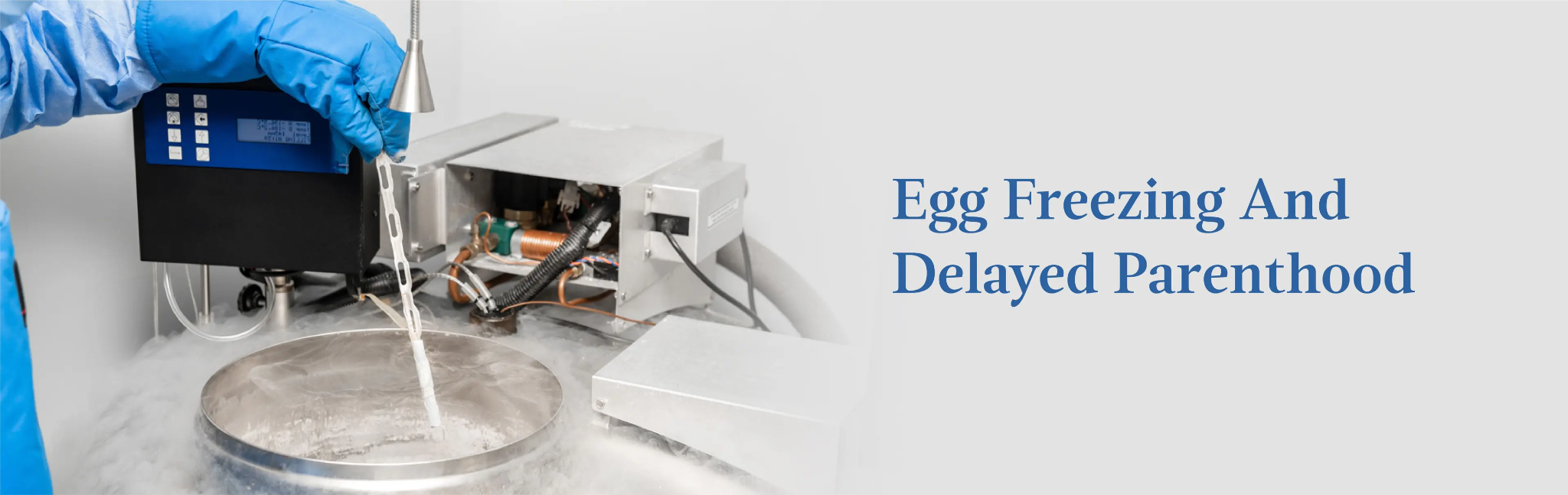
Today, many women are standing at a very real crossroad.
One part of life is saying:
“I want to build my career.”
“I want to feel financially stable.”
“I have not found the right partner yet.”
“I am not emotionally ready for motherhood.”
And another part quietly asks:
“But what about my fertility? What if I wait too long?”
This is why egg freezing and fertility preservation are becoming important conversations, especially among urban working women in India. Clinics are reporting growing interest from women who want more control over their reproductive timeline, particularly because delayed motherhood, career planning, medical conditions and fertility awareness are now being discussed more openly.
But this conversation needs more depth.
Egg freezing should not be sold as a trend.
It should not be chosen out of panic.
And it should not be judged as selfish or unnatural.
It is simply one possible option and like every fertility decision, it needs medical clarity, emotional maturity and conscious intention.
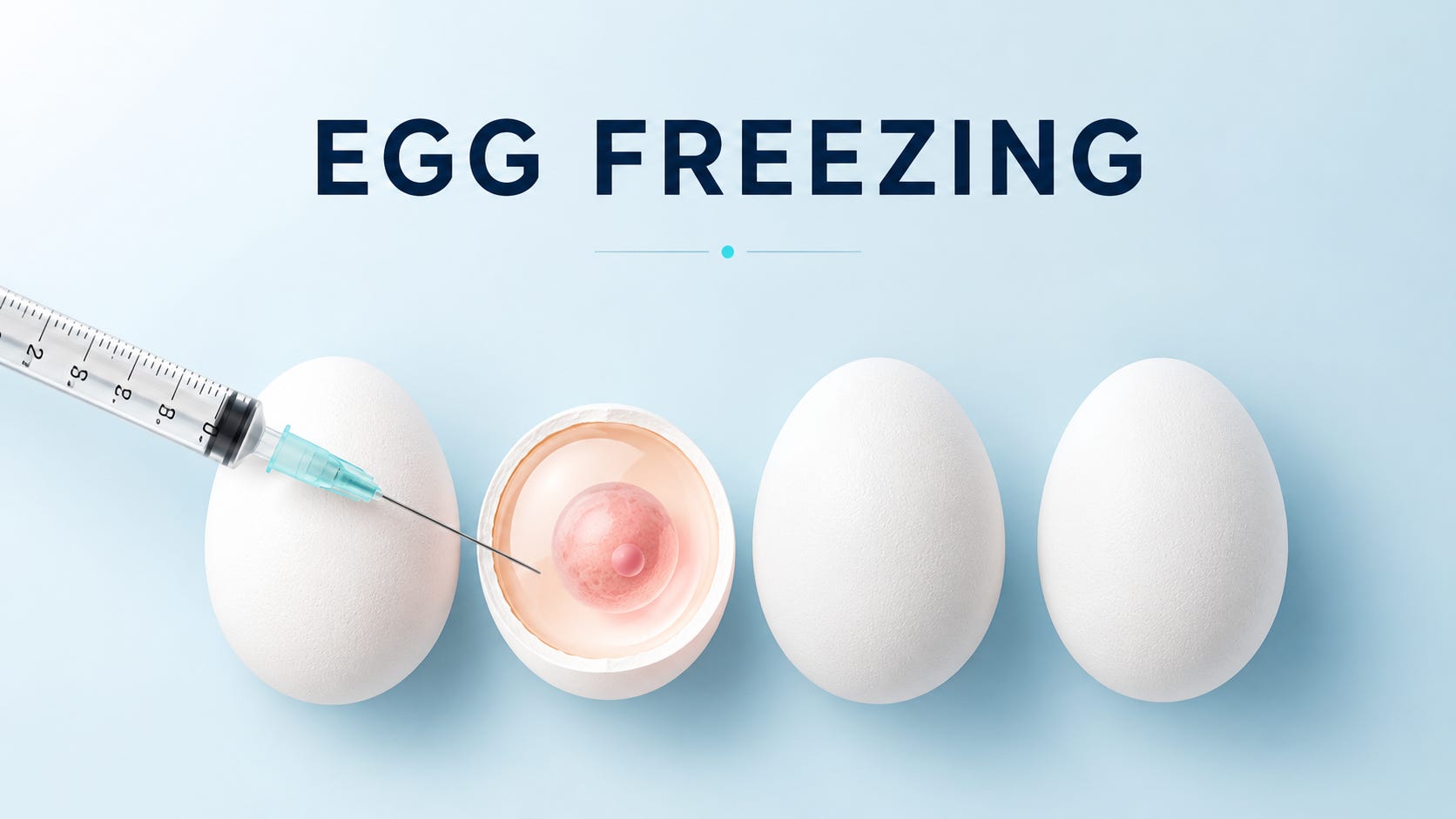
Egg freezing, medically called oocyte cryopreservation, is a process where a woman’s eggs are collected, frozen and stored for possible future use. Later, if she chooses to use them, the eggs are thawed, fertilised in a lab and transferred as an embryo through IVF.
It is used for different reasons:
career or timing, not having found the right partner, medical treatments such as chemotherapy, or simply wanting to preserve future reproductive options.
But one important truth must be understood:
It is also worth noting that the process requires weeks of self-administered hormone injections, regular blood work, and an invasive retrieval procedure under sedation, not to mention a significant financial investment.
It is a commitment of both body and finances.
Your uterus, hormones, emotional readiness, relationship situation, overall health and future IVF process will still matter.
So it is not a promise.
It is a possibility.

A woman is born with a fixed number of eggs. Unlike many other cells in the body, eggs do not keep regenerating. With age, both the number and quality of eggs naturally decline. Fertility usually starts declining gradually after 30, with a sharper drop in the mid-to-late thirties.
This does not mean every woman must rush.
It also does not mean pregnancy after 35 is impossible.
But it does mean this:
Awareness should come before urgency.
Many women discover low ovarian reserve only when they begin trying to conceive. The body may not always give obvious warnings. Periods can be regular, lifestyle can look healthy, and still ovarian reserve may be lower than expected.
Tests like AMH and ultrasound follicle count can give some information, but AMH alone cannot predict whether pregnancy will happen naturally.
This is why fertility awareness matters even before fertility anxiety begins.

Egg freezing is often presented as freedom.
And yes, for some women, it can feel freeing.
But for many women, the decision also brings questions like:
“Am I doing this because I truly want to?”
“Am I doing this because I am scared?”
“Am I delaying motherhood consciously, or avoiding a deeper decision?”
“Do I actually want a child, or am I afraid of losing the option?”
“Is this my choice, or society’s pressure in a modern form?”
This is where conscious choice begins.
We do not see motherhood only as a biological event.
We see it as a state of preparation.
A woman may be biologically capable, but emotionally unprepared.
Another woman may be emotionally ready, but medically uncertain.
Another may want motherhood deeply, but not yet have the right outer circumstances.
All of these realities deserve compassion.
This is one of the most important facts.
Egg freezing can improve future reproductive options, especially when done at a younger age, but it cannot guarantee a baby. Outcomes depend on age at freezing, egg quality, number of mature eggs frozen, sperm quality, embryo formation, uterus health and future IVF response.
ASRM American Society for Reproductive Medicine. notes that planned oocyte cryopreservation has expanded for women delaying childbearing, but success-rate evidence has limitations, and only a small proportion of women who freeze eggs return to use them.
So the right mindset is not:
“I have frozen my eggs, so everything is secure.”
A more grounded mindset is:
“I have created one possible option for my future, while staying connected to my body, my timeline and my truth.”

A woman may consider speaking to a fertility specialist if:
She is in her early or mid-thirties and unsure about motherhood timing.
She has PCOS, endometriosis, ovarian surgery history, autoimmune conditions or family history of early menopause.
She is planning to delay pregnancy for a few years.
She is about to undergo any medical treatment that may affect fertility.
She wants clarity instead of confusion.
In India, ART clinics and banks are regulated under ART Rules, and consent forms are required for freezing gametes such as sperm or oocytes.
This means the process should always happen under proper medical guidance, not through casual advice or social media pressure.

The deeper question is not only:
Should I freeze my eggs?
The deeper questions are:
Am I listening to my body?
Am I avoiding fear or responding with awareness?
Am I making this decision from panic or peace?
Have I taken medical advice from the right expert?
Have I looked at my emotional readiness for motherhood?
Have I spoken honestly with myself about the kind of life I want to create?
Because motherhood is not just about when the baby comes.
It is also about the environment the baby arrives into the mother’s nervous system, the couple’s relationship, the emotional atmosphere, the family patterns and the consciousness with which the child is invited.
Egg freezing may preserve eggs.
But conscious preparation preserves the quality of the inner environment.
And both conversations matter.
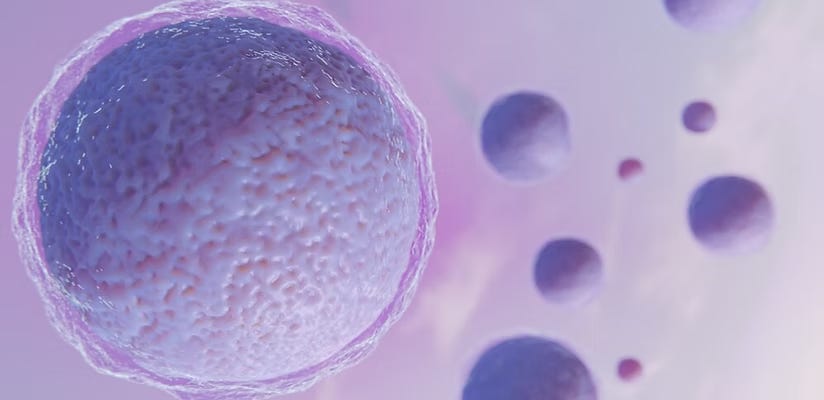
Delaying motherhood does not make a woman careless.
Choosing early motherhood does not make a woman less ambitious.
Freezing eggs does not make a woman unnatural.
Not freezing eggs does not make a woman irresponsible.
The real power is not in following a trend.
The real power is in making an informed, peaceful and conscious decision.
Motherhood should not come from pressure.
And fertility decisions should not come from fear.
They should come from awareness.

Motherhood is a deeply personal decision.
It includes biology, timing, health, emotional readiness, and life circumstances.
Egg freezing may be one option for women who want to understand or preserve their future choices, but it should be chosen with proper medical guidance and realistic expectations.
At BTNE, we believe every woman deserves clarity before making such an important decision.
Not fear.
Not pressure.
Not comparison.
Just the right information, inner honesty, and conscious choice.With Warmth,
Dr. Monika Singh Shubhaa
No posts
Comments
Nothing yet. Say the first thing.
Sign in to join the conversation.