
My dear ones,
Today, let us sit together for a few moments and understand the deeper meaning of Apara Ekadashi.
Many people know Ekadashi as a fasting day. They know that it is connected to Lord Vishnu. They know we avoid grains, we do puja, we chant, we observe discipline.
But if we look deeper, Ekadashi is not only about food.
It is about what we are feeding our mind, our emotions, our karma, and our soul.
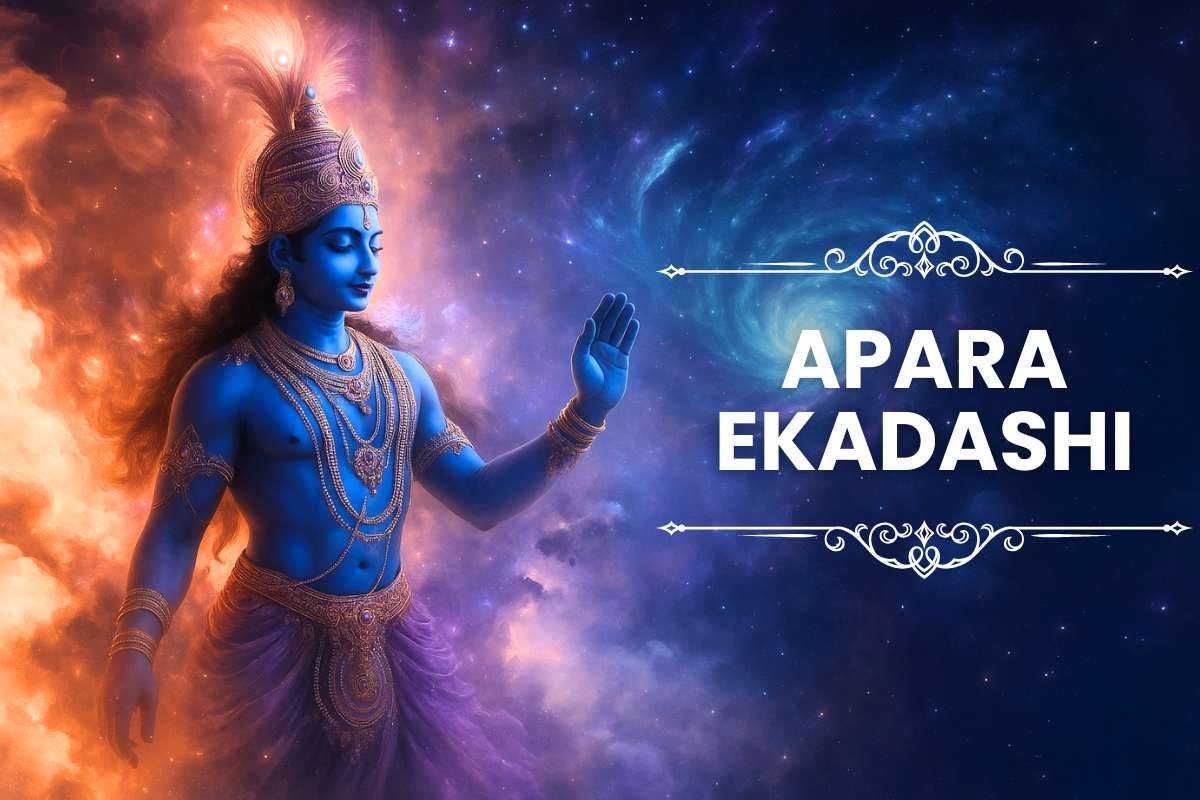
Apara Ekadashi comes in the Krishna Paksha of Jyeshtha month, and the word Apara means boundless, limitless, immeasurable. That itself is such a beautiful teaching.
Because in life, we keep running behind things that are limited.
Limited validation.
Limited success.
Limited approval.
Limited control.
Limited security.
But this vrat reminds us that the soul has come here for something much larger. Something that cannot be measured only through the material world.
Apara Ekadashi gently asks us:
Are you choosing the finite, or are you choosing the boundless?
In our Puranic tradition, there is a very powerful story connected to this Ekadashi.
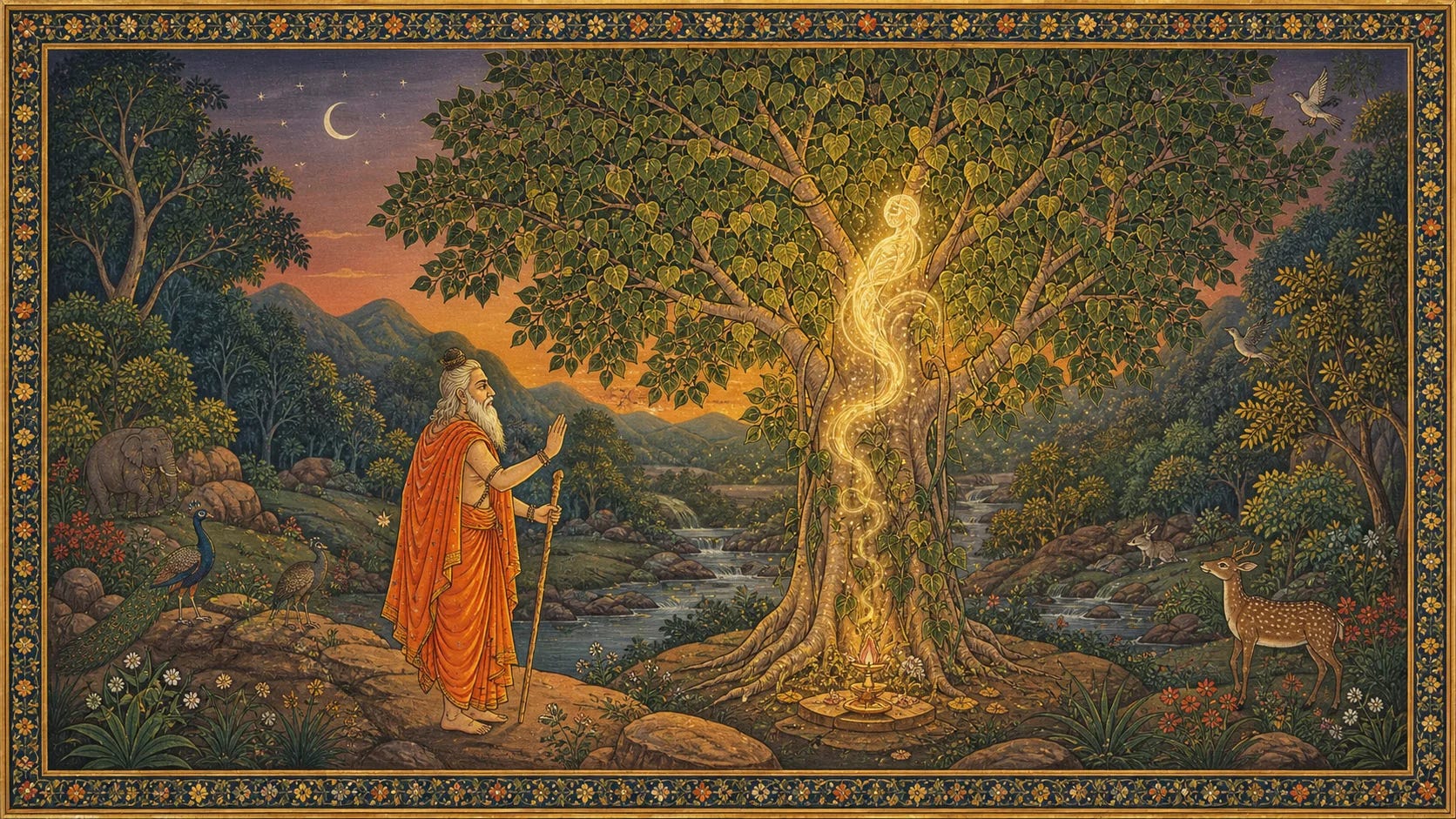
It is said that Lord Krishna explained the greatness of Apara Ekadashi to King Yudhishthira. The story speaks of a king named Mahidhvaja, who, because of karmic burdens from his past, became a restless spirit after death.
He was not at peace.
And then a sage, through the merit of his Apara Ekadashi vrat, offered that spiritual merit for the liberation of this suffering soul. Because of that, the spirit was released and attained the divine abode of Lord Vishnu.
Now see this carefully.
The story is not only about one spirit being liberated.
It is about the power of sankalpa, the power of fasting with devotion, and the power of sharing punya.
When we do spiritual practices only for ourselves, they help us. But when we do them with a larger heart for our ancestors, for our family line, for souls who are suffering, for the collective the energy expands.
This is very much aligned with what we understand at BTNE:
Healing is never only personal.
When one person heals, an entire lineage receives light.
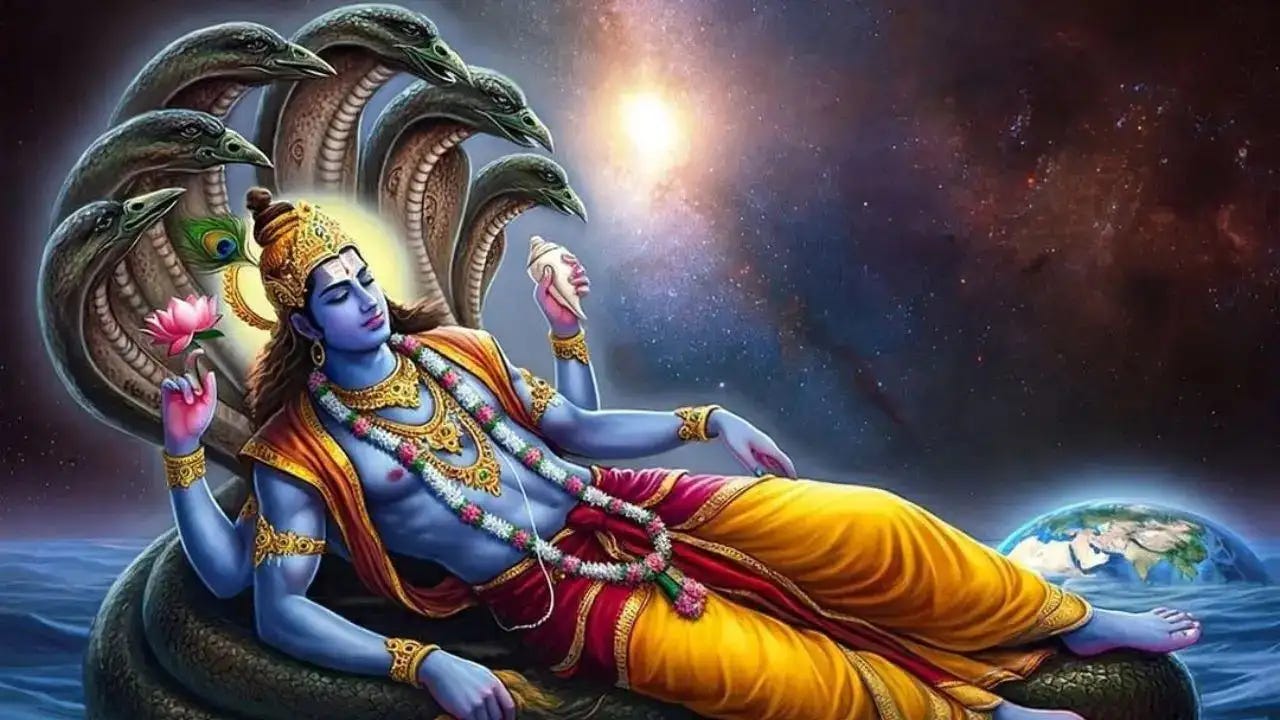
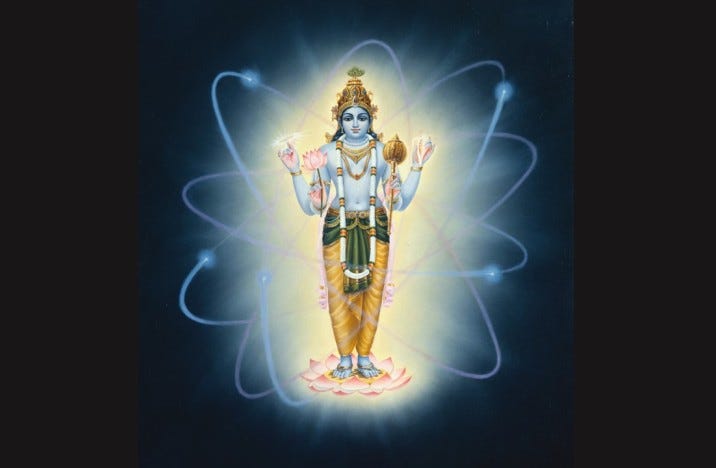
Ekadashi is the eleventh lunar day, and it is deeply connected with Lord Vishnu the preserver, the sustainer, the one who maintains balance in creation.
Our ancient rishis observed that on this tithi, the mind and body become more receptive to spiritual energy.
When we fast, the digestive system rests. But more importantly, the senses also get a chance to rest.
The constant need to consume food, stimulation, emotions, scrolling, reactions, complaints slows down.
And in that quietness, something very beautiful begins to happen.
The prana starts moving upward.
The mind becomes clearer.
The heart becomes softer.
The soul becomes more available to grace.
This is why Ekadashi is not a punishment. It is not deprivation.
It is a sacred pause.
A pause from excess.
A pause from unconscious patterns.
A pause from karmic repetition.
A pause from the ego’s constant hunger.

When we look at any ritual deeply, we can understand it through three levels:
Body. Mind. Soul.
So yes, on Apara Ekadashi, fasting from grains and heavy food is important.
The real Ekadashi begins when we say: “Today, I will not feed the lower patterns within me.”
Can you fast from:
Anger and blame?
Gossip and comparison?
Fear and the need to control?
Because the body may be fasting, but if the mind is still eating resentment, comparison, judgment, and fear, then the vrat remains incomplete.
The real Ekadashi begins when we say:
“Today, I will not feed the lower patterns within me.”
That is where transformation begins.
If you are observing this vrat, keep it simple, sincere, and sattvic.
On the previous evening, take light food. Avoid heaviness, excess, onion, garlic, non-vegetarian food, and anything that makes the body dull.
On Ekadashi morning, wake up with a clean intention. Take a bath, sit quietly, light a diya, and offer your prayer to Lord Vishnu.
You may offer:
Tulsi leaves
Yellow flowers
Fruits
A ghee lamp
Simple heartfelt prayer
You can chant:
ॐ नमो भगवते वासुदेवाय
Om Namo Bhagavate Vasudevaya
Even 108 times with devotion is powerful.
You may also read or listen to Vishnu Sahasranama, Bhagavata stories, or simply sit in silence and remember the divine presence within you.
And if you cannot do a strict fast, do not go into guilt.
You can observe it through fruits, milk, simple vrat food, or even through mental discipline. The intention matters deeply.
The vrat is not for showing strength to the world.
It is for becoming honest in front of your own soul.
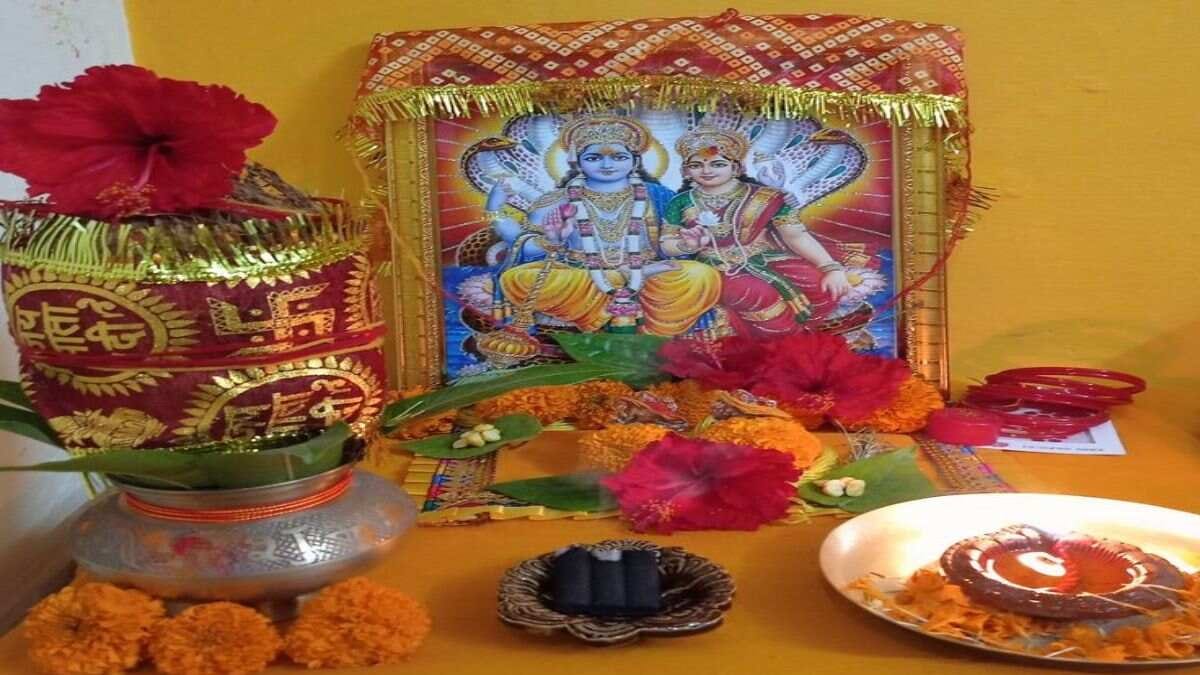
If you want to observe Apara Ekadashi beautifully, do these four things:
Tulsi is very dear to Lord Vishnu. Offer even one leaf with love. Do not make the ritual mechanical. Let the heart be present.
When you light the lamp, pray:
“May the darkness of ignorance, fear, and karmic heaviness reduce from my life and my lineage.”
Chant Om Namo Bhagavate Vasudevaya slowly. Do not rush. Let the sound enter your body.
Feed someone. Help someone. Offer something to a person in need.
On certain days, even a small act of kindness carries multiplied energy because your intention is aligned with dharma.
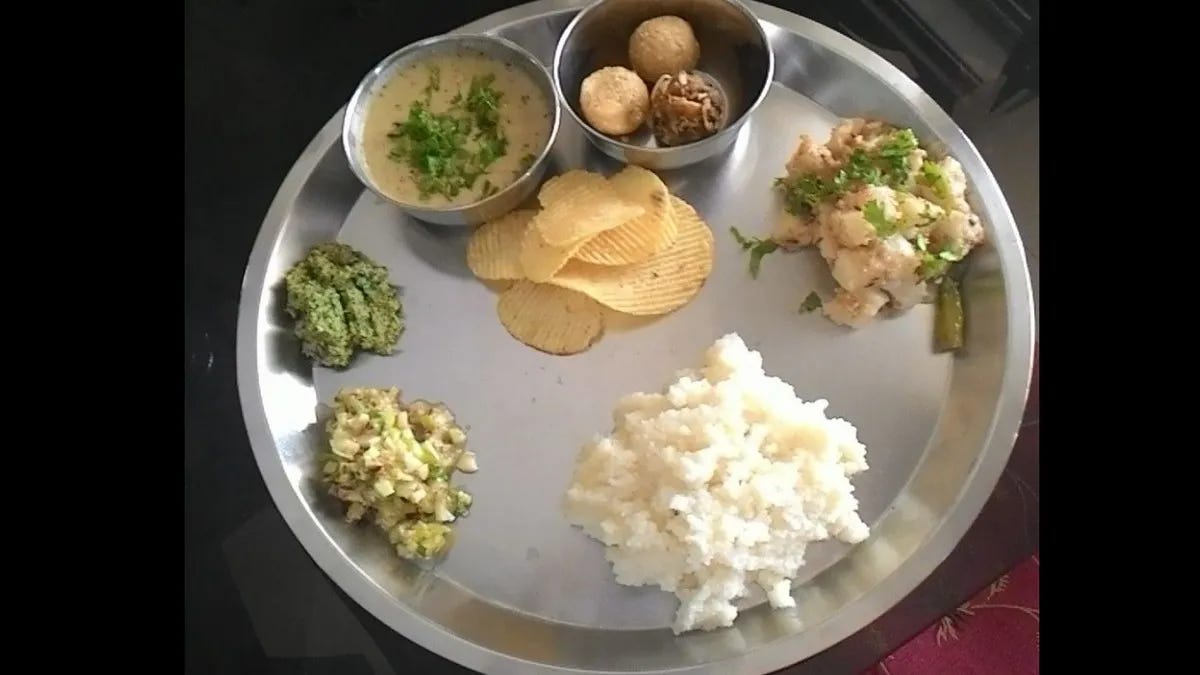
Depending on your health and capacity, you may observe the fast in different ways.
Some people do nirjala. Some take only fruits. Some take simple vrat food.
Permitted foods usually include fruits, milk, curd, ghee, sabudana, kuttu, rajgira, singhara flour, potatoes, sweet potatoes, dry fruits, and sendha namak.
Avoid grains, rice, wheat, pulses, onion, garlic, non-vegetarian food, alcohol, tobacco, and heavy spices.
But again, please remember: if you are pregnant, breastfeeding, unwell, elderly, or medically advised not to fast strictly, do not force the body.
Dharma is never against health.
You can still observe Ekadashi through prayer, chanting, sattvic food, silence, gratitude, and self-discipline.

My dear ones, the most beautiful part of this Ekadashi is its name.
Apara the boundless.
This day reminds us that the human being is not born only to survive, earn, worry, react, and repeat old patterns.
We are born to remember something higher.
We are born to move from fear to faith.
From guilt to purification.
From karma to consciousness.
From heaviness to devotion.
From the limited self to the boundless self.
So today, do not only ask Lord Vishnu for blessings.
Ask for alignment.
Ask for cleansing.
Ask for protection from your own unconscious patterns.
Ask for the strength to choose the higher path, even when the lower pattern feels familiar.
Because that is real liberation.
Not escaping life.
But becoming so conscious that life no longer controls you through old karmas.

Lord Vishnu,
Sustainer of the universe,
Protector of dharma,
Keeper of cosmic balance,
On this Apara Ekadashi,
may my body become lighter,
may my mind become quieter,
may my heart become purer,
and may my soul remember its boundless nature.
May the burdens of my past soften.
May my ancestors receive peace.
May my family line receive light.
May I stop feeding the patterns that keep me small.
Guide me from limitation to expansion.
From unconsciousness to awareness.
From fear to devotion.
From karma to grace.
Om Namo Bhagavate Vasudevaya.
With love and blessings,
Dr Monika Singh Shubhaa
No posts
Comments
Nothing yet. Say the first thing.
Sign in to join the conversation.