
Earlier this week, I watched a video from a photography influencer who said that a tool I often use “does more harm than good.”
I was a little taken aback. He was talking about split neutral-density filters, which are also known as ND grads, and bracketing and using HDR to composite shots together. I’ve been using split neutral-density filters for decades and have been using bracketed shots since film days, and using HDR since I went digital. I’ve tested the two approaches against each other and found that while they produce different-looking photographs, there isn’t a meaningful difference in image quality. In fact, when shooting near large bodies of water, I’ve found that the bracketing method can produce visual artifacts that require significant editing time to fix, if they can be fixed at all.
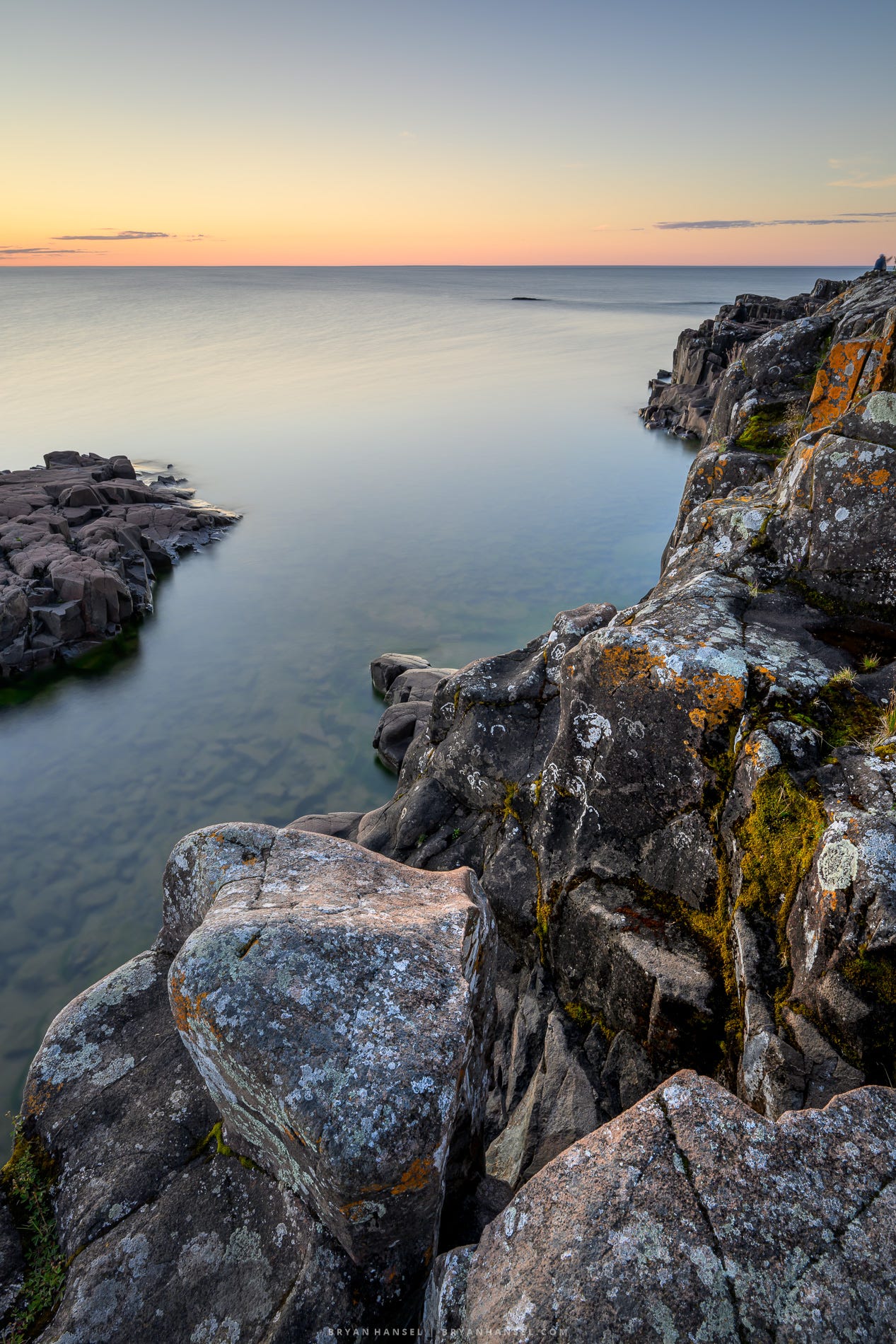
Usually, I just write these things off as a YouTuber saying something provocative to increase engagement and move on. But I pay attention to this stuff because I’ve had workshop students arrive after watching photography videos online and buy equipment based on recommendations they’ve heard. Sometimes those recommendations work well for them. Sometimes they discover that what works for one photographer isn’t necessarily the best choice for the way they photograph.
In this case, though, I didn’t think his method for shooting sunrises and sunsets was bad advice. It was different from what I do, but it was a perfectly reasonable way of working if you like the look and don’t mind the extra computer work.
His method was to bracket three exposures, three stops apart, and then use Lightroom Classic’s HDR function to blend them. I’ve bracketed plenty of photographs and have no problem with the technique. I wouldn’t recommend a three-shot bracket with three stops between exposures. I’d use 1.5 to 2 stops at most. But we can quibble.
I generally don’t like to bracket when there is moving water or blowing vegetation because I don’t want to deal with ghosting, and I often don’t like the look of bracketed water. But it’s a perfectly valid technique. If that’s how you work, more power to you.
Personally, I mostly use split neutral-density graduated filters for sunrise and sunset photography. For the past year, I’ve mainly been using a 3-stop medium filter. You put the dark part over the sky, the clear part over the ground, and take a photograph. There’s no HDR blending required. The image is ready for editing.
ND grads have their own limitations, of course, and some photographers don’t like having to carry filters or put one on their lens. You need to understand their potential problems, although I find that a medium grad solves most of them.
With ND grads, sometimes the water is brighter than the sky, even though the sky is actually brighter in reality. Sometimes a tree or other object sticking above the horizon ends up darker at the top than at the bottom. These are not new problems. Photographers have been pointing them out since Galen Rowell popularized graduated filters in the 1980s.
Using them also makes you look old-fashioned.
I once read a photography podcaster say on social media that he laughs when he sees people using graduated filters.
That’s cool. He can laugh.
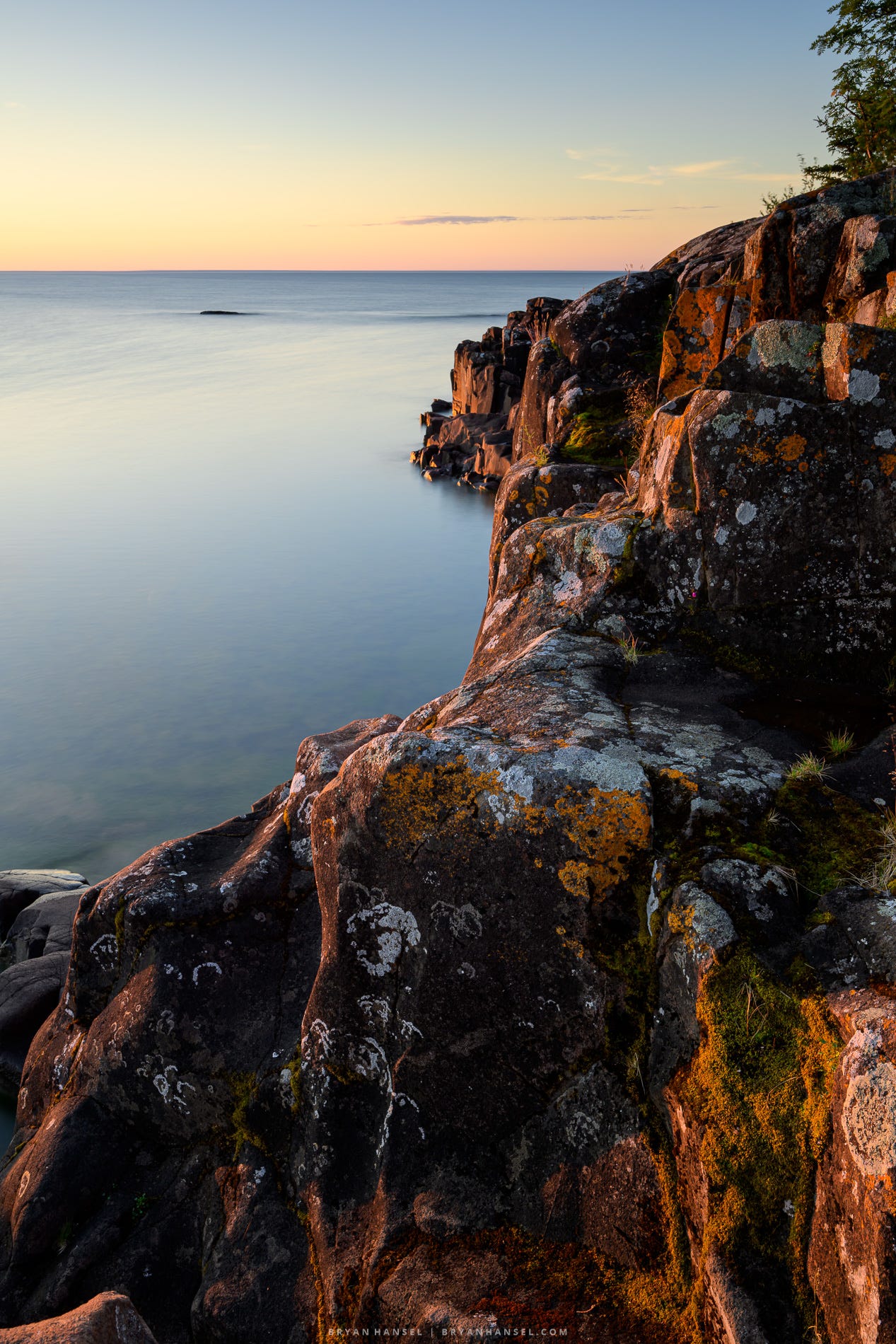
The thing about photography, and art in general, is that there are a lot of ways to practice it and a lot of ways to achieve the results you want. There are all kinds of tools and techniques available to us. We live in a time of almost absurd choice, and I think that’s a good thing.
I’m not going to fault you for using one technique or another. If you like to bracket, that’s cool. If you like to use filters, that’s cool. If you want to do everything in Photoshop, have at it.
I believe that your style is, in part, taking photographs the way you like to take them.
What I don’t like are broad proclamations that a particular technique is inherently bad, especially when the person making the proclamation is selling an alternative.
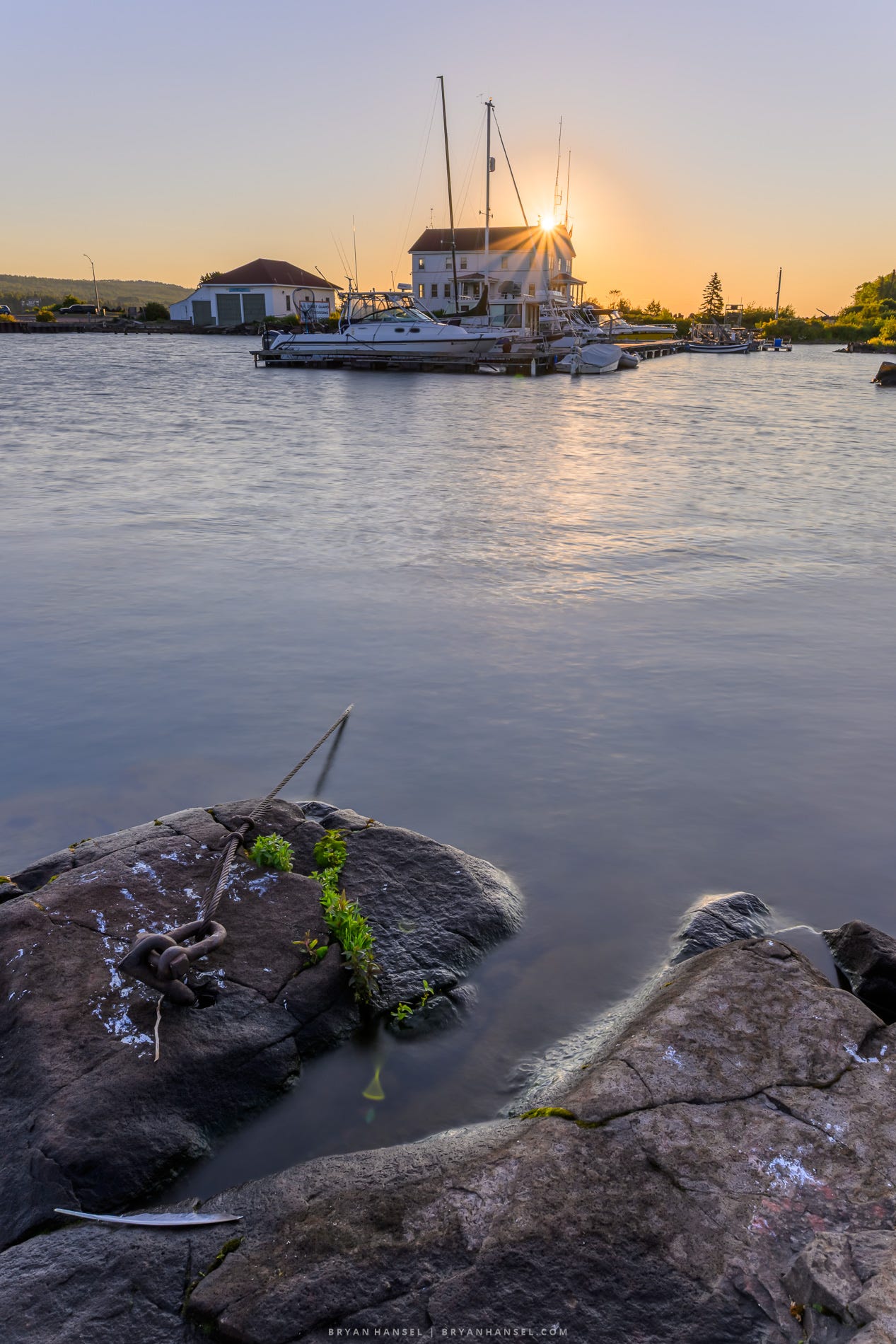
I’m also always willing to test a technique, especially when a popular photography influencer promotes it. So yesterday, I went down to the Grand Marais harbor to photograph sunrise over the U.S. Coast Guard building.
The foreground I wanted was blocked by some new bushes, so I had to settle for something less than ideal. But it still provided a good opportunity to test the two techniques side by side.
First, I took a photograph using a 3-stop medium ND grad and a 6-stop solid filter. The 6-stop filter removed some of the texture from the water. I’m personally not a fan of super-textured water. I prefer a softer look.
The ND grad darkened the bright sky while allowing me to expose the foreground properly.
Then I removed the ND grad and took a three-shot bracket, with each exposure three stops apart.
In Lightroom, I processed the filtered photograph using my normal editing routine. If you want to learn how I do that, I’m teaching an online Lightroom class in November.
Then I processed the bracketed images using the technique recommended in the video.
The first photograph is the filtered version using my normal technique.
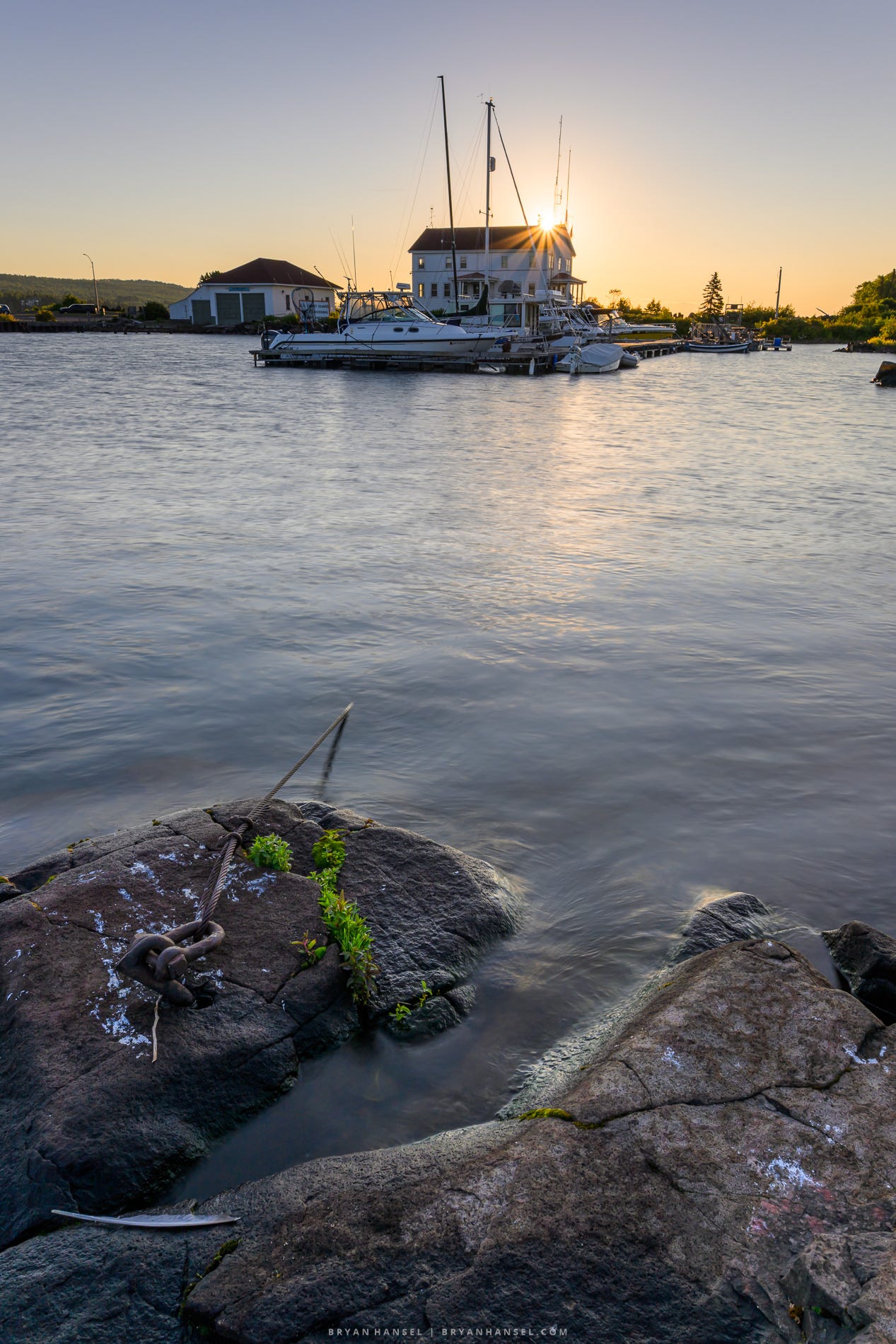
The second uses the bracketed exposures and the recommended HDR technique.
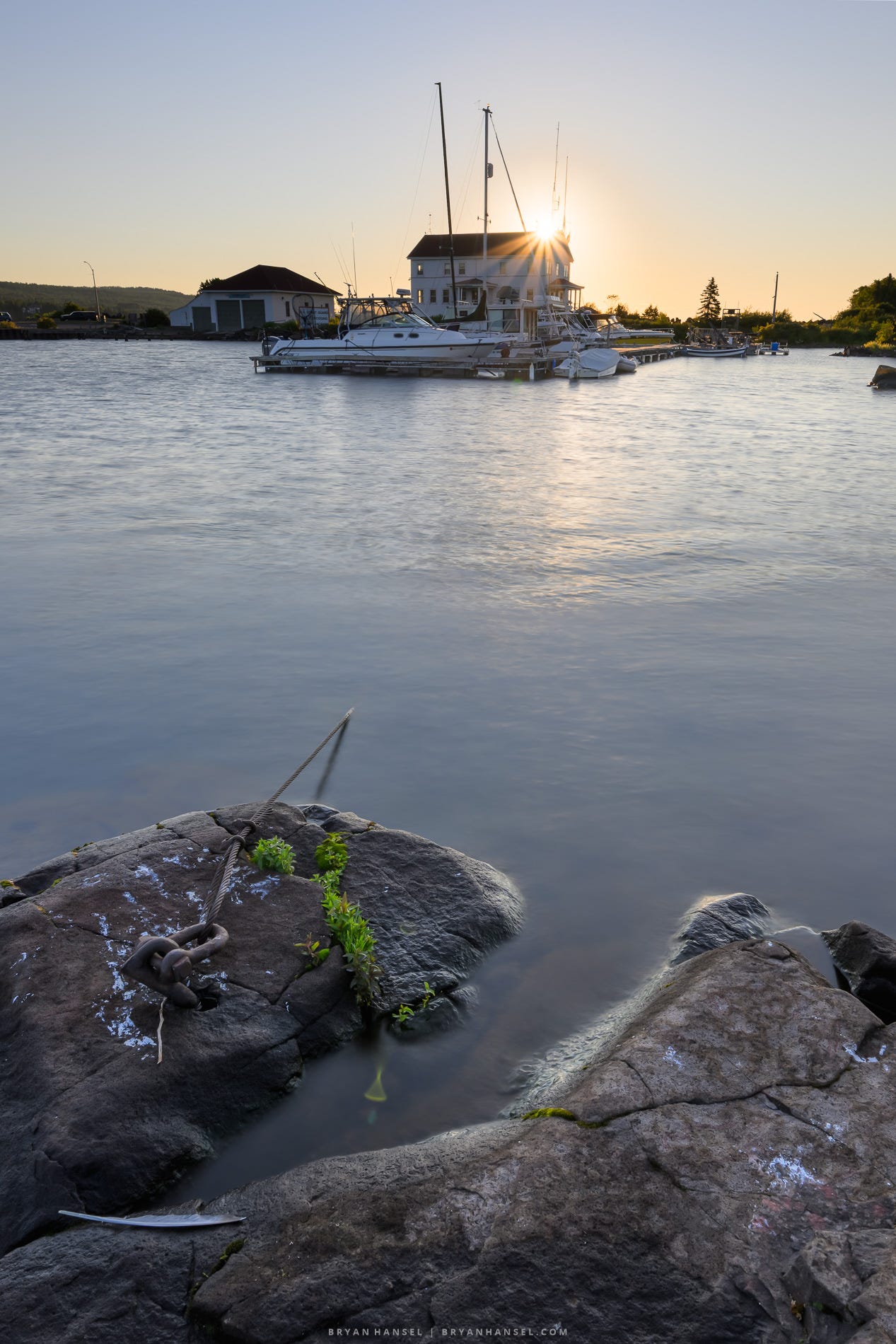
Here’s the HDR blend with Lightroom’s auto adjustments.
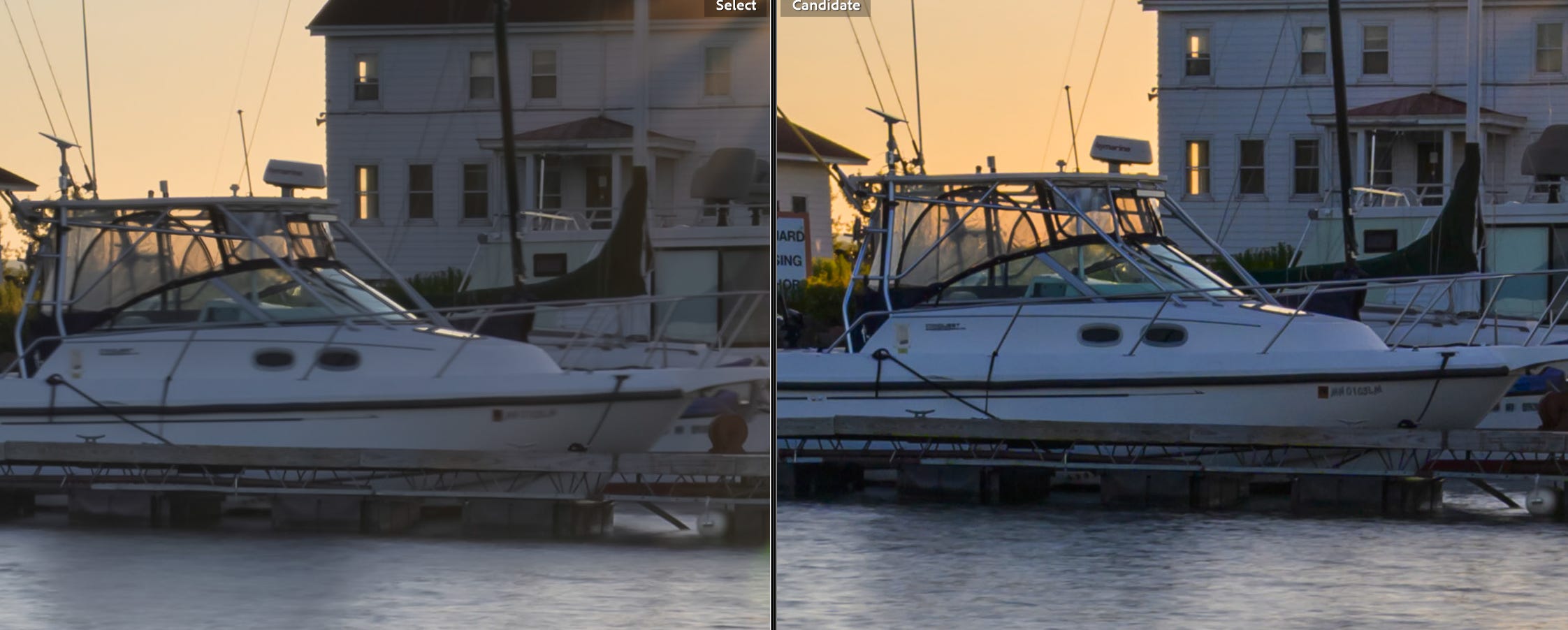
Here’s a screenshot of Lightroom showing the two techniques side by side. It’s pretty clear to me that, without going into Photoshop and blending an unblurred boat into the scene, the HDR version (left) leaves the boats blurry.
So, would I say that using that technique “does more harm than good”?
In this specific situation, you could certainly make that argument.
And that’s the thing about tools. They all have limitations and advantages. The trick is knowing which tool is appropriate for the situation, rather than believing that one tool is always better or that another “does more harm than good.”
Personally, I also prefer the filtered photograph. I like the way the water looks. There’s less weirdness around the sun, and the overall image looks more natural to me.
But that’s the beauty of photography.
You get to decide.
Until next time
I hope you enjoyed this week’s adventure in photography. I’ll see you again in two weeks.
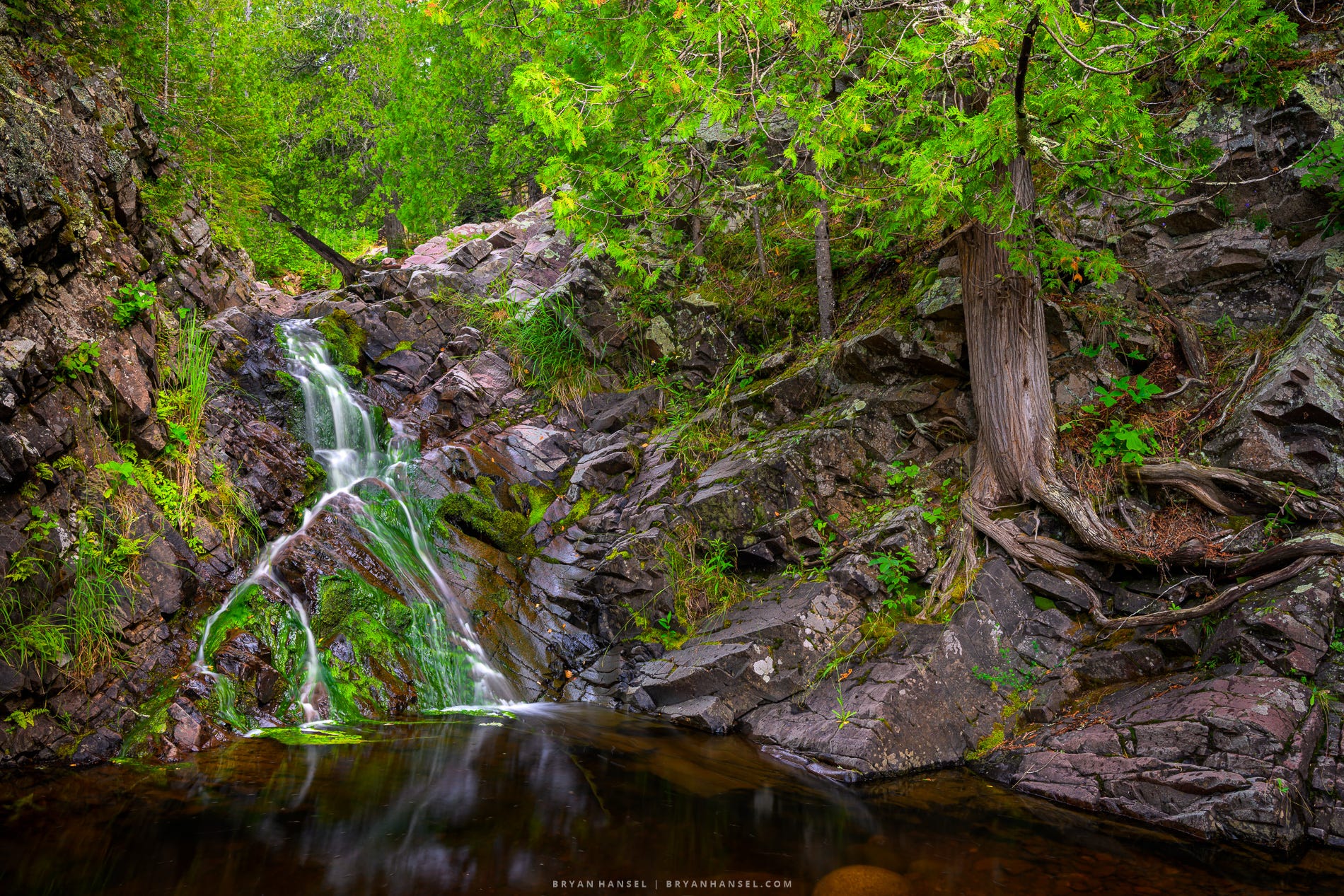
The parting shot is of a small waterfall near Grand Marais. Water levels are really low and there’s barely any water coming over it.
Comments
Nothing yet. Say the first thing.
Sign in to join the conversation.