
The most common reason people reach out to me is to help them find the right putter. Everyone wants to have more success by finishing the hole in a smaller number of strokes. That is a given. Whether it is the correct reason or not, the implement they use to finish the task is where most players start. I am glad to assist.
The first part of the discussion is always a reminder that the putter does nothing without the player! What changes is how you react to the feel of the club, as it swings in your hands. The length of the club, the angle the head is attached to the shaft, how the club is weighted in the head, in the grip and the shaft. Where the balance point of the club is located on the shaft, the shape and weight of the grip, the bend profile of the shaft, how the weight is distributed in the putter head relative how the putter is attached to the head, are all components of how we react. Our goal should be to find the right combination toward one goal.
What arrangement of these components allows me to strike the ball on the sweet spot of the putter the most often. This is the concept that drove me to build my own designs. I wanted a putter designed to influence a center strike. No other promises, just a design that focused the strike on the ball.
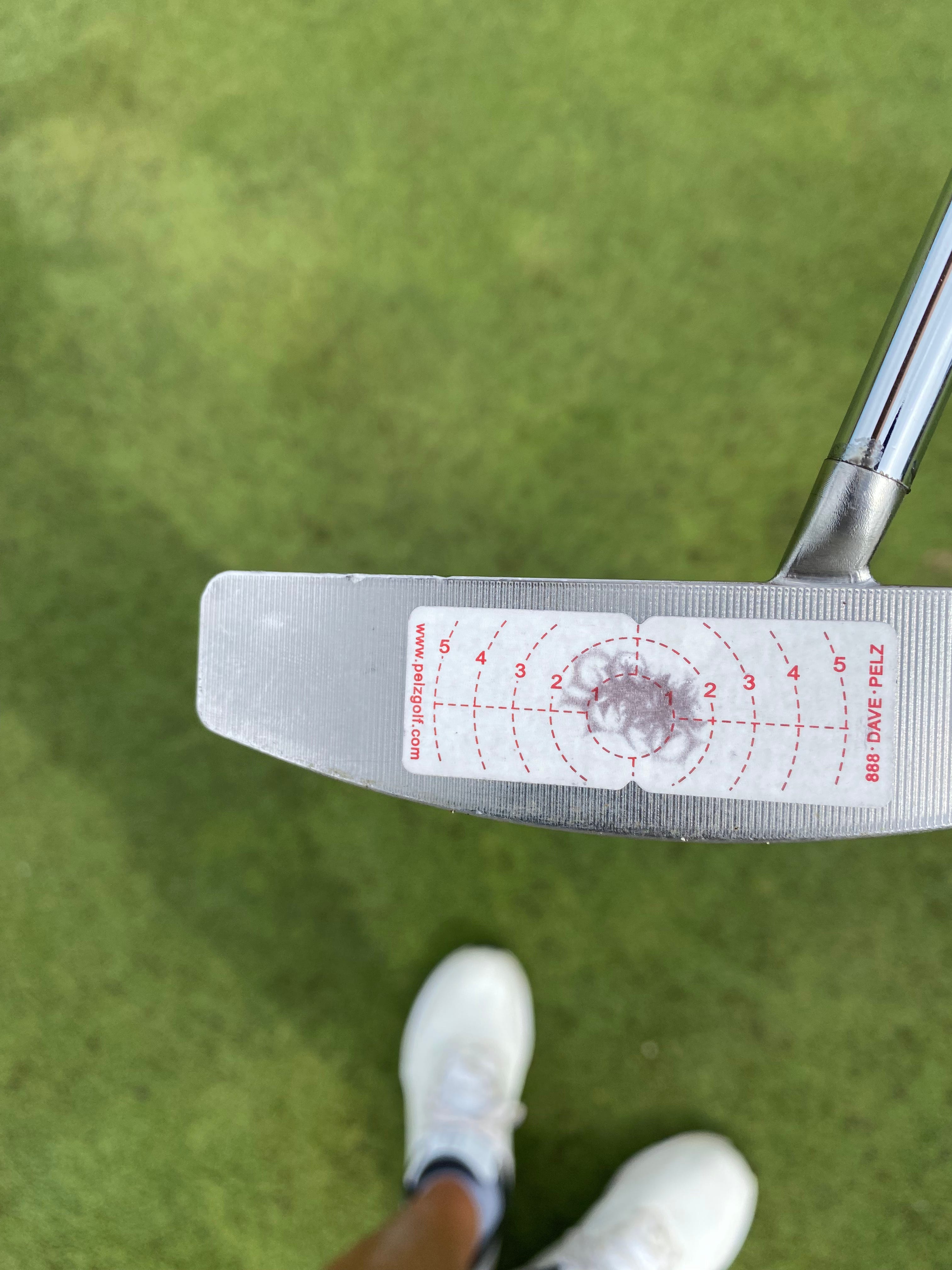
Forget all the marketing promises of forgiveness you are bombarded with each day. A missed strike is a miss. No matter how it feels, or when it rolls or all the other promises my colleagues offer. If you miss the sweet spot and the ball goes in, you are more lucky than good. And I might add if you hit the sweet spot, and the ball does not go in; that is a judgement problem and not a mechanical issue. You read it wrong or misjudged the pace.
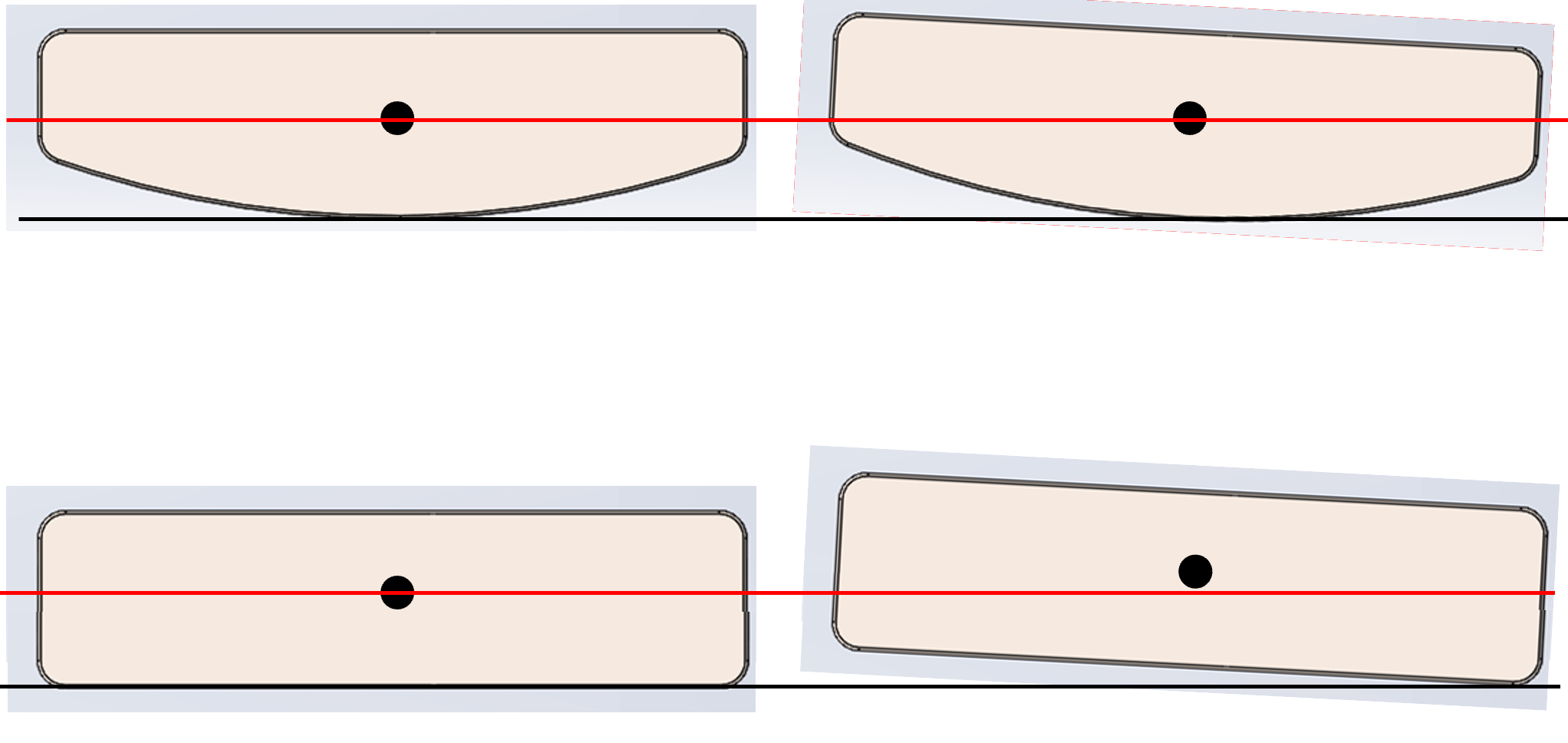
My first question or observance in any consultation is, “Are you striking the ball on the sweet spot?” I can see it clearly from the video. Low or high on the face, heel, or toe bias across the face. Nerd that I am I know where the sweet spot is on every putter, If I do not know I find out. It is not always in the middle of the blade, by the way. After years and years of observation I know one thing for certain. People who play the miss struggle with their putting and when they make a change that works, they ALWAYS have a better strike on the ball, ALWAYS.
Over the past year or so I have gone back and forth on offering a “do it yourself” fitting manual. It goes back to something that Mr. Palmer said to me often during our practice sessions. “The things you learn on your own are more powerful than what someone tells you. Your way is always the best way.” It will be in book form, step by step with pages for notes. Old school because it is a process, not a 30-minute, opinion.
If you have an interest in purchasing the manual, I would appreciate it if you would reach out and express your interest. The fee for the manual is going to be around $100.00 that includes tax and shipping. No obligation of course.
No posts
Comments
Nothing yet. Say the first thing.
Sign in to join the conversation.