
A question I ask during every consultation, “Where do you look when you aim?” Please tell me if you think I am wrong, but to me that seems like a straightforward question. However, I rarely get a specific answer. They can tell me what they see, or how they visualize the putt. This is important of course, but it is meaningless unless you can start the ball where it needs to start to match the read. Before I go any further, there is a school of thought in social media land that you do not have to aim the putter well to succeed. Yes, there have been examples of players when measured do not have the putter square to the target line at address. But those players all had things in common that allowed them to recognize the intended start line, and then a sequence of preparation and movement that matched the position of the face to that line at impact. If you do not have that kind of strategy, you are doomed to average results at best.
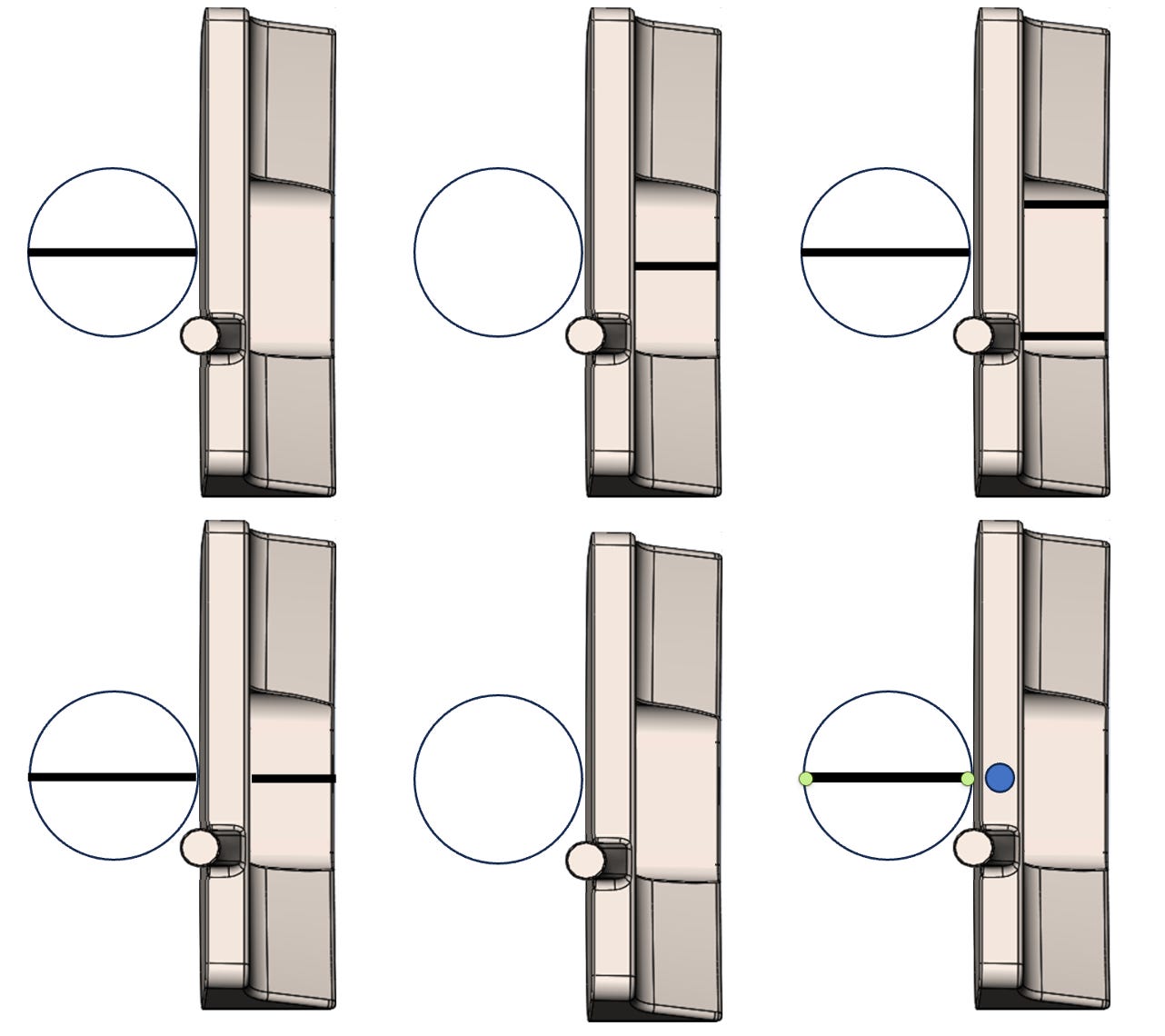
There are countless visual strategies when it comes to “aiming.” Early on we did aiming tests on each student at the academy where I worked, and when we traveled to golf shows. I am not exaggerating when I tell you the size of our data pool was quite large. Over the years colleagues and competitors have used our tests or a version of their own to offer the best way to aim. I have always felt that is the wrong approach. For example, we found using a line on the ball with no line on the putter had the highest percentage of success. But we also found examples who aimed best with other combinations. As in all things putting, it is importnat to find what works for you. There are four basic options with any number of variables. First, aim a line on the ball, with no line on the putter. Or aim the line on a putter, without using the ball as a reference. There are many successful players who use no lines as references and finally, those who match the line on a putter to the line on a ball. A word of warning on this one. It is hard to do. It is quite common for us to see the line on the putter pointed in a different direction than the line on the ball. In fact, we did find that it is easier to aim the ball than it is a line on the putter. It can work, but it depends on where you are looking and when. Which brings me to my next point.
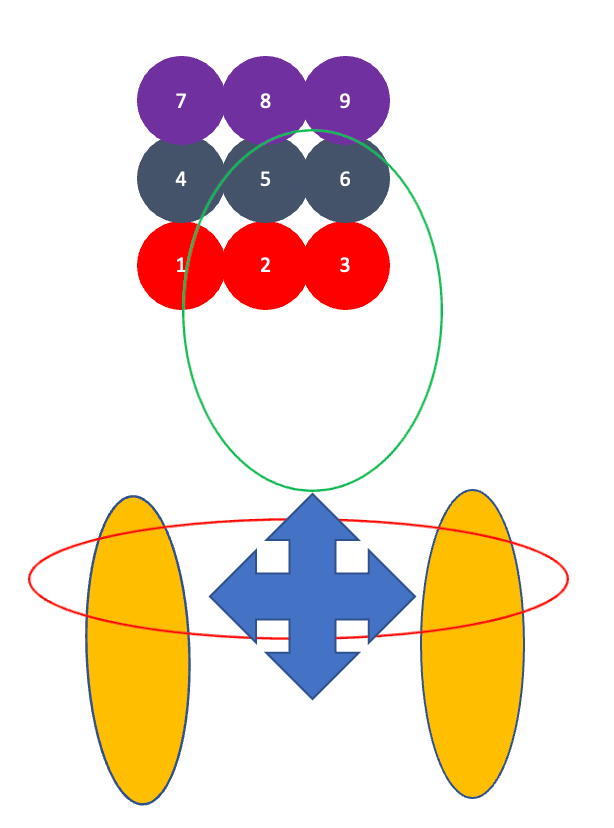
The strategy and the sequence of preparation you use in your set up are more important than the selection of visual referenceson the putter. I describe the process as “visual discipline.” We discussed in the last article; ball position is the beginning. It is the key to having the whole strategy appear correct. I can show you a perfectly aimed ball or putter or both and if your eyes are out of position, you will think you are going in the wrong direction, and I promise you will try to correct it. It is important that as you analyze your aiming strategy, you work from your best ball position. Not one forced on you or worse a random choice
.
Finally, for today, as pertains to putter fitting. You will have more success finding the design that swings in harmony with your stroke and best ball position and create an accurate visual from there than it is to select the putter that you think you aim best. It is a key marketing strategy for selling mallets. Mallets frame the ball well, so there is an illusion of aiming better. Looks good next to the ball. But mallets do not always swing accurately depending on the ball position and other fitting parameters. That creates a frequent problem; aim is great, face at impact lousy. The stroke gets twitchy to help correct the face, all created by good aim.
No posts
Comments
Nothing yet. Say the first thing.
Sign in to join the conversation.