
Welcome to the Brown History Newsletter. If you’re enjoying this labor of love, please do consider becoming a paid subscriber. Your contribution would help pay the writers and illustrators and support this weekly publication.
If you like to submit a writing piece, please send me a pitch by email at brownhistory1947@gmail.com.
Don’t forget to check out our SHOP and our Podcast.
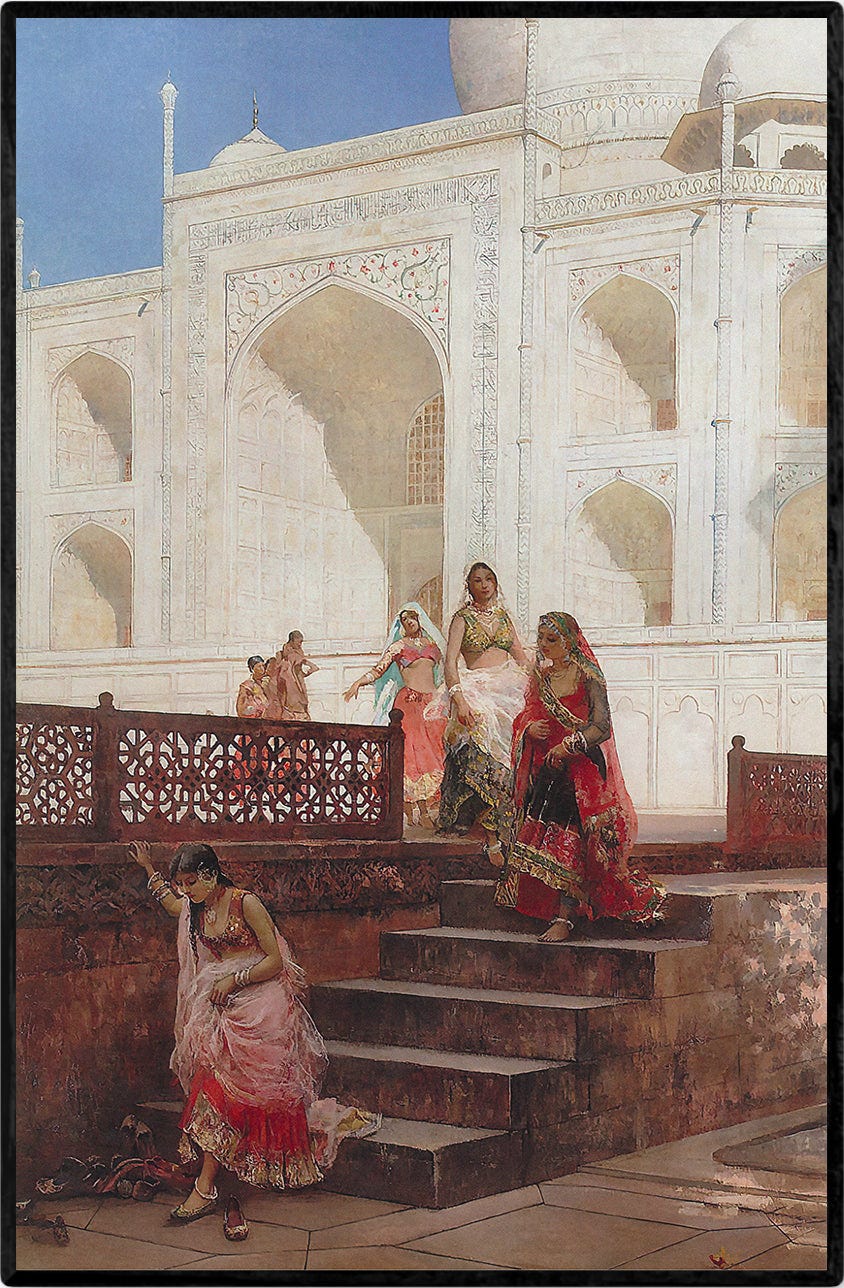
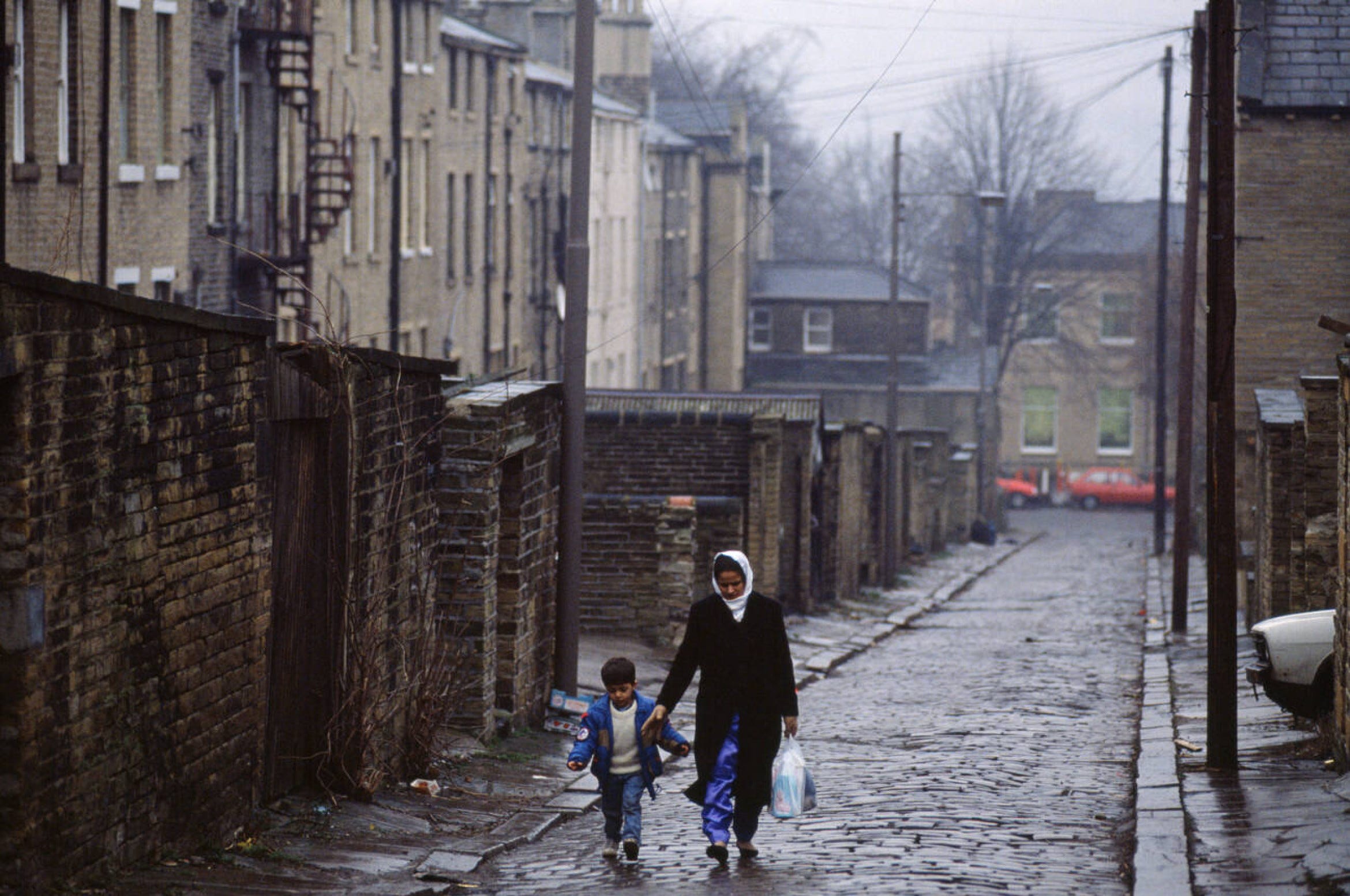
The history of British Pakistanis is not simply one of migration, but of belonging, adaptation, and community formation. It is also a story deeply embedded in the social, economic, and cultural development of modern Britain. Yet Pakistani migration to Britain is often framed primarily through statistics, labor market needs, and legislative change, reducing migration to matters of economics or policy. While these factors certainly shaped patterns of movement, they tell us little about a more fundamental question: how did temporary migration become permanent settlement?
Comments
Nothing yet. Say the first thing.
Sign in to join the conversation.