
Welcome to the Brown History Newsletter. If you’re enjoying this labor of love, please do consider becoming a paid subscriber. Your contribution would help pay the writers and illustrators and support this weekly publication.
If you like to submit a writing piece, please send me a pitch by email at brownhistory1947@gmail.com.
Don’t forget to check out our SHOP and our Podcast
Recommended Reads:
Who Sold Qawwali’s Aura?
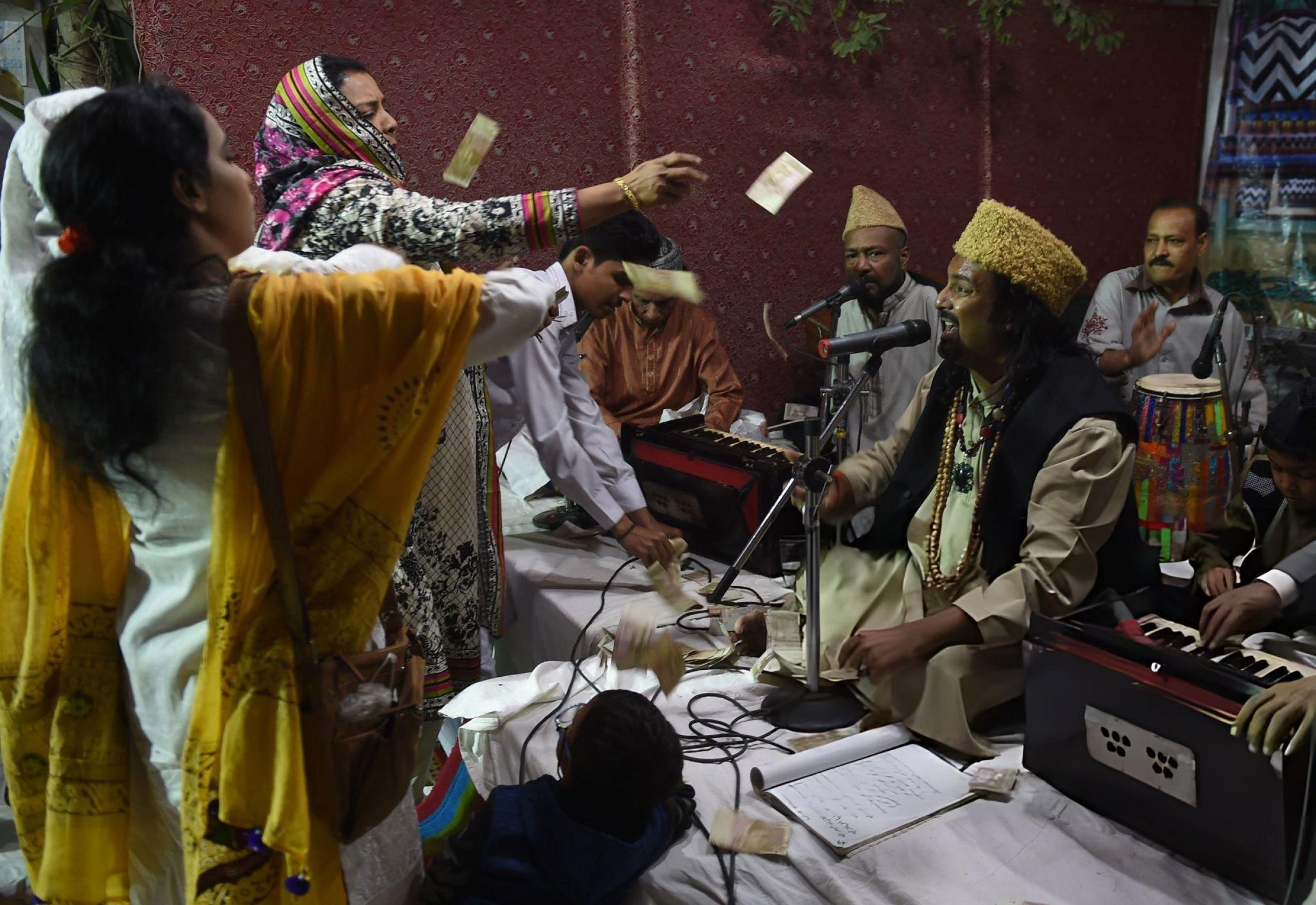
Through the devotional vision of Amir Khusrau, the thirteenth-century Sufi poet, qawwali took root in the courtyards of Hazrat Nizamuddin Auliya’s dargah in Delhi. It was sacred music, intended to express devotion to the Prophet and guide listeners towards sama, a state of spiritual ecstasy that only an accomplished qawwal could evoke. Centuries later, Nusrat Fateh Ali Khan carried that tradition beyond Delhi’s gharanas and onto the world’s greatest stages. Through the extraordinary power and serenity of his voice, audiences across the globe found themselves drawn into the same collective trance.
So what changed after Nusrat Fateh Ali Khan? In the long history of qawwali, his era feels as though it ended only yesterday, yet since his passing, the essence of qawwali has undergone a profound transformation. Whether that change has been for better or for worse is open to debate, but there is little doubt that the tradition itself has changed.
Comments
Nothing yet. Say the first thing.
Sign in to join the conversation.