
“If you can convince the lowest white man he's better than the best colored man, he won't notice you're picking his pocket. Hell, give him somebody to look down on, and he'll empty his pockets for you.” Lyndon B. Johnson
Lyndon B. Johnson understood something fundamental about power in America long before cable news or maga grievance culture existed. You do not have to make people richer, safer, or freer to control them. You just have to convince them that someone else deserves less.
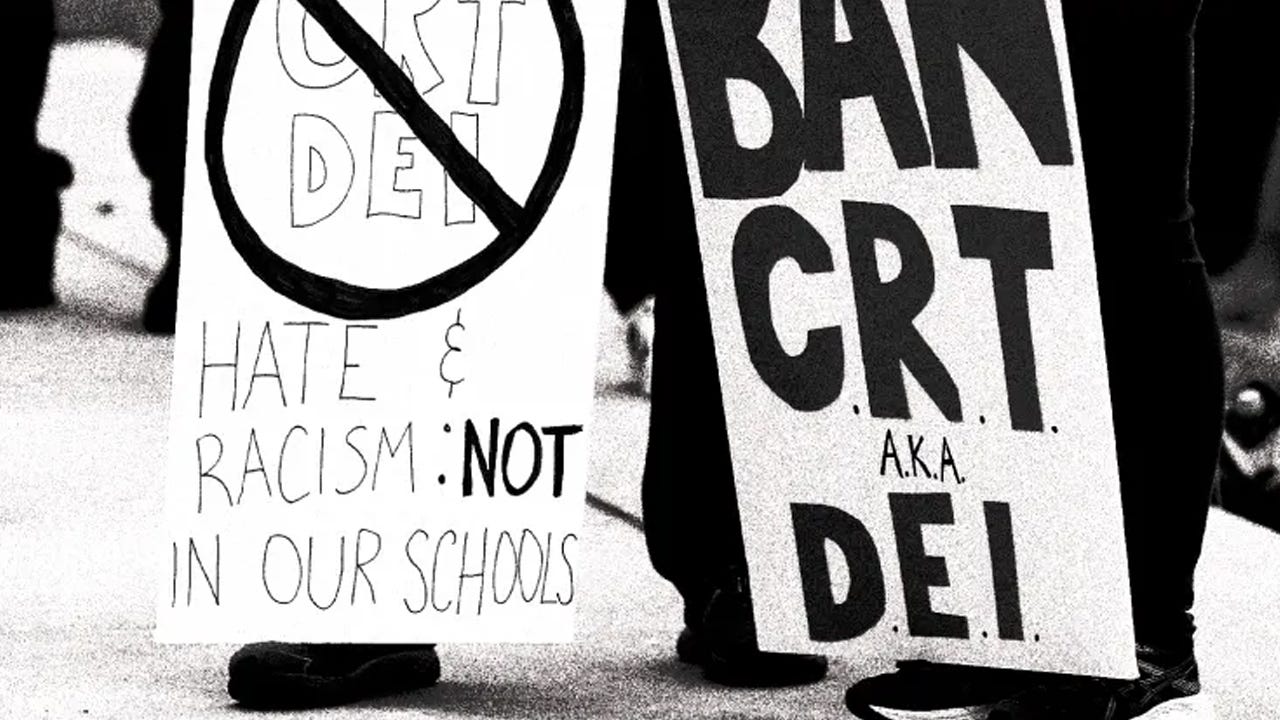
That insight explains almost everything about the cultural rot trump and maga have normalized, especially their hysterical obsession with attacking Diversity, Equity, and Inclusion. They painted DEI as some kind of freebie program that handed out high-paying jobs and elite opportunities to unqualified Black people, women, and people of color. In their telling, DEI stood for Didn’t Earn It.
That was always a lie.
DEI never existed to lower standards or reward mediocrity. It existed to open doors that had been deliberately kept shut. It was designed to ensure that when positions became available, they could no longer be quietly reserved for straight white men by default. Everyone still had to be qualified. In many cases, they had to be overqualified. The only real change was that the job market stopped being a whites-only club.
And that is what enraged them.
They were not angry because mediocrity was being rewarded. They were angry because their unearned advantages were no longer guaranteed. They were furious that the participation trophies they had quietly received for generations were suddenly up for competition.
This is the culture trump rose from and now presides over. Not a rebellion against unfairness, but a tantrum over lost entitlement. A movement that screams about merit while elevating failure, rewards loyalty over competence, and mistakes cruelty for strength.
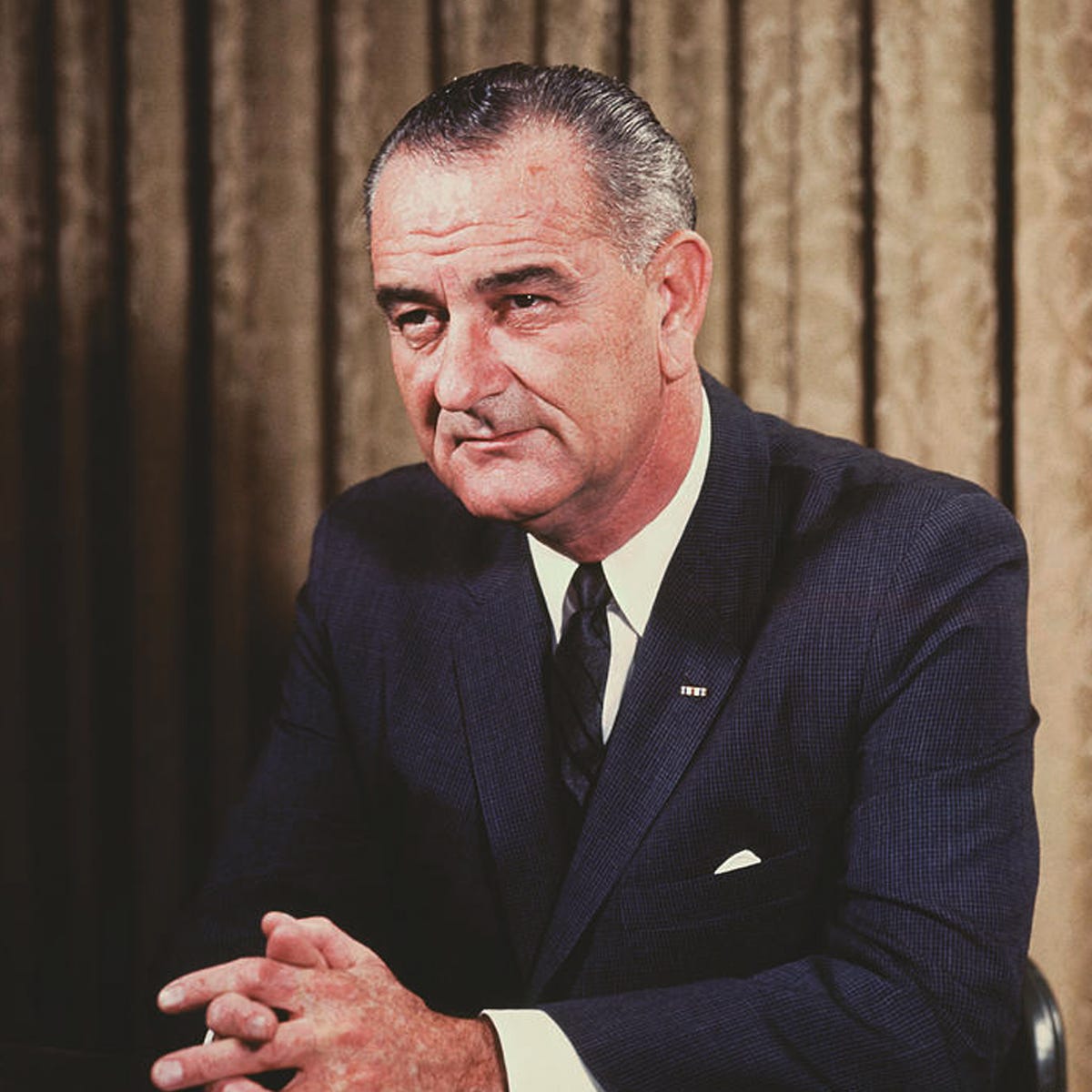
Lyndon B. Johnson portrait, archival photo
What followed was not a rejection of mediocrity, but its coronation.
They told themselves a very specific story about Diversity, Equity, and Inclusion because they needed it to be true.
They claimed DEI was a rigged system designed to hand out jobs and prestige to undeserving people. They said Black people, women, and other people of color were being elevated over more qualified white men simply to satisfy quotas. They insisted this was unfair. They insisted this was discrimination. They insisted they were the victims.
But DEI never guaranteed outcomes. It never handed anyone a job. It never lowered standards.
What it did was far more threatening.
It forced institutions to acknowledge how often qualified candidates had been quietly excluded. It required employers to widen the applicant pool. It made it harder to pretend that talent only came in one color, one gender, or one accent.
Everyone still had to compete. Everyone still had to earn it. In many cases, people from marginalized groups had to be better, sharper, and more credentialed just to be considered equal.
That was the real offense.
For generations, white mediocrity had been cushioned by access. Jobs were passed along through networks. Promotions were justified by vague notions of “fit” or “culture.” Failure rarely carried consequences, because there was always another soft landing waiting.
DEI disrupted that comfort.
And instead of rising to the challenge, they lashed out.
They reframed equality as theft. They reframed opportunity as favoritism. They reframed accountability as persecution. And they screamed about participation trophies while quietly demanding one of their own.
What they resented was not unfairness.
What they resented was competition.
That resentment needed a champion. Someone loud. Someone aggrieved. Someone deeply mediocre but endlessly confident.
They found him.
Nothing illustrates the participation trophy culture better than trump’s cabinet.
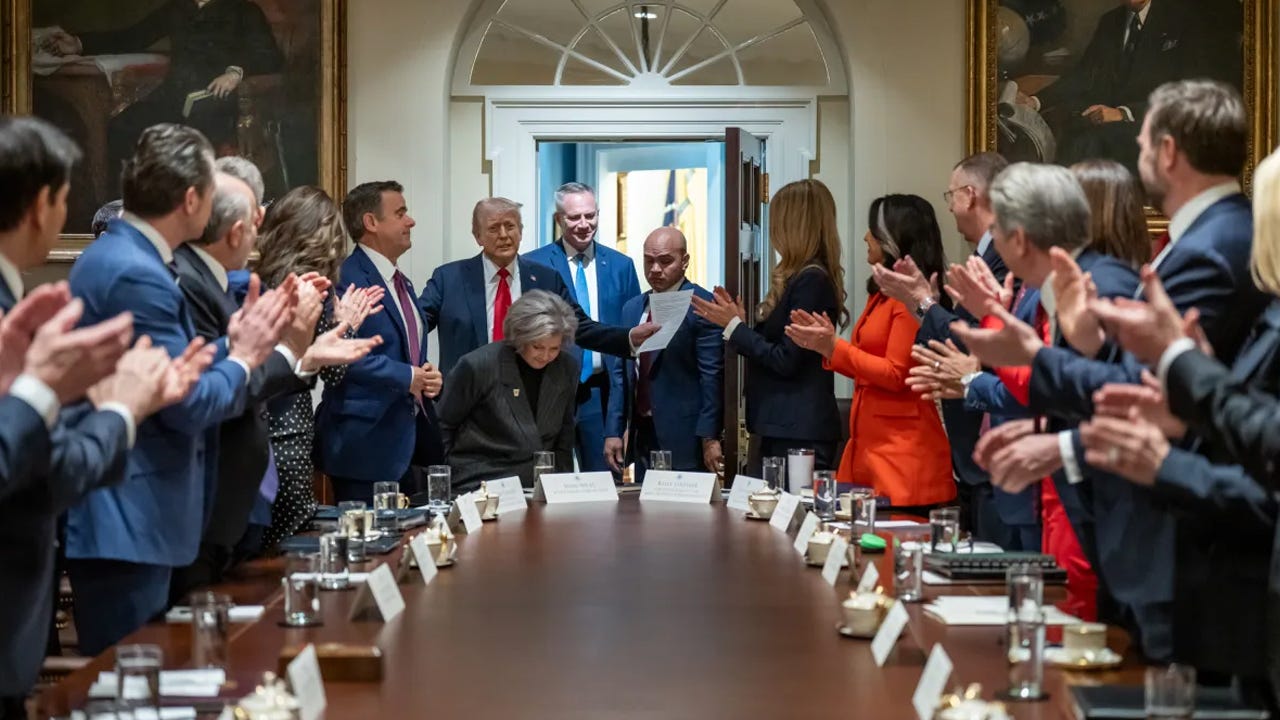
This was never a group assembled for competence, experience, or independent judgment. It was assembled for loyalty, obedience, and a willingness to clap on command. Watching one of trump’s cabinet meetings feels less like governance and more like a hostage video, except everyone is competing to sound the most grateful.
They take turns praising him. They trip over themselves to thank him. They stretch reality to absurd lengths just to flatter his ego. And they know the rules. The loudest praise wins. The most shameless devotion gets rewarded.
This is not leadership. It is a court.
Pam Bondi is not an attorney general in any meaningful sense of the word. She is a cheerleader with prosecutorial powers, deployed to protect trump and punish his enemies. The job is not to uphold the law. The job is to serve the man.
Pete Hegseth is a walking talking point with a microphone and a temper, promoted not because of discipline or judgment, but because he performs grievance well on television. Volume replaced expertise. Swagger replaced substance.
RFK Jr is what happens when conspiracy theories are treated as qualifications. He is not there to improve public health. He is there to validate suspicion, confusion, and distrust. In a culture that values spectacle over seriousness, that makes him perfect.
None of these people are exceptional. None of them are qualified for the gravity of their roles. But they are useful. They are loyal. And they know how to applaud.
This is how mediocrity gets rewarded. Not quietly, but lavishly. With titles, power, and proximity to the throne.
And it sends a very clear message.
You do not have to be good.
You just have to be grateful.
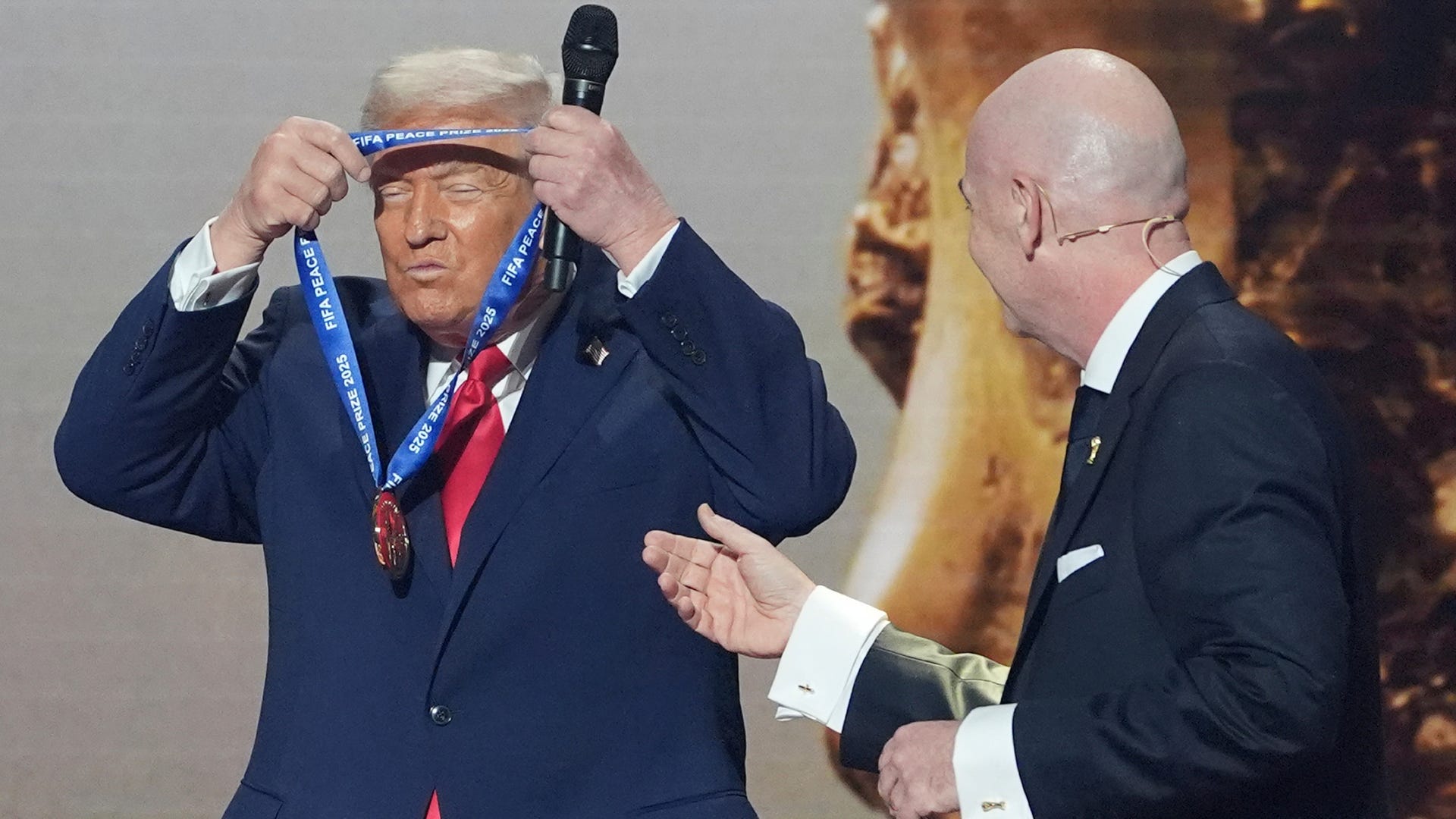
If trump’s cabinet is the participation trophy culture in motion, his obsession with awards is the psychology behind it.
No one has ever wanted to be praised more loudly or more constantly than trump. Not respected. Not admired. Praised. He does not want recognition earned through achievement. He wants applause detached from reality.
That is why he has spent years openly begging for the Nobel Peace Prize. Not subtly. Not coyly. Publicly. Repeatedly. Like a child staring at a shelf and insisting the prize belongs to him simply because he wants it.
Why would he deserve it?
He has deployed National Guard troops against American cities. He has used Border Patrol to terrorize communities. He has overseen operations in which U.S. citizens were abused and even killed. He has bombed multiple countries and territories while bragging about it.
None of this resembles peace.
And yet the entitlement remains. Because in the participation trophy culture, wanting something is treated as qualification enough.
When the Nobel Committee did not comply, trump did what he always does. He found a substitute. A fake award. Something invented purely to give him a shiny object and stop the tantrum. He accepted it proudly, because the point was never legitimacy. The point was validation.
The humiliation deepened when an actual Nobel laureate offered him her own prize in what can only be described as a desperate peace offering. Even then, the irony went unnoticed. He did not see how absurd it was. He only saw what he believed he was owed.
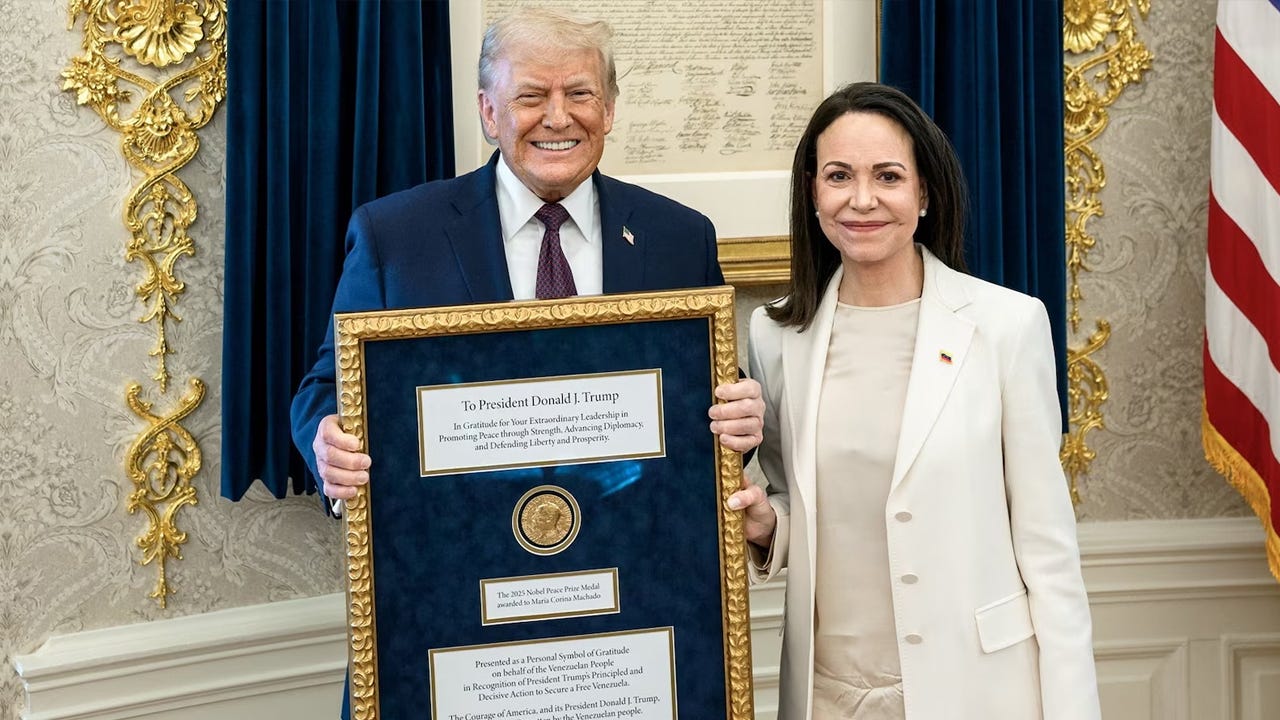
This is how participation trophies function in this culture. Not as consolation prizes, but as proof that merit no longer matters. That power can manufacture applause when the real world refuses to provide it.
And once you accept that premise, everything else follows.
Nothing exposes the participation trophy culture more clearly than trump’s relationship with losing.
He lost the 2020 election decisively. By millions of votes. In the popular vote. In the Electoral College. In courtrooms across the country. He lost, and he lost badly.
And it broke him.
For a man who had spent his life failing upward, losing publicly and unmistakably was intolerable. It was proof of mediocrity he could not spin away. It was confirmation that he was not popular, not admired, and not chosen.
So he did what participation trophy culture demands. He denied reality.
He told his followers the election was stolen. He encouraged fantasies. He rewarded loyalty to the lie and punished anyone who acknowledged the truth. Facts were replaced with feelings. Evidence was replaced with grievance.
When that was not enough, he escalated.
He sent allies to raid offices in Georgia, chasing election data from 2020 like a child trying to erase a bad grade. He pressured officials in Minnesota, a state he lost three times, demanding data as leverage while federal agencies remained embedded there as a threat.
The message was unmistakable. If you cannot win, change the story. If the story resists, use power. If power fails, scream louder.
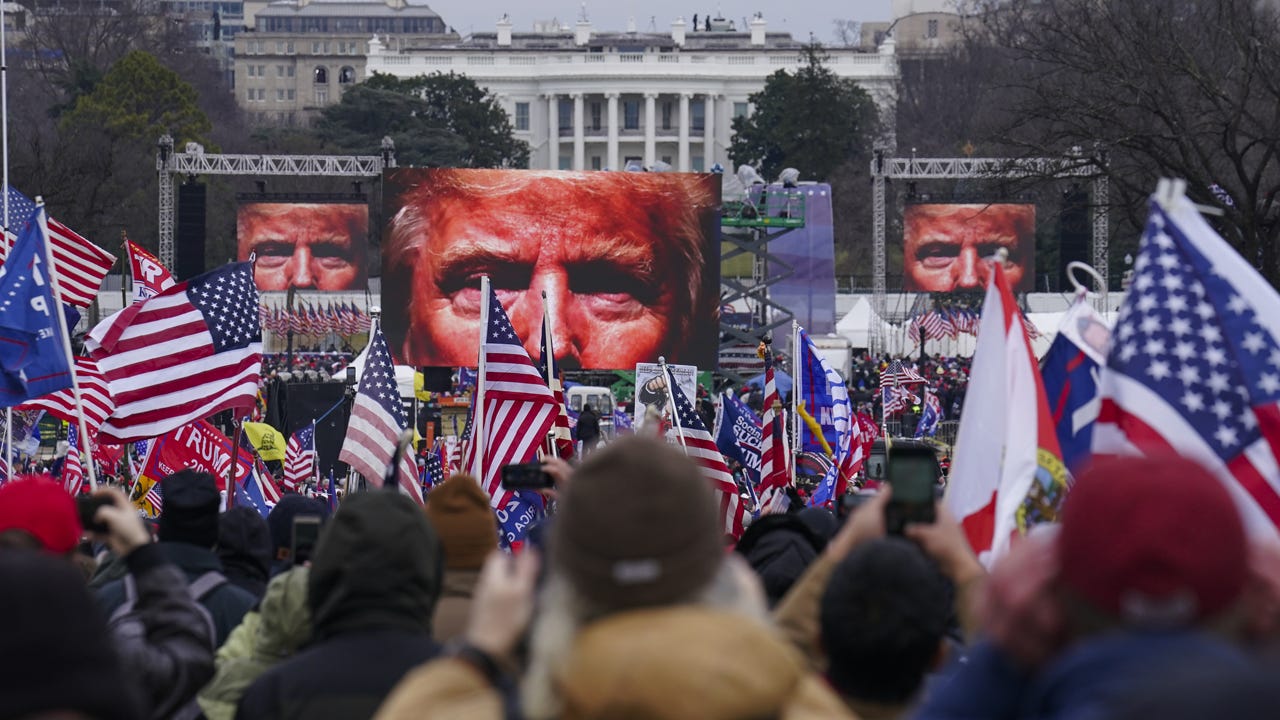
This is not strength. It is entitlement refusing to confront reality.
Participation trophy culture does not teach people how to lose with dignity. It teaches them that losing is illegitimate. That outcomes are optional. That authority exists to soothe wounded egos rather than serve the public.
And when that belief reaches the presidency, the consequences are catastrophic.
When policy fails and legitimacy collapses, spectacle takes over.
In the middle of economic strain for millions of Americans, trump has fixated on monuments to himself. Not metaphorical ones. Literal structures. Bigger buildings. Taller arches. Grander halls. Proof, in concrete and steel, that he matters.
He has pursued plans for a massive ballroom larger than the White House itself. He has floated the idea of constructing an arch meant to dwarf both the Arc de Triomphe and the Lincoln Memorial. He has even announced plans to remake the Kennedy Center, attaching his name to it and then acting shocked when artists and performers cancel in protest.
These projects are not about civic pride or national unity. They are about scale. About size. About compensating for something fundamentally lacking (my friend JoJo likes to call him “small in the pants,” LOL).
Participation trophy culture does not measure success by outcomes or impact. It measures success by visibility. By whether something looks impressive enough to distract from failure.
The irony is painful.
A man who cannot accept an election loss wants monuments. A man who rejects accountability wants legacy. A movement that screams about “real America” cheers as public resources are bent toward ego projects while real problems go unanswered.

This is what happens when vanity replaces service. When applause becomes the goal instead of results. When the illusion of greatness is valued more than the work of governing.
And it is not confined to buildings.
It infects culture too.
The participation trophy culture does not stop at politics. It spills into everything.
Take the recent maga meltdown over Bad Bunny being selected to perform at the Super Bowl. The reaction was immediate, loud, and utterly predictable. Influencers announced, with great drama, that they would not watch the halftime show. They vowed to boycott. They promised alternative programming, which somehow always turns out to be the same tired lineup of Kid Rock and Lee Greenwood.
It would be funny if it were not so revealing.
This was not about music. It was about resentment. Bad Bunny is one of the biggest artists on the planet. His success is undeniable. His audience is massive. His talent is not in question. What bothered them was that he does not fit their idea of who deserves that stage.
This was not even the first time. Shakira and Jennifer Lopez headlined the Super Bowl years ago. Bad Bunny himself performed then, alongside J Balvin, and there was no grievance counter programming. The difference now is not novelty. It is grievance that has been nurtured and weaponized; ICE is the hammer that has been summoned to punish their perceived enemies, enemies who do not take resources, jobs, or votes away from them.
Participation trophy culture teaches people that recognition they do not receive must be illegitimate. That applause given to someone else is an insult. That success without their approval is an attack.
So they pout. They stomp. They declare themselves victims of a culture that no longer centers them.
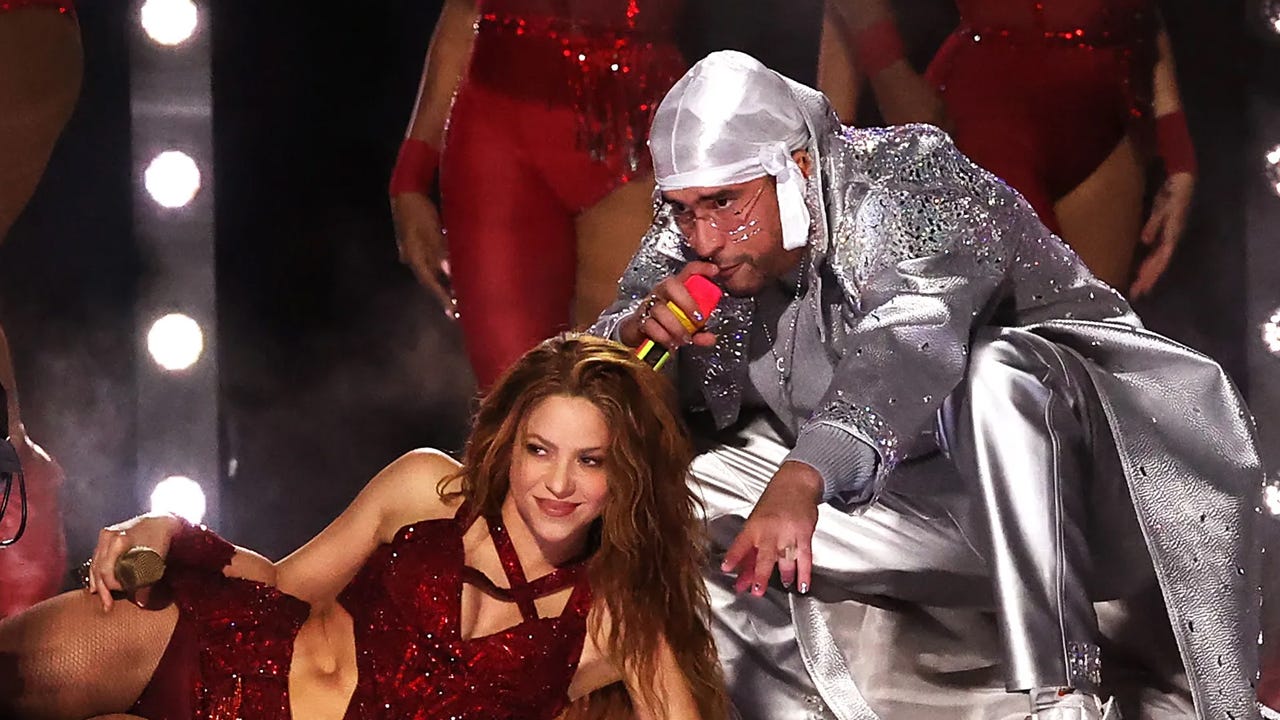
And instead of confronting why that feels threatening, they reach for familiar targets. Accents. Skin color. Culture. Anything that allows them to look down on someone else and feel momentarily superior.
Which brings us back to Lyndon B. Johnson.
This culture did not appear out of nowhere. It was cultivated deliberately.
Before trump descended the escalator, he tested the waters with birtherism. He looked at the first Black president of the United States and decided the most useful lie was to question whether he belonged here at all. It was crude. It was racist. And it worked.
Birtherism gave resentful white Americans exactly what Lyndon B. Johnson described. Someone to look down on. Someone to blame. Someone whose legitimacy could be endlessly questioned without ever addressing their own frustrations or failures.
That tactic became the blueprint.
During the escalator speech, trump did not offer hope or policy. He offered grievance. He waved away “political correctness” as though basic respect were oppression. He described Mexicans as criminals and predators. He promised a wall. He promised dominance. He promised that cruelty would once again be acceptable.
And people cheered.
From there, the targets kept changing, but the formula stayed the same. Muslims became threats. Latinos became invaders. Haitians became grotesque caricatures. Trans people became political props, despite representing a tiny fraction of the population.
None of these attacks fixed wages. None of them improved healthcare. None of them strengthened communities.
But they did something else.
They reassured people that if they were unhappy, it was not their fault. If they were struggling, it was because someone else was cheating. And if someone else was being punished, then perhaps the system was working after all.
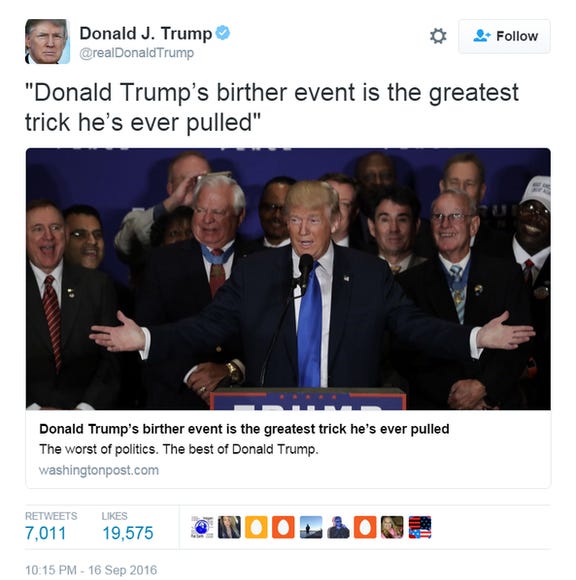
This is how participation trophy culture sustains itself. By converting resentment into identity. By turning grievance into virtue. By making victimhood feel like moral superiority.
And once people accept that, mediocrity no longer feels shameful.
It feels justified.
Participation trophy culture is not about kindness. It is not about inclusion. And it is certainly not about fairness.
It is about soothing wounded egos at any cost.
It is about telling people they are special without asking them to be better. It is about rewarding loyalty over competence, grievance over growth, and resentment over responsibility. It is about constructing a world where failure is never examined, only explained away.
trump did not invent this culture, but he perfected it. He understood that if you convince people they are owed greatness, you can redirect their anger anywhere you want. You can tell them the problem is immigrants. Or Black people. Or women. Or artists. Or anyone who reminds them that talent exists beyond their narrow sense of entitlement.
And while they are busy raging, you can pick their pockets.
You can enrich yourself. You can shield the powerful. You can fail spectacularly and still demand applause. You can lose elections and insist you won. You can hand out fake awards, build vanity monuments, and staff the government with loyal mediocrities who know how to clap.
That is the trophy.
Not a medal. Not a plaque. Not a ceremony.
The trophy is the permission to never be accountable.
Lyndon B. Johnson warned us what happens when resentment is weaponized. We are now living inside the result. A culture that mistakes cruelty for strength, noise for leadership, and grievance for merit.
Participation trophy culture does not lift people up. It drags the country down.
And the longer we pretend otherwise, the more damage it will do.
If you value writing that doesn’t flatter power or soften uncomfortable truths, consider supporting this work. Independent voices matter more than ever.
Where have you seen mediocrity rewarded most aggressively in politics or media?
Which example in this piece best illustrates the “participation trophy culture”?
No posts
Comments
Nothing yet. Say the first thing.
Sign in to join the conversation.