

So many authors struggle mightily to come up with the perfect subtitle for their books. I spend a lot of time titling and subtitling books (with the support of some amazing editors on the She Writes Press team), and I like to remind authors that subtitles serve a purpose—they’re meant to be a complement to the title title, to provide context, to hook readers, and to convey your book’s essence.
This purpose also varies by genre, and different genres have different conventions. Also, why and whether a book’s subtitle is very simple—ie, A Memoir, A Novel—can will vary by degree of what subgenre a novel falls into, whether a memoirist is famous or not, or whether the title is strong enough to carry the entirety of the book’s message.
Writerly Things is a weekly newsletter. Thank you (many times over) for reading, commenting, sharing, and especially for upgrading. I’m grateful.
Any conversation about book subtitles should start with genre. The quest for the perfect subtitle is often elusive, and there’s often more than one best outcome. My goal for any subtitle on the She Writes Press list is this: that it guide readers to know what the book is, and to connect readers with the author’s work. We also pay attention to trends; do’s and don’ts; and repetition (never repeat in the subtitle a word that’s already in the title), and I’ll end this post with some of these best practices.
Subtitles for Novels
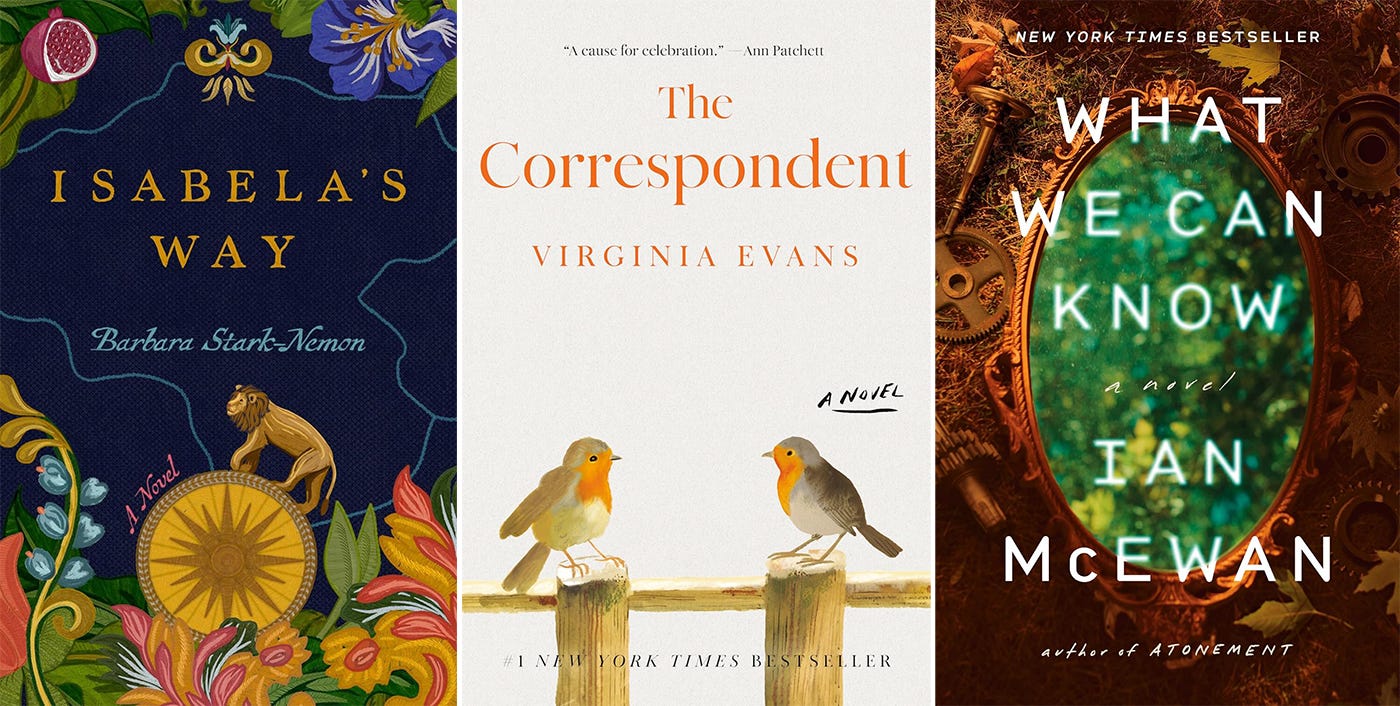
In most cases, the best subtitle choice for a novel is “A Novel.” This is mainly because not all novels are immediately recognizable as fiction, and because of convention. Publishing loves “how things have always been done,” and novels have a long history of not having subtitles.
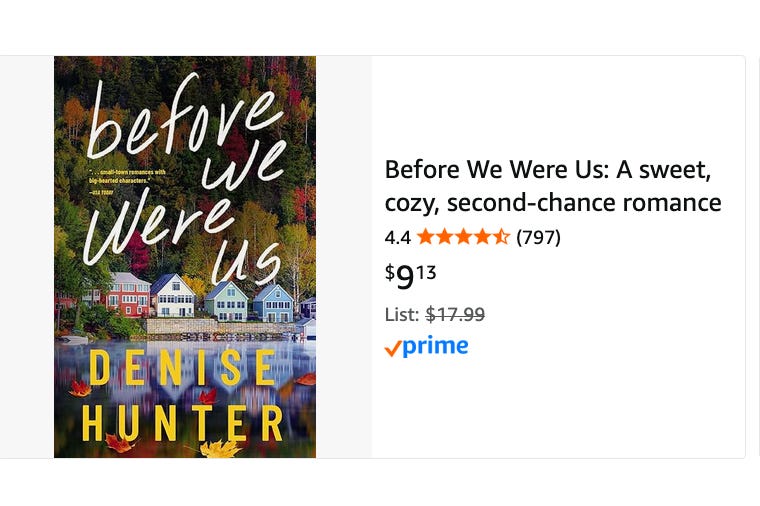
In fiction, there’s been a strong push, largely led by self-published authors, to give subtitles to genre fiction. The rationale for this is strong: keywords. Keywords lead to discoverability. This is why you’ll oftentimes you’ll see something that looks like a subtitle when you’re searching for a book online, but it’s really just that the publisher (or self-published author) populated the subtitle category with something searchable:
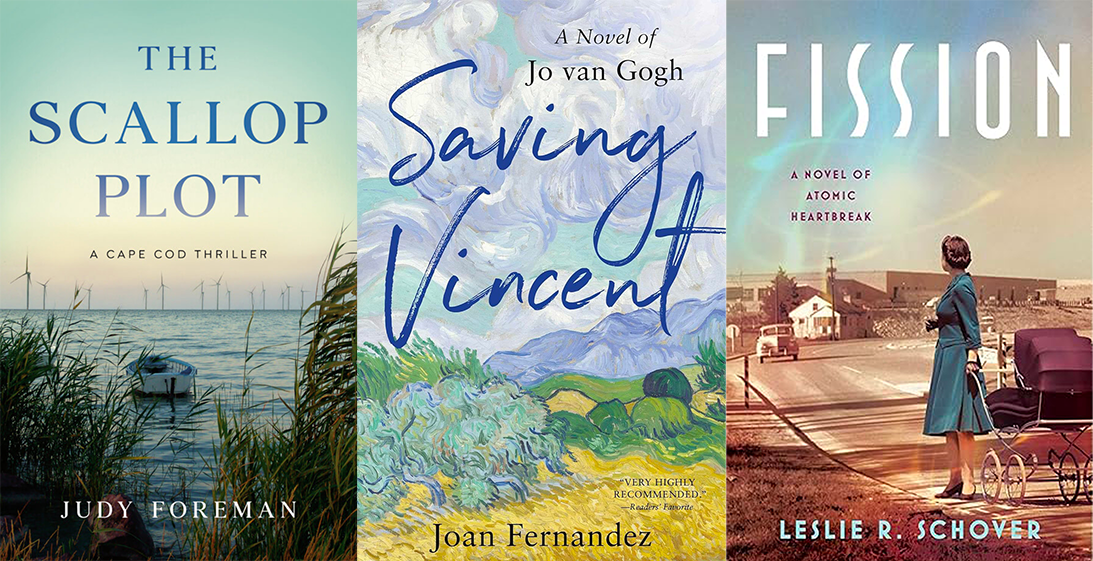
At She Writes Press, we use subtitles more often than not for our subgenre fiction: thrillers; romance; mystery; historical fiction; or fiction that’s about a historical figure (ie, Jo van Gogh).
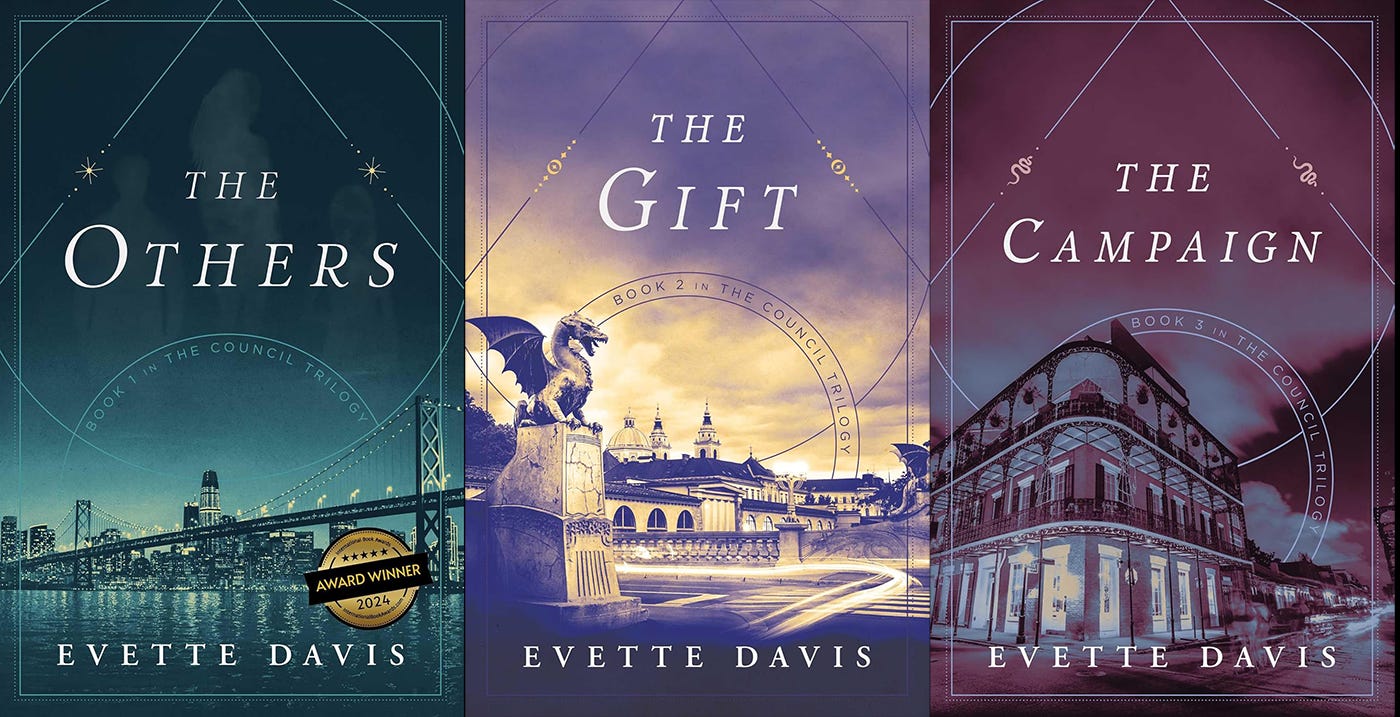
If you are writing a series, note that your series title is not the same thing as a subtitle. That said, a series title is always a nod to fiction. When readers see: Book One; Book Two; Book Three on the cover of a book, it can make the need for “A Novel” irrelevant. At She Writes Press we do both. Sometimes we leave “A Novel” on our series covers; sometimes we don’t.
Subtitles in fiction can be practical, descriptive, or artistic, but they should always serve the purpose of clarifying and enhancing the reader’s understanding of the book. That said, if you’re writing commercial fiction, don’t be surprised if your publisher wants to stick with the convention: A Novel. Not every novel is enhanced by a more descriptive subtitle.
Subtitles for Memoirs
Memoirs like to straddle between the simple A Memoir and sometimes much more descriptive subtitles. We use A Memoir only when the title is doing the heavy-lifting, so much so that we think additional words in the subtitle would be unnecessary. Sometimes if an author is well-known, or if their book is particularly literary, the publisher will deem A Memoir to be sufficient. Carmen Maria Machado’s In the Dream House could have carried a subtitle along the lines of: A Memoir of Surviving Domestic Abuse, but as a literary memoir, that would have been too heavy-handed. In these other two She Writes Press examples, we felt the titles and the cover treatment were strong enough to stand on their own.
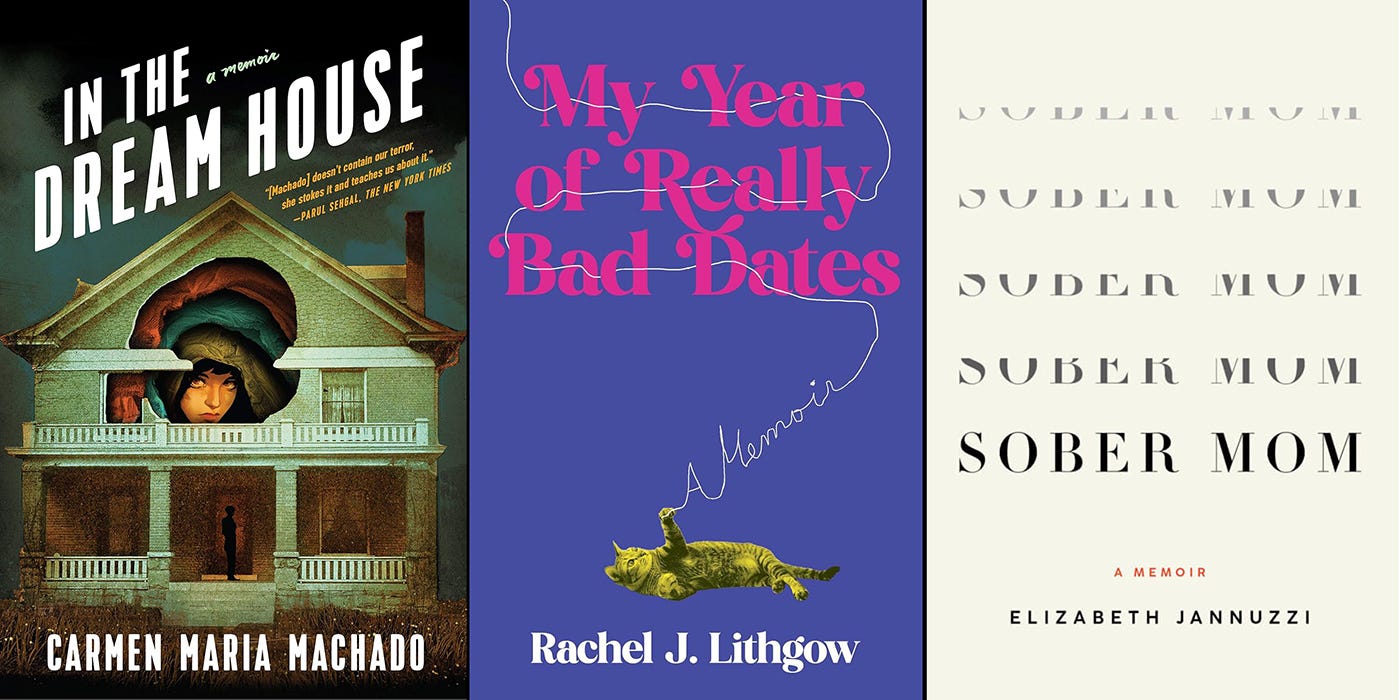
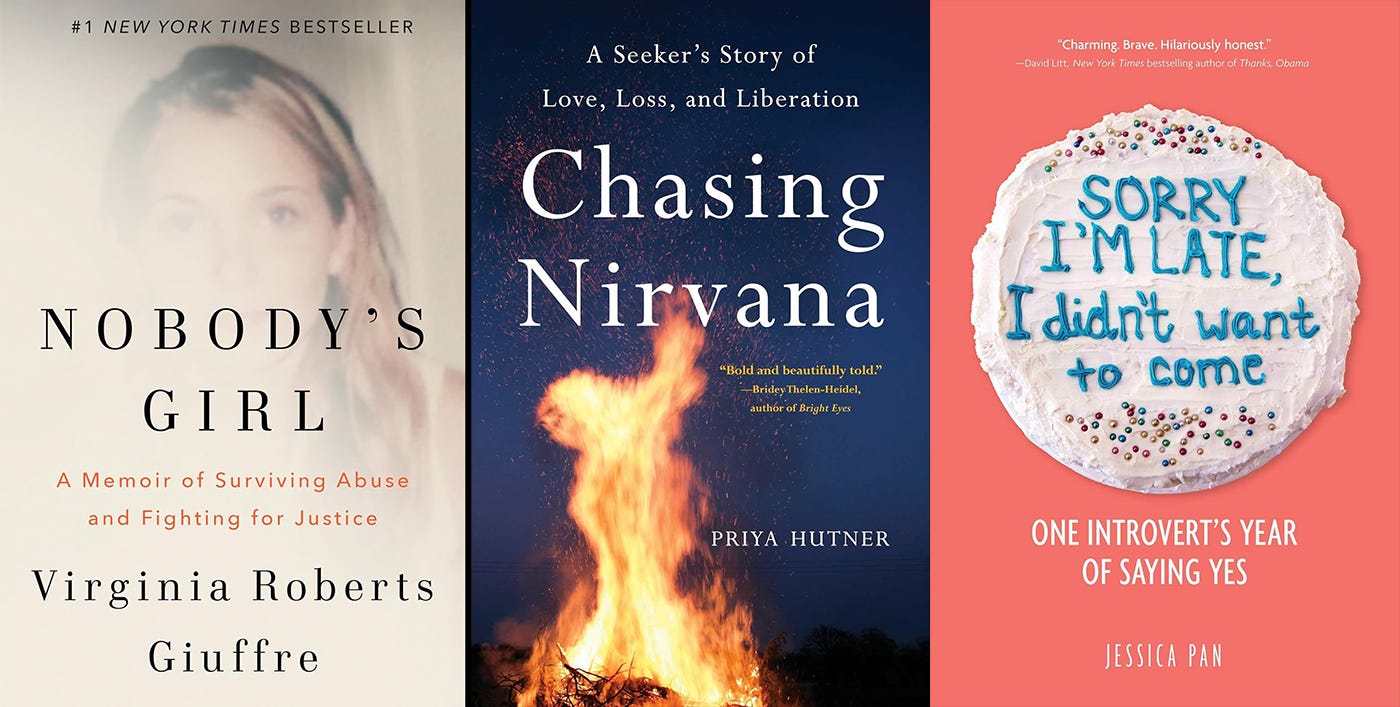
When we do opt for descriptive subtitles in memoir, our goal is almost always to drive home themes. Below you’ll see two common constructions—the passive version: A Memoir of [theme/message], and the active versions in which the subject leads: A Seeker’s Story…, One Introvert’s Year…. It’s not uncommon for us to subtitle our memoirs: A Daughter’s Memoir, or One Woman’s Journey…. Sometimes the subtitle works to identify the protagonist’s role in the story. If your book has a strong theme or message, it’s good to get those words in the subtitle so your reader knows what your book is about.
I’m personally a fan of subtitling memoirs. Like I said, there are reasons not to. But oftentimes if and when we opt for A Memoir on its own, our sales force at Simon & Schuster will ask us to go back and give the book a subtitle. And that’s not always an easy process. Widow in the City is one of our memoirs I’m excited about (coming out in May), and it’s a book that had a lot of subtitles before we landed on A Memoir of Heartbreaks and Hookups.
I dug up a handful here:
A Memoir of Grief and Getting Laid
A Memoir of Loss and Getting Laid
A Memoir of Falling Down and Hooking Up
A Memoir of Heartbreak and Hook-Ups
A Memoir of Pain and Pleasure
A Memoir of Grief, Growth and Lingerie
A Spicy Grief Memoir
A Memoir of Grief and Sexting
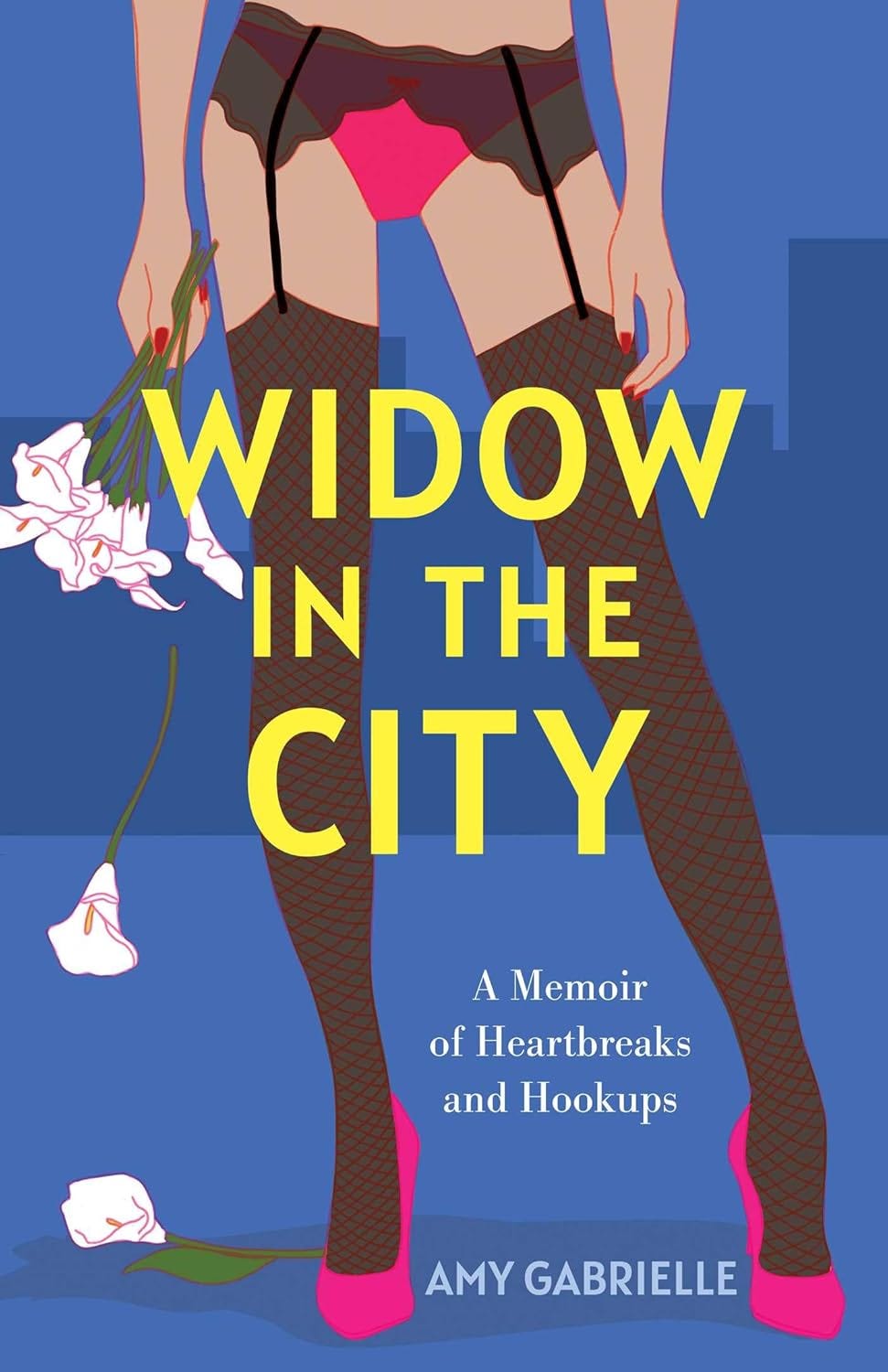
I love where we landed, and there must have been at least 15 exchanges between us and the author before we got here. These conversations matter—a lot—and getting it right means three parties have to agree: the author, the publisher, and the sales force. Once everyone’s on board, we can feel confident that we will pull readers along.
One construction we always avoid in memoir is the From ____ to _____. Memoirists seem to love this because it shows a trajectory: From the Streets to the Boardroom; From Addict to Successful Fill-in-the-Blank. This stems from the desire to show an arc (usually a la Rags to Riches), but publishers do not love it. Sometimes certain constructions simply don’t work as subtitles, or they feel amateur or overused.
One of my authors on a recent season sent me a couple of subtitles, neither of which “felt” like a subtitle, and that was the response I gave her about why I didn’t like them:
Southern Roots, Global Reach
Against All Odds
Others presented were either cringey (Surviving Sexism and Far Worse) or too vague (A Memoir of Perseverance).
Sometimes a publisher’s or editor’s job is simply to hold the line, or to explain why something doesn’t work. You want a publisher or an editor who will be in dialogue with you about your subtitle, and who’s willing to push back for the sake of getting it right. I like to remind my authors, it’s all in service of the book; it’s never personal.
Subtitles for Nonfiction or Self-Help Books
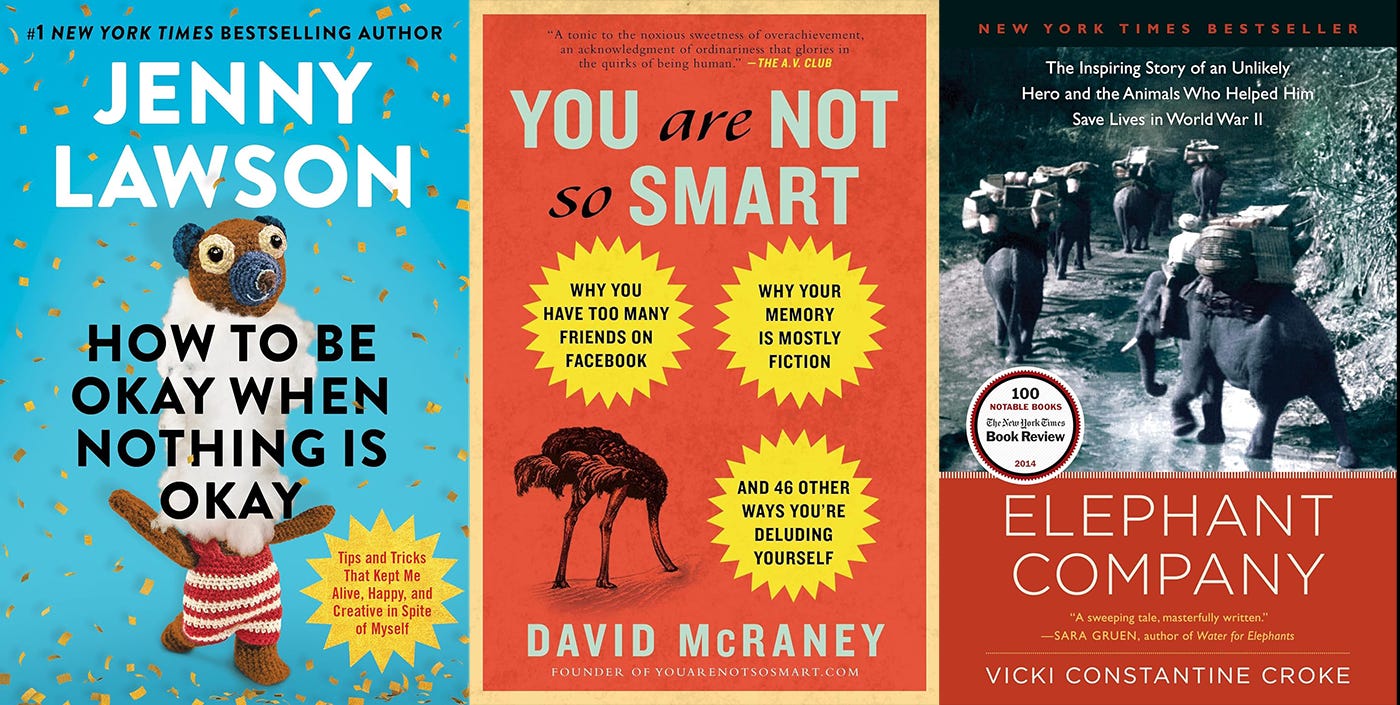
Finally, there’s nonfiction. Here the book subtitle has a bigger job. It’s to do the heavy lifting. Lots of times, therefore, nonfiction books will have long subtitles. In two of these examples—How to Be Okay When Nothing Is Right and You Are Not So Smart—the design solution to these funny, over-explainy subs was to put them in starbursts. In the case of Elephant Company, the long subtitle tells us exactly what the book is about: The Inspiring Story of an Unlikely Hero and the Animals Who Helped Him Save Lives in World War II. I can only imagine how long the publishing team and author might have workshopped that one!
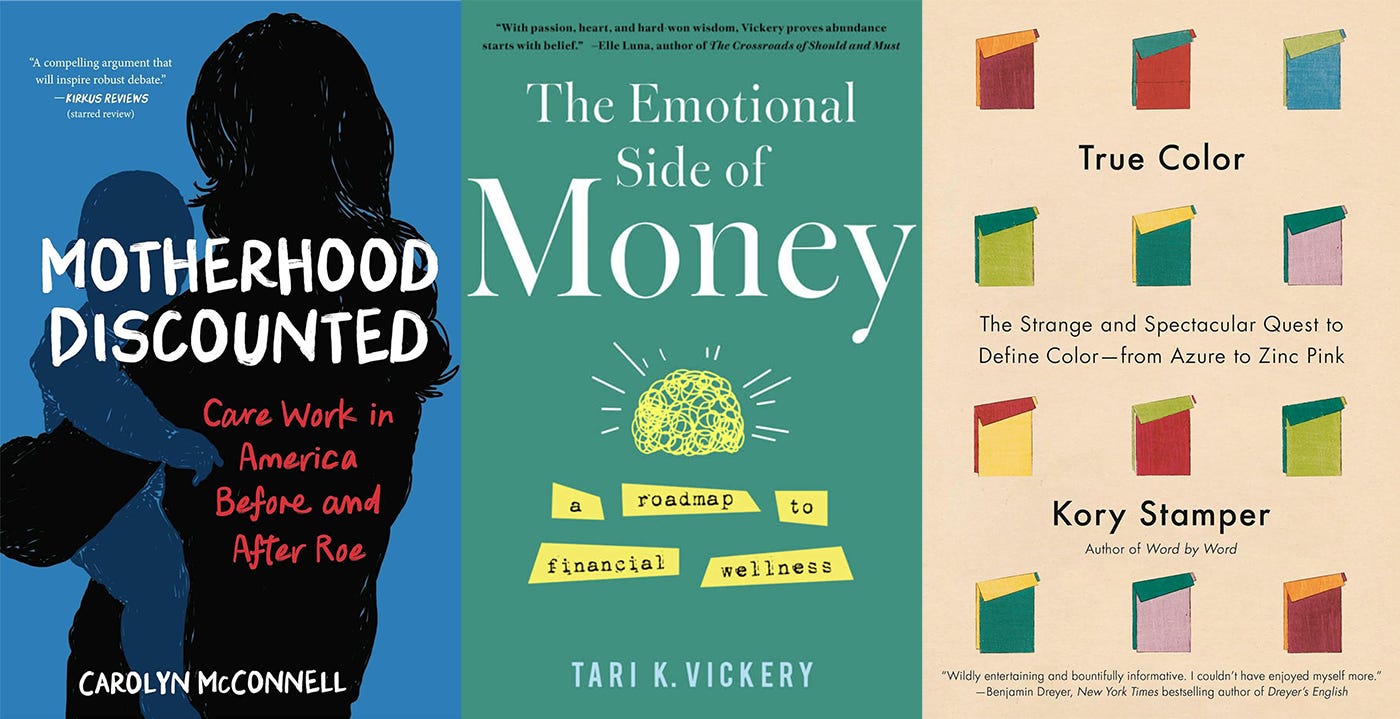
For other nonfiction, the point is to show what the book is going to deliver, what the reader can expect. Motherhood Discounted is on She Writes Press, and this was another much-workshopped subtitle. We had: How American Capitalism Punishes Mothers (too negative) and A History of Caretaking and Motherhood Before and After Roe (too long), and ultimately the author really wanted to use the term “Care Work.” In The Emotional Side of Money, we want to tell readers what they can expect: a roadmap, and we’re very pleased with the package on this one, which tells its own story. True Color is an interesting case study, where Knopf chose a simple, short title, and a long and intriguing subtitle to drive home what this book actually is.
Best Practices for Book Subtitles
Book subtitles that are long but not clever don’t help anyone. Stay concise. Workshop your subtitle till you pare it down to its core essence.
Remember that your reader has no context for the intricacies of your story when they’re browsing in the bookstore or online, so don’t try to do too much. Focus on your themes, and keep it straightforward.
If you have a publisher, trust that they understand the industry and that they know what booksellers are expecting. Lean into their expertise.
Spend lots of time looking at other subtitles. Pay attention to where a book is published. Legacy publishers have lots of experience doing this work, and they’re better publishers to take your cues from than self-published authors.
If you know that online is your main or only sales vehicle, use keywords in your subtitle, but use them effectively. Read up on keywords and their purpose, and run your ideas by people who have book experience, not just your friends.
Clunky, heavy-handed subtitles carry the mark of an amateur.
Don’t repeat in your subtitle a word you’ve already used in your title—ever.
Getting your subtitle right is part of publishing a book that holds its own against traditionally published books.
When in doubt, keep it simple.
General Questions for All Genres
What role does your subtitle need to play (e.g., clarify the title, highlight themes, attract specific readers)?
Does the subtitle clearly communicate what the book is about to someone unfamiliar with the title or with you as an author?
Is the subtitle concise and easy to read, or is it overly long and clunky?
Does the subtitle align with the tone and style of your book?
For Fiction
Should you include “A Novel” to ensure readers know this is a work of fiction?
Do you want to enhance your subtitle with keywords to convey its subgenre (ie, mystery, fantasy, romance)?
If your book part of a series, so maybe you don’t need a subtitle at all?
For Memoirs
Does the subtitle explain or enhance the title for readers unfamiliar with your story?
Does the subtitle reflect the central themes or key emotional threads of your work?
If your subtitle is long, is it clever, funny, or engaging enough to warrant the extra length?
For Nonfiction and Self-Help
Does the subtitle highlight the book’s structure (ie, “Nine Steps to...”) or clearly outline what readers will gain from it?
Have you included keywords that potential readers might search for online?
Does the subtitle address a specific problem your audience faces, or does it offer a solution or a promise?
Market and Reader Considerations
Will the subtitle resonate with your target audience and meet their expectations for this genre?
How does your subtitle compare to others in my genre? Is it overused? Can you think of something more original?
Have you researched relevant keywords and trends to ensure discoverability online?
Final Refinement
Can I simplify the subtitle while retaining its core message?
Does the subtitle flow naturally when spoken or read aloud?
Have you tested the subtitle with trusted readers or professionals in my genre for feedback?
If you have a publisher, does the subtitle align with their expectations and what their sales force wants?
Crafting the perfect subtitle is both an art and a science, requiring a balance between creativity, clarity, and strategy. By aligning your subtitle with your book’s genre, themes, and target audience, you will create a compelling complement to your title that entices readers and enhances discoverability. Good luck, dear writers!
*This post is a much-updated and totally enhanced version of a post I originally published on the IngramSpark blog in 2017.
Thanks for sharing with an author or writer in your life . . . ⤵
Writerly Things with Brooke Warner is a reader-supported publication. To receive new posts and support my work, consider becoming a free or paid subscriber.
Comments
Nothing yet. Say the first thing.
Sign in to join the conversation.