
BEEF:
Nature’s Most Complete Food
What Your Doctor Was Never Taught —
And What Science Is Now Proving
A Plain-Language Patient Guide
For the past fifty years, beef has been portrayed as a villain — a dangerous food that clogs arteries, raises cholesterol, and shortens lives. Americans were told to eat less of it and replace it with vegetable oils, whole grains, and low-fat processed foods. The government put grains at the base of the Food Pyramid. The American Heart Association endorsed margarine. Doctors warned patients away from red meat.
And over those same fifty years, Americans got sicker. Obesity tripled. Diabetes quadrupled. Half of all adults now have some form of cardiovascular disease. Nearly one in three has metabolic syndrome. These are not the outcomes of a population that ate too much beef. They are the outcomes of a population that replaced real food with industrially processed substitutes — and was told by institutions corrupted by food industry money that doing so was healthy.
This guide tells the other story. The story of what beef actually contains, what it actually does in your body, and why a growing number of physicians — armed with the evidence that official guidelines ignored — are recommending it to patients with diabetes, obesity, inflammatory disease, depression, and a long list of other conditions that our current food system helped create.
“I have spent ten years watching patients reverse type 2 diabetes, lose weight without hunger, resolve inflammatory conditions, and discontinue medications they had been told they would need for life — simply by returning to an animal-based diet centered on beef. The evidence is not new. It was suppressed. This guide is about what it actually says.”
In the 1950s, a scientist named Ancel Keys decided that dietary fat — particularly saturated fat from animal foods — caused heart disease. His evidence was a graph comparing fat consumption to heart disease rates in six countries. The problem? Data existed for twenty-two countries. He left out sixteen of them because they didn’t support his theory.
That cherry-picked data became the foundation of fifty years of dietary guidelines. The sugar industry then secretly paid Harvard scientists to publish papers pointing the finger at fat instead of sugar — and one of those scientists later helped write the first U.S. dietary guidelines. These facts were buried in industry archives until 2016, when a researcher at the University of California published the documents in one of the world’s most prestigious medical journals.
Meanwhile, Procter & Gamble — the makers of Crisco vegetable shortening — donated $1.5 million to the American Heart Association in 1948, essentially launching the organization as we know it. Not coincidentally, the AHA became the primary institutional voice telling Americans to replace butter and beef tallow with vegetable oils. The seed oil industry boomed. Public health collapsed.
▶ The science that blamed beef was corrupted from the beginning.
▶ The institutions that endorsed that science were funded by the industries that profited from it.
▶ The guidelines built on that science have never been corrected — despite decades of contradictory evidence.
When researchers pooled data from nearly 350,000 people in 21 different studies (published in the American Journal of Clinical Nutrition, 2010), they found no significant link between eating saturated fat and heart disease. When a different team pooled data from 72 studies covering 600,000 people (Annals of Internal Medicine, 2014), they found the same thing. When the largest nutritional study ever conducted — the PURE Study, following 135,000 people across 18 countries — published its results in the Lancet in 2017, it found that eating more fat was associated with living longer, while eating more carbohydrates was associated with dying sooner.
None of this was a secret within the research community. It simply never made it into the guidelines — because the institutions writing those guidelines had spent decades committed to a story they couldn’t afford to reverse.
The bottom line: Beef did not cause the chronic disease epidemic. The replacement of beef and butter with sugar, refined carbohydrates, and industrial vegetable oils did.
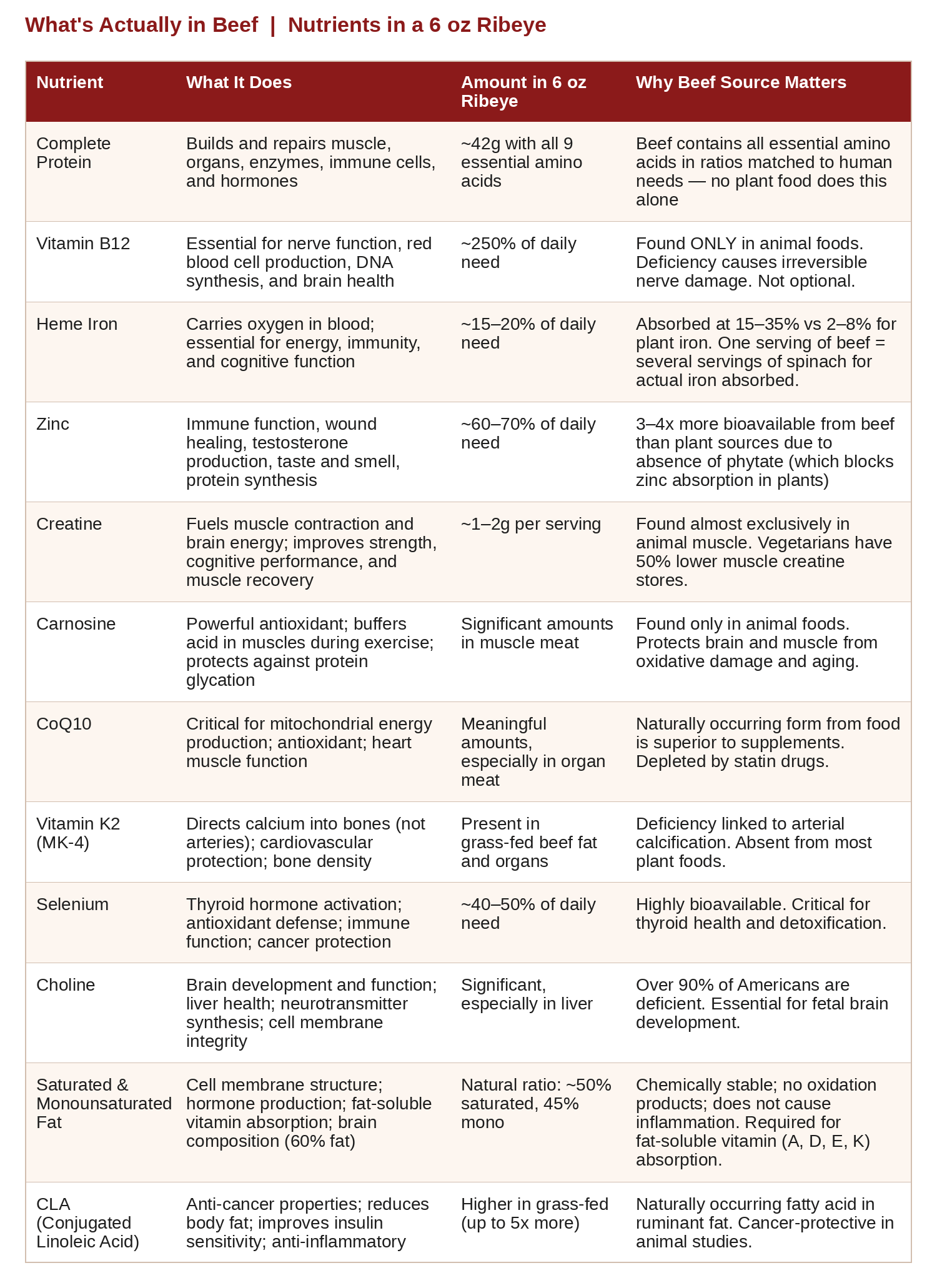
Beef is not just protein. It is one of the most complete packages of human-essential nutrients found in any single food. Every nutrient in beef comes in a form your body was designed to absorb and use — what scientists call “bioavailable.” That’s a crucial distinction, because many nutrients in plant foods are bound up in forms the human body struggles to extract
.
What About Beef Liver? The Most Nutritious Food on Earth.
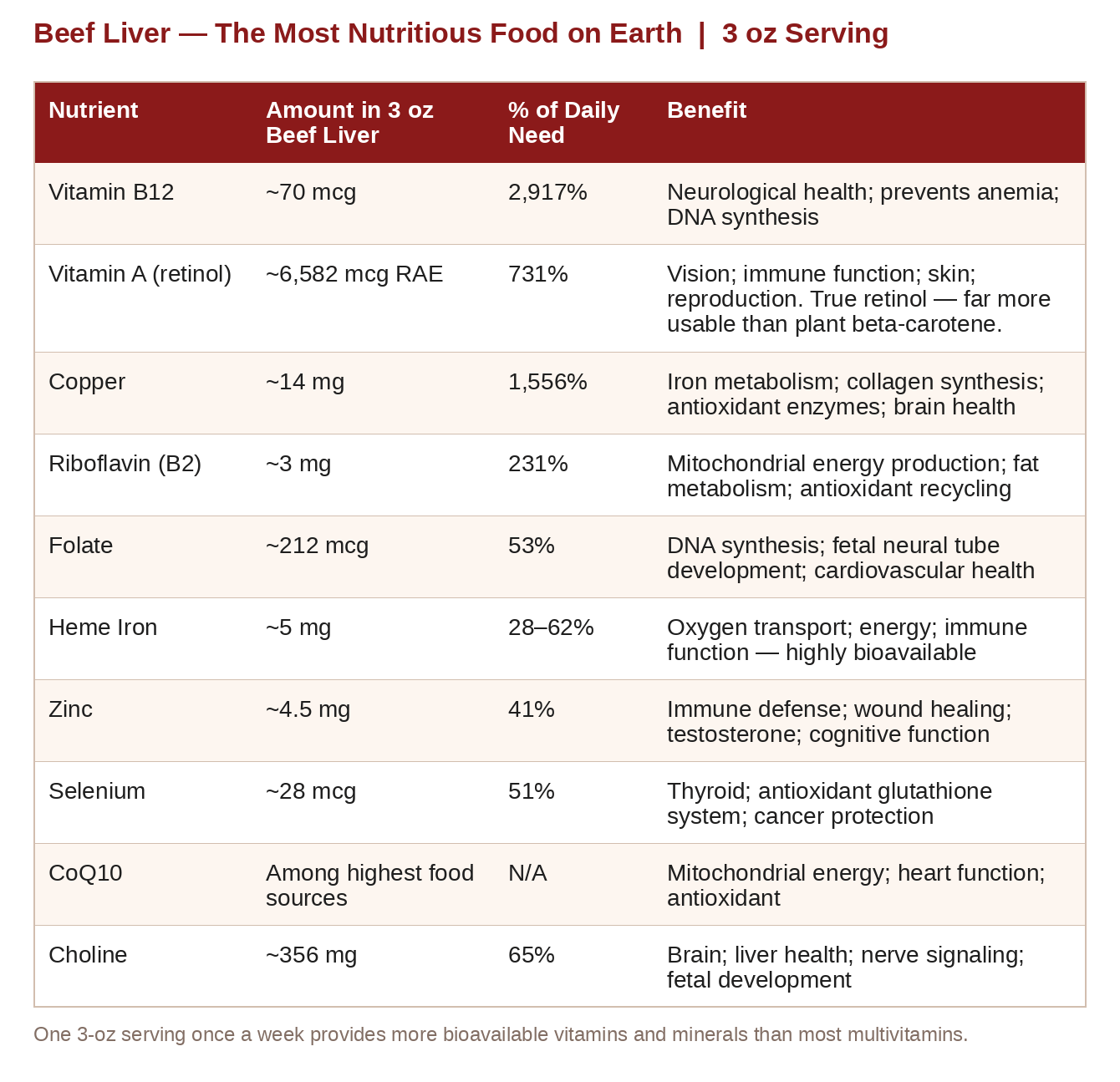
If beef is a nutritional powerhouse, beef liver is the nuclear reactor. Ounce for ounce, liver contains more vitamins and minerals than virtually any other food on the planet — including kale, spinach, blueberries, or any supplement on the market. Traditional cultures around the world prized organ meats above muscle meat precisely because of this. The modern Western diet’s abandonment of organ consumption is one of the most significant, and least discussed, nutritional impoverishments of the 20th century.
One 3-ounce serving of beef liver once a week provides more bioavailable vitamins and minerals than most multivitamins — in forms your body actually recognizes and uses. There is no supplement stack that replicates it.
Share The Rancher Doctor Newsletter
Before explaining how beef helps, it’s important to understand what is actually driving most chronic disease. The answer, in most cases, is not too much fat. It’s too much insulin.
When you eat sugar, bread, pasta, rice, cereal, juice, or anything made primarily from refined carbohydrates, your blood sugar rises rapidly. Your pancreas releases insulin to bring it back down. Insulin is a powerful hormone, and when it’s chronically elevated — which happens when you eat a high-carbohydrate diet three to six times a day — bad things happen:
▶ Fat storage increases and fat burning shuts off
▶ The liver converts excess sugar to fat (causing fatty liver disease)
▶ Cells become resistant to insulin, requiring more and more of it
▶ Inflammation rises throughout the body
▶ Blood pressure increases
▶ Triglycerides rise and HDL (good cholesterol) falls
▶ The brain’s reward system is hijacked, creating food cravings and addiction
▶ Cancer cells, which feed primarily on glucose, are given a growth advantage
This state — chronic high insulin driving chronic inflammation driving chronic disease — is what we now call metabolic syndrome. It affects nearly 40% of all American adults. And it is almost entirely caused by diet. Which means it is almost entirely reversible by diet.
Beef, as a food that contains zero carbohydrates and therefore causes no insulin spike, is not merely innocent of causing this problem. It is a direct solution to it. An animal-based diet centered on beef eliminates the dietary driver of hyperinsulinemia and provides the building blocks for every tissue the body needs to repair.
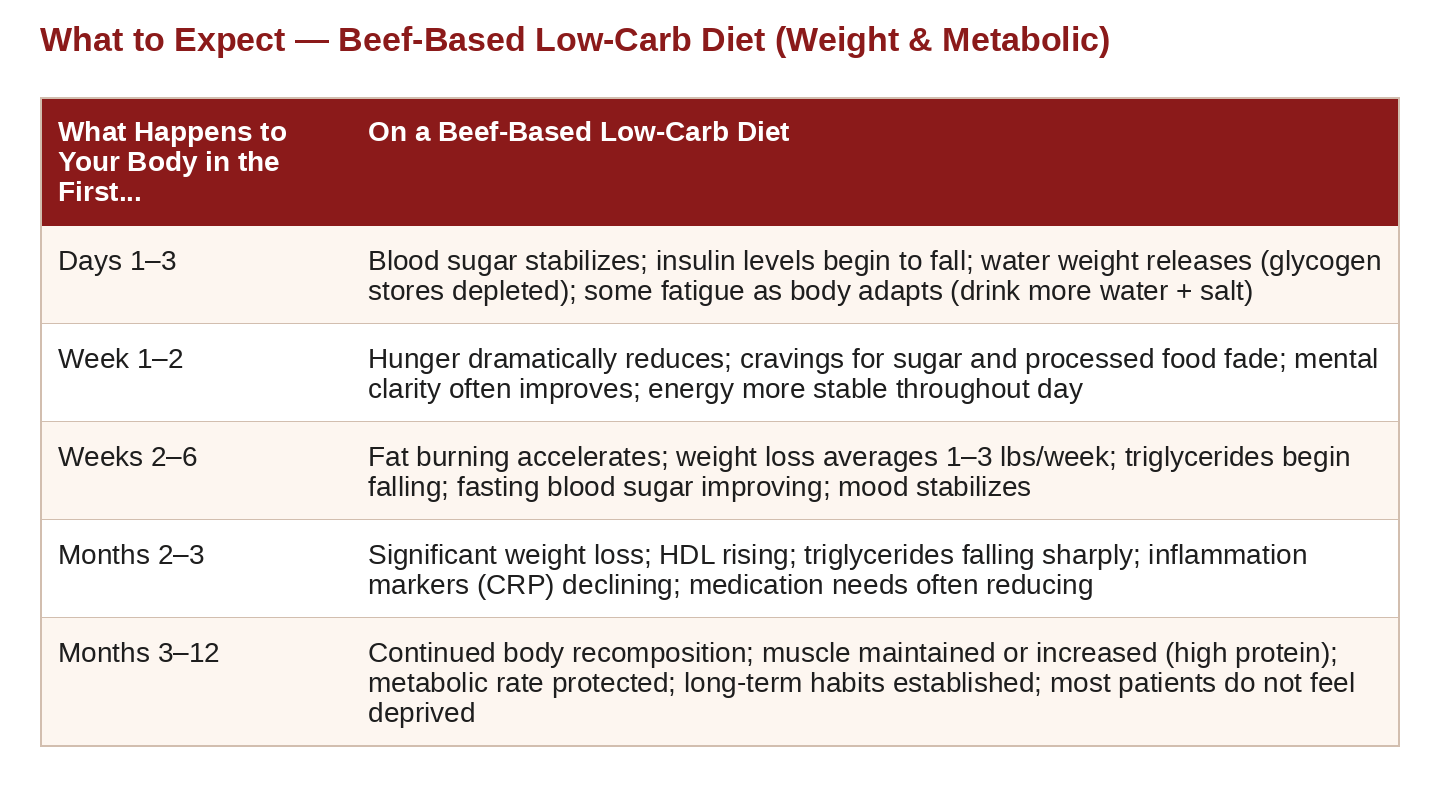
Diets fail for one primary reason: hunger. When your body is running on glucose from carbohydrates, it swings between blood sugar highs and lows that create relentless hunger, cravings, and the feeling that willpower is the only thing standing between you and the refrigerator. This is not weakness of character. It is the predictable physiological consequence of eating foods that spike and crash your blood sugar.
When you shift to an animal-based diet, something remarkable happens: hunger largely disappears. Protein and fat are the most satiating macronutrients — they turn off hunger hormones for far longer than carbohydrates do. Without the blood sugar roller coaster, the constant craving cycle stops. And without chronically high insulin, your body can finally access and burn its stored fat as fuel.
Real patient experience: “I had tried every diet. I was always starving, always thinking about food, always failing. On a beef-based diet, for the first time in my adult life, I wasn’t hungry between meals. I lost 60 pounds in eight months. I didn’t count a single calorie.
”
Type 2 Diabetes: A Reversible Dietary Disease
Type 2 diabetes is, at its core, a disease of carbohydrate intolerance. The body has lost its ability to handle large amounts of sugar and starch without pathological consequences. The obvious therapeutic conclusion — reduce the substance the body can no longer tolerate — has been resisted by mainstream medicine for decades, in large part because the dietary guidelines that created the problem could not acknowledge that removing carbohydrates might solve it.
But the evidence is now overwhelming. The Virta Health trial — one of the most rigorous dietary intervention studies ever conducted — followed 349 patients with type 2 diabetes on a ketogenic, animal-based diet for two years. At one year, 60% had reversed their diabetes entirely. 94% had reduced or eliminated insulin. Average HbA1c (the 3-month blood sugar average) dropped from 8.0% to 6.3%. Triglycerides fell by 24%. HDL rose by 18%. These are outcomes that no diabetes drug has ever produced at this scale.
▶ Type 2 diabetes is not a life sentence. It is a dietary disease with a dietary solution.
▶ Every gram of carbohydrate you replace with beef is a gram that doesn’t spike your blood sugar.
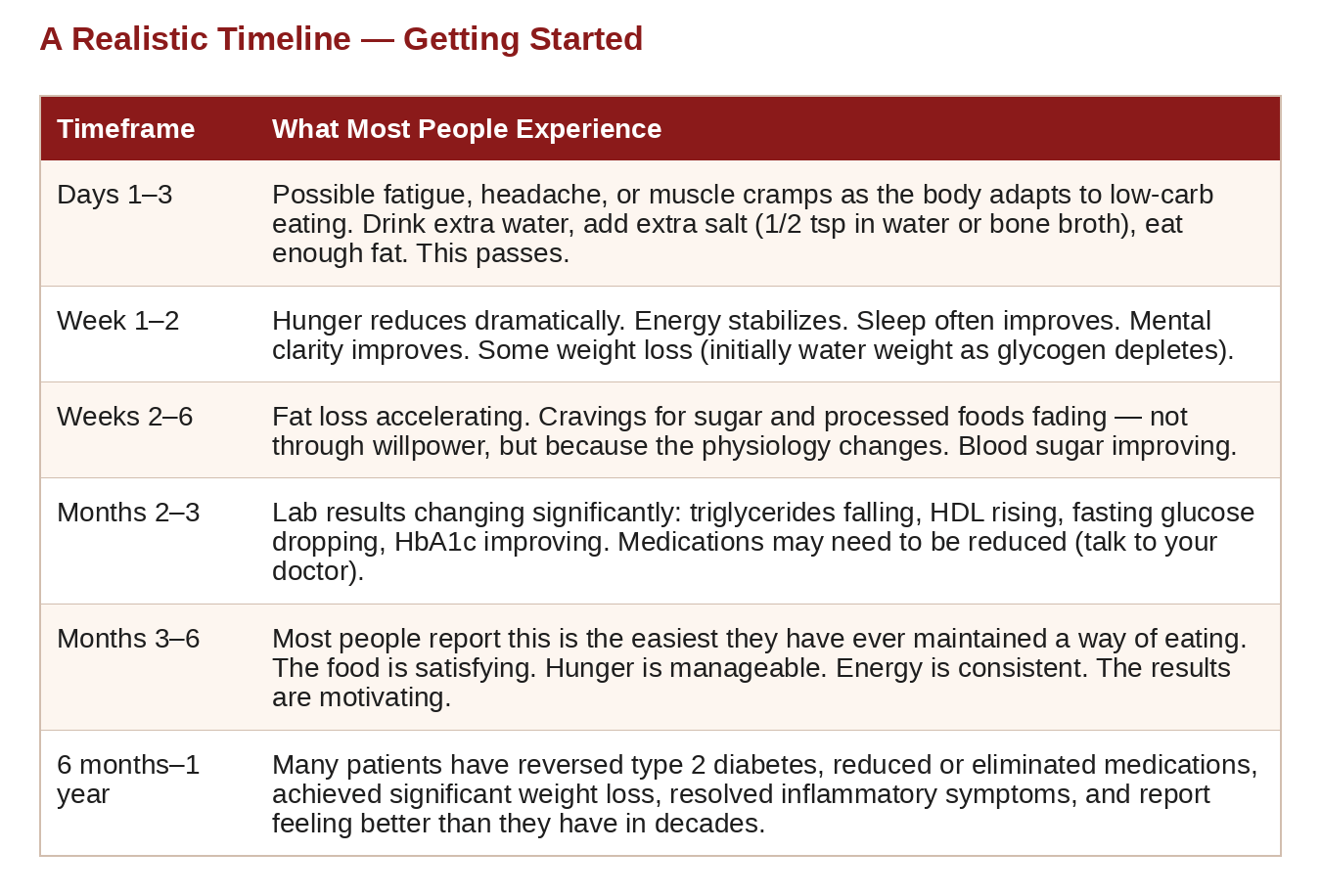
▶ Most patients who commit to an animal-based diet can reduce or eliminate diabetes medications within 3 to 6 months — under physician supervision.
Important: If you take diabetes medications — especially insulin or sulfonylureas — you MUST work with your physician when changing your diet. As your blood sugar drops, your medication doses must be reduced accordingly. This is a good problem to have. It means the diet is working.
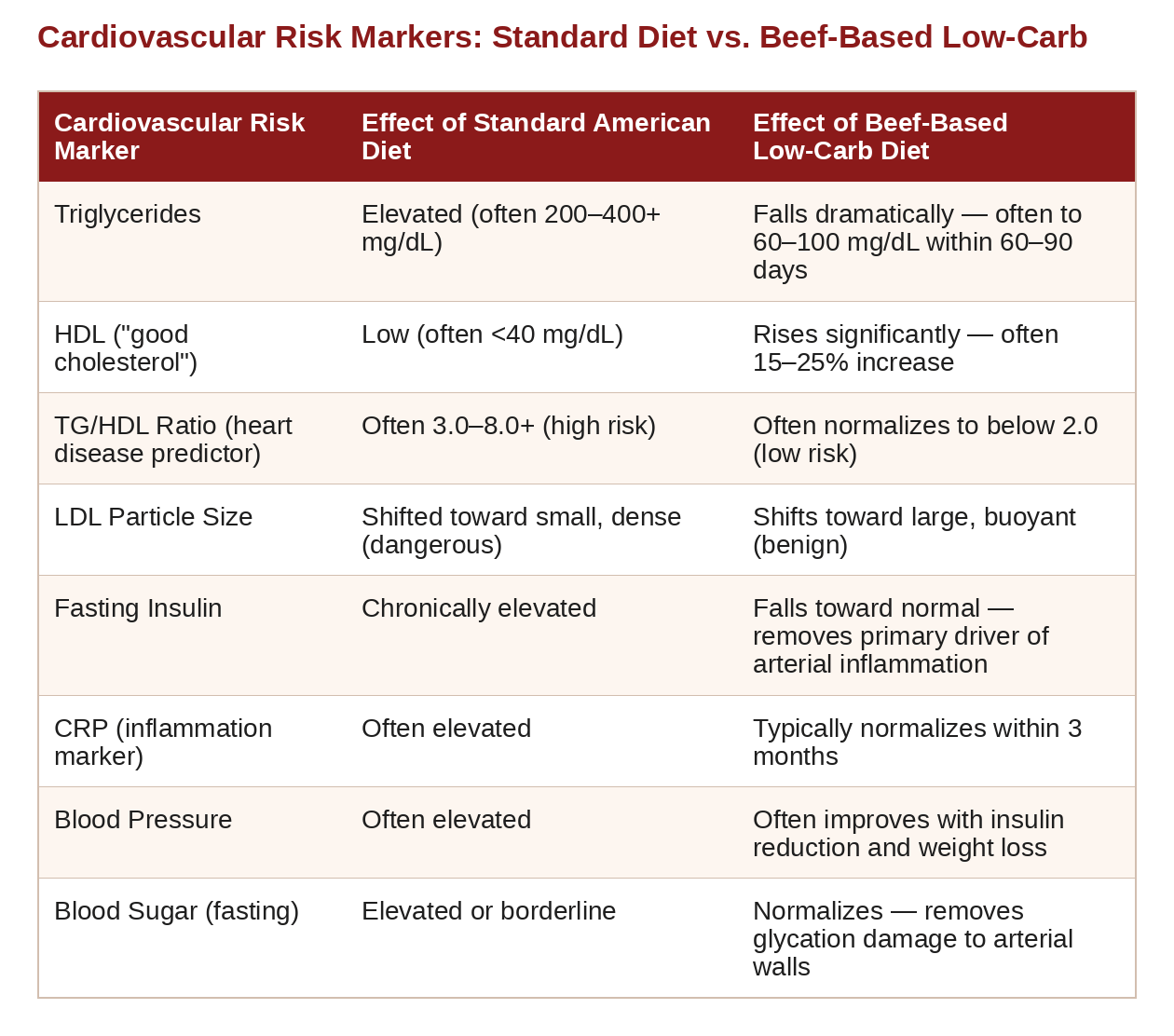
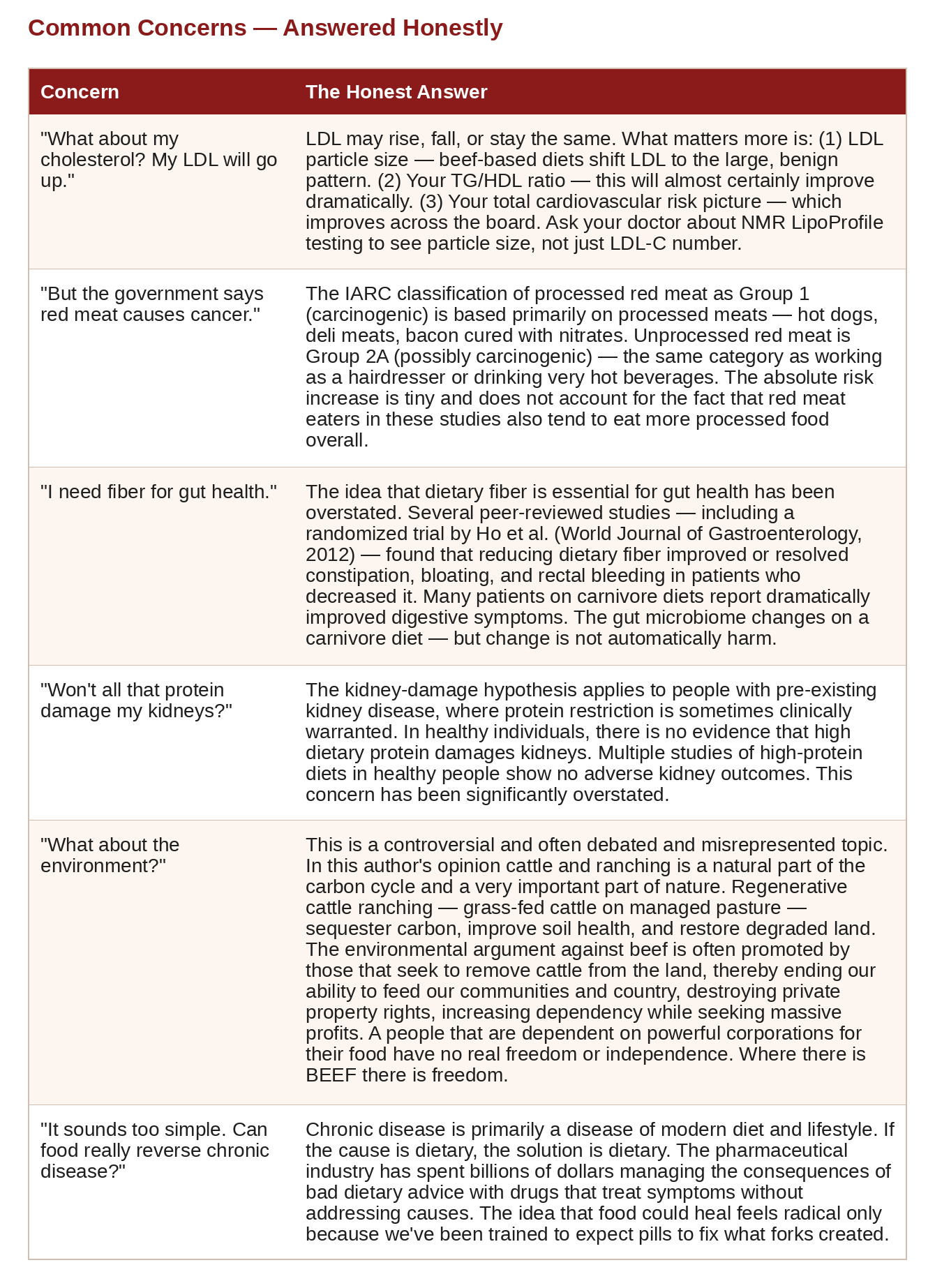
You have been told your whole life that saturated fat raises cholesterol and causes heart attacks. This is an oversimplification that has caused enormous harm. Here is what the science actually shows.
There are different types of LDL cholesterol particles. Small, dense LDL particles are strongly associated with heart disease — they get into artery walls and cause damage. Large, fluffy LDL particles are largely harmless. Saturated fat from beef raises LDL — but it preferentially raises the large, fluffy kind. Refined carbohydrates and sugar, on the other hand, drive your body to produce more of the small, dense, dangerous kind, while also raising triglycerides and lowering HDL — the two most reliable markers of heart disease risk.
The ratio of triglycerides to HDL is one of the strongest predictors of heart attack risk available. A ratio below 2.0 is excellent; above 3.5 is concerning; above 5.0 is dangerous. Most people eating a standard American diet have ratios between 3 and 7. Most people eating a beef-centered, low-carbohydrate diet achieve ratios below 2.0 within 2 to 3 months.
Thanks for reading The Rancher Doctor Newsletter! This post is public so feel free to share it.
.
Inflammation: The Fire Underneath Every Chronic Disease
Chronic inflammation is not a disease itself — it is the biological condition that underlies virtually every major chronic disease: heart disease, cancer, Alzheimer’s, arthritis, depression, inflammatory bowel disease, and autoimmune conditions. It is the body’s immune system stuck in a low-grade “on” position, producing damage to its own tissues over years and decades.
The primary dietary drivers of chronic inflammation are: refined sugar and high-fructose corn syrup, refined carbohydrates, industrial seed oils (soybean, corn, canola, sunflower oil), and food additives and preservatives. Beef contains none of these. And the fat in beef — saturated and monounsaturated — is chemically stable and does not produce the oxidized, inflammatory byproducts that seed oils generate when heated.
Additionally, the ketones produced when your body runs on fat instead of glucose have direct anti-inflammatory properties. Beta-hydroxybutyrate — the primary ketone — blocks a specific inflammatory pathway (called the NLRP3 inflammasome) that is activated in virtually every major chronic inflammatory disease. Your body, running on beef fat, is literally producing its own anti-inflammatory medication.
Autoimmune diseases — conditions like rheumatoid arthritis, psoriasis, lupus, Hashimoto’s thyroiditis, and multiple sclerosis — occur when the immune system attacks the body’s own tissues. The trigger is often a damaged gut lining that allows food particles and bacteria to enter the bloodstream, setting off an immune response that ends up targeting the body itself.
Many plant foods contain natural compounds called lectins, oxalates, and phytates that can damage the gut lining, particularly in genetically susceptible individuals. Gluten — the protein in wheat — is one of the most well-studied gut-damaging compounds, and its effects extend well beyond celiac disease. An animal-based diet eliminates all of these gut-irritating plant compounds, giving the gut lining the opportunity to heal.
What patients — and their physicians — frequently observe after transitioning to an animal-based diet is a reduction in autoimmune symptoms within weeks to months: less joint pain, less skin inflammation, more stable thyroid antibodies, reduced medication requirements. This is not coincidence. It is the predictable result of removing dietary triggers and providing the gut with the nutrients — amino acids, zinc, vitamin A — it needs to repair itself.
The brain is approximately 60% fat by dry weight. It requires a constant supply of cholesterol, fatty acids, amino acids, B12, zinc, and choline to build neurotransmitters, maintain myelin sheaths (the insulation around nerve fibers), and sustain the synaptic connections that underlie thought, memory, and mood. Every one of these nutrients is abundant in beef. Several of them are found in meaningful quantities only in animal foods.
Beyond providing raw materials, an animal-based diet improves brain function through two additional pathways. First, stable blood sugar — the absence of the glucose spikes and crashes that follow carbohydrate-heavy meals — means stable brain energy. Most people eating a standard diet experience cognitive “brain fog” and irritability between meals that they have simply accepted as normal. On a beef-based diet, this disappears, because fat and ketones provide a steady, sustainable brain fuel that doesn’t spike and crash.
Second, ketones have direct neuroprotective and mood-stabilizing effects. The brain readily uses ketones as an alternative to glucose, and in doing so demonstrates measurable improvements in neurological function. The ketogenic diet has been used to treat epilepsy for over a century. It is now being investigated — with promising early results — for depression, bipolar disorder, schizophrenia, ADHD, and Alzheimer’s disease.
Reported by patients consistently: “My mood is more stable than it has been in years.” “The anxiety I’ve had my whole life just lifted.” “I can think clearly for the first time.” “I didn’t realize how much the food was affecting my mood until I changed it.”
Cancer cells have a peculiar metabolic characteristic: unlike healthy cells, most cancer cells are highly dependent on glucose for energy and have limited ability to use fat or ketones as fuel. This property — known as the Warburg Effect — creates a potential therapeutic opportunity: a diet that dramatically reduces blood glucose and insulin may create a metabolic environment that is hostile to cancer cell growth while remaining fully nourishing for healthy cells.
This does not mean that an animal-based diet cures cancer. It means that the chronic hyperinsulinemia, elevated IGF-1 (a growth factor stimulated by insulin and high carbohydrate intake), and systemic inflammation produced by the standard American diet create conditions that promote cancer development and progression — and that reversing those conditions is a meaningful and evidence-supported preventive and adjunctive strategy.
The most established dietary cancer risk factors are obesity, type 2 diabetes, and chronic inflammation — all of which an animal-based diet directly addresses. Reducing obesity reduces risk for at least 13 cancers. Reducing insulin and IGF-1 removes a primary growth signal for cancer cells. Reducing systemic inflammation reduces the tumor microenvironment that cancer uses to evade immune surveillance.
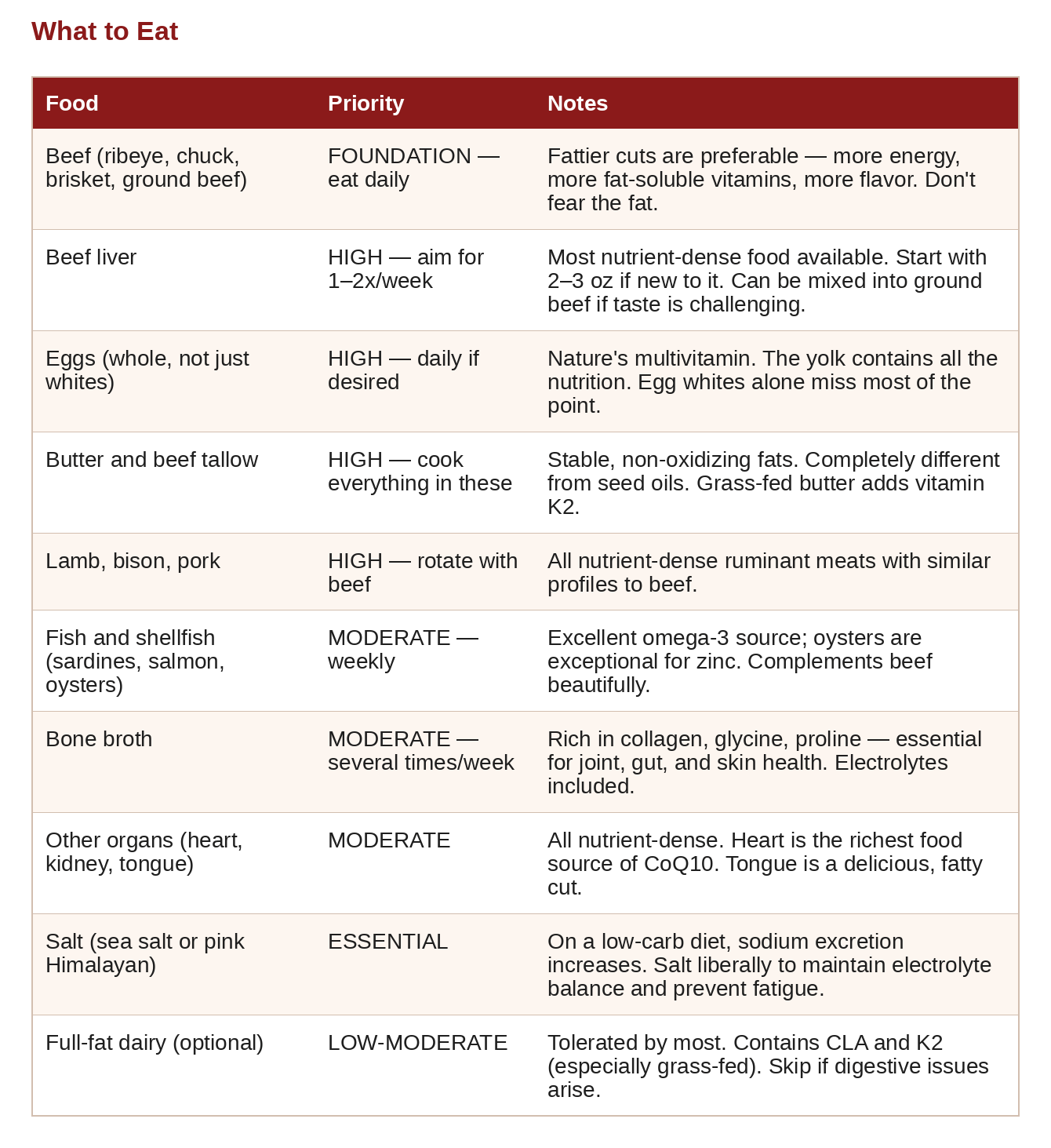
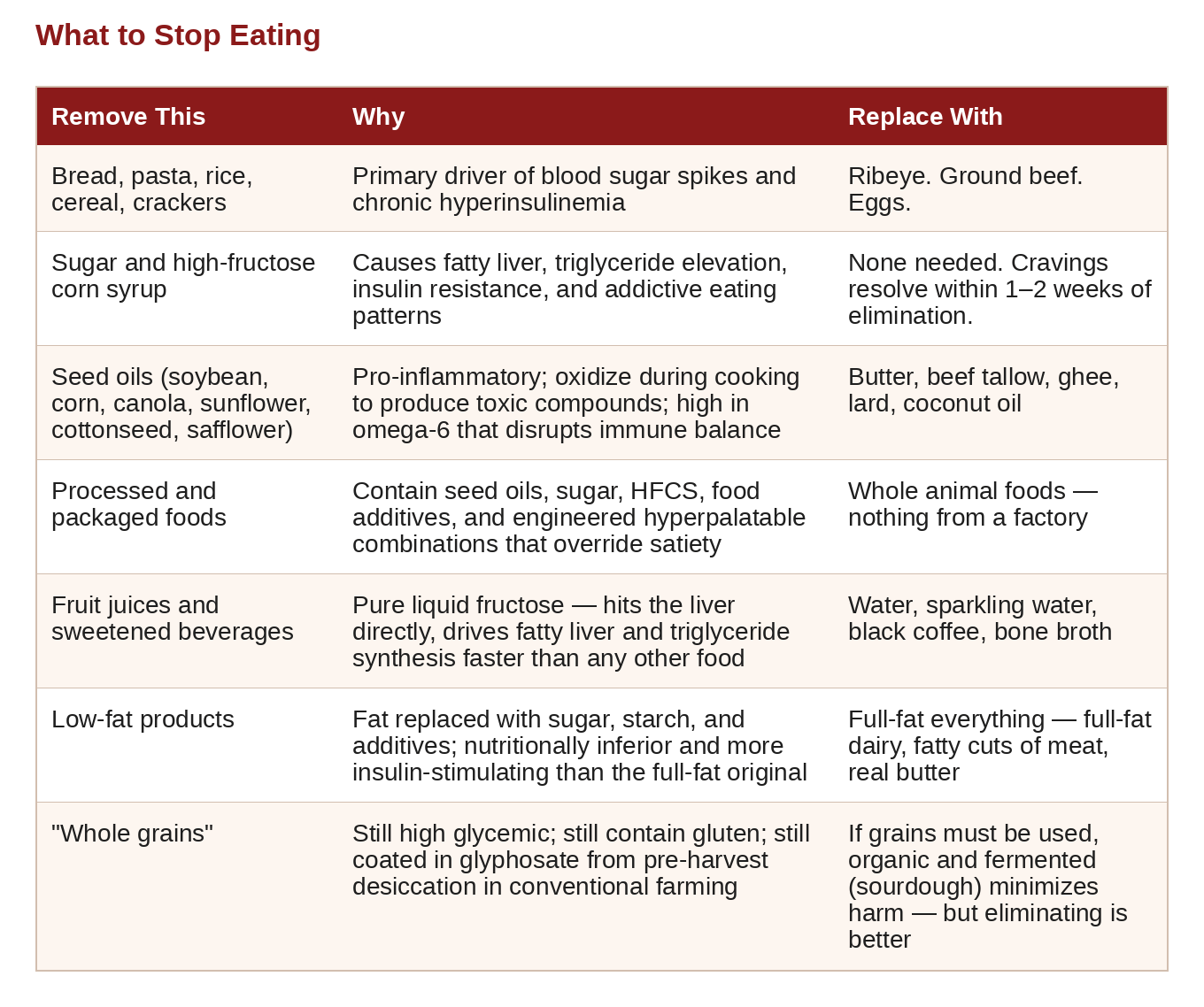
Yes, though don’t let perfect be the enemy of good. Any beef is dramatically better than no beef, a bowl of cereal, or a bag of chips. That said, here’s what the differences look lik
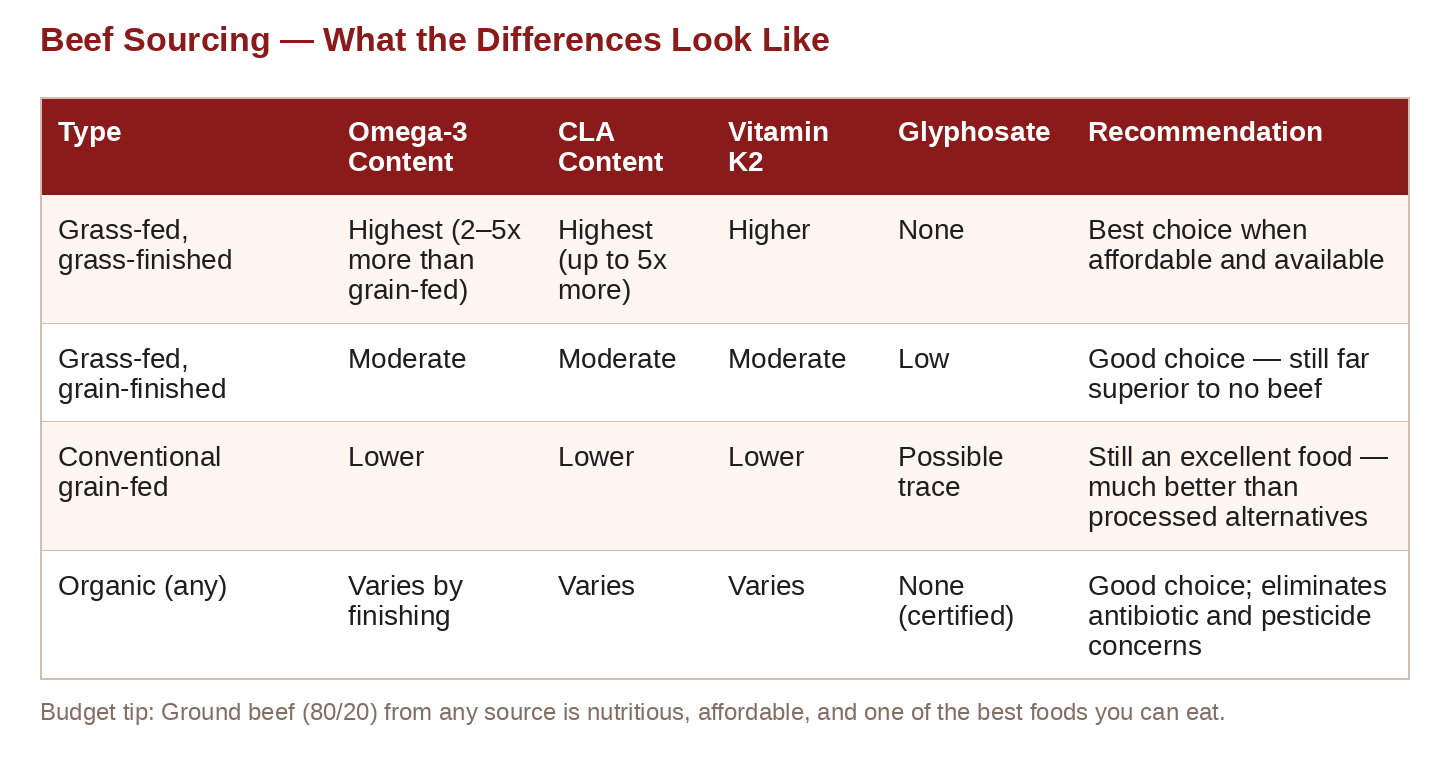
e
Budget tip: Ground beef (80/20) from any source is nutritious, affordable, and one of the best foods you can eat. A pound of 80/20 ground beef costs roughly the same as a box of breakfast cereal — and provides incomparably more nutrition
.
A Final Word
Beef has fed human beings for hundreds of thousands of years. Our bodies evolved alongside it. Every essential nutrient it contains is packaged in forms our physiology was designed to absorb. For most of human history, access to animal foods was a marker of health and prosperity — not risk.
The past fifty years represent an experiment: what happens when a population replaces animal foods with industrially processed carbohydrates, sugar, and vegetable oils, guided by nutritional advice shaped more by food industry lobbying than by science? We now have the answer. It is written in the chronic disease statistics of every physician’s patient panel.
The good news is that the experiment is reversible. The body is remarkably resilient. Patients who make this dietary shift — who return to eating the foods that human biology is built to run on — frequently describe the experience not as deprivation, but as coming home. They feel better than they have in years. Their labs improve. Their medications reduce. Their energy returns. Their mood lifts.
None of this requires a pharmaceutical breakthrough, a new technology, or a government program. It requires only a willingness to question what we have been told, look honestly at the evidence, and make different choices at the dinner table.
The most revolutionary act of health in the modern world may be the simplest: eat real food. Beef, eggs, butter, organs, and water. Give your body what it evolved to thrive on. Let it do what it was designed to do.
—
This guide is provided for educational purposes. It does not replace individualized medical advice. Work with your physician — particularly if you take medications for diabetes, blood pressure, or other chronic conditions — before making significant dietary changes.
No posts
Comments
Nothing yet. Say the first thing.
Sign in to join the conversation.