
A year or so ago, I wrote all about what couture actually is and the rich history behind it. If you want a quick primer, start with that post here:
January 2025 Couture Week Recap
·
January 30, 2025
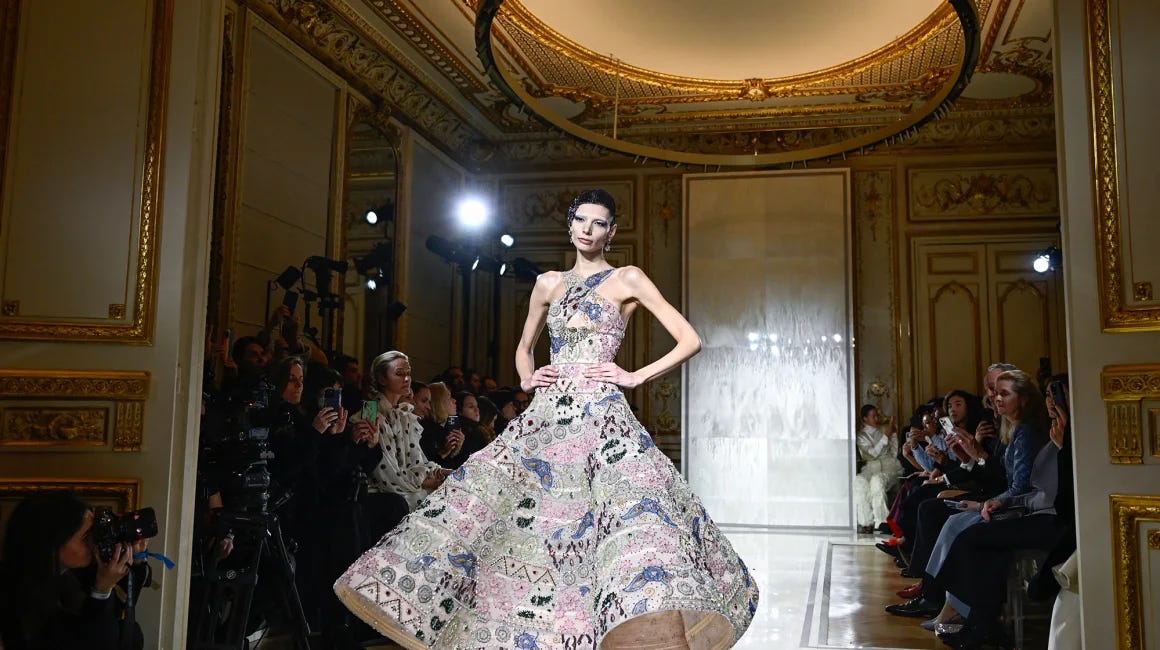
Couture is always a dream, a fanciful, beautiful, over the top dream. January can be a bleak month for many. The holidays and all their pagentry, cheer and good spirits (not to mention the many reasons to give and get gifts and dress up) are over, the weather is dire and we all have the crushing weight of overly ambitious resolutions we inexplicably feel the need to terrorize ourselves with.
While in Paris this past week, I was lucky enough to see a few shows and get an up-close look at several collections during the re-sees. It is always absolutely unbelievable to see this level of artistry in person.
Two of my absolute favorite shows were Ronald van der Kemp and Kevin Germanier (and trust me, there is much, much more about Kevin Germanier coming soon to its own dedicated post!).
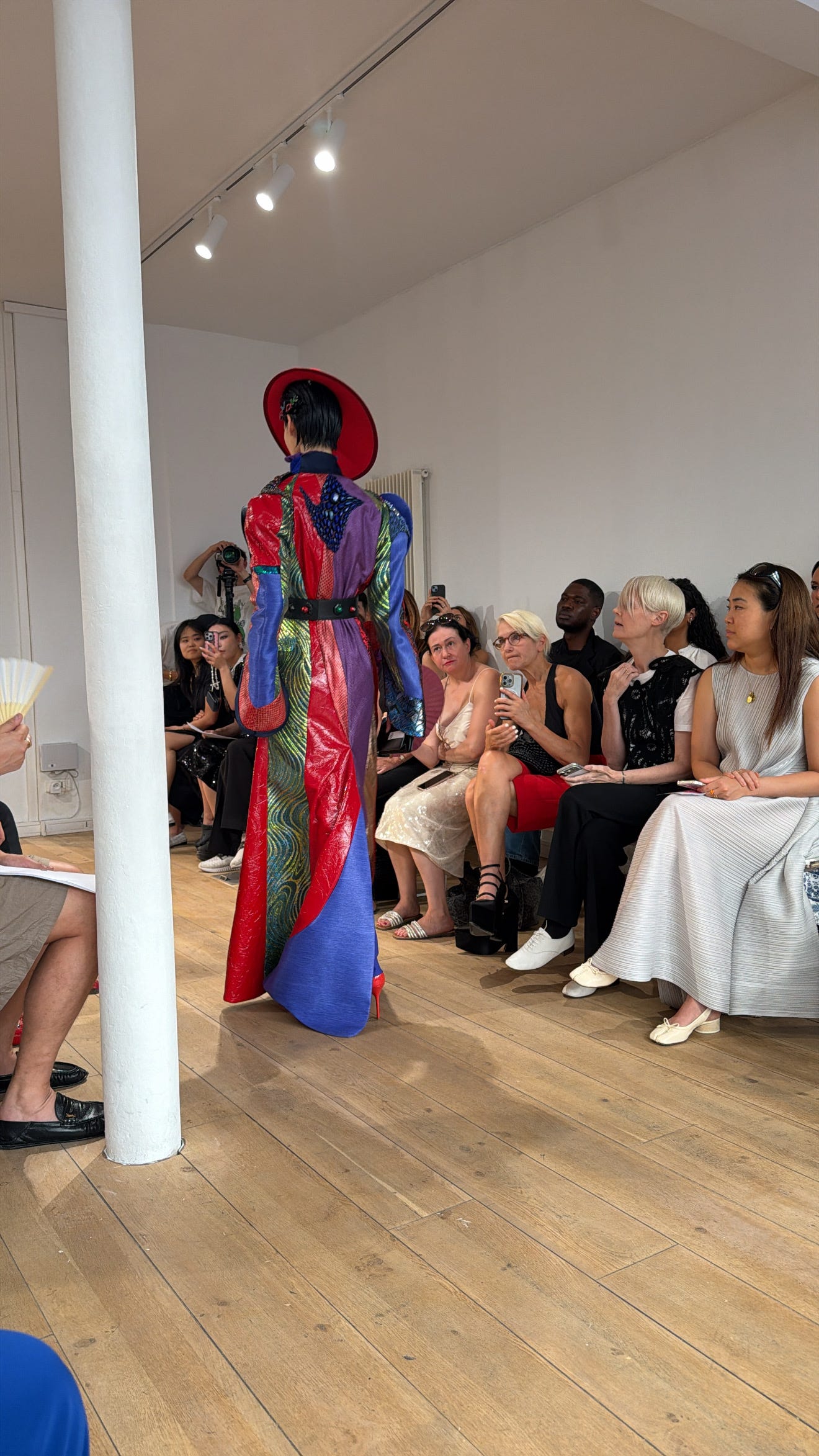
Ronald van der Kemp’s latest runway show was split between two galleries located right next door to each other. Models filtered out from one, walked right down the public street, and entered the other, essentially becoming a moving art exhibition. I loved that the models walked outside, allowing everyday passersby to take in the magic and snap photos.
“Couture used to inspire people — even people who cannot buy it. You want to inspire people,” RVDK said.
What I love about RVDK is that it is not part of a large machine. There is now ready to wear line, accessories, or any other product, the couture is the focus.
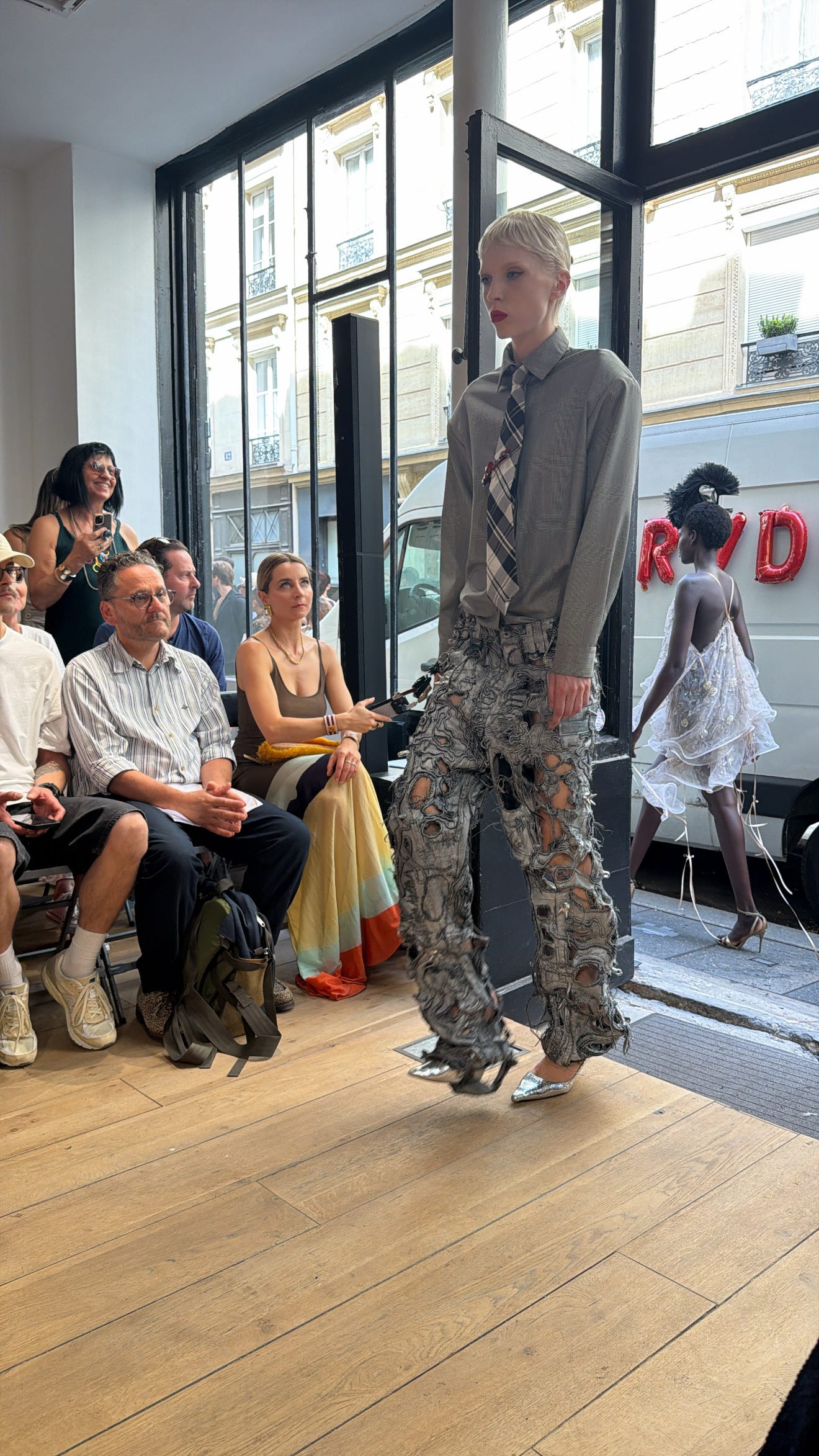
This show was what RVDK does best, using various artistic disciplines to transform dead stock fabrics, leftover beads and other repurposed materials to create brand new and innovative looks. One of my favorite looks was a gown previously made for Kylie Jenner from his archive totally transformed for a new season.
This collection was truly about showcasing that purchasing couture is not the only point, but extending the lives and story arcs of things that exist, and most importantly, its ability to encourage others to create things for themselves.
Paris couture always falls during hard weather months, the rainy season of January and the increasingly hot summer month of July.
Weather aside, Fall/Winter 2026 Haute Couture Week featured 30 houses. There were two couture debuts in Paris from Pierpaolo Piccioli at Balenciaga and Duran Lantink at Jean Paul Gaultier, and three sophomore couture shows, from Jonathan Anderson at Dior, Matthieu Blazy at Chanel, and Silvana Armani at Giorgio Armani Privé.
The week’s two debuts highlighted the signature DNA of the creative directors behind their new fashion houses.
For his first couture collection at Balenciaga; Piccioli infused the house’s heritage with his own signature style. Most notably through his masterful use of color, something he has been known for throughout his career but has taken to a new standard at Balenciaga. Standout pieces included the iridescent black rooster feather headpiece conceived in collaboration with Philip Treacy and worn by Gigi Hadid on the outdoor garden runway, a hand-painted tank dress, and an emu feather-embroidered trench coat. Who doesn’t need all three?
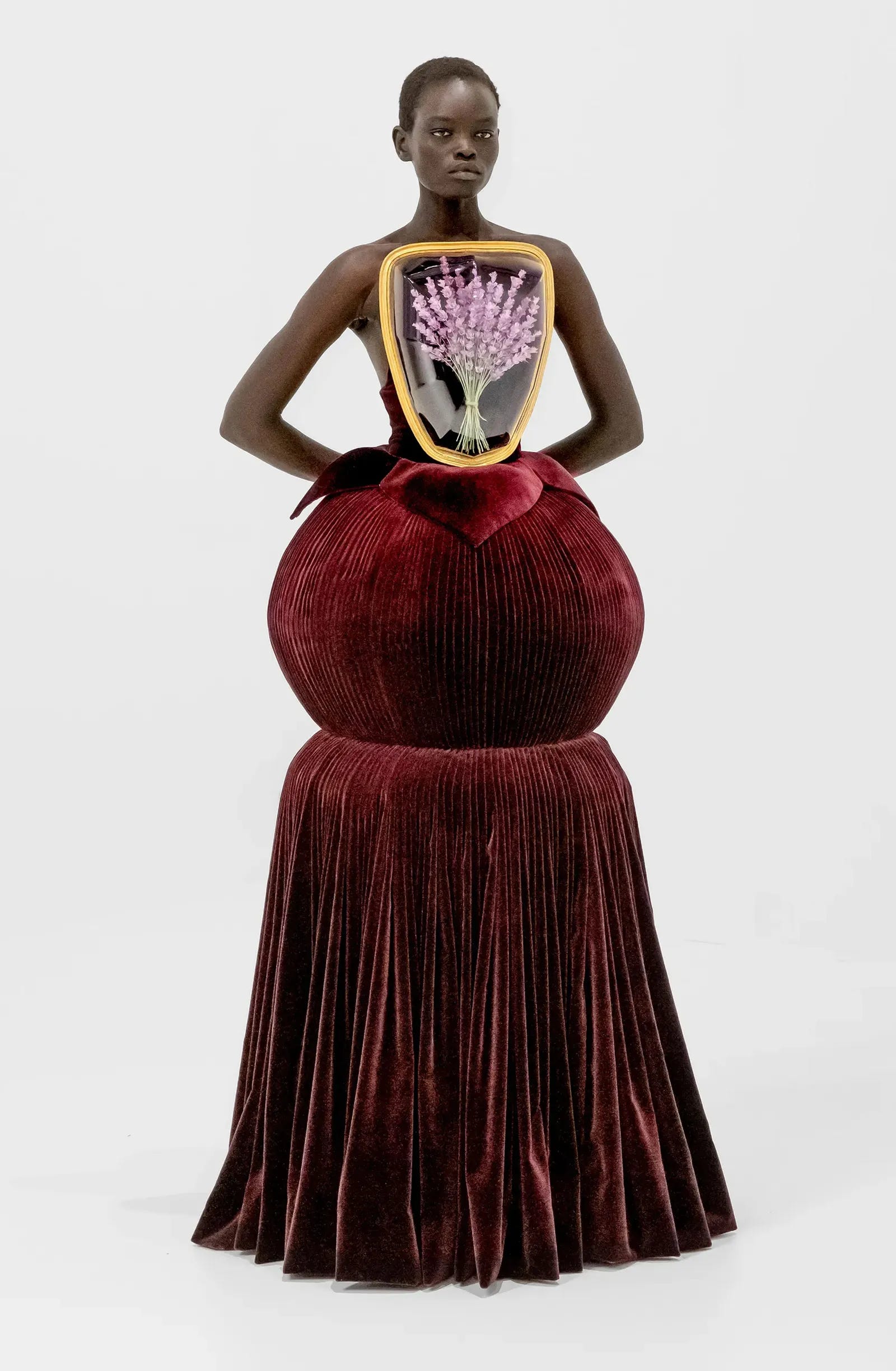
In his Jean Paul Gaultier couture debut, Lantink showcased satin and feathered tubes erupting with tulle and Versailles brocade sculpted into bold, drainpipe-like silhouettes.
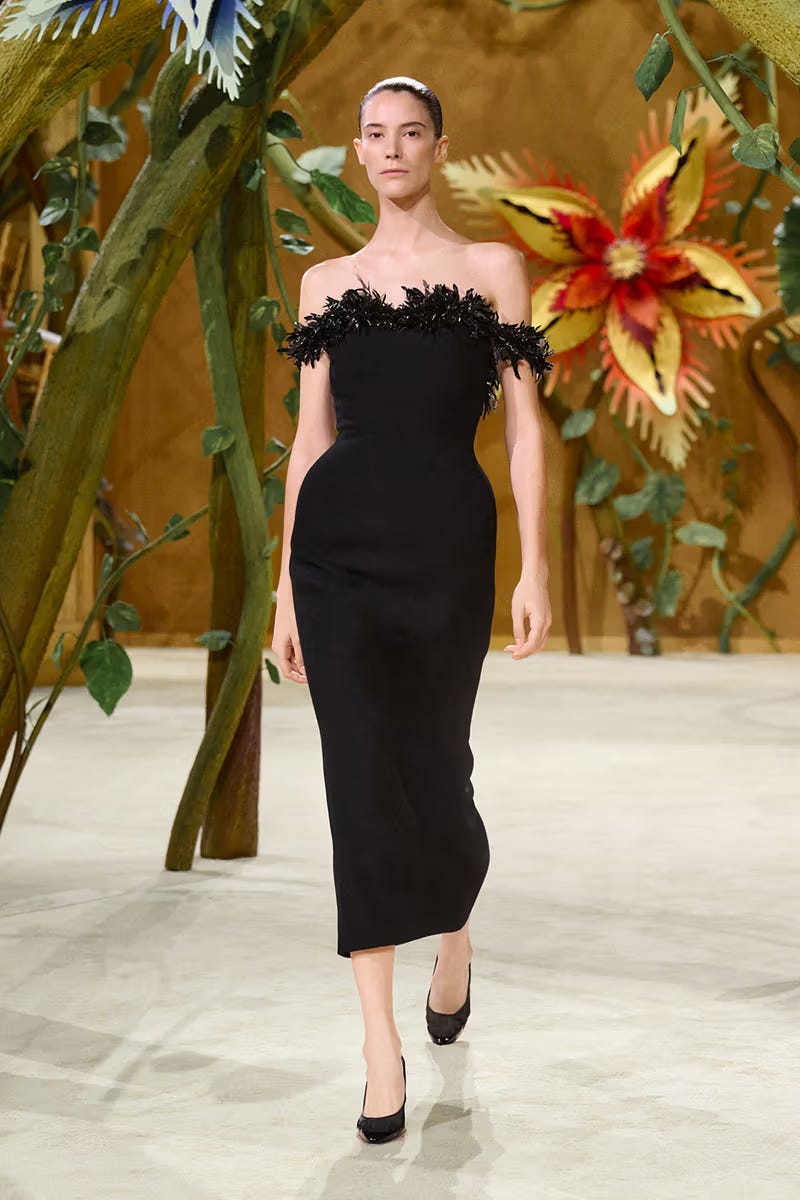
Couture is often fantastical. This season, however, some designers took that idea one step further. Fairytale was the theme for Chanel. They went as far as to decorate a faux salon at the Grand Palais with giant vines and surreal flowers, inspired by both Jack and the Beanstalk and the 1990s movie Jumanji. Other points of inspiration for Blazy were Goldilocks, Puss in Boots, and The Ugly Duckling.
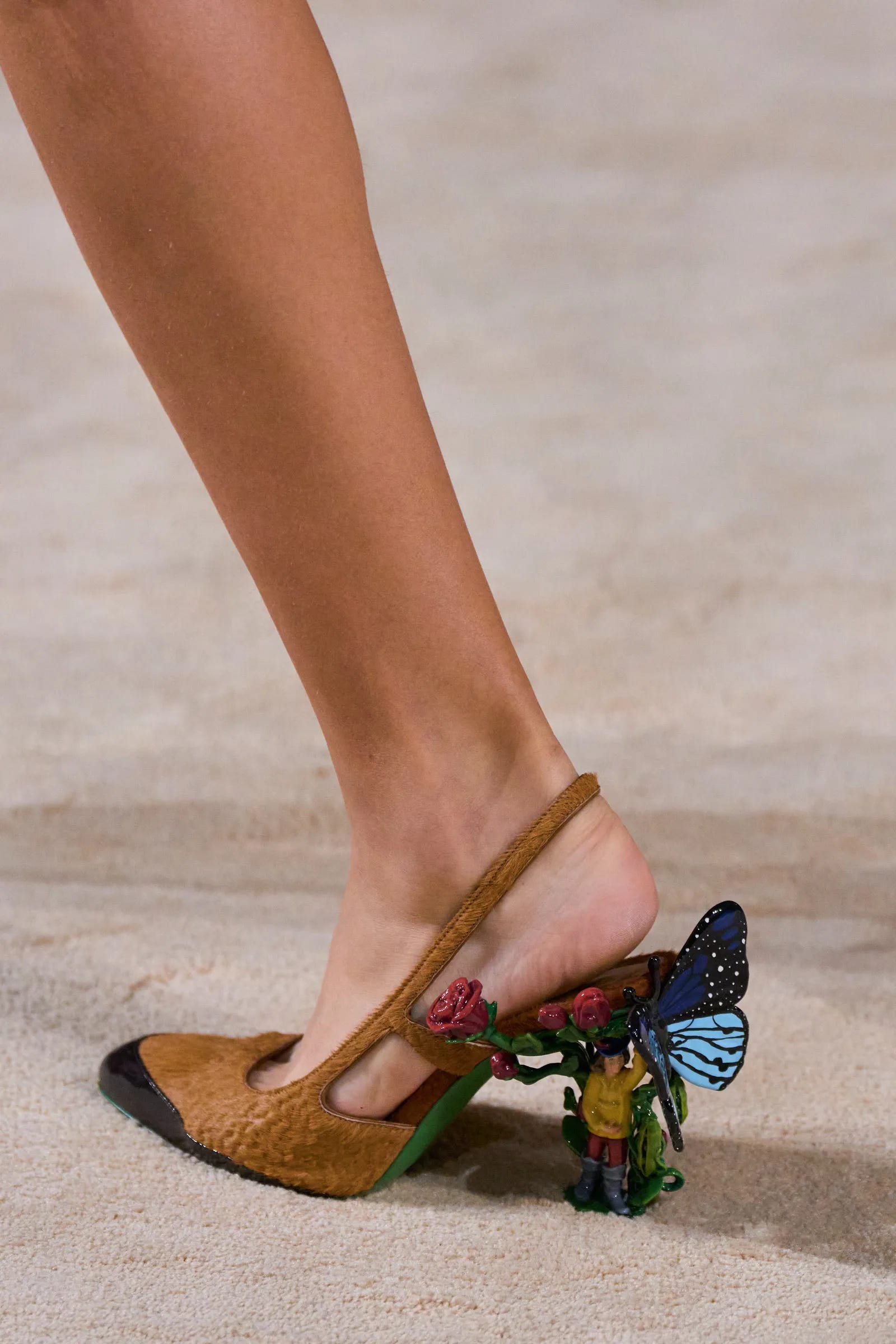
My favorite parts were the accessories and shoes.
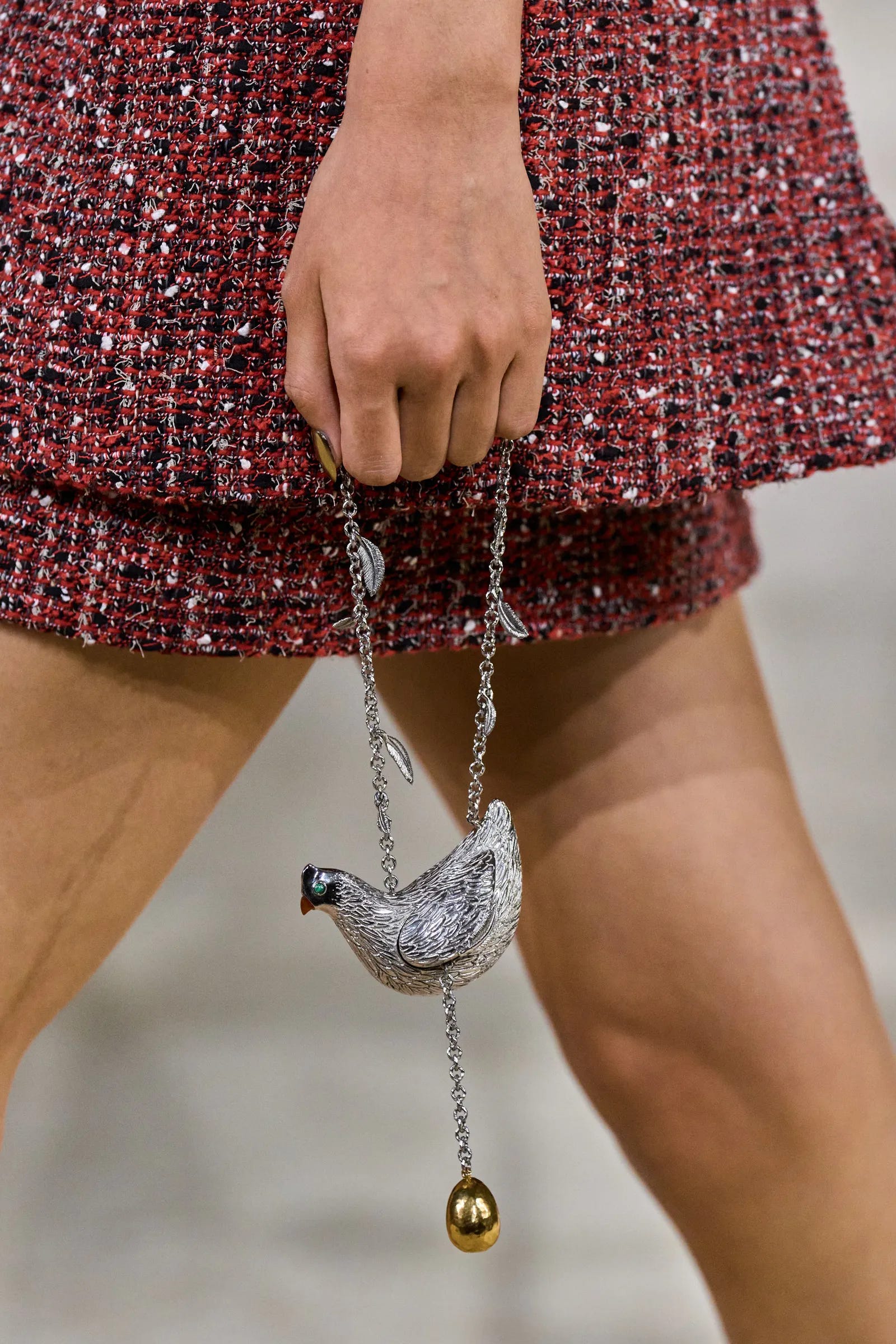
The detailing on these purses and shoes specifically are exactly what couture is about. The hours of handwork that go into the precise fine details and craftsmanship is the highest form of fashion. I also love that for such a serious, highly elevated art these details have a light touch and lots of whimsy.
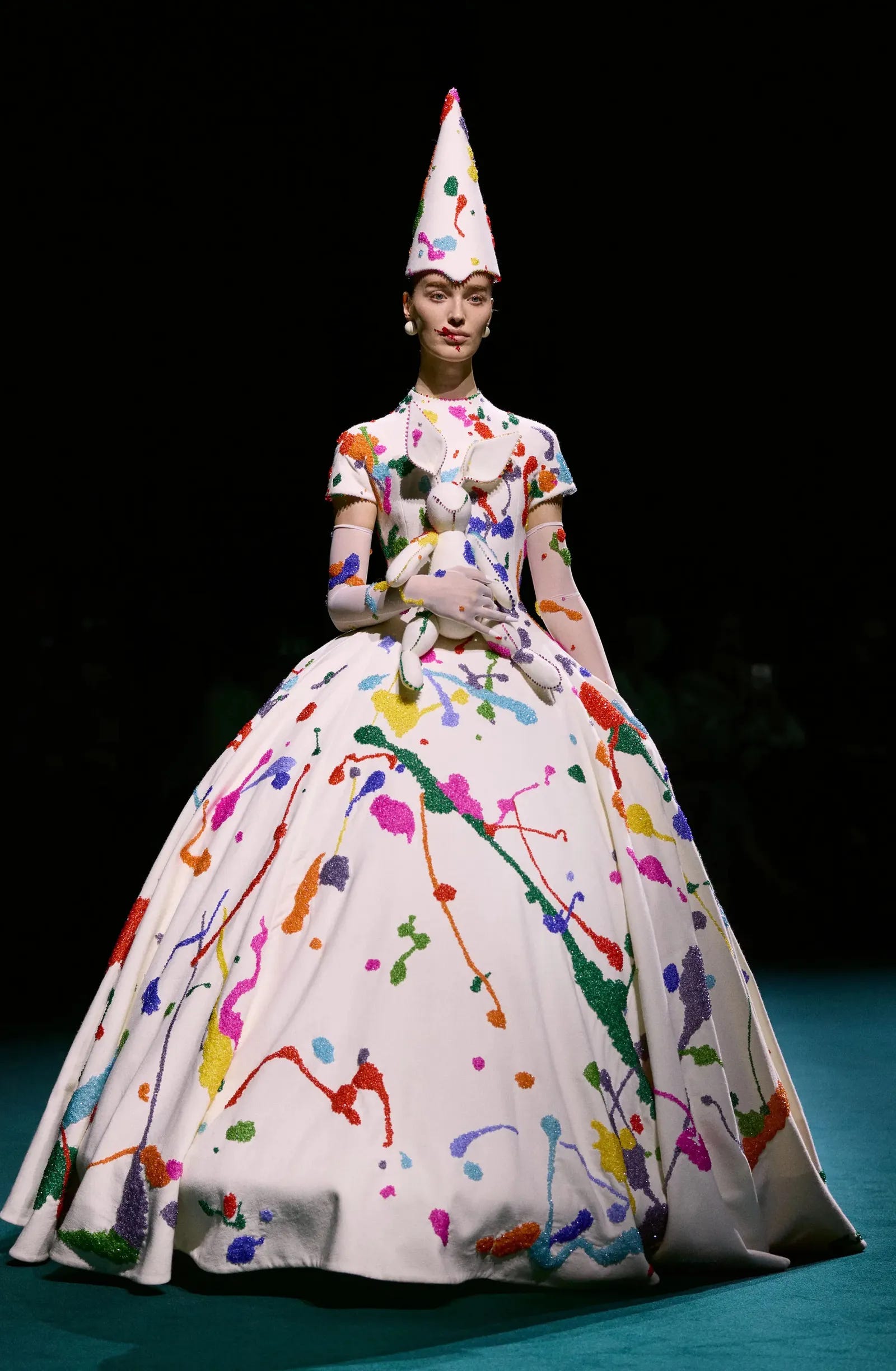
Robert Wun also revisited the wonder of childhood. His show opened with a monumental, doodle-embroidered gown paired with a matching stuffed animal, before evolving into an eccentric, beautifully dark cast of fairytale characters, and yes, even balloons!
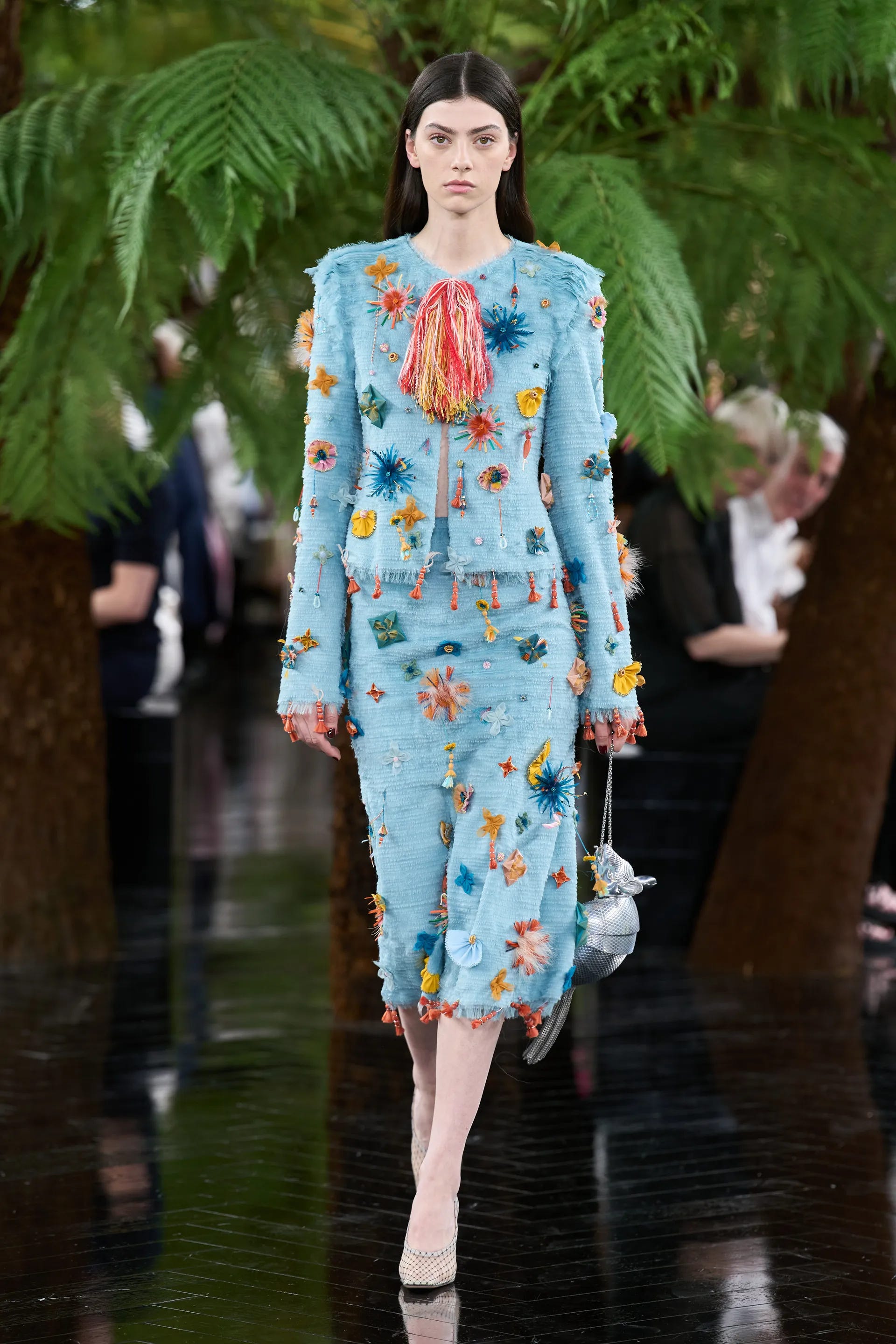
At Dior, the set was a leafy hothouse, also evoking escapism. Anderson collaborated with Lynda Benglis, the American artist who spent years living in Ahmedabad, India, and Santa Fe, New Mexico. “The floral aspects of the collection, as well as its chromatic articulation, evoke these two landscapes,” according to the show notes.


This season was also about innovative techniques. At Schiaparelli, women’s breastplates were literally glowing from the inside, while materials were developed with silicone experts, resulting in skin-like body-molded pieces.
Iris van Herpen incorporated plasma into her final look, Helix Nebula, through two glass tubes arching around the shoulders of the dress. At Jean Paul Gaultier, the collection was “built on a dialogue between the haute couture craftsmanship, the tradition of historical forms, and their reinterpretation through new technologies,” according to the show notes. “True exoskeletons form the structural framework of the collection thanks to material innovation: thermoplastic polyurethane and polyamide, both 3D-printed,” they also read.
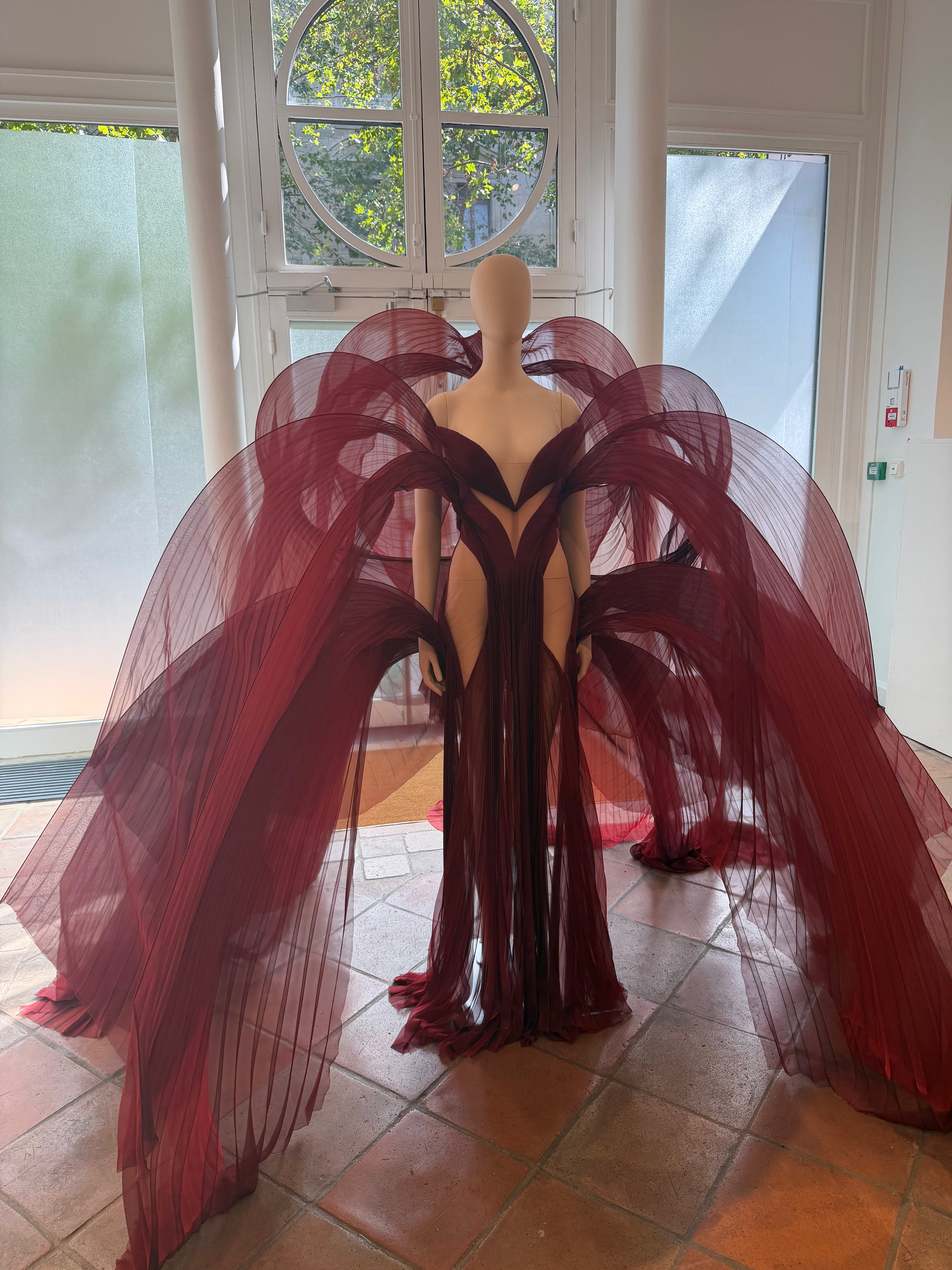
I was incredibly lucky to visit the Iris van Herpen collection post-show, see the garments up close, and speak with her team about the mind-boggling methods behind each piece.
These are garments you truly have to see to believe. Wearing plasma—the fourth state of matter—feels like it should be impossible. It’s not even a fabric, but rather energized gas turning luminous, conductive, and reactive to electromagnetic interactions.
Yet, there it was in van Herpen’s final look, named Helix Nebula.
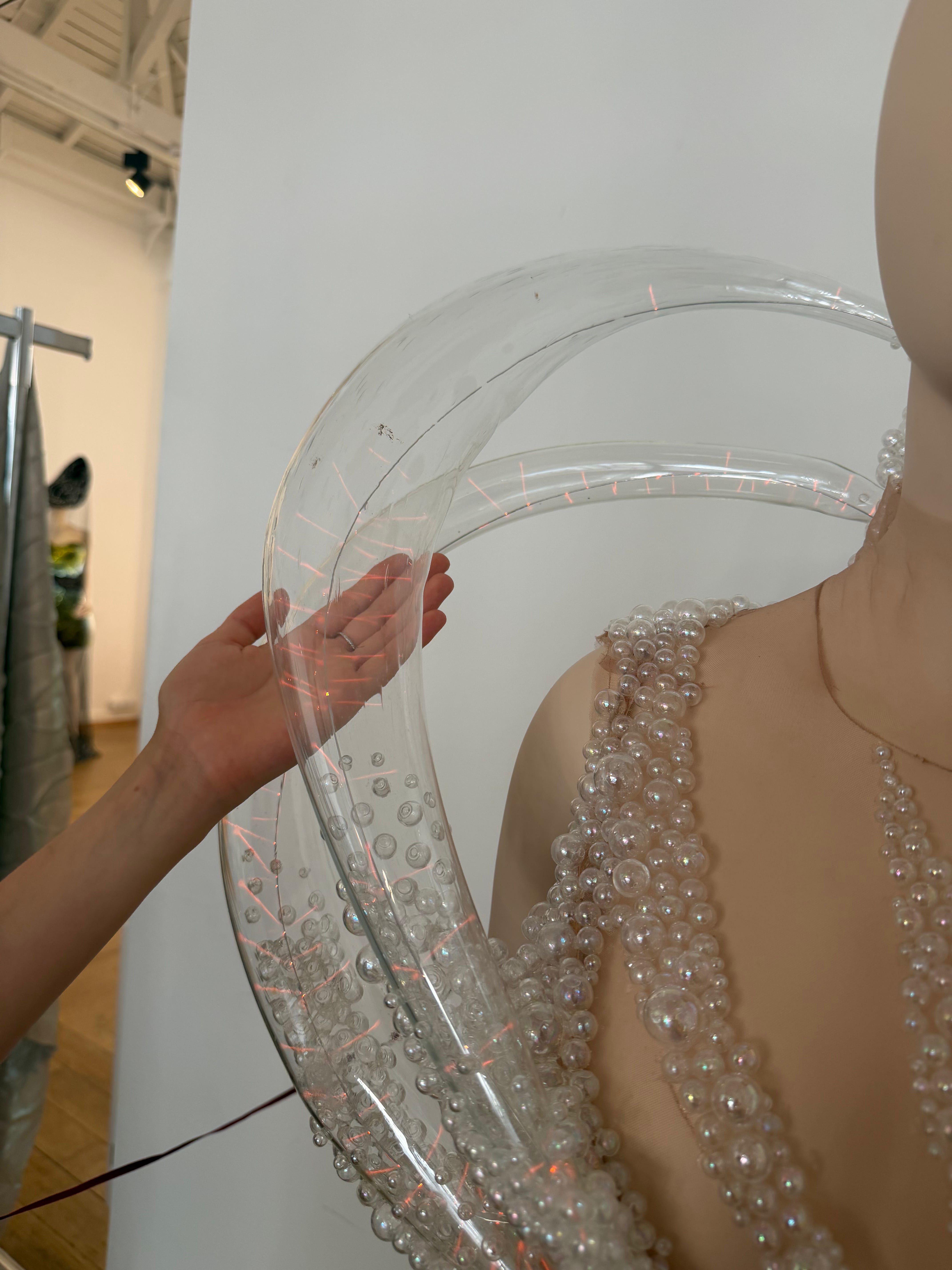
You can spot the small strands of orange-red light encased in two glass tubes arching around the shoulders of a dress covered in 30,000 iridescent, hand-blown spheres like bubbles or pearls delicately floating atop the body (well, illusion tulle). During my visit, after one of her team members flipped on a switch hidden somewhere in the dress, and when running her hand along the glass, the neon filaments instantly leaped toward her touch, reacting to her body's natural magnetic field. On the runway, we did not see the model engage with it to the same degree, yet the physics-meets-fashion was enthralling all the same.
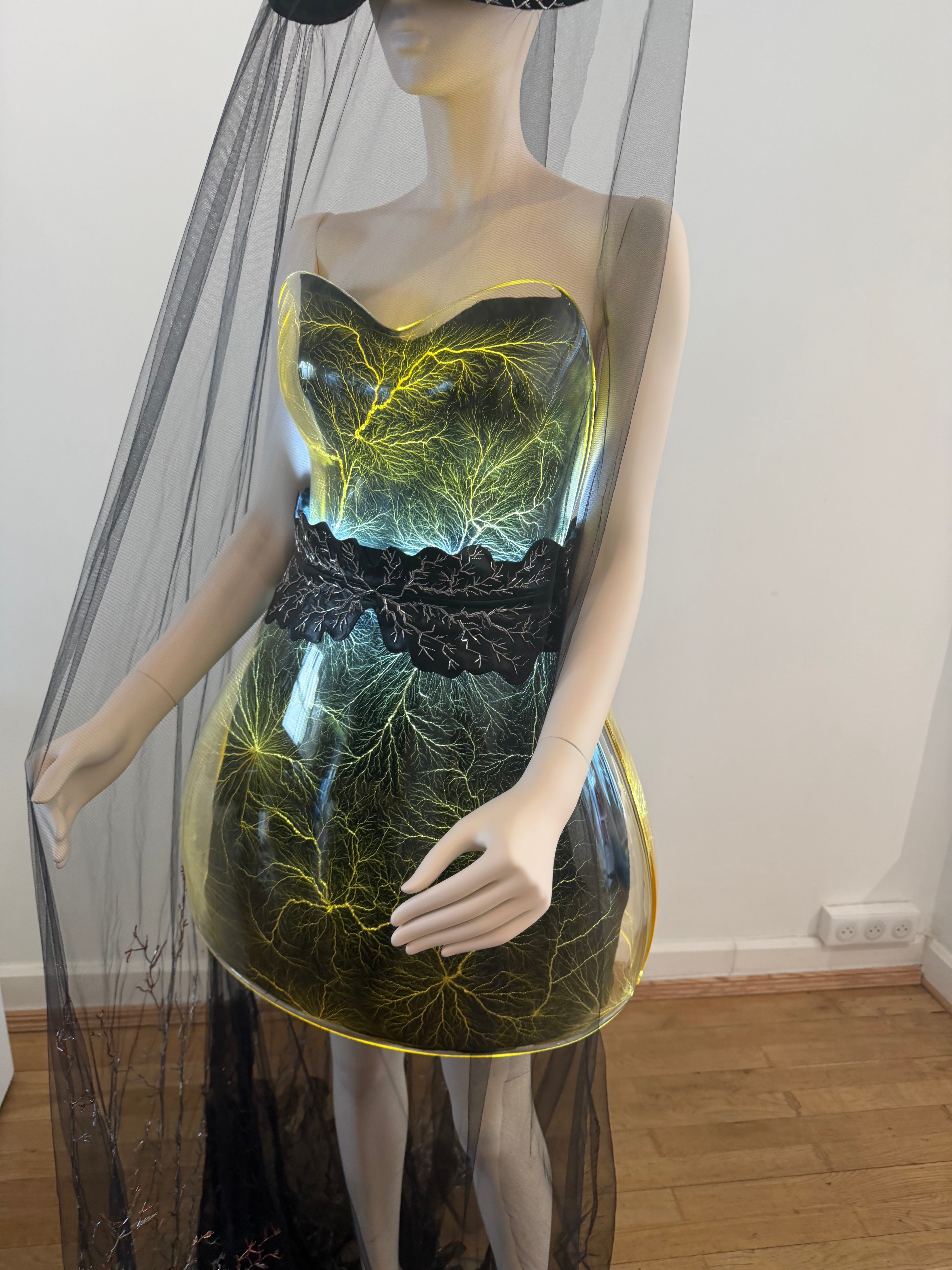
Earlier in the collection, another illuminated piece stole the show: a haunting dendritic pattern of yellow light. This was a highly technical Lichtenberg figure, created in collaboration with scientist and engineer Dale Sulak.
Using a particle accelerator, they created an enormous electrical charge inside an acrylic dress form. When triggered, the stored energy was released, leaving behind fractured, lightning-like pathways burned into the material. Van Herpen had originally intended for this electrical discharge to happen live on the runway, when tapped during the model’s walk with a custom made cane, but the dress actually reacted and discharged on its own a few nights prior.
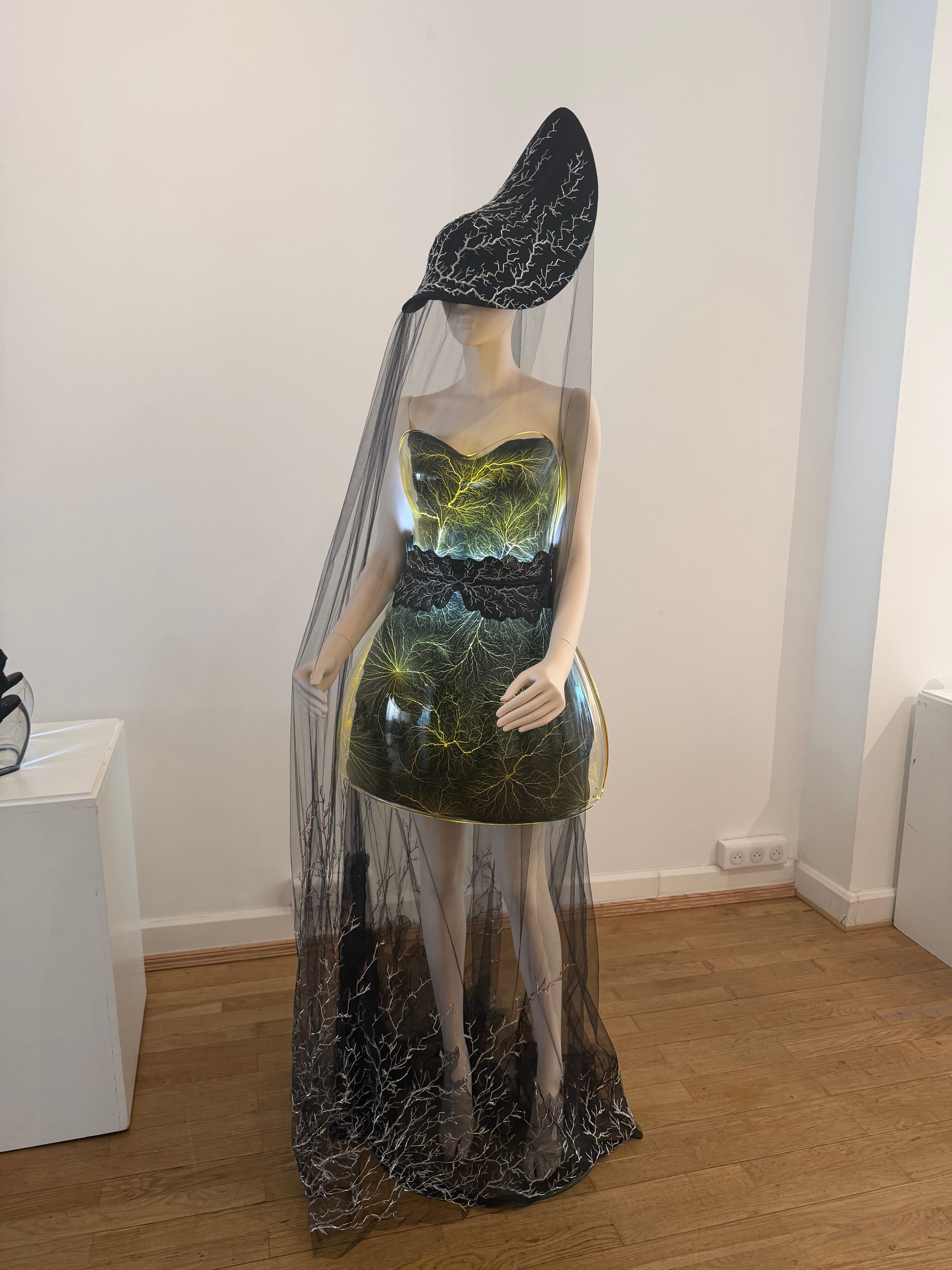
The team explained to me that while unplanned this perfectly matched Iris’ vision that:
“It’s really about letting go of that control and embracing the unknown.”
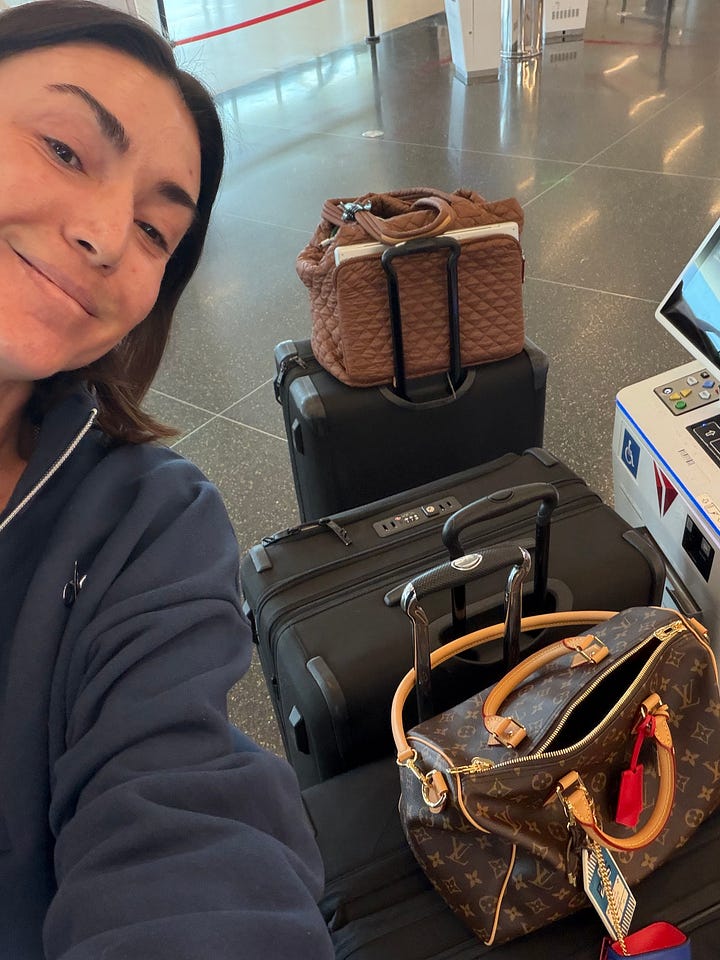
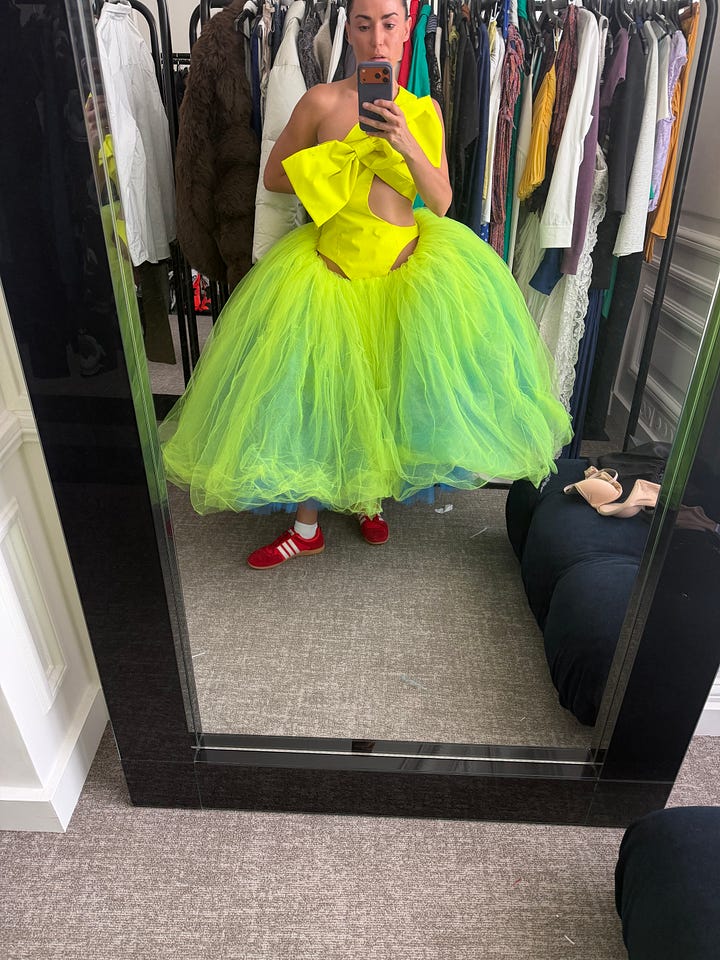
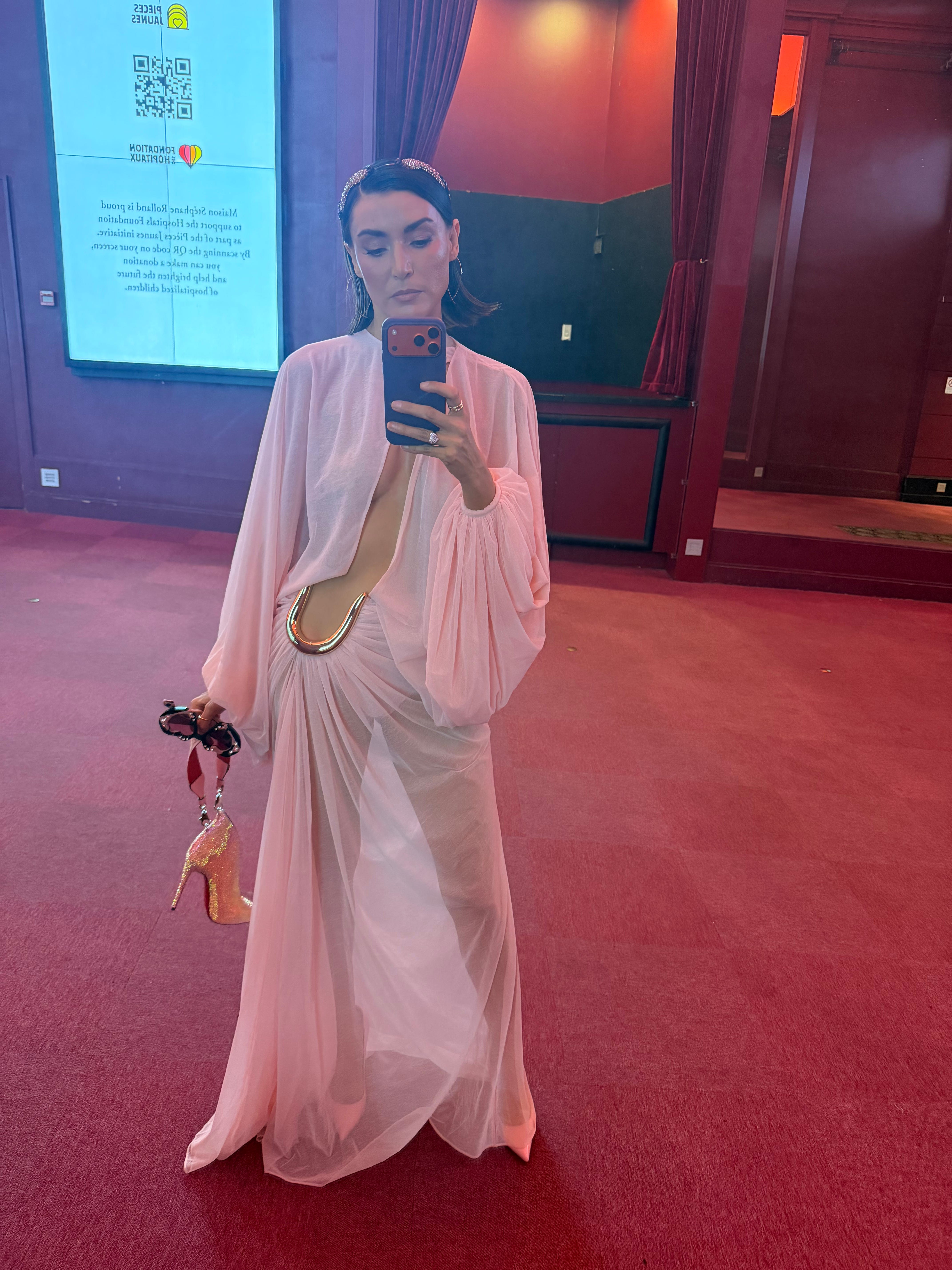
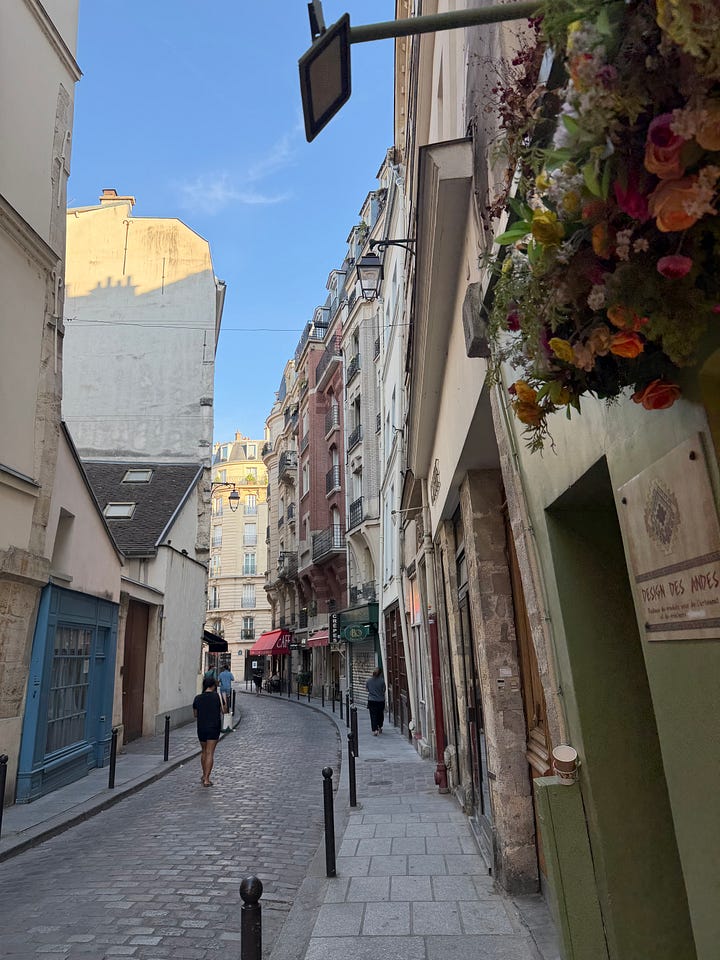
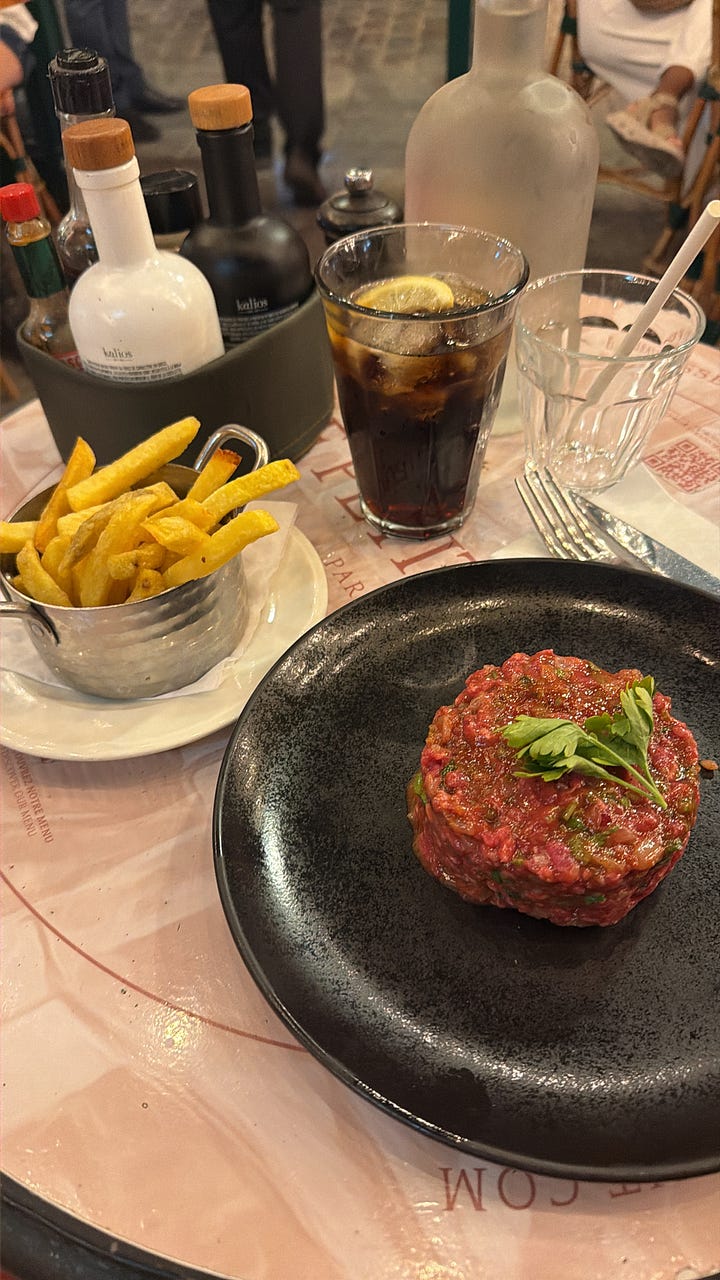
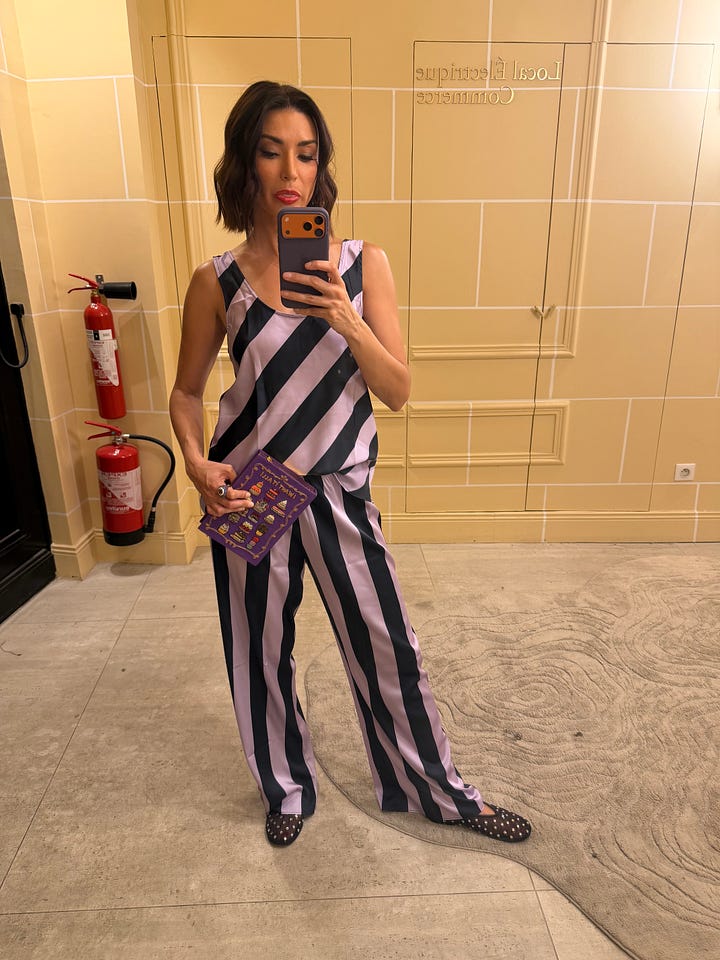
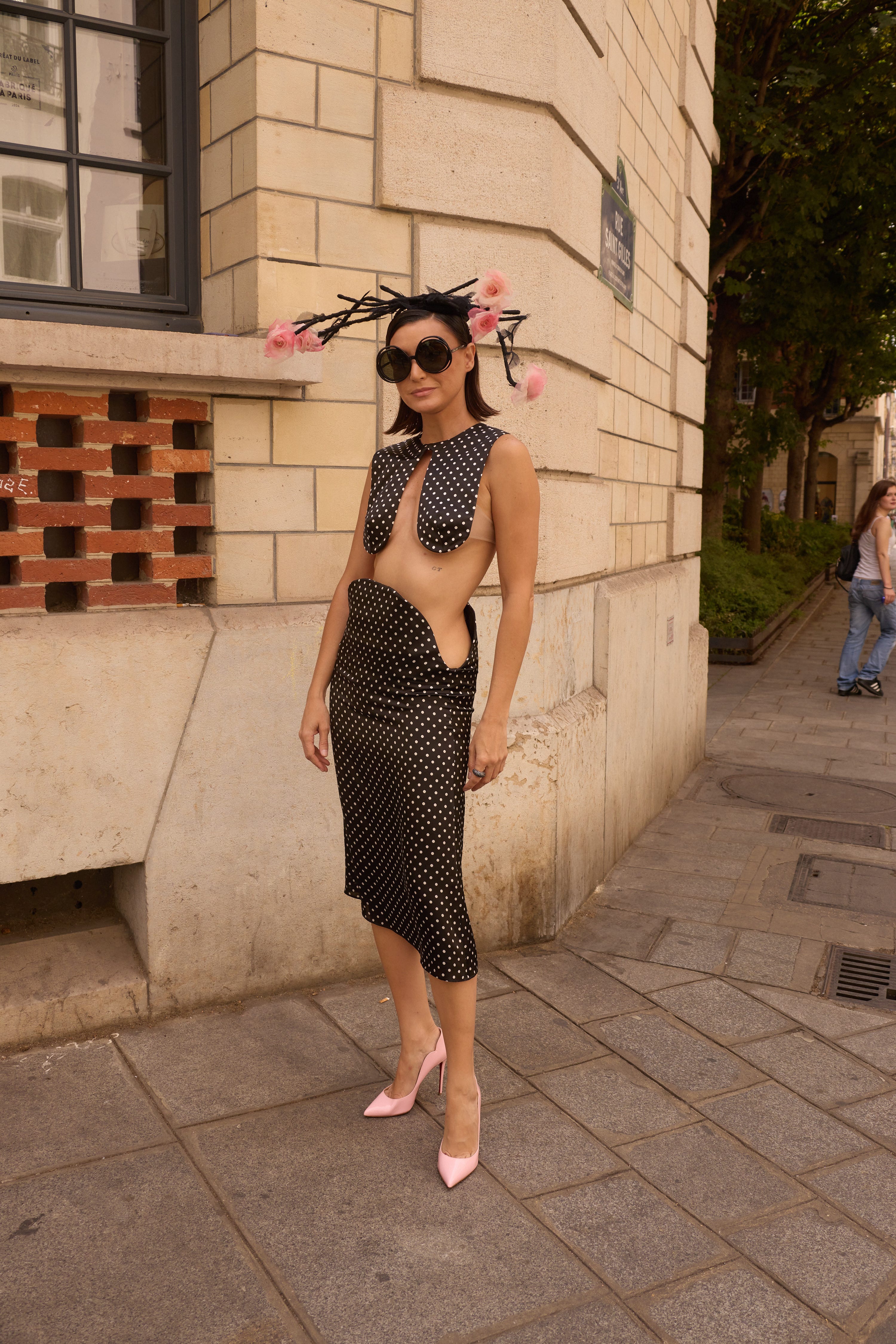
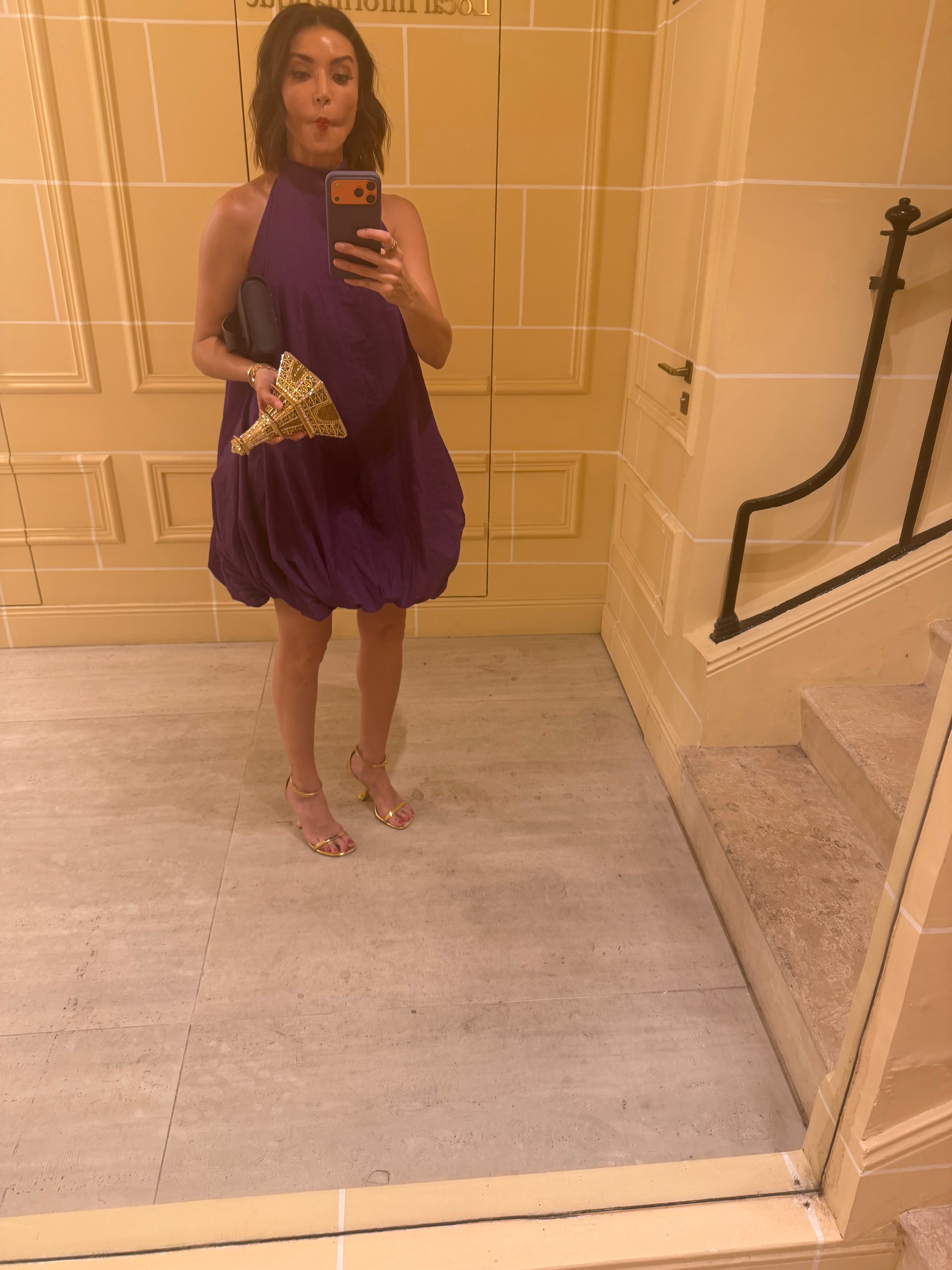
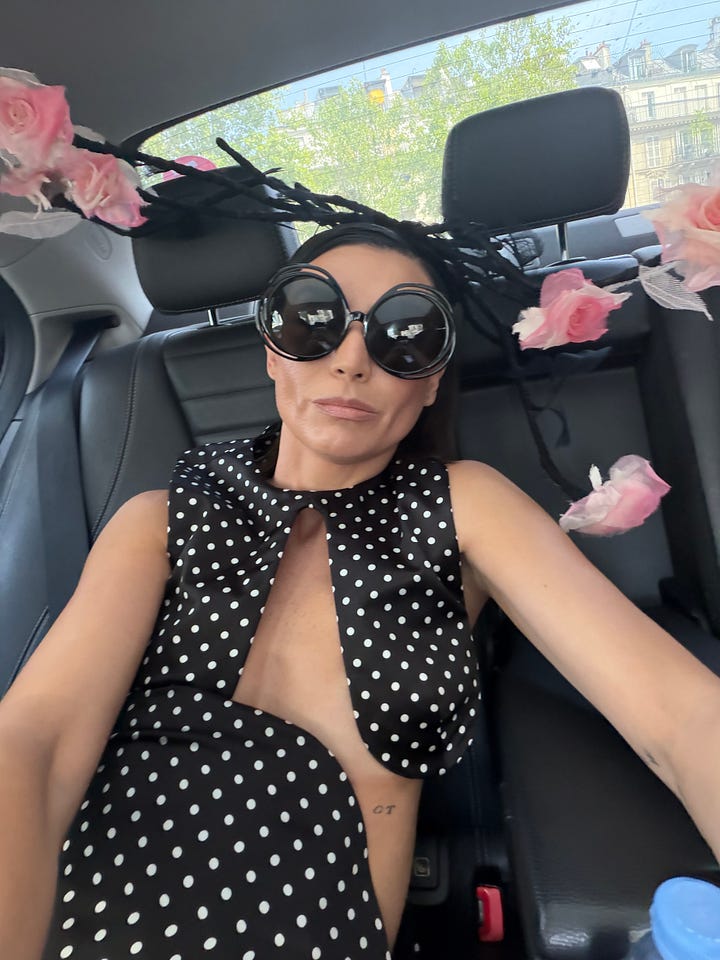
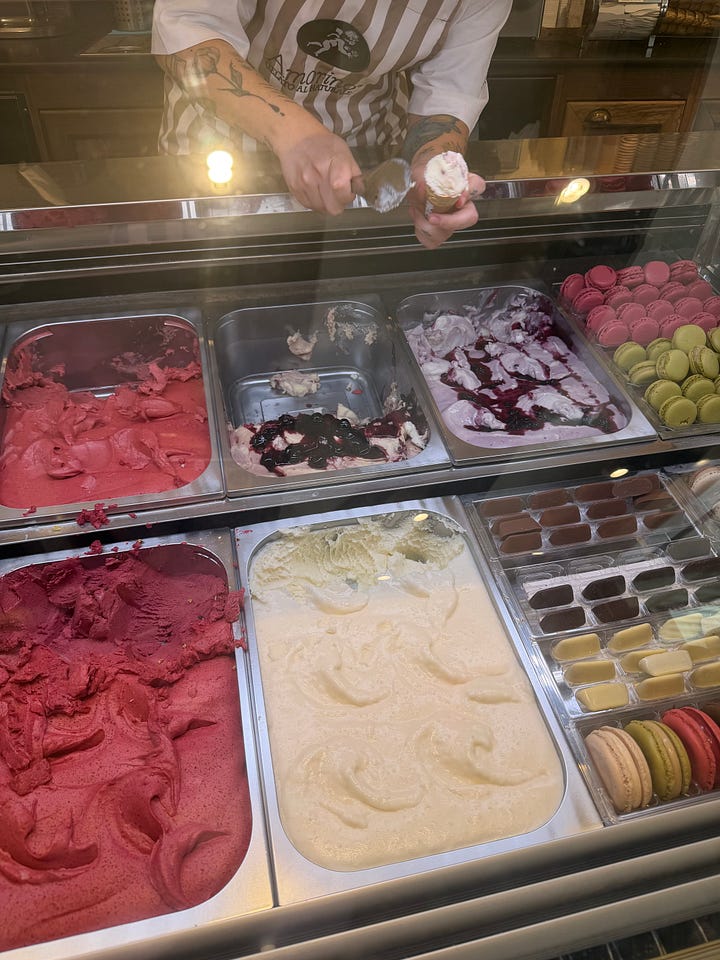
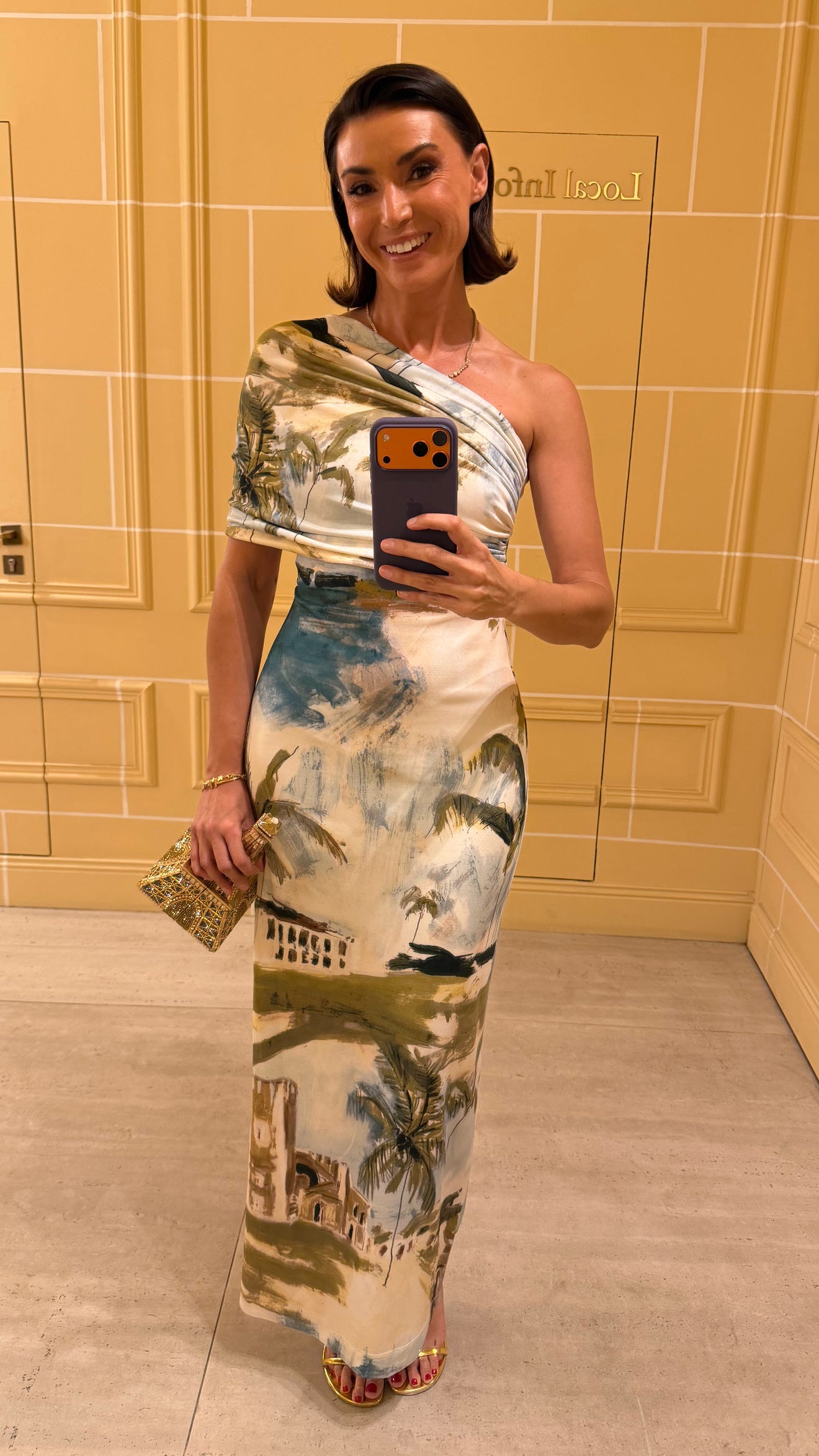
And now, a little BTS photo dump of my week in Paris!



No posts
Comments
Nothing yet. Say the first thing.
Sign in to join the conversation.