
The latest stop on the Broke, Sober, and NonDē Tour brought me back to VisArt Video in Charlotte, North Carolina for the second of four summer screenings at the video store/microcinema
If you read my previous Substack, you may remember that my first visit was a bomb: two total pre-sales, me hustling dudes browsing the shelves into the theater, resulting in a total audience of five (with no merch sales)
Broke Sober and NonDē's Substack is a reader-supported publication. To receive new posts and support my work, consider becoming a free or paid subscriber.
There are times on this tour where I’ve felt like a filmmaker. There are times where I’ve felt like a salesman. That night I felt like a door-to-door salesman…selling encyclopedias.
Ever since then, I’ve been trying to make sure this trip wasn’t a repeat.
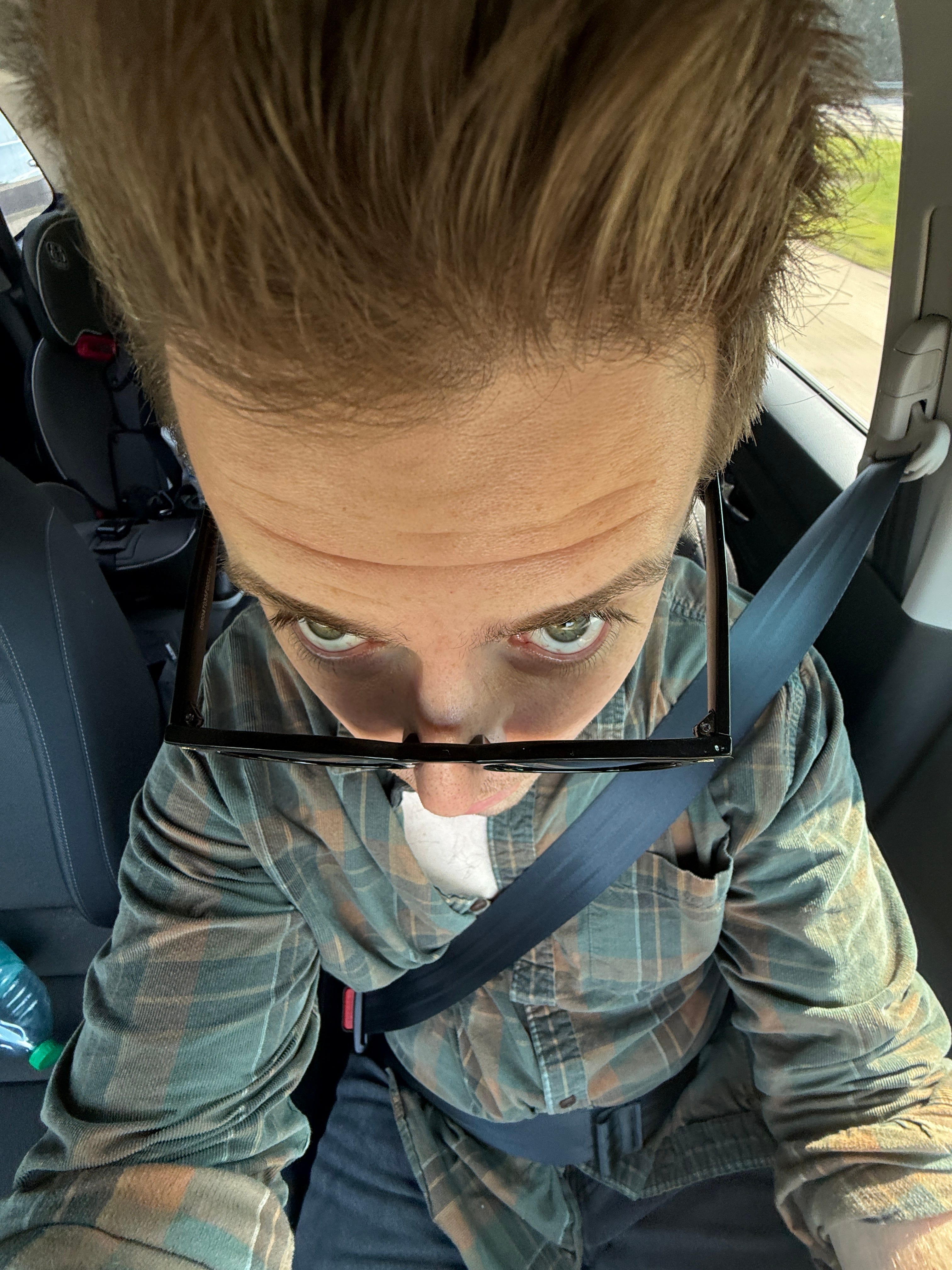
Building an Audience
If this tour has taught me one thing, it’s that audiences don’t magically appear. They aren’t summoned by advertising or algorithms (at least my algorithmic dark arts don’t seem to work that way)
They’re built through people.
I reached out to an old Charlotte collaborator, Scott Hall Galloway from Susie Films. I had acted in a short film of his years ago, and despite living on the opposite side of the city from the venue, Scott generously agreed to come on as a presenting partner. He sent emails. He spread the word.
But even then, there were no guarantees.
Unique Spaces, Unique Challenges
VisArt is a unique venue. It isn’t a traditional movie theater. It was once a local video store chain with multiple locations. To survive, they consolidated into a single space inside a shopping mall on Charlotte’s east side.
It’s beautiful.
Rows and rows of DVDs lead to a small microcinema tucked in the back. At full capacity it seats around seventy-five people, but it feels comfortably full with only twenty. One of my favorite features is the sound system. It’s loud, clear, and absolutely glorious. They also have a café, an outdoor seating area, and a small garden.
It’s a wonderful space. The problem is that not many people know about it.
While messaging people in Charlotte, I was surprised to learn that many had never even heard of VisArt. Several assumed we were screening at local ArtHouse, Independent Picture House instead.
VisArt hosts regular screenings, but after talking with several employees it became clear that each event tends to bring its own audience. There isn’t yet a large community of VisArt regulars showing up week after week and taking chances on unfamiliar films together.
Their loss.
I seriously doubt there are many Charlotte high school or college students reading this Substack, but if you are, VisArt is a chill spot with cheap coffee, endless movies, and one of the most welcoming atmospheres I’ve found anywhere.
Jealousy: a feature not a bug
On the five-hour drive north, I ran out of podcasts and my mind began to wander. Fearing another low turnout, I found myself thinking about other film tours that seemed to be doing better than mine.
Fucktoys by Annapurna Sriram had just played in Atlanta and sold out the 320 seat Plaza, as they seem to do everywhere. Kinema highlited their campaign in a listicle arguing they had “perfected FOMO.”
Instead, I had perfected FAMI: Five Audience Members, Idiot.
Our Hero Balthazar continues expanding across the world while executing one of the smartest social media campaigns I’ve seen, leaning fully into the film’s absurdity and internet-native sense of humor. I had been hanging out with producer Peter Gold only a few months before it released - if only I had asked him more about how they were thinking about this brilliant campaign.
My thoughts turned sour: Why can’t I have what they have? Why do their social media campaigns seem so much more effective than mine? Why does it feel like they’re sprinting uphill while I’m grinding out every ticket sale?
What’s funny is that I don’t feel this way when I’m sitting in a theater watching their movies. Then I’m simply enjoying the work. It’s only when I encounter those same films online that the jealousy creeps in.
The internet has an incredible ability to turn another artist’s success into your own insecurity.
Experimenting in Public
Feeling a sense of “being behind” I decided I HAD TO POST SOMETHING. RIGHT THEN. RIGHT THERE.
I pulled off on to a rural highway in South Carolina and thought about what to post.
The more I post on social media, the less careful I try to be. I want to post more, take more risks, and try more things.
Some experiments have worked wonderfully.
I’ve been recutting scenes from Withdrawal and setting them to dramatic music. Several have gone viral, particularly in Europe, and now I’m getting three or four DMs every day asking where people can watch the movie. It’s thrilling, but it’s also frustrating because I don’t have an answer. People want to see the film, and I don’t yet have a way to distribute it overseas.
On a case-by-case basis, I’ve been sharing watermarked screeners with a handful of people and asking them to “pay me” with a Letterboxd review. I’d rather they watch the film while they’re excited than forget about it entirely. I just wish I had a better solution.
Other experiments haven’t gone nearly as well.
I made a ticket giveaway video for our Los Angeles screening built around junkie movie trivia. The questions were too obscure, there were too many of them, and the post bombed. Within a few hours I quietly deleted it.
A Story I’d Never Told
had written in one of his recent Substacks, “I don’t care about your movie. But I do care about you. And if I care about you, I’ll care about your movie.”
So, I decided to share something about myself that I’d never shared publicly before.
I have this crazy story. I don’t tell it often these days because:
it happened over fifteen years ago
I don’t often share my “celebrity stories” because they come off as arrogant.
But basically, when I was a junkie, I had a bizarre personal yet impersonal relationship with Philip Seymour Hoffman.
We lived a block from each other in the West Village (I could not have afforded this on my own. I was being supported by a partner and would eventually be kicked out and homeless). Over the course of three years we had so many awkward, uncomfortable, and downright strange interactions that we came to recognize each other. Not by name, but he absolutely knew I was the shitty kid on his block.
Back then it was just a funny bar story.
“You wouldn’t believe it. I’m trapped in some weird dark energy vortex with Philip Seymour Hoffman.”
But after he died from a heroin overdose in February 2014, the tone of the story had to change. By then I had left New York and celebrated a year sober. Ironically, Hoffman had relapsed while filming in Atlanta. I couldn’t shake the survivor’s guilt. It made no sense to me that I got out while he didn’t.
Anyway... Flash back to me in the parked car, somewhere in rural South Carolina
I recorded the story, hit post, and kept driving.
Fourteen
When I arrived at VisArt, I checked in at the front desk.
“How many do we have tonight?”
“Fourteen.”
Fourteen presales.
Objectively, that’s a small number. Honestly, it’s a number I’m slightly embarrassed to publish.
But in that moment, it sounded like fourteen hundred.
As people trickled in, I asked each of them how they’d heard about the screening. One had seen the posters we’d hung up during my previous visit. Another found us through Facebook or Instagram. One couple came because someone they knew had seen the film in Columbia, South Carolina. A few came through Scott.
There wasn’t one thing that worked. It was a dozen little things working together. I wish there were an easier way, but this seems to be the evidence. Building an audience takes everything. Now the challenge is simply to keep building. Maybe by August, our final VisArt screening, I’ll be writing about a packed house.
Attention vs. Connection
As I left the venue around 11:00pm, I checked Instagram and TikTok.
The Philip Seymour Hoffman video had gone moderately viral (50k views across both platforms)
Of the 200 comments, some were really nice. People shared memories of Hoffman or thanked me for telling the story. Others insisted they were TikTok psychics assuring me Philip was still watching over me from beyond the grave (weird).
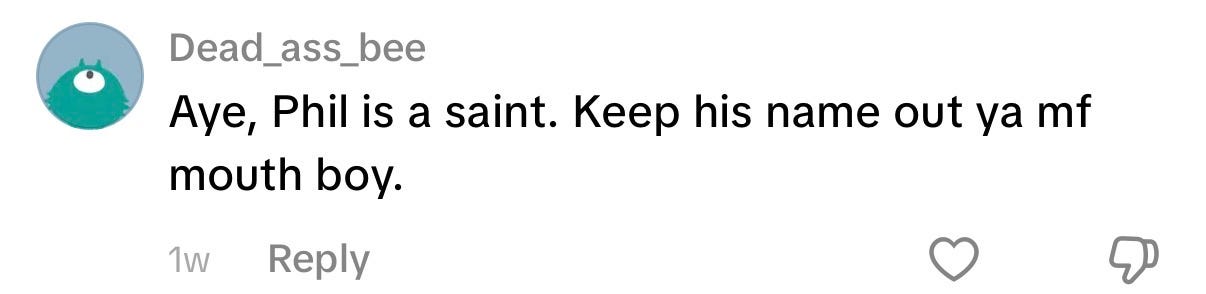
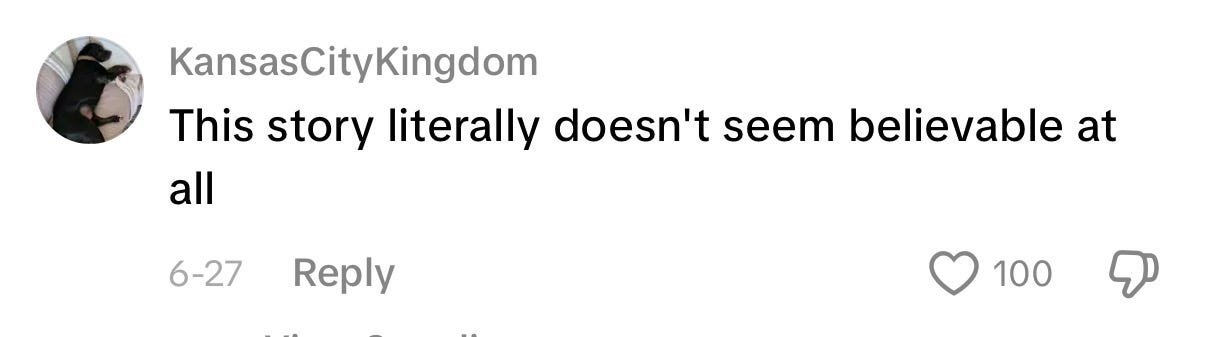
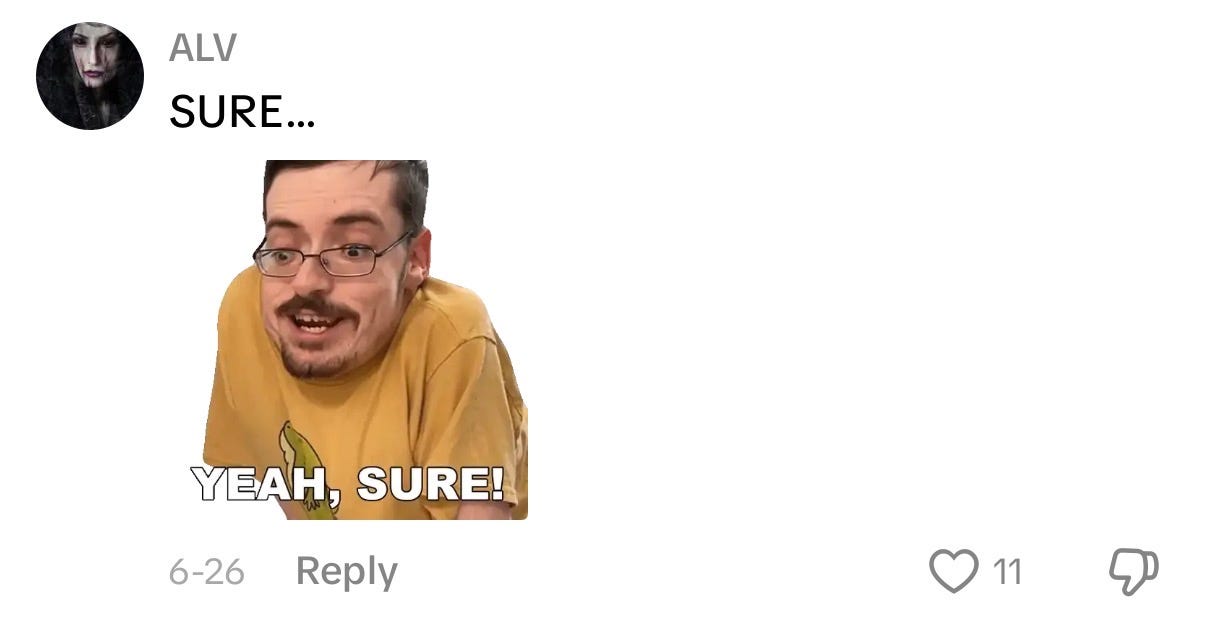
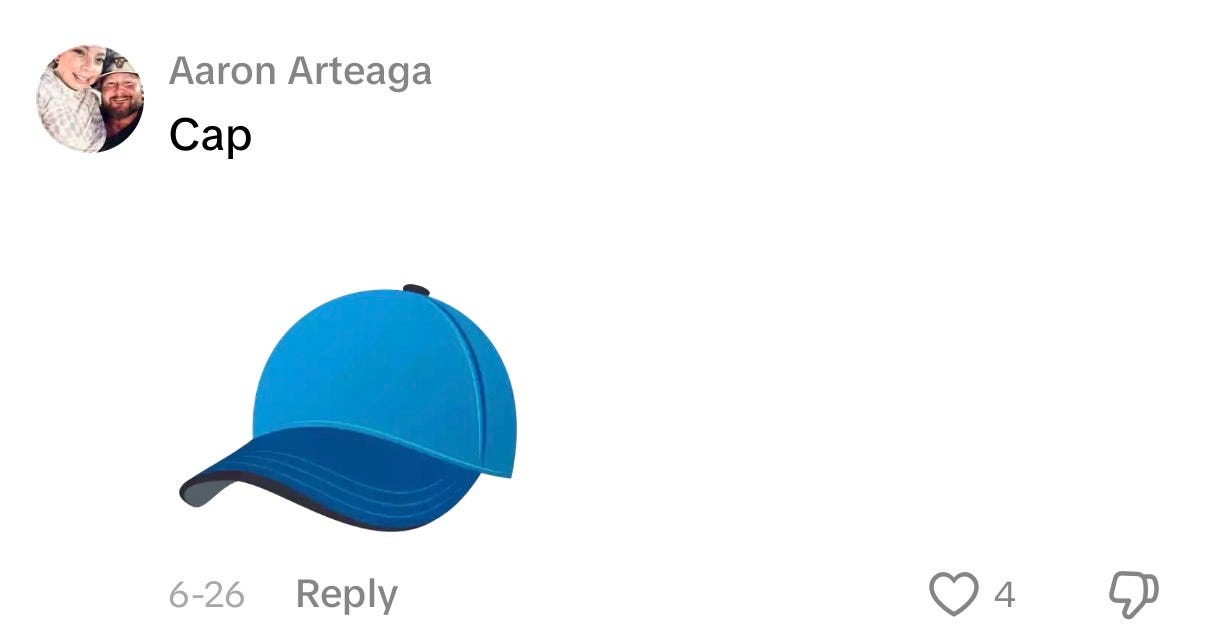
But a lot were simply mean. People called me a liar. They said I sounded fake, that I sounded ‘rehearsed’. They accused me of clout chasing on a dead celebrity and were now calling me names.
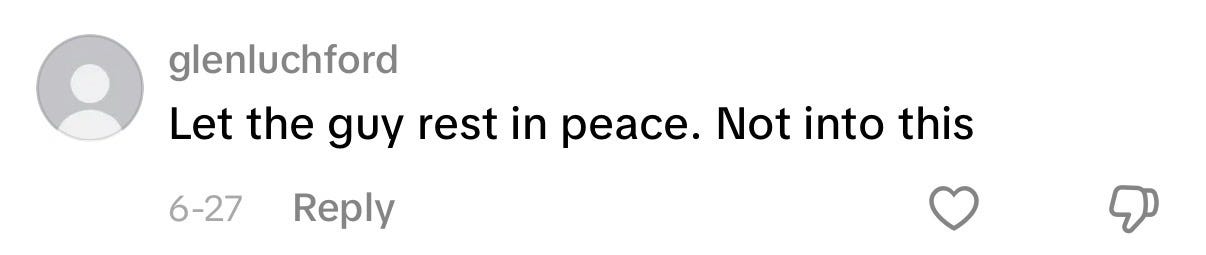

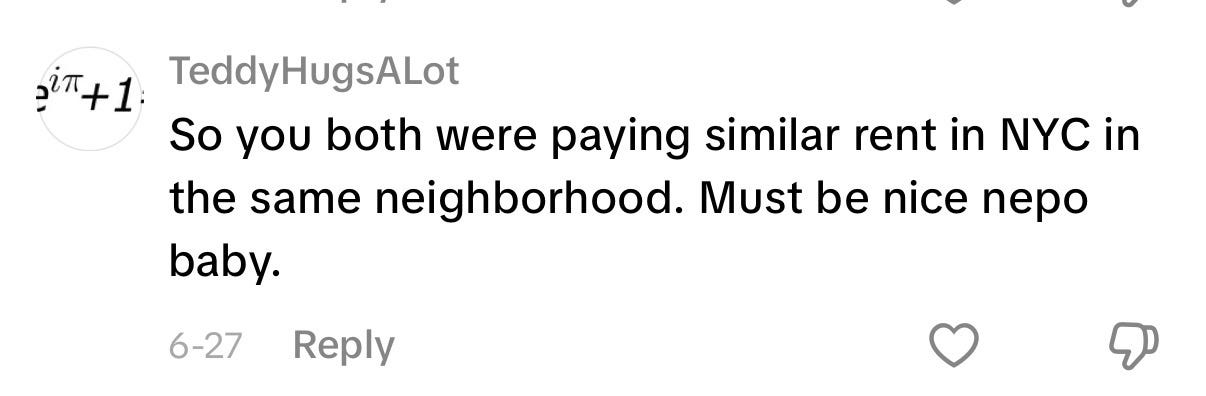
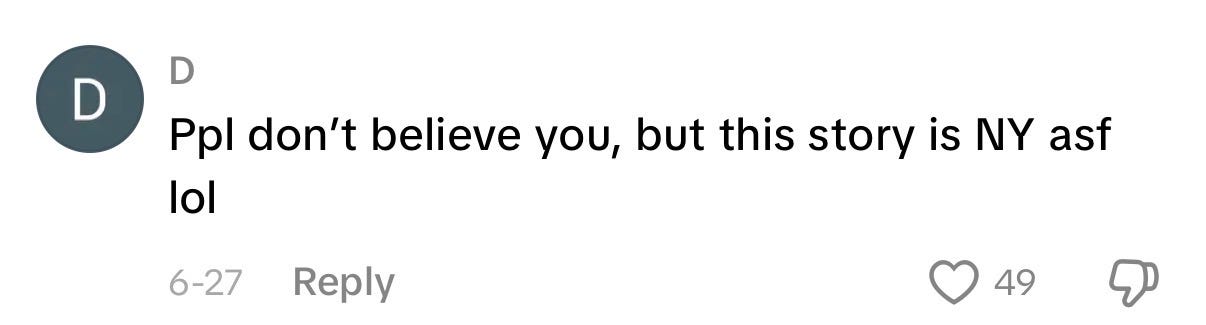
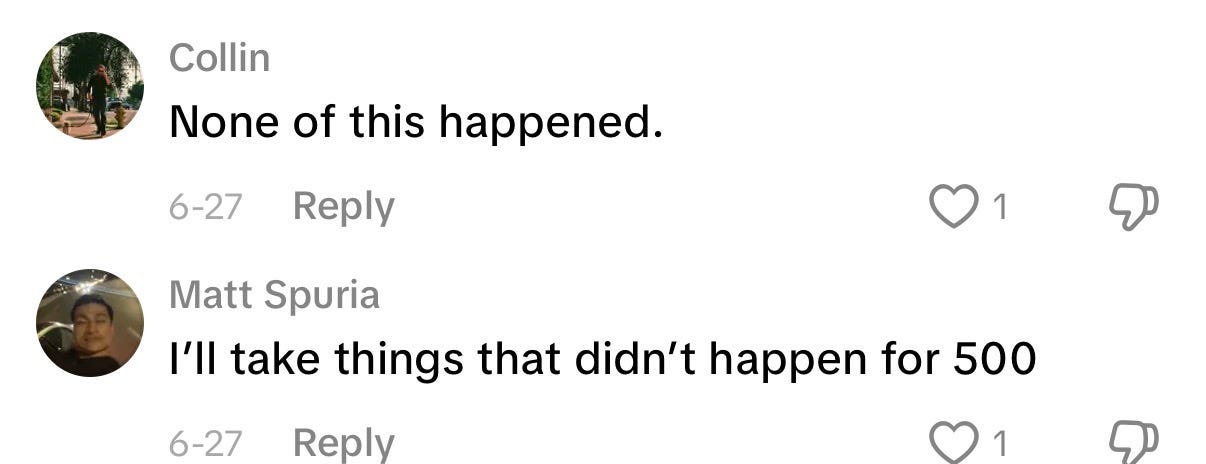
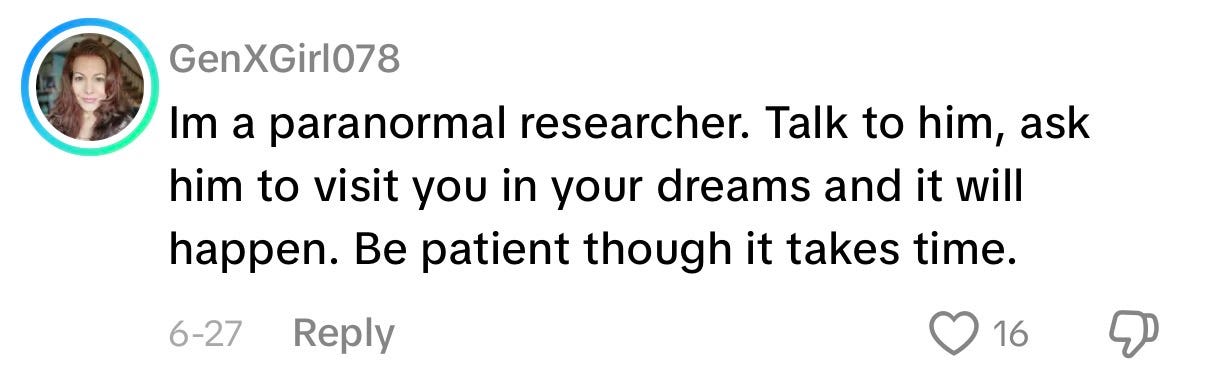
The post had done exactly what I’d hoped. People were talking about it.
But it didn’t feel good.
Virality may be exposure, but it isn’t community. Some people hear what you’re trying to say. Others hear whatever version of your story allows them to stay angry.
Then it hit me…
This is exactly what I’d been doing to those other filmmakers.
I’d been consuming their success online instead of experiencing their work. I was filling in the blanks with my own insecurity.
Online attention is valuable. It helps people discover your work, creates opportunities, and introduces your film to people who otherwise never would have found it. But it is also fragile, transactional, and temporary.
It is nothing like an audience sitting together in a theater.
Those people left their house, bought a ticket, put away their phones, and trusted you with two hours of their lives. That’s a real relationship. That’s sacred.
It’s easy to become obsessed with the question of how to convert online attention into real audiences. The two ARE connected, but they are not the same thing. Social media can point people toward a movie. Only a theater can create the experience that keeps them talking about it afterward.
For all of the internet’s incredible power, it still can’t replicate what happens when the lights go down and a room full of strangers agrees to dream together.
That’s still the miracle.
That’s still the goal.
And it’s worth showing up for, whether it’s an audience of fourteen or fourteen hundred.
xx
Aaron
Broke Sober and NonDē's Substack is a reader-supported publication. To receive new posts and support my work, consider becoming a free or paid subscriber.
Comments
Nothing yet. Say the first thing.
Sign in to join the conversation.