
Overhead, a riot of colour and detail almost overwhelms. Light comes through the tip of the dome, flowing out to symbolise the Holy Spirit as the Father and Son stand alongside it. Through the richness, depth and beauty of its art the Baroque1 was a reaction against the challenges of the reformation.
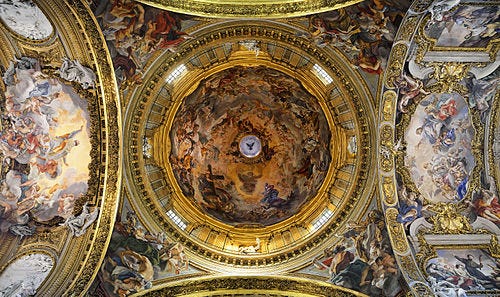
The church of Gesú in Rome is one the archetypal buildings of the Baroque era. Commissioned by the Jesuits during the counter-reformation, the building created something of a template for new churches around Europe. From the, then new, wide open spaces to the ornate and complex decoration which frames and surrounds your experience Gesú is a statement. It’s a statement of all the benefits and strengths of the old order, presented in a beautiful and emotional manner.
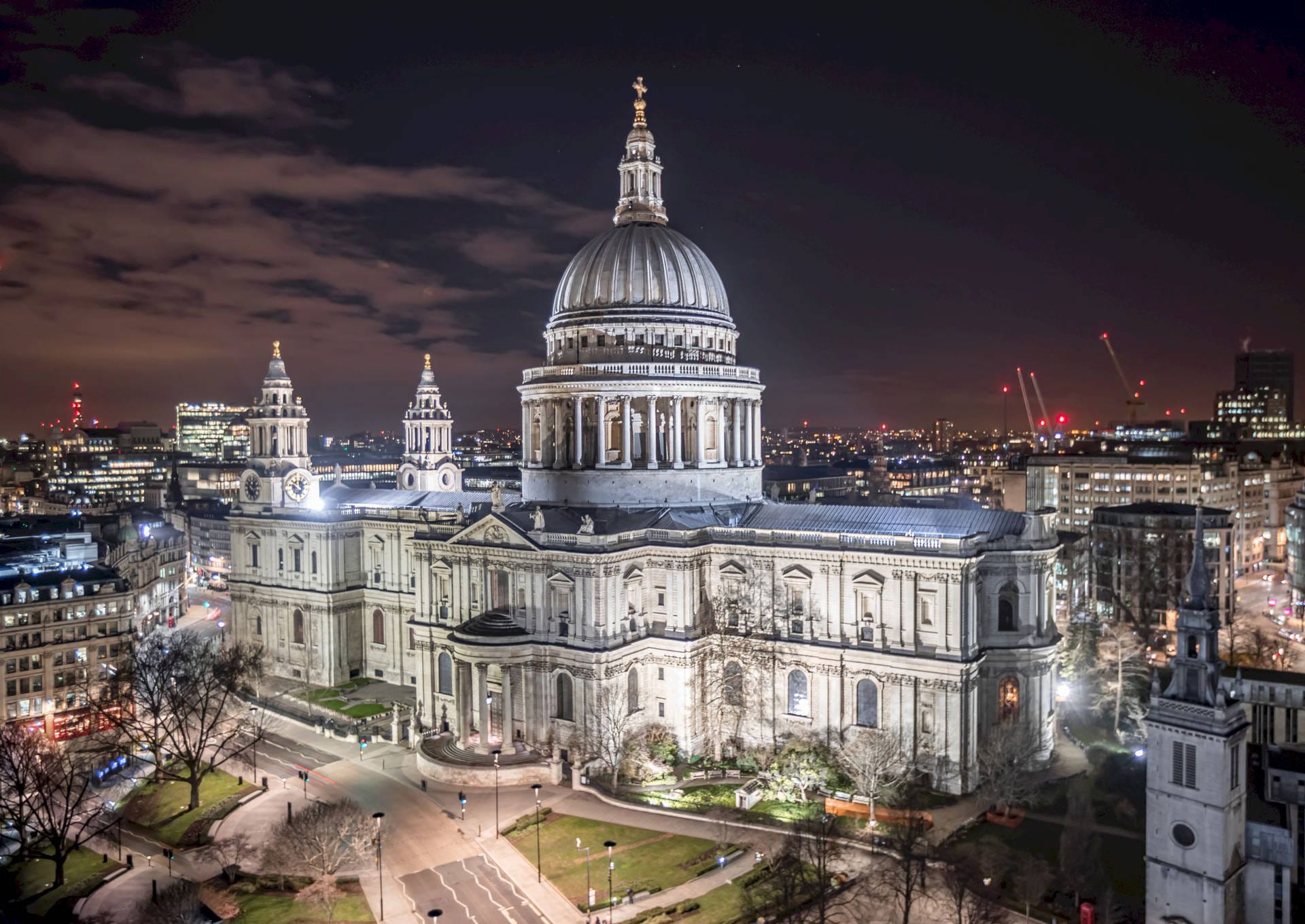
Baroque can be something hard to define in English, perhaps due to the relative scarcity of examples in Britain meaning there’s less familiarity with it. It’s not simply a style of art though, the same label has been applied equally to music and literature.
In musical terms, Baroque meant something new at the end of the medieval era, yet it wasn’t something which threw away all fruit of the past. It exploited new instruments and ideas to produce music which still sounds fresh to this day - Handel, Bach, Vivaldi and Pachelbel wrote music which seems to almost magically re-ocur in popular music to this day. The literature2 of this era is a golden era for the European mind, showing a grasp of complexity and depth which is hard to rival across any other era.
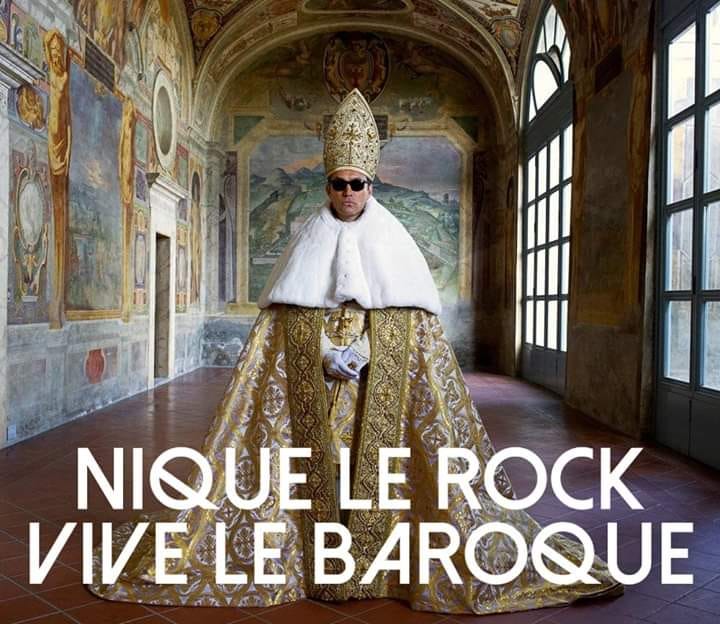
A new Baroque is needed for our times. It’s an antidote to the lowest-common-denominator simplicity of architecture and design. A riposte to the ikea-isation of buildings and life. It’s the best that reaction can possibly be, using the tools of the new to promote and share the eternal truths of old.
Castlegrail, an English writer who pulls in this direction often, has coined the term “Aristogressive” for this movement, based on pulling in the direction of the best and highest ideals.
I personally believe this is the way that artists, poets, musicians and designers can work against the grey, beige and plate glass world of Yarvin’s Cathedral. Through beauty, complexity, form and a celebration of the best and truest.
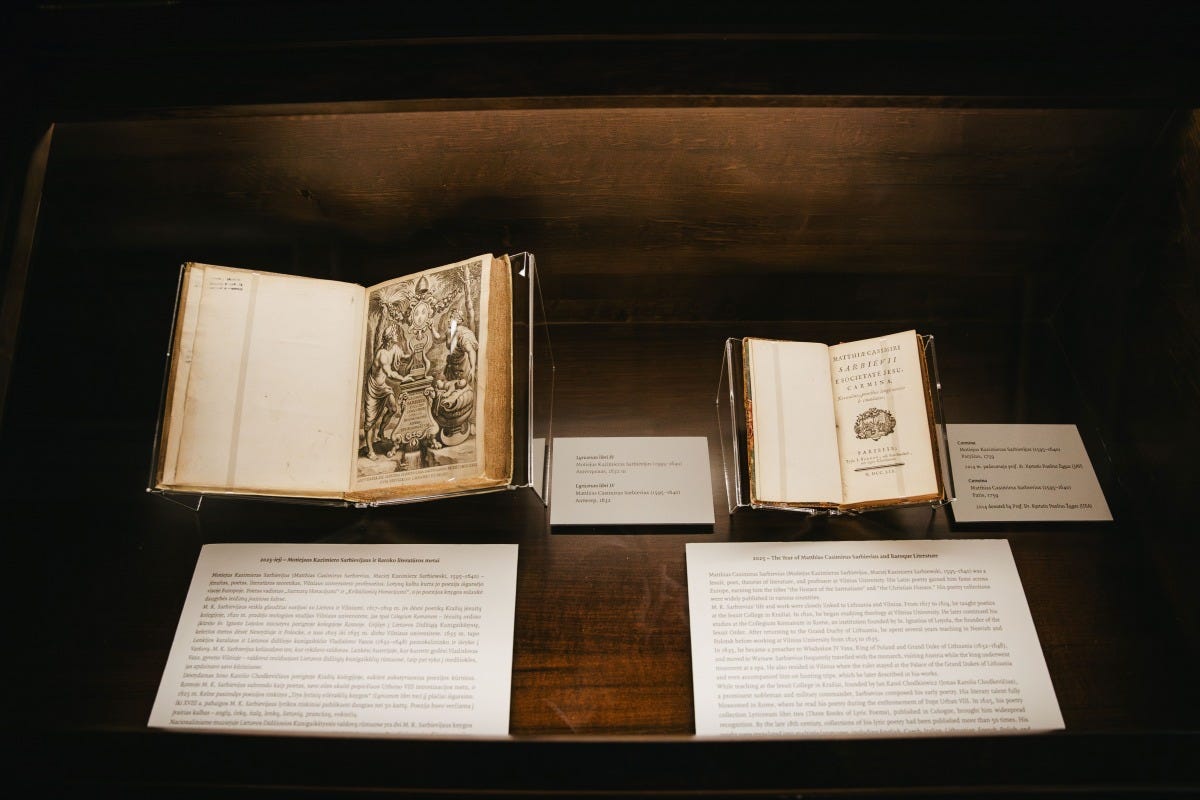
It’s an idea influencing my writing to an ever greater degree as I delve into the works of the original Baroque era and use their techniques of rhyme, metre, style and form to mark myself as apart from what the world loves.
Poets and writers, embrace this aristogressive idea. Use the forms, flourishes and details which are open to us as a reaction against the world of today.
Write with rhyme, choose structure not sameness,
Broadcast our ideals with intricacy and beauty.
Please try pronouncing this as “ba-Rok” not “Buh-Roak”. Romance languages tend to use “O” not “Oh” sounds.
Literature tends to be labelled baroque less often than other terms, but the phrase is in use.
Comments
Nothing yet. Say the first thing.
Sign in to join the conversation.