
This is Post Haste, our home for swift thoughts, responsive takes, and first attempts at solving problems. Want to write for us? Email editor@britishprogress.org
By Alys Key (@alys_key)
Every year, there are fresh calls for a new bank holiday to be added to the calendar. These are not just the idle comments of workers in a post-holiday haze (what day is it again?) but suggestions for using the mechanism of public holidays to solve a problem. Be it to boost national pride, improve workers’ rights, or save the hospitality industry, the prospect of an additional day off can sometimes be treated like a magic pill.
But there is nothing magic about it: official estimates put the cost of an extra bank holiday at about £2 billion. This alone might be good reason to avoid a new recurring break.
Following this logic to its extreme then, we may as well scrap every other bank holiday and wait for the economy to flourish. We don’t do this in part because the formula is not so straightforward, and in part because we understand that breaks beyond the routine weekend - especially those shared across the country – have other benefits.
If we were to decide that an additional bank holiday is worth the cost, we should think carefully about how to make it a success. It should be something that combines national pride and history, provides a boost for the hospitality industry, becomes a draw for tourists, and falls at a time when everyone can make the most out of it. We should also consider breaking the mould of the weekend + Monday formula.
There are many ideas about when the day would fall. As much for the sake of novelty as for practical purposes, I would like to propose a date I have not seen suggested before: the 29th of May, hitherto known as Oak Apple Day.
Oak Apple Day, also known as Restoration Day or Royal Oak Day1, was celebrated for almost two centuries in England, Wales and Ireland to mark the return of Charles II on 29 May 1660, both his birthday and the date he re-entered London to reclaim the throne from the Commonwealth. Parliament then declared the date a perpetual day of thanksgiving.
The name comes from the oak tree at Boscobel House in Staffordshire, in which Charles hid from Parliamentarian forces after the Battle of Worcester in 1651. Oak leaves and “oak apples”, the fruit-like growths produced by wasps on oak branches, became symbols of loyalty to the king. Those who failed to wear one were liable to become the victims of various sorts of 17th century hazing, including being stung with a nettle. In Sussex the day was known as “Pinch-bum Day”. I trust that the neighbourly pranking inflicted in its honour is self-explanatory.
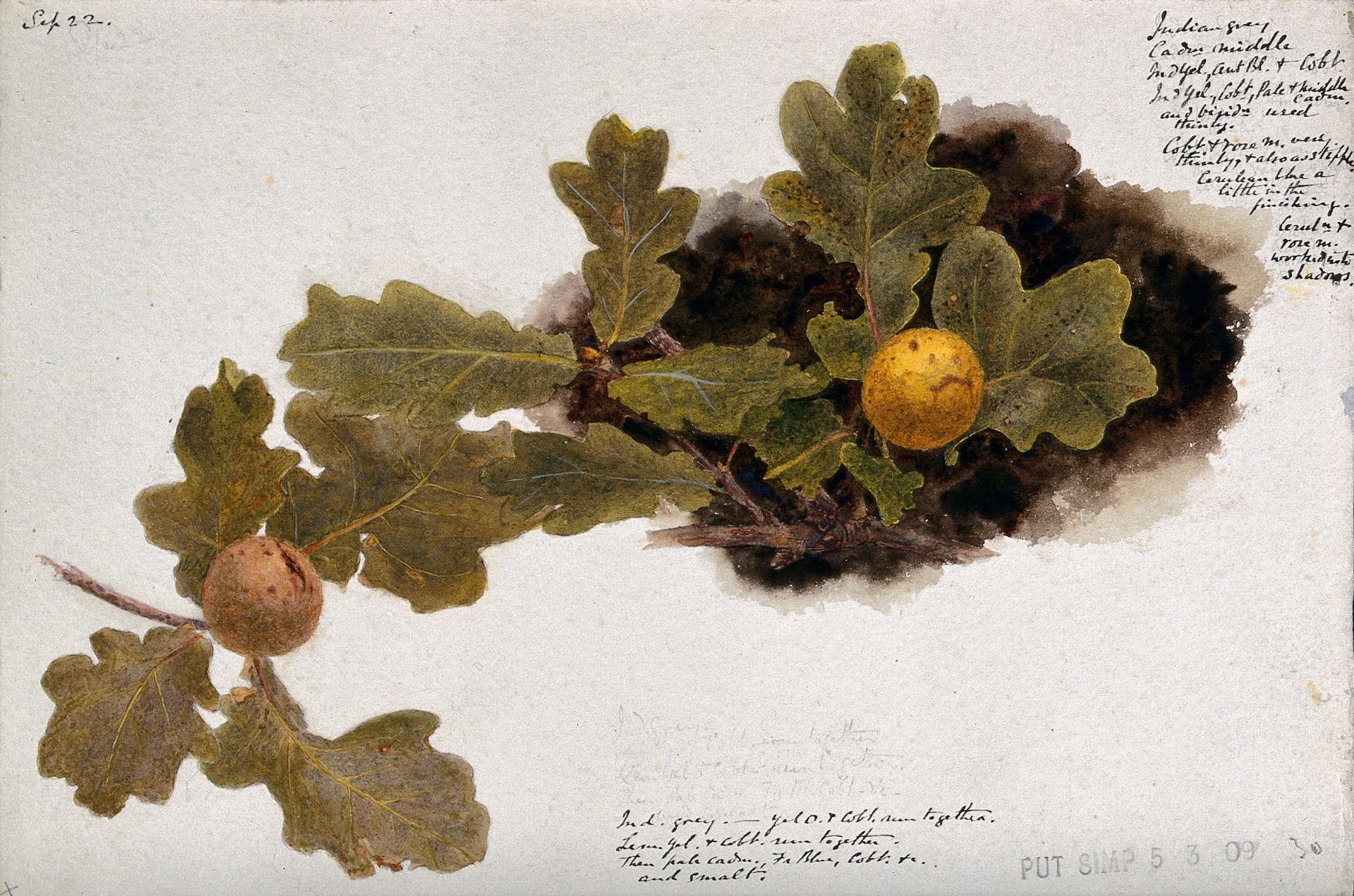
As these customs suggest, although the day has a royal and religious origin, it became embedded in folk culture too. One of the few surviving traditions to mark Oak Apple Day reflects that. The people of Great Wishford (formerly Wishford Magna) process to Salisbury Cathedral on Oak Apple Day, where they chant “Grovely! Grovely! Grovely! And all Grovely!” It celebrates the traditional right of locals to harvest wood from Grovely Wood, and its origins predate the Restoration, going back to at least 1603. Having fused with the royal tradition, it still takes place on the 29th but with little trace of the Restoration.
Oak Apple Day was removed from official recognition in church prayer reforms of 1849. Whereas Guy Fawkes night lived on beyond state-sanctioned prayer, Oak Apple Day faded from popularity, as did celebrations of the martyrdom of Charles I2 and of the Irish Rebellion of 1641.
A bank holiday has a cost. A DCMS impact assessment of the Platinum Jubilee estimated, ahead of time, that it would cost the economy £2.4 billion in terms of GDP. This figure has remained pretty consistent for years; a CEBR report in 2012 put the cost of each bank holiday at £2.3 billion. Successive governments have reinforced that estimate by periodically citing the £2 billion figure whenever dampening enthusiasm for a new permanent day off.
That same DCMS analysis, however, noted that the fall in GDP which resulted from extraordinary bank holidays in the past was usually paired with a bounce-back the following month. Businesses tend to pick up the pace in the remaining working days of a quarter in order to make deadlines.
The loss of productivity in some areas also goes alongside greater demand for products and services in other sectors, especially form retailers and the tourism and hospitality sector. Industry bosses called for a new permanent bank holiday in 2022 and commissioned PwC to reassess the cost. The firm came back with an estimate as low as £831 million. Putting it on a Friday could bring that number down even further, analysts suggested, since fewer average hours are worked that day anyway. A worthy trade to save the pubs?
If we are to use this justification for the new bank holiday, this puts paid to those who call for a new day off in the autumn or winter. Busy as the sunny months may already be with special occasions, good weather is crucial for more footfall on the high street, more days out to the seaside, more Aperols on the terrace. One estimate puts the value of each additional degree above the seasonal average at £16 million for the relevant sectors. It makes sense that in adding a new holiday, we would place it on a date with a good chance of warm, pleasant conditions. Oak Apple Day falls at just such a time of year.
At any rate, the affordability question can be a distraction. The root of our productivity troubles goes much deeper than the handful of boozy Mondays we enjoy each year. Addressing some of the more significant blockers to economic growth would more than offset another day downing tools.
It may feel counterintuitive in a modern society to introduce an additional day of celebration with a royal flavour, but one does not have to be a royalist to appreciate the potential.
We have form for marking royal occasions. Indeed, the only temporary days off so far this century have been to honour their weddings, funerals, jubilees and coronations. It may not be measurable in GDP figures, but there’s a sense of national identity and social cohesion that comes from a national day of celebration, whether one endorses the monarchy or not.
Furthermore, the British royal family are incredibly famous, and their history is fascinating to people all over the world. Creating a new, regular occasion with links to the past could prove a new tentpole event to attract visitors from overseas.
Look for example to Koningsdag in the Netherlands. Officially held to mark the birthday of the reigning monarch, its associated activities span from flea markets and festivals to dressing up in bright orange and sipping orange-coloured drinks.
The occasion provides the most significant boost of the year for the hospitality industry, per Rabobank research, with weekly turnover an average of 21% higher than average. There’s no requirement for participants to endorse or even know about the royal family, and it attracts throngs of visitors to cities like Amsterdam and Utrecht. Expats, foreign students and other new arrivals can easily participate in a market of Dutch culture.
Oak Apple Day could serve a similar purpose in British public life. It helps that Charles II enjoys a public image that would be synonymous with a day of revelry in his honour, as the merry monarch, or the “king who brought back partying”.
In addition to incorporating the existing folk traditions around Oak Apple Day, there’s no reason why we couldn’t create new customs too. All traditions are made up, to some extent. Why not, for example, make it traditional to drink an English cider on that day, in an extra boost for the UK’s £2.7 billion cider industry? If we all pitched in, I feel like we could get pretty close to offsetting the requisite drop in GDP.
It should be noted that every few years, Koningsdag (the 27th of April) falls on a weekend, meaning the cost of the holiday (a similar amount to the UK’s days off at €1-2 billion) is slightly lessened.
This would be one option for Oak Apple Day, and a slightly unusual one for Britain. Our other roving bank holidays – Christmas Day, Boxing Day and New Year’s Day – create days off in lieu when they land on the weekend. But many European countries have public holidays which only affect standard working hours when they land on a weekday.
However, I think it is worth considering how one could supercharge the effect of an extra bank holiday. One way to do this would be to create a new four-day weekend, encouraging more travel and perhaps even the creation of new festivals and cultural events.
I would therefore suggest that we adopt the 29th of May or the closest Friday as a public holiday. As we have already established, Fridays are slightly less productive days anyway. This could then be sandwiched together with a rescheduled late May bank holiday, which could fall on the following Monday and create a new longer break at a peak time for leisure, DIY, and travel.
As luck would have it, this year Oak Apple Day does fall on a Friday. I for one will be logging off a little early, and having a glass of cider in the sun.
See also: Shick Shack Day, Oak and Nettle Day, Yak Bob Day, Pinch-bum day, Bumping day
No posts
Comments
Nothing yet. Say the first thing.
Sign in to join the conversation.