
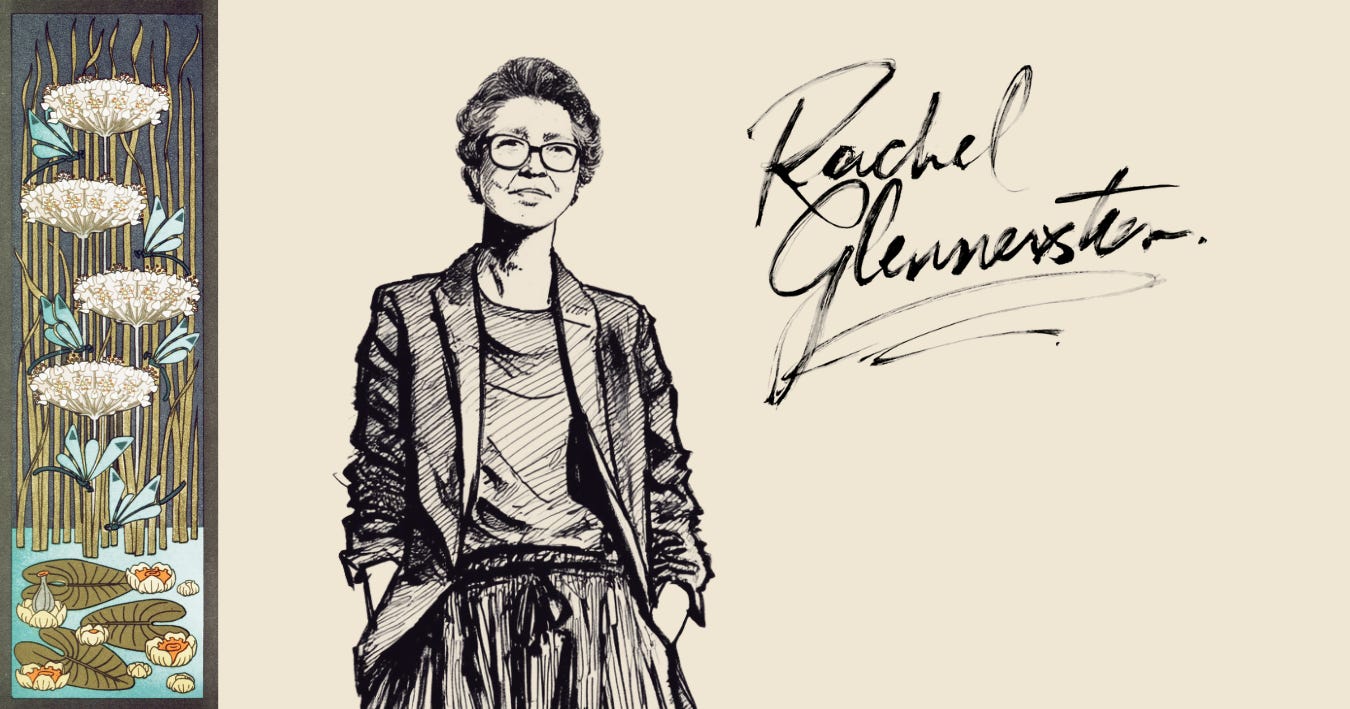
This is Pen Portrait, our interview series with the people shaping ideas about the future. This month, we put questions to economist Rachel Glennerster, who is president of the Center for Global Development.
What are you working on right now?
I am working on a design of an Advance Market Commitment (AMC) to incentivise the development and distribution of a fast, simple diagnostic for neonatal sepsis, which kills 700,000 newborns a year.
How is the world different now compared to when you were a child?
Emerging economies like China, India, Indonesia, and South Africa are much richer and much bigger players on the world stage. As a child, global politics was dominated by Russia vs the US. China is unrecognisable from the country I backpacked around in the 1980s.
What has AI changed about your life, if anything?
In addition to using it to speed up analysis, I (and my team), spend a lot of time working on how AI can improve lives in low- and middle-income countries. Currently, AI is mainly used to solve rich world problems. We are working to change that.
What makes you concerned about the future?
The reduction in global cooperation. I don’t think people realise how much of our prosperity and security has been built on trade, migration, sharing of R&D, and joint efforts to combat common threats like pandemics and conflict. If cooperation doesn’t recover, we will be a lot poorer and less safe as a result.
What makes you optimistic about the future?
Human innovation is capable of extraordinary feats (if it’s pointed at the right problems). I don’t just mean new gadgets; I include new ways to teach children or select and motivate bureaucrats.
Who’s the most important thinker of our time?
I am more a doer than a thinker, so for me, Sir Fazle Hasan Abed. He built a whole new kind of organisation: very large-scale, low-cost, highly effect and evidence driven, yet close to local communities whose input is taken very seriously and feel it’s their organisation. BRAC avoids many of the challenges of large organisations, attracts highly motivated people at all levels, and changes when the evidence changes.
What book are you reading at the moment?
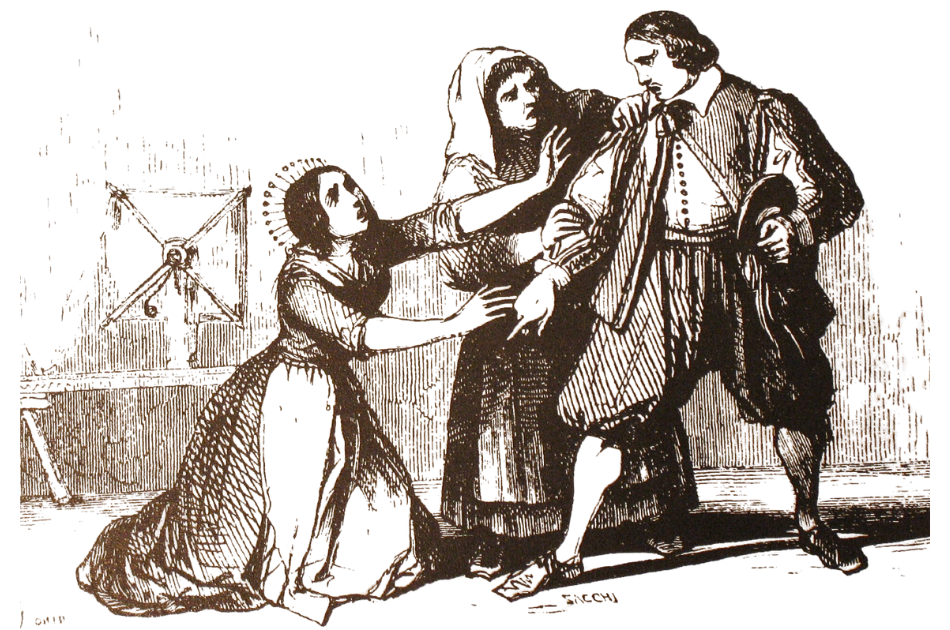
The Betrothed by Alessandro Manzoni
Where’s the best place for a lunch meeting?
I am not a fan of going out to lunch for a meeting – it’s noisy and time-consuming. Order a sandwich or salad and talk in peace in the office.
What was the best purchase you ever made?
A train ticket from Seattle to New Orleans with as many stops as I liked when I was 18.
What was the last film you saw in a cinema?
The Sheep Detectives. How could you not watch something with Emma Thompson in it?
What would you serve up for a dinner party?
My go-to is baby eggplants in a korma sauce, mutter paneer, and mango salad. Quick and easy to make in large quantities.
What’s always on your desk?
A steaming cup of boiling hot water with a dash of milk in it.
What’s the first thing you do in a new city?
Walk to a local food market. Each is distinctive to their city.
Which songs would you send into space?
The album ‘Ella in Berlin’.
What was your first job?
A paper round.
What’s the best career advice you’ve received?
It’s career advice that came out of a conversation my husband and I had in our mid-20s. We made a pact to advise each other in the years ahead, to not be distracted by money or prestige, but at every stop to ask which next step is most likely to have the biggest impact for good.
Where do you find new ideas?
Talking to people: from farmers and educators to policy makers and academics. They tell me about their challenges and suddenly I will see how it fits into an economic model, and I can see a way forward.
What word do you overuse?
Probably ‘evidence-based’.
What’s your next big project?
We need to raise $60 million for the Neonatal Sepsis AMC, change the way the IMF works with poor countries, and set up a Global Advisory Panel on skills. Easy, right?
How does change happen?
Countless hours of detailed work understanding needs, designing solutions, testing, adapting, retesting, building support at every level, messaging, working on getting all the details right, getting feedback, reworking. And then it takes off and it looks so easy and still there are hundreds of people paddling under the surface to make it all move forward.
Thanks for reading The Progress Post! Subscribe for free to receive new posts.
Rachel Glennerster is the president of the Center for Global Development in Washington, D.C. and an associate professor of economics at the University of Chicago. She previously served as chief economist for the Foreign Office, and before that for the Department for International Development. You can find her on X.
Comments
Nothing yet. Say the first thing.
Sign in to join the conversation.