
Springtime is creaking into the city of Chicago like a well-oiled and severely damp breeze stepping smoothly through the thick air, here and then not like the tamales man lumbering through a dive bar in Uptown in the early hours of the morning, little red cooler full of the good stuff, there are only a few seconds to catch relief at a time. Well in that case, it’s a good thing you brought your catcher’s mitt.
A rainfall comes pitterpattering down and the streets flood up with rain. Here’s a rule of thumb for the spring: if the breeze coming in through the curtains is warm, it’ll be a hot three day until the next rainfall; but if it’s cold, the next couple days will be cold.
The back-and-forth of the midwestern shoulder seasons is charming only once the rhythms have sunken into the bones and been taken with the grain of thought that change takes time and some of the lingering can be pleasant when anticipated. When I first moved to Madison, Wisconsin from the perpetually hot state of Mississippi in 2017, I agonized, I raged, I shivered and shook my fist at clouds. The slow starts and stops of Springtime humbled me, to say the least. Being in Chicago is actually a positive change from Wisconsin. And I can look back and be thankful I wasn’t living in Minnesota, where it’s somehow even colder.
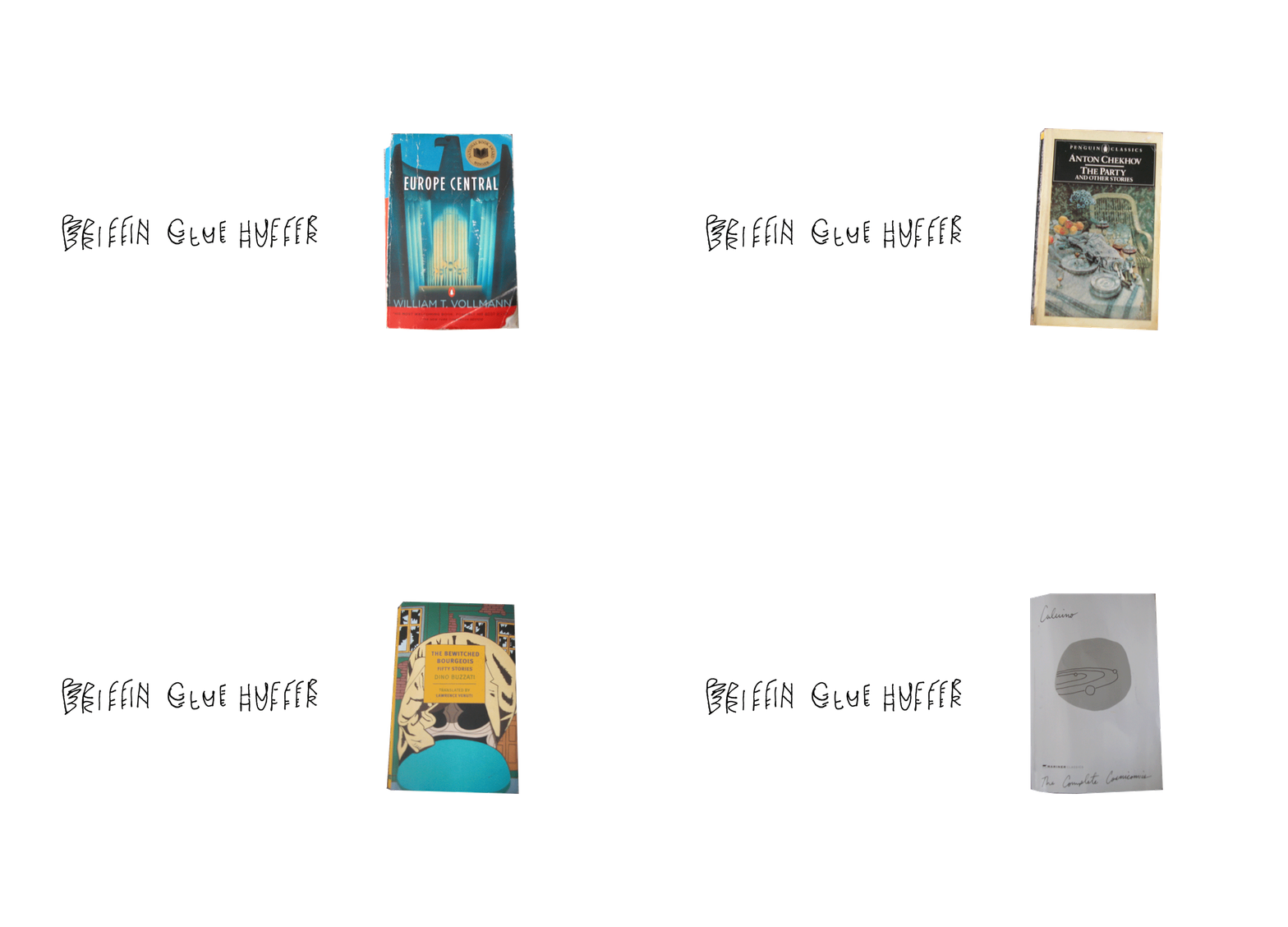
I’m more used to the seasonal aspect of the Midwest now, to say the least. April is a changing of hands: a transition. I found myself slowing down with reading, recording, reconfiguring myself to fit with a changing world. The tulips are beginning to grow. The trees have small leaves beginning to form. I went to pick up my bass guitar after my buddy Shane repaired it on Friday and he was eating a sandwich with avocado, tuna, and a thick coating of sprouts. Anyways, here’s everything I read this month:
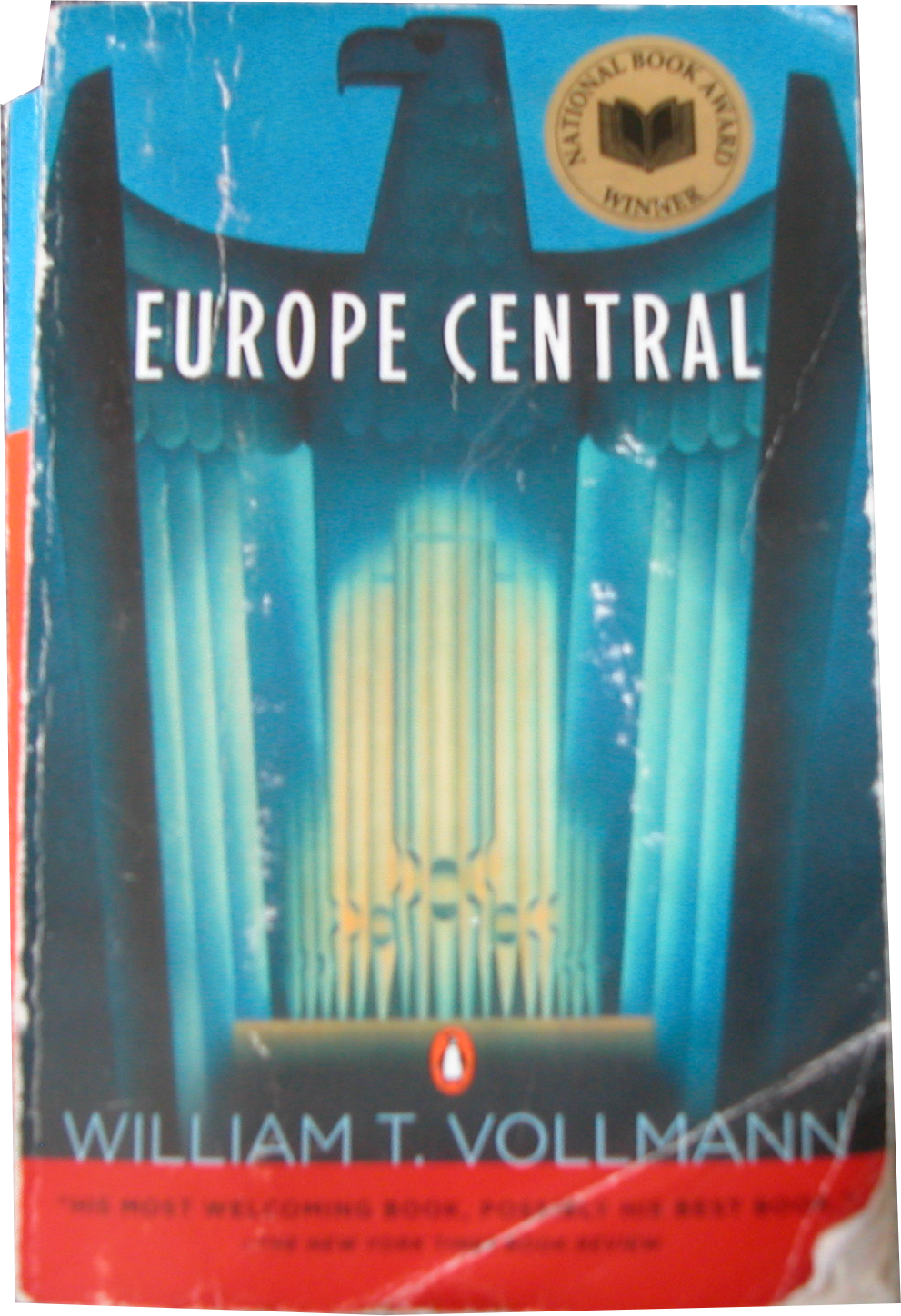
“The tale of Fanya Kaplan, that darkhaired, pale-faced, slender idealist, tells itself with grim brevity in keeping with her times. For just as tyrannicides spurn slow justice, so likewise with tyrants. Between exploit and recompense lay only four days, which in most histories would comprise but an ellipsis between words, a quartet of periods, thus: …. —but which, if through close reading we magnify them into spheres, prove to contain in each case a huddle of twenty-four grey subterranean hours like orphaned mice; and in the flesh of every hour a warm of useless moments like ants whose queen has perished; and within each moment an uncountable multitude of instants resembling starpointed syllables shaken out of words—which at the close of this interval, Fanya Kaplan was carried beyond Tau, final letter of the magic alphabet. Her attempt took place on 30 August 1918. It is written that after Lenin fell, the young assassin hysterically fled, but then, remembering that the moral code of the Social Revolutionaries required her to give up her life in exchange for her victim’s, stopped running, turned back, and in trembling silence surrendered to our security forces. On 3 September, Fanya Kaplan, who happened to be noted for her ‘Jewish features,’ was led into a narrow courtyard of the Lubyanka and there shot from behind by the commandant of the Kremlin himself, P. D. Malkov. (That luminary I. M. Sveerdlov, who’d already played so indispensable a role in the liquidation of the Romanov family, instructed Malkov: Her remains are to be destroyed without a trace.) Thus the life and works of the blackhaired woman.”
— Vollmann, Europe Central, 13
Vollmann is something of a writer out of his time. The Metropolitan Review wrote a good, lengthy piece last year about the struggles he faced to publish his 3,500 page novel about the history of the CIA over two generations of operatives, a father and a son, — due out, finally, this June — but in terms of his writing style, too, Vollmann is a man singularly out of time. Lush, flowing, hallucinatory mixtures of fact and feeling caress the eyes, almost floating off from the page. There is perhaps no better way to approach historical fiction than through Vollmann’s methodology, though. He’s claimed in interviews to first fill up a couple of notebooks with raw historical facts and figures, then go to whatever location he’s writing about to see the landscape for himself, live there for a couple years (for his Seven Dreams series about interactions between white colonists and native Americans, he went to live among the tribes for months and sometimes years, learning customs, the language, etc.); only then would he set out to put the pieces together and write the actual work. The result, usually, is a beautiful yet somehow delicate package to be unwrapped gradually and with care.
Comments
Nothing yet. Say the first thing.
Sign in to join the conversation.