Transit Data and Trajectory aren’t the Problem. CUTRIC’S Analysis Is.
CUTRIC should choose between commercialization and independent evidence. Transit agencies and CUTRIC’s members have choices of their own, and they do not need to wait.

Reality-based decarbonization analysis: what is real, what is hype, and what to ask before money, policy, or reputation gets committed.
Live Last read · last published · next check
CUTRIC should choose between commercialization and independent evidence. Transit agencies and CUTRIC’s members have choices of their own, and they do not need to wait.
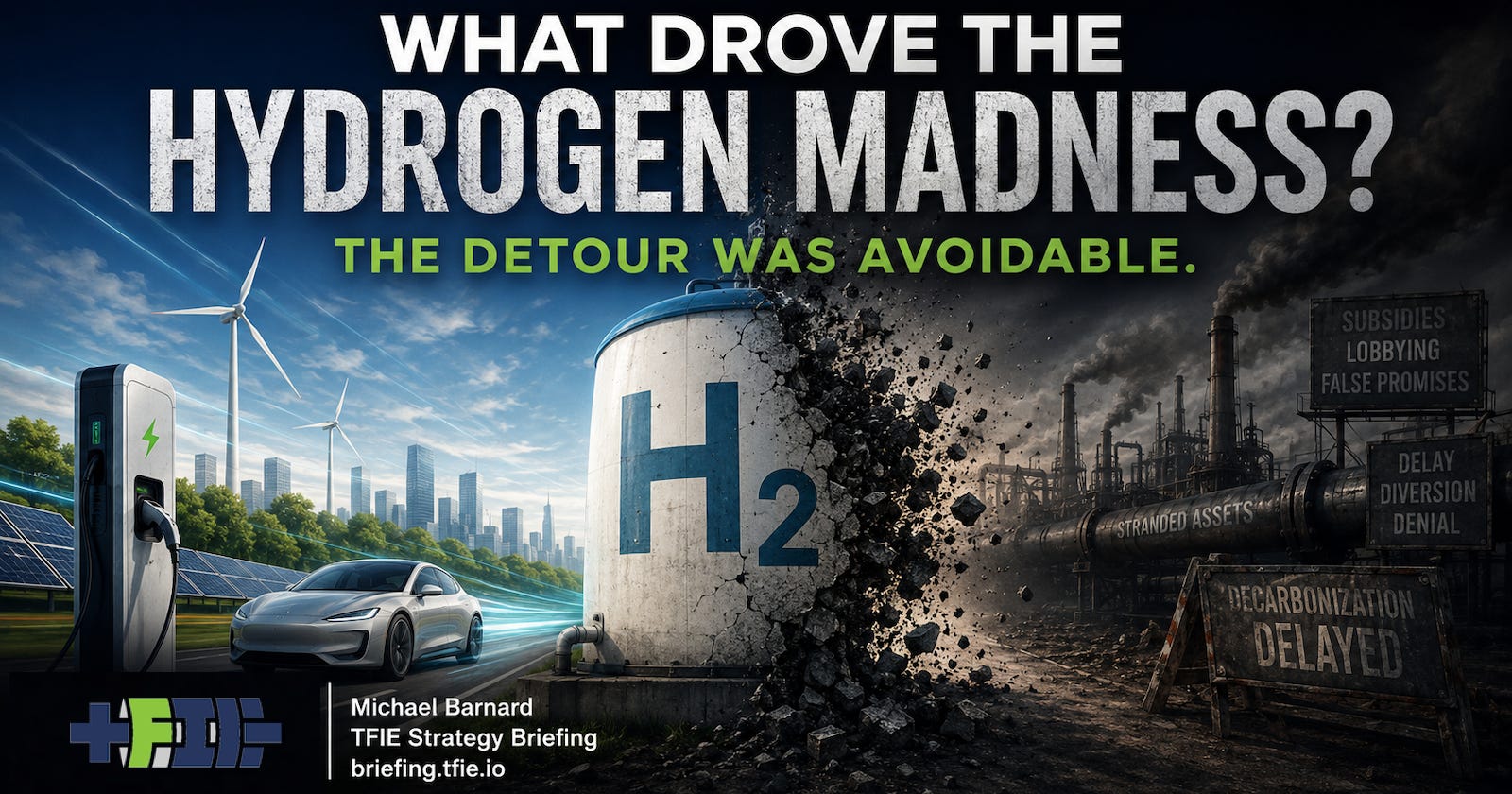
The problems were known long before the latest hype cycle.
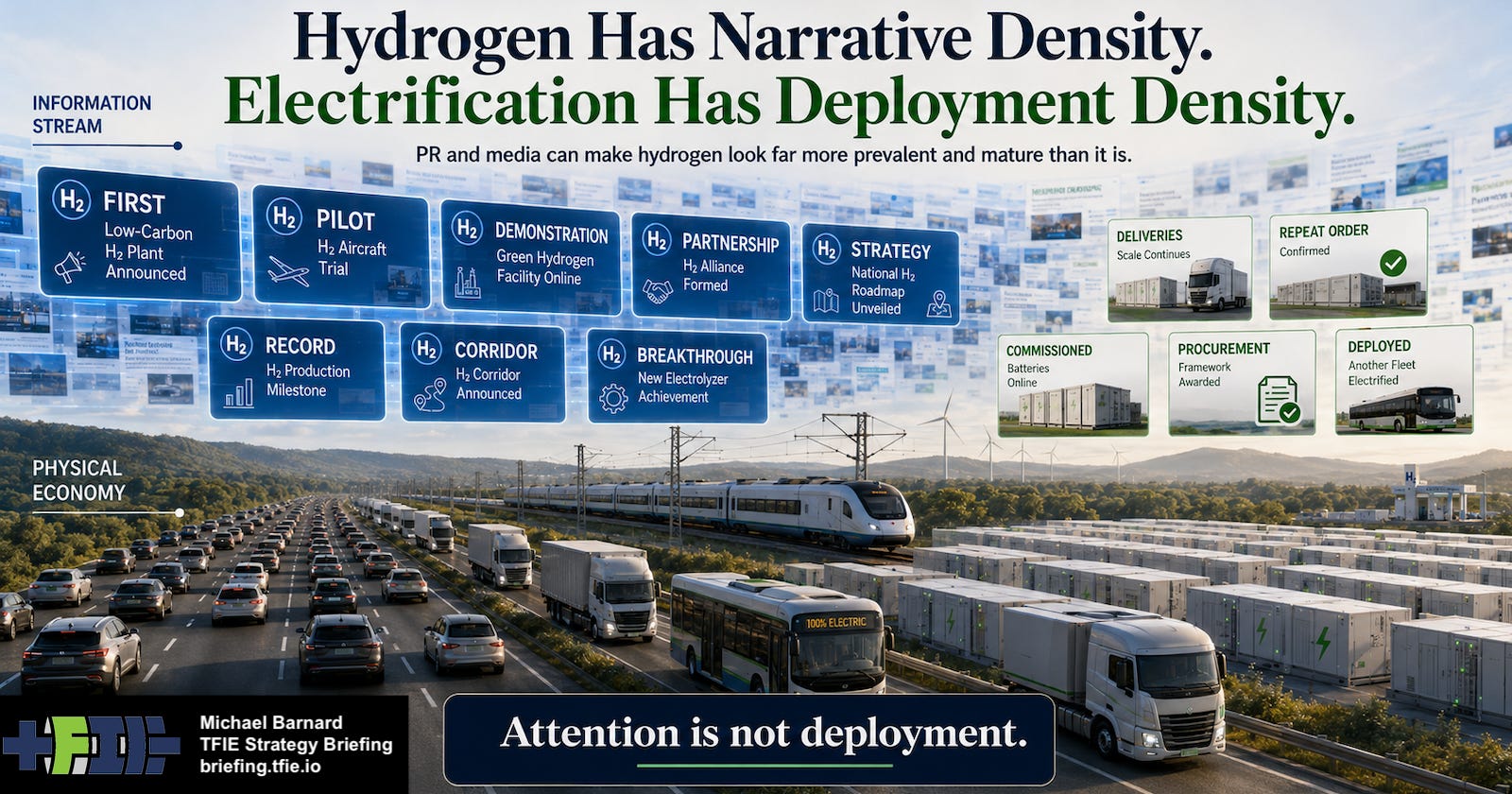
Media and PR make hydrogen look far more prevalent and commercially mature than the physical economy says it is.
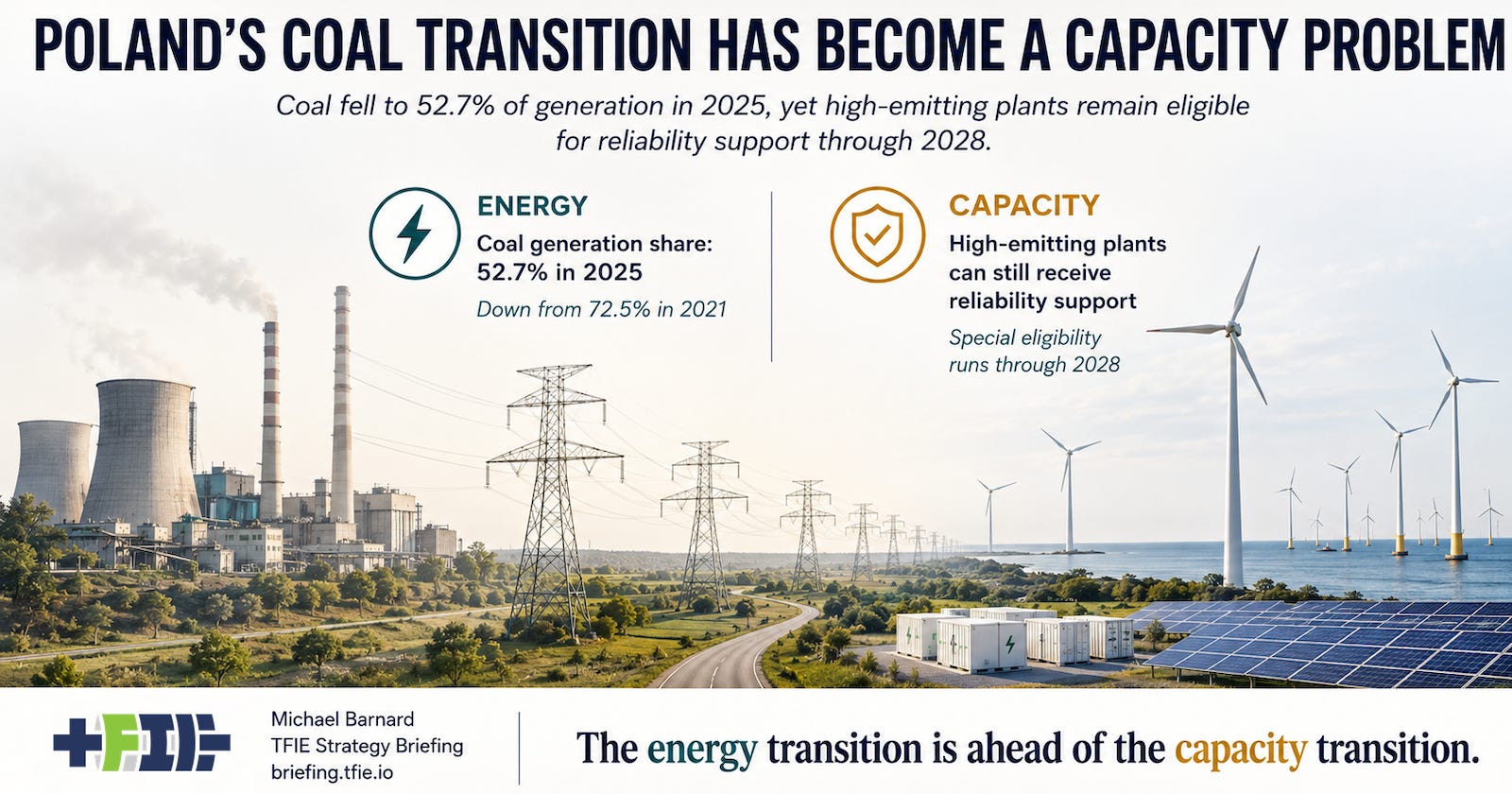
Coal fell to 52.7% of generation in 2025, yet high-emitting plants remain eligible for capacity-market support through 2028.
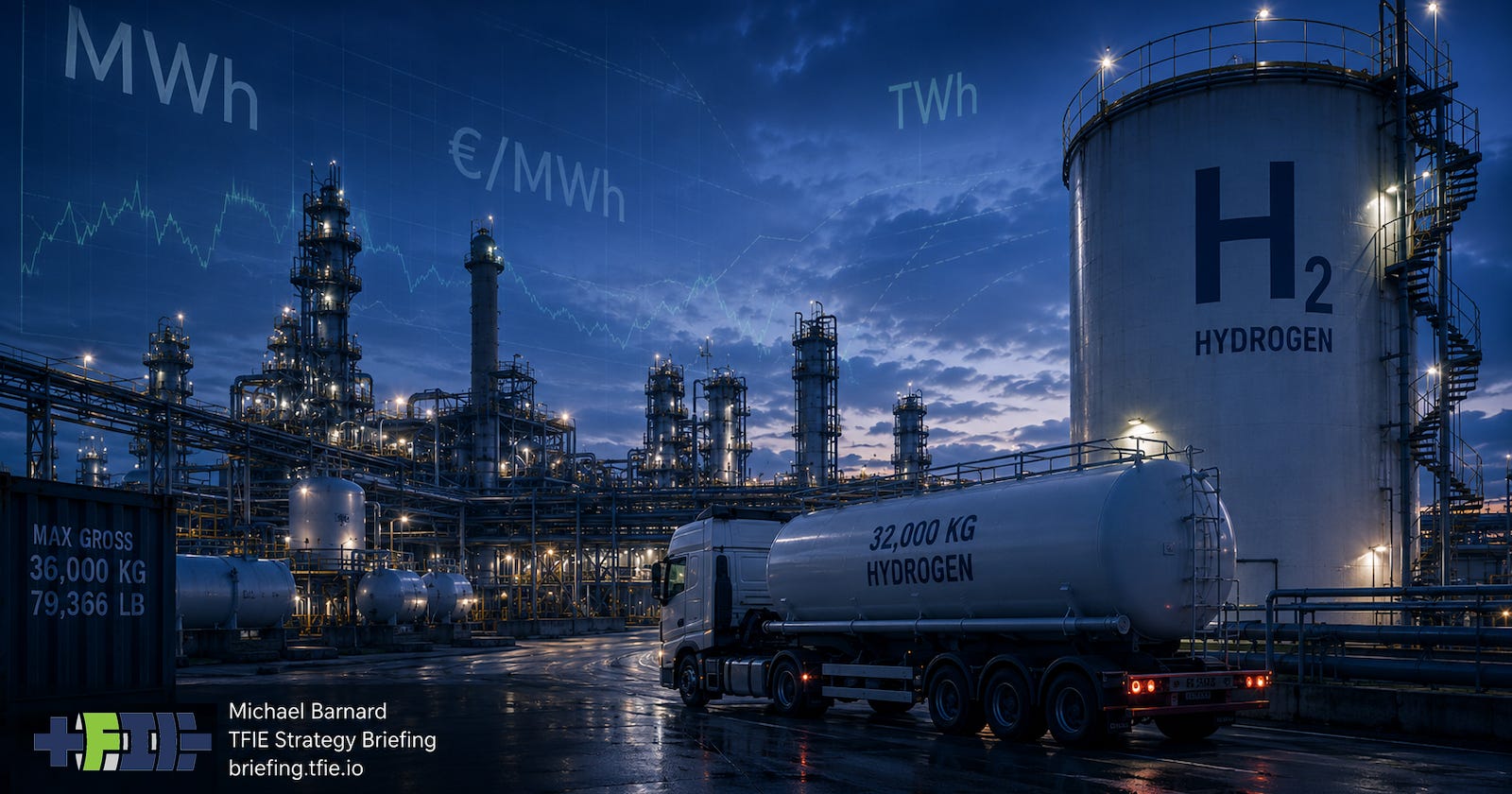
Heat, power and storage are other markets; until they create material hydrogen demand, industrial buyers set the denominator.
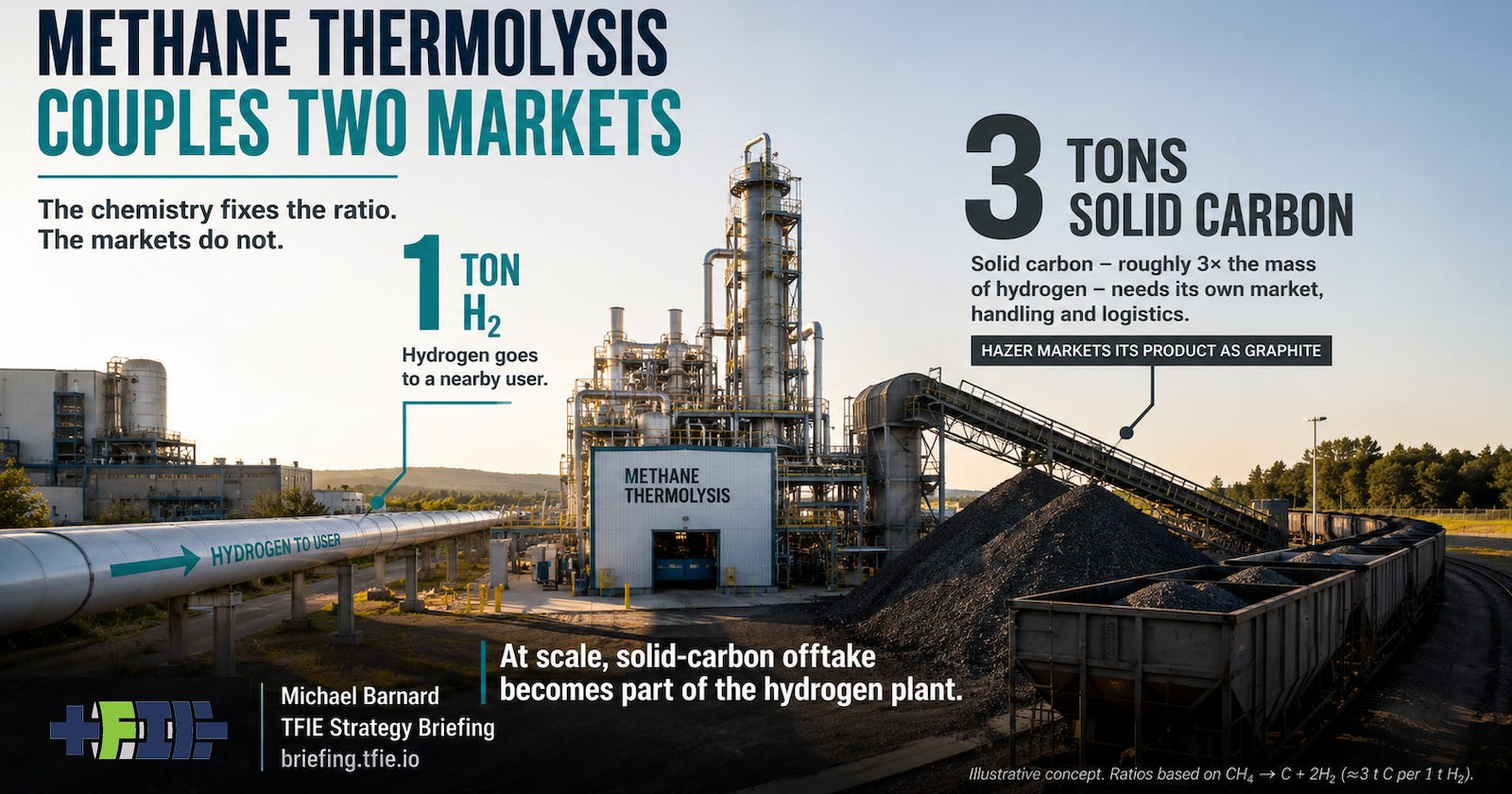
Hazer provides a useful industrial-scale example: every ton of hydrogen creates roughly three tons of solid carbon, whether nearby customers need it or not.
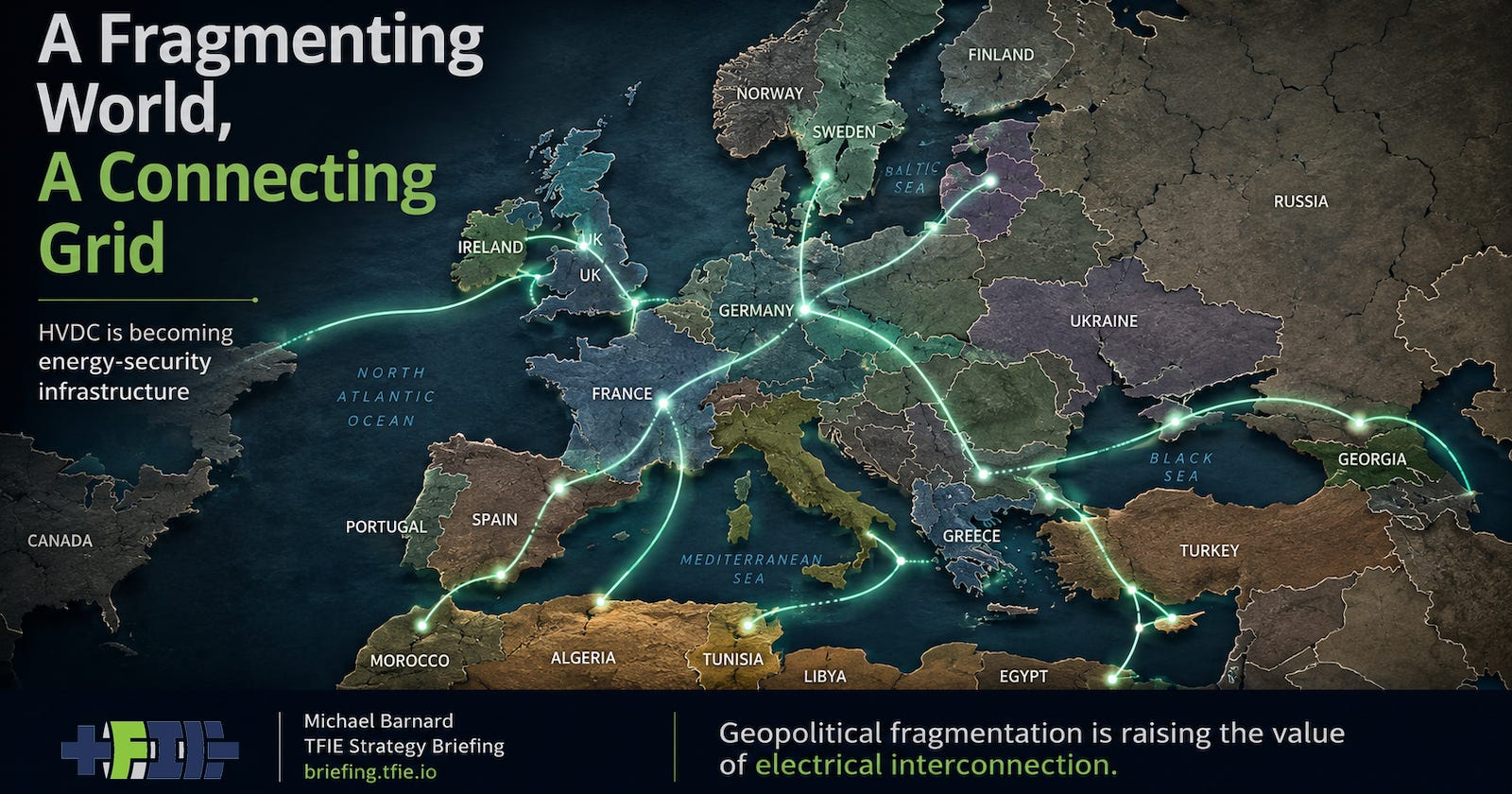
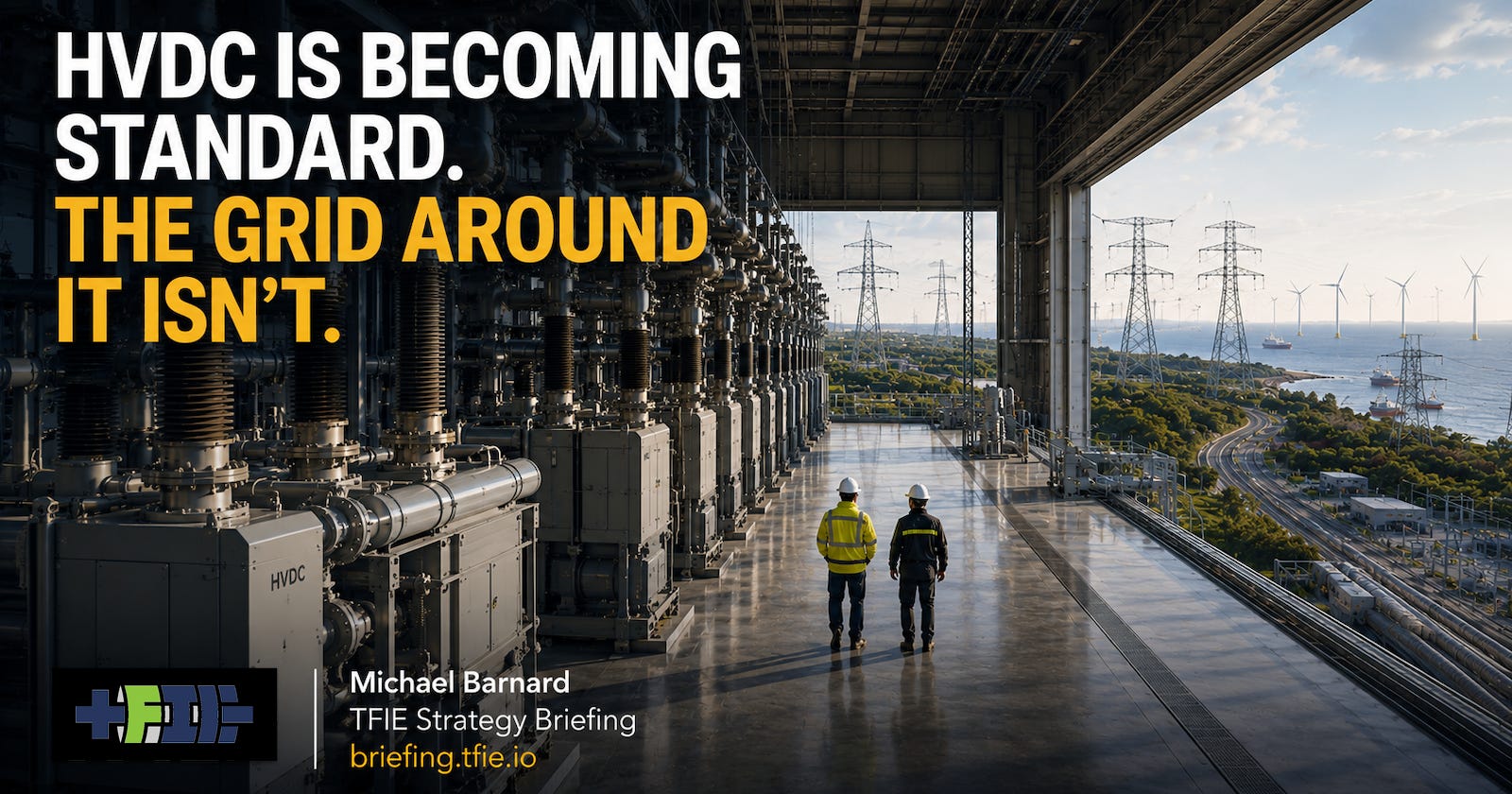
Four years after I argued for strategic energy interdependence, the HVDC pipeline shows security value joining markets, renewables and adequacy.
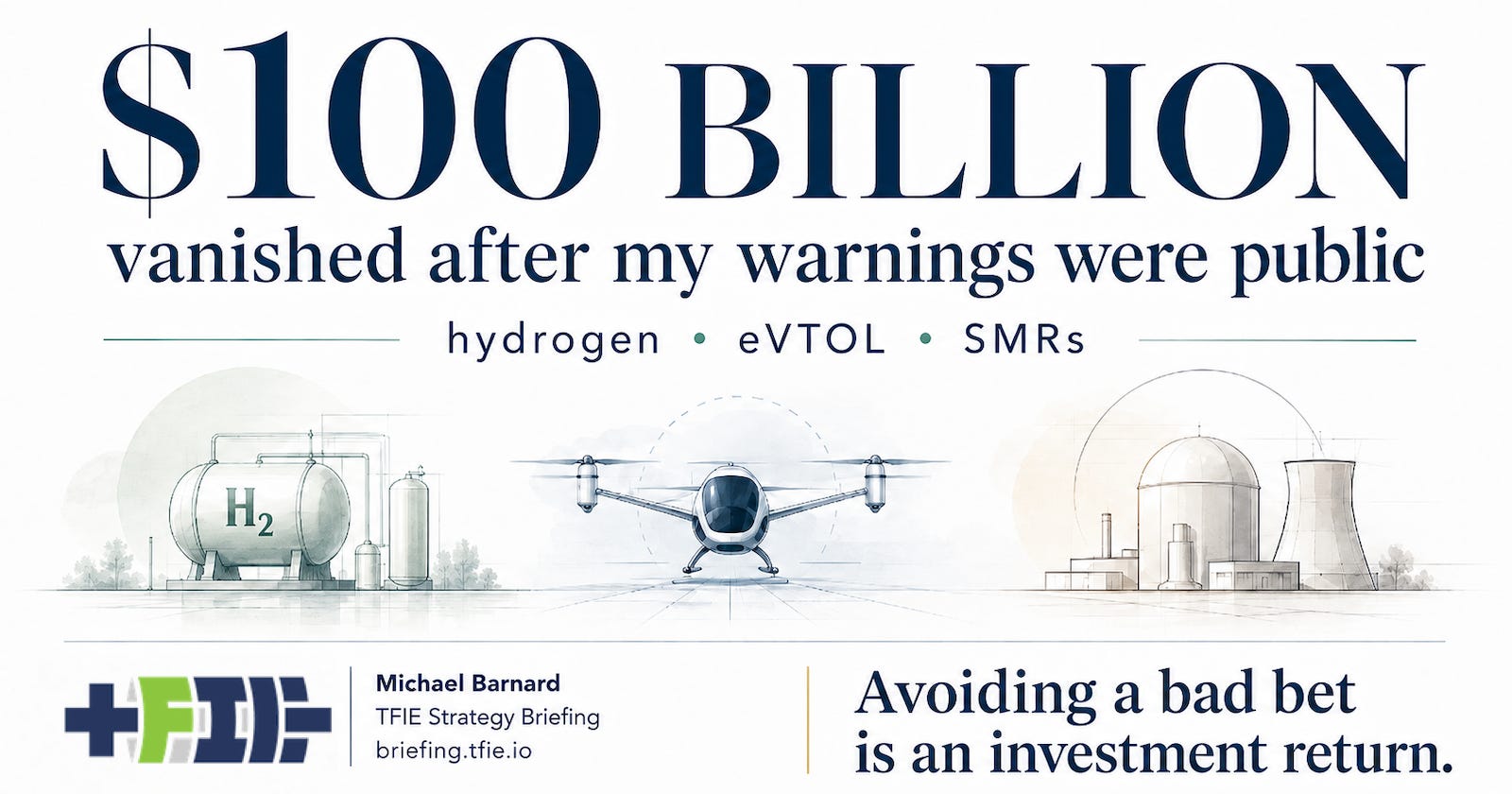
Across a conservative set of hydrogen, eVTOL and SMR stocks, about $95B of $119B in exposed value was erased. Adding X-energy takes the tally to roughly $100B.
China, India, Europe and the U.S. start with very different mixes of road, rail and water, so falling battery costs produce different freight pathways.
A 1995 Dodge Ram shows why affordable electric pickups and targeted scrappage incentives belong together
A conversation with GE Vernova CTO Cornelis Plet on 2 GW building blocks, grid-forming controls, multi-vendor interoperability, China, Europe and the engineering bottleneck.
The useful question is not whether government should intervene, but how it can set strategic direction while preserving competition, price discovery and the possibility of failure. Mark Carney’s polic
GeoPura’s floating hydrogen charger turns one demonstration into a maritime story. The scalable system emerging behind it is much less photogenic: grids, batteries, chargers and battery swaps.
Heart Aerospace still has years of engineering, certification and industrialization ahead. Its X1 flight is a reminder that aviation’s problem was never a lack of transition capital, but where too muc
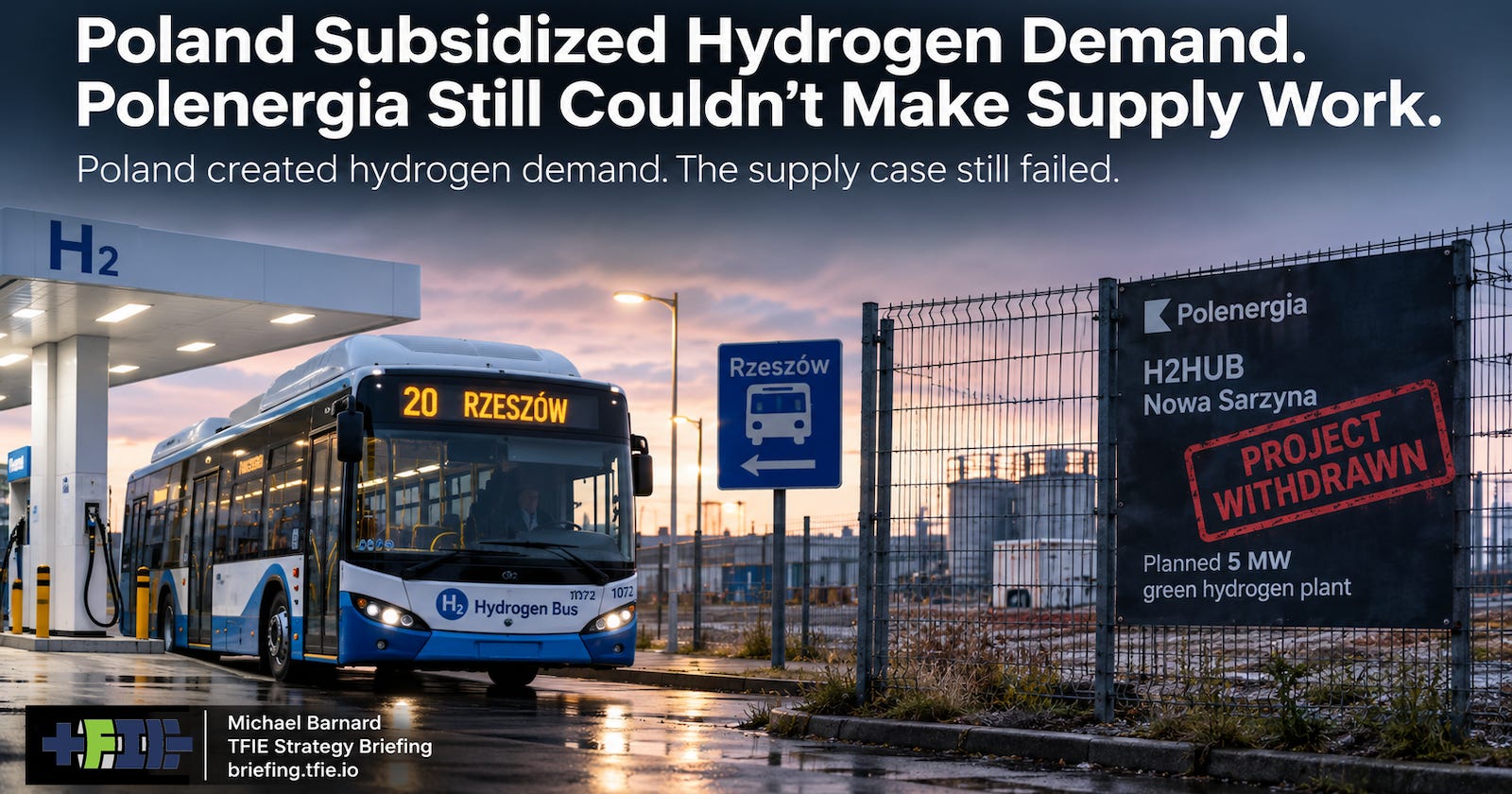
Poland created hydrogen demand. The supply case still failed.
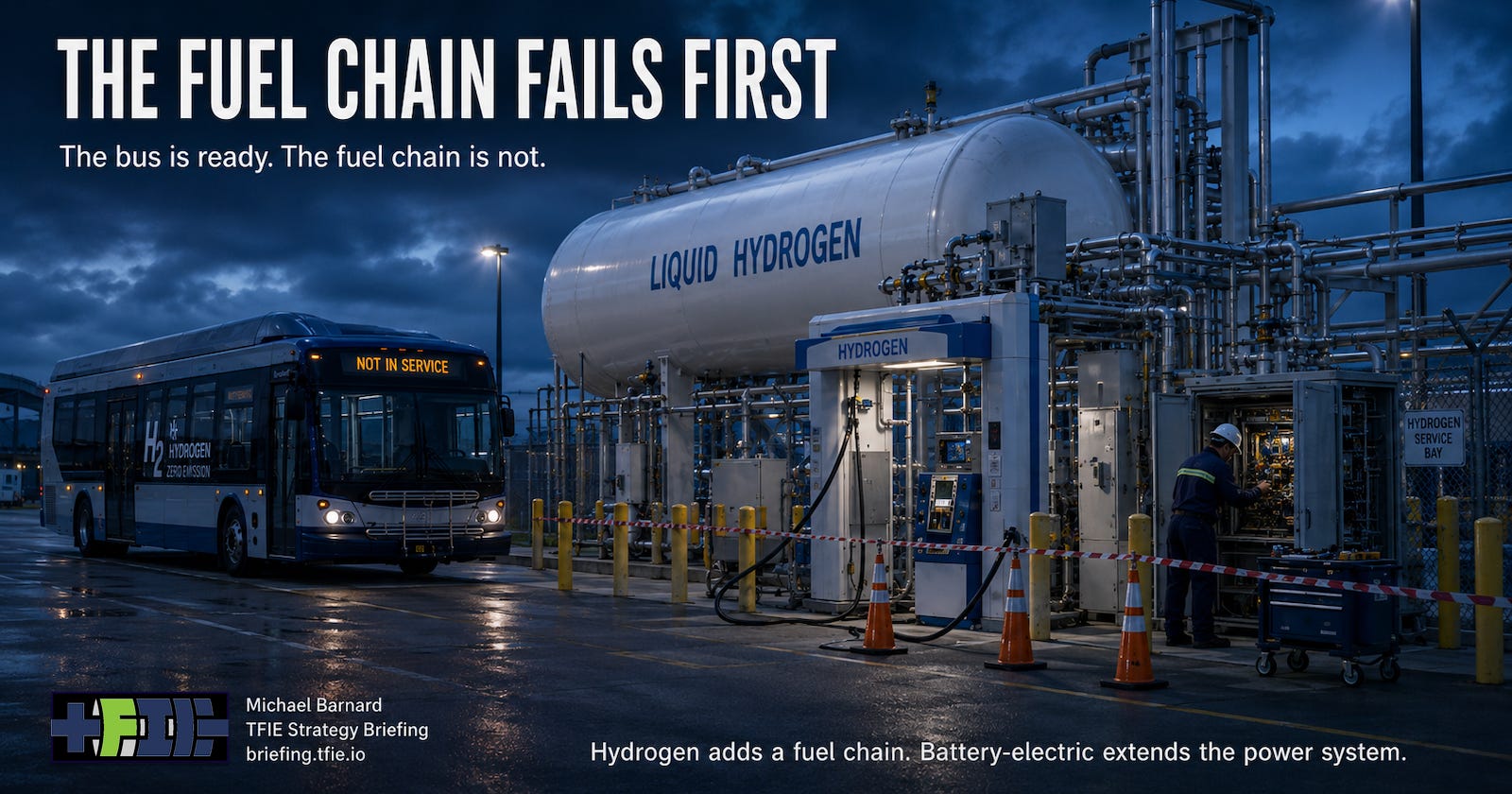
OCTA’s six-year-old hydrogen station became unusable after a supplier deal failed, exposing the recurring challenge of affordable, green fuel at the depot.
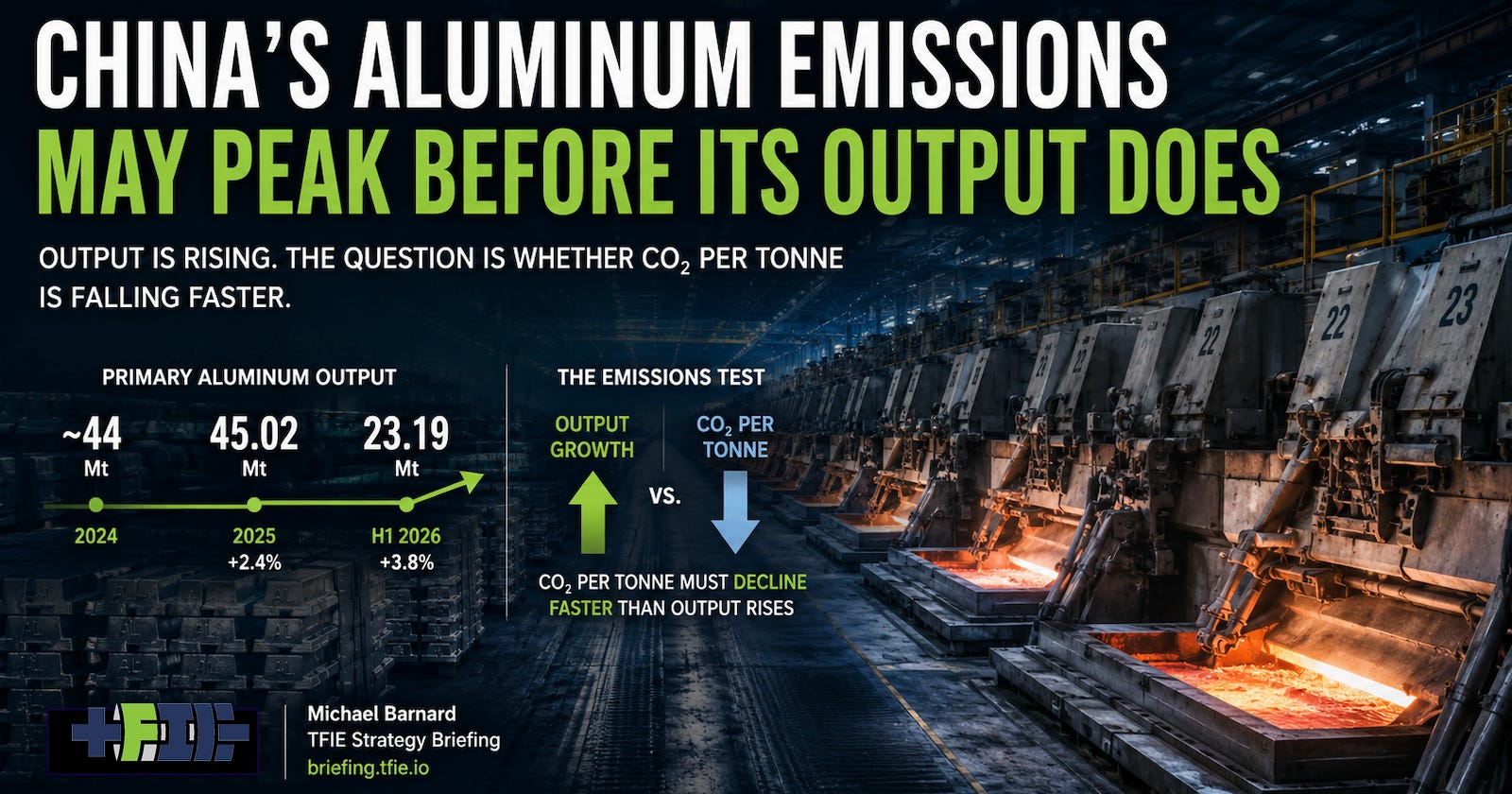
Primary aluminum output rose to 45 million tonnes in 2025 and kept growing in 2026. If sector emissions are nevertheless near their peak, the reason will be cleaner electricity, more recycling and low
Antwerp-Bruges has a “commercial” AEM electrolyzer. Conventional lenders are backing captive industrial demand, not a new merchant hydrogen market.
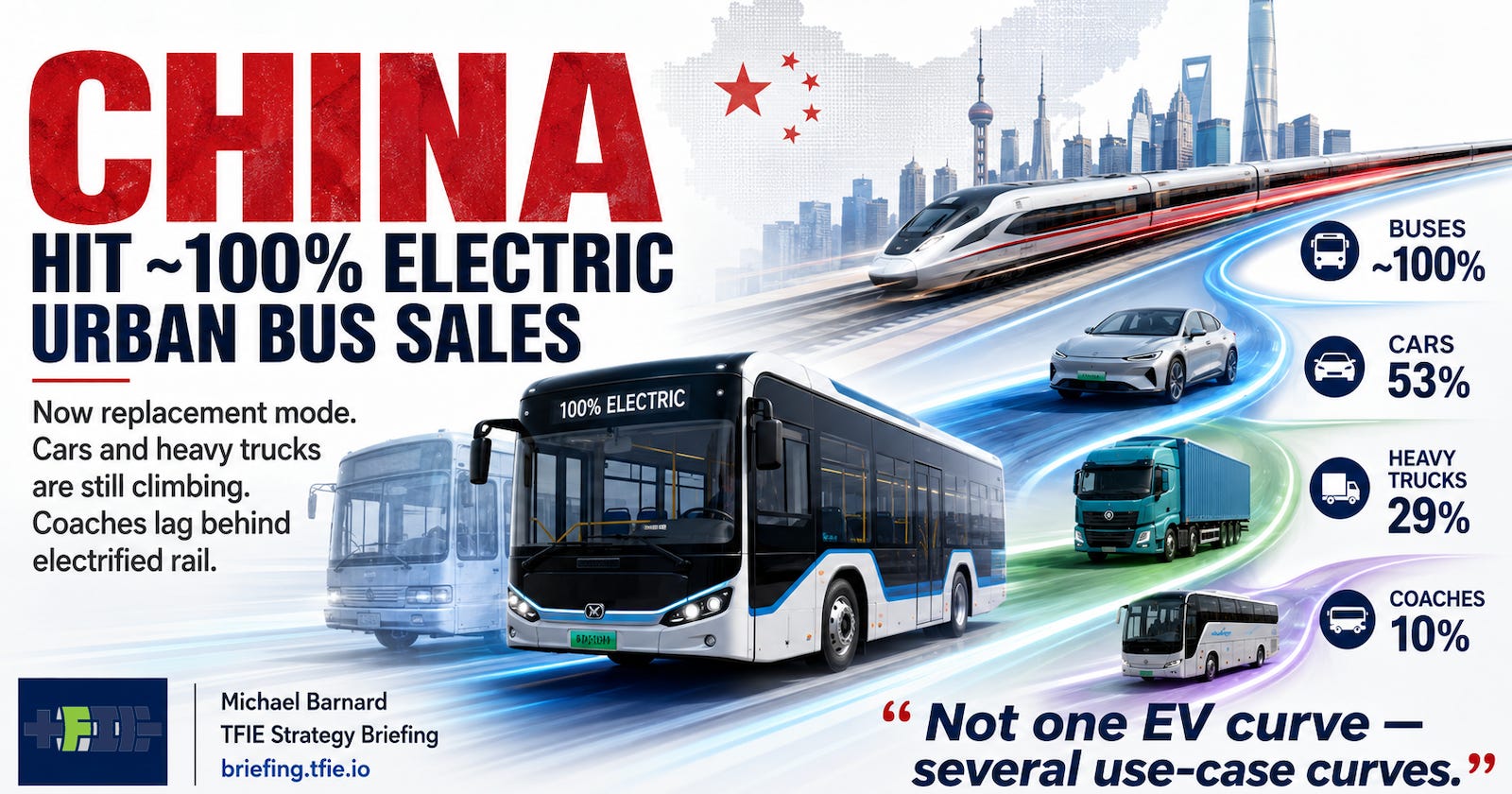
Urban buses are effectively 100% of new sales, while cars, heavy trucks and coaches show why transport electrification follows use cases, no
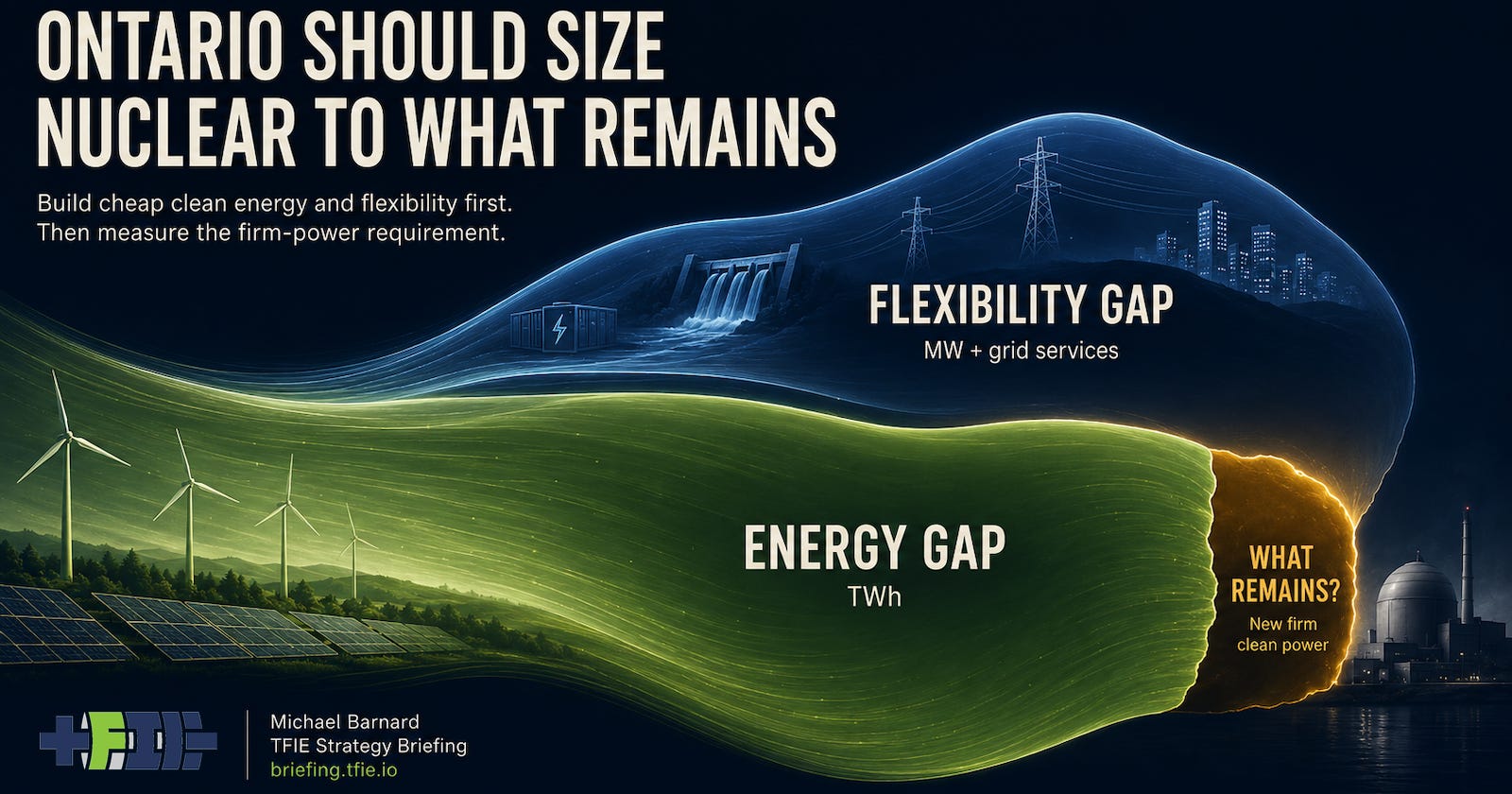
IESO sees Ontario developing an energy shortfall before a major capacity shortfall. Wind and solar can add new clean TWh quickly, while storage, hydro, transmission and flexible demand can provide mor
A Rumeltian reading of the transaction finds Boeing trying to repair an execution problem in proven markets, while Archer adds programs without resolving its original market problem.
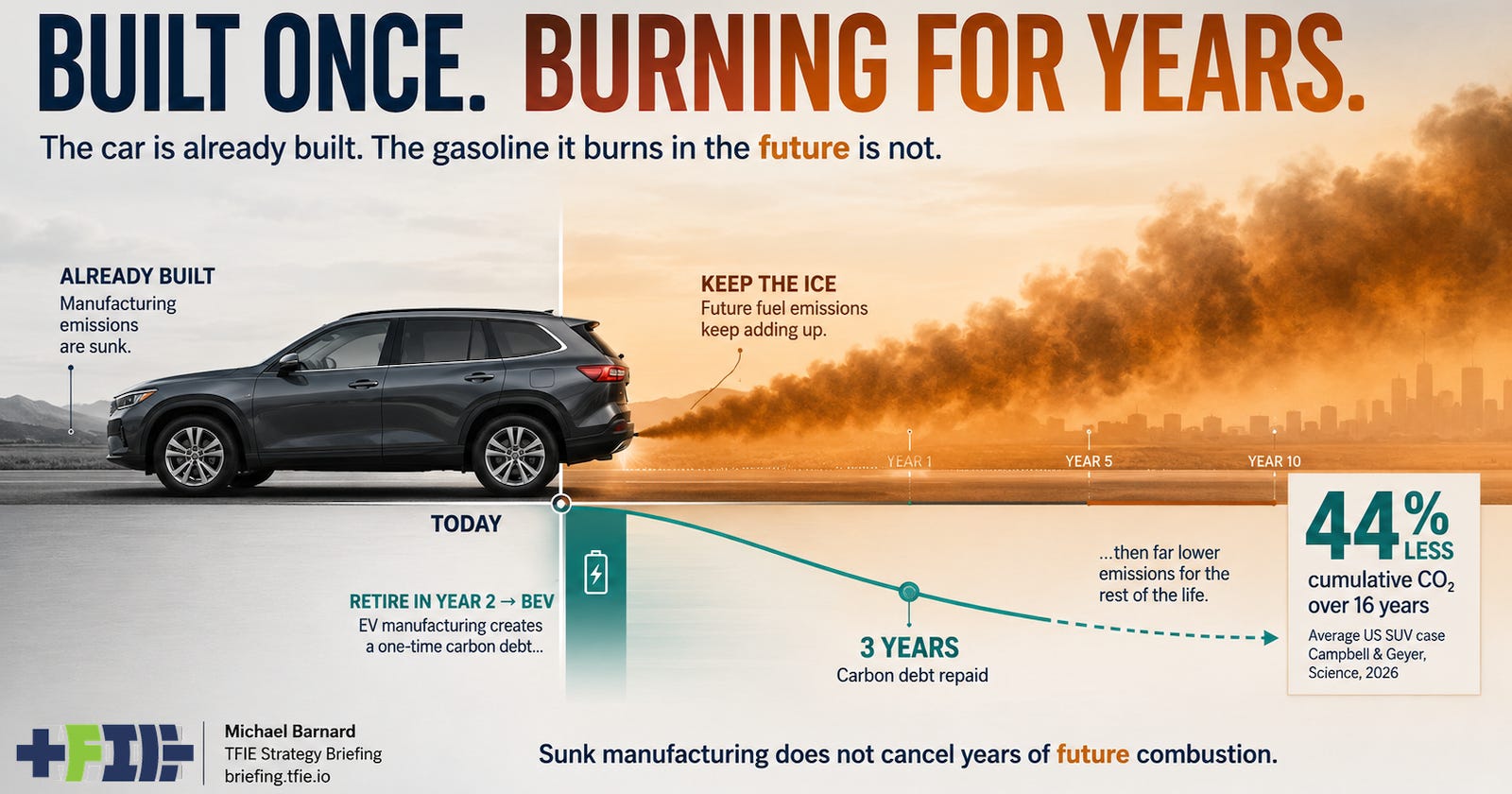
A new Science study overturns a durable EV myth. The US challenge is retiring high-emitting cars without breaking the used-car ladder.
AI has driven a real data-centre electricity surge, especially in the United States. Globally, however, all data centres still use less than 2% of electricity, and even the IEA’s 2030 central case rem
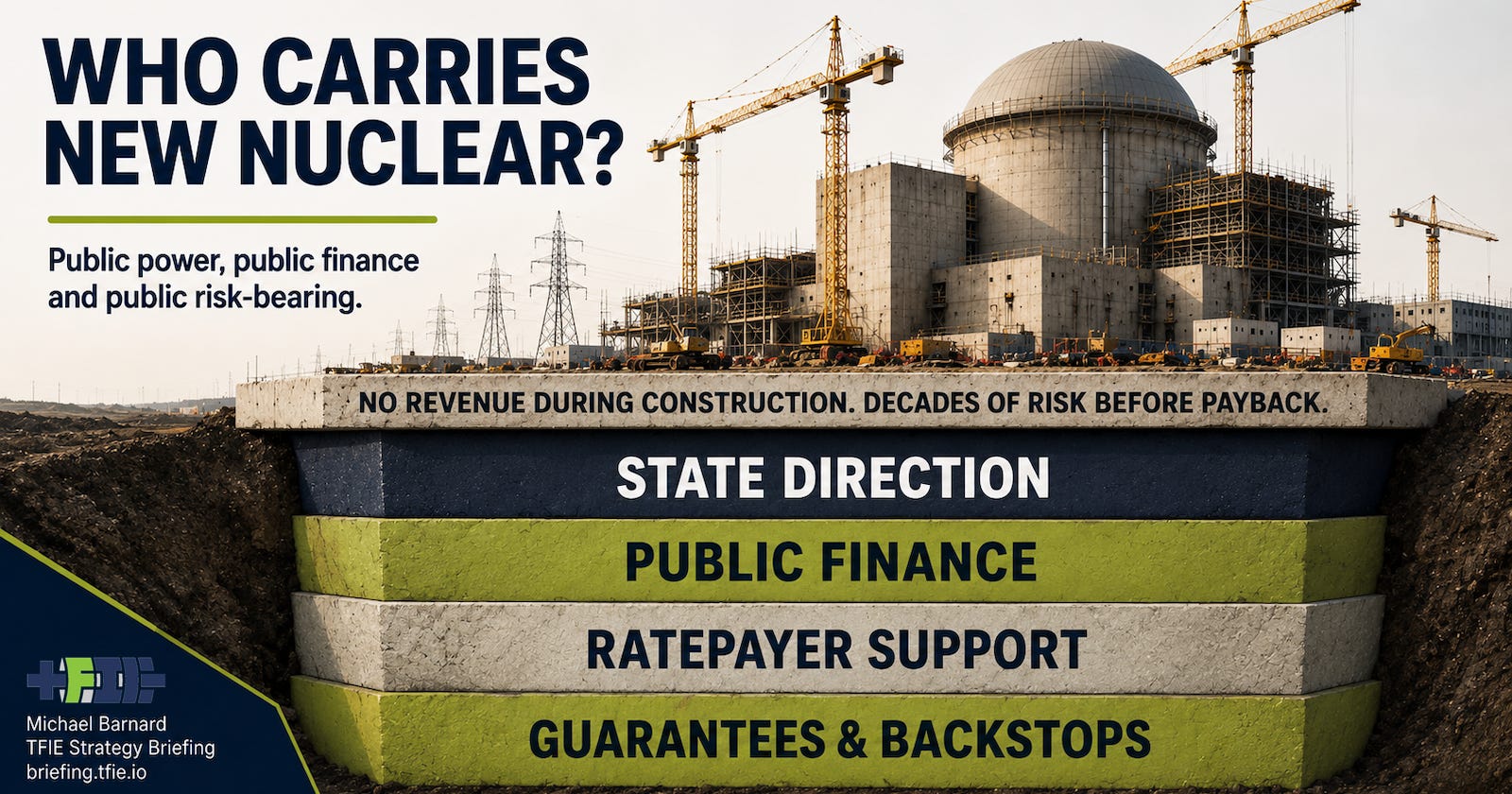
New nuclear depends on state-backed finance and disciplined standardization.
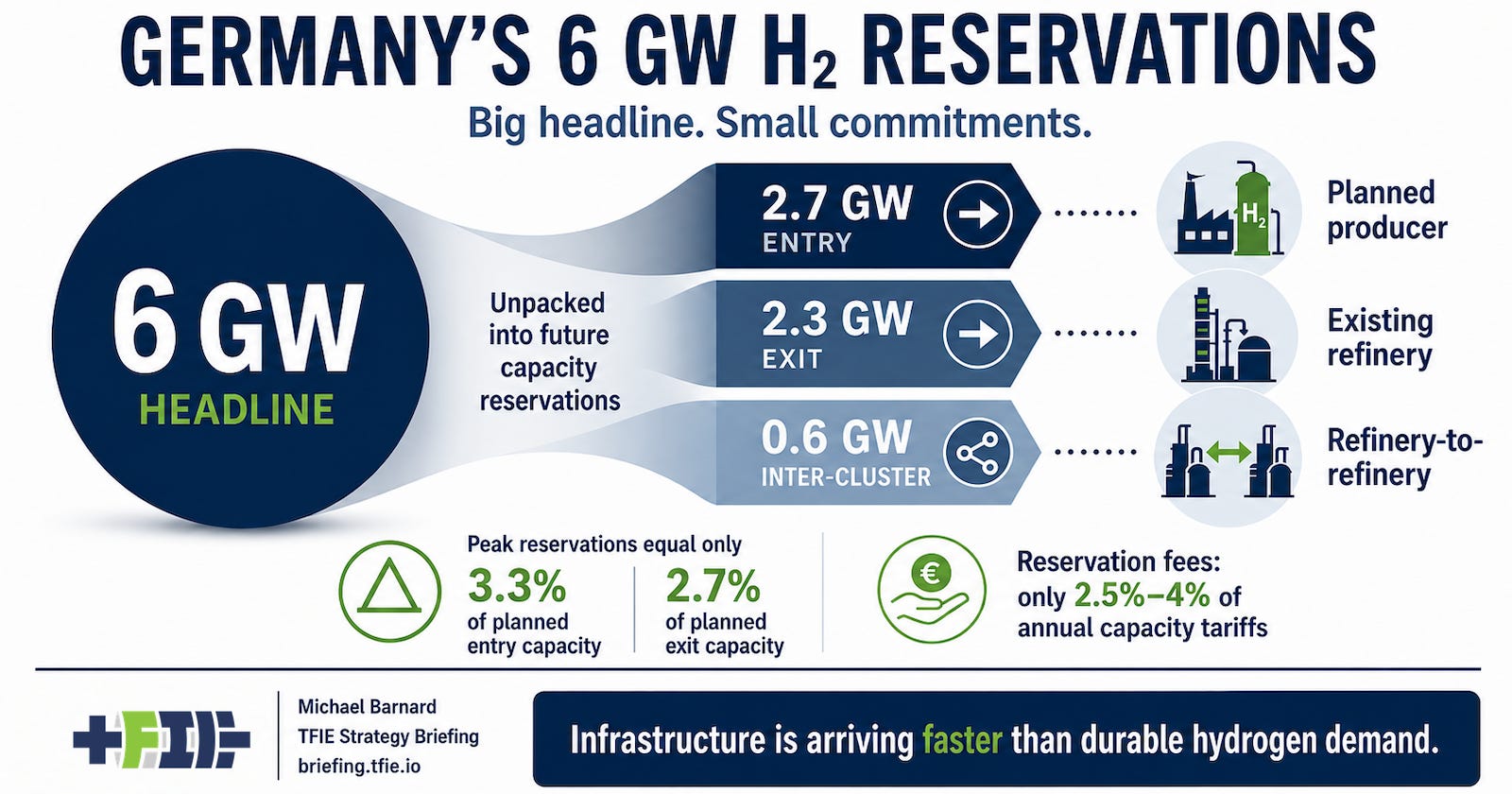
Nearly 6 GW sounds substantial until entry and exit are separated, the reservation fees are examined, and the handful of identifiable customers turn out to be mostly existing industrial hydrogen users
A structured, unweighted comparison finds that planning, markets and project pipelines are ahead of delivered portfolios, measured correction and stress-ready regional support.
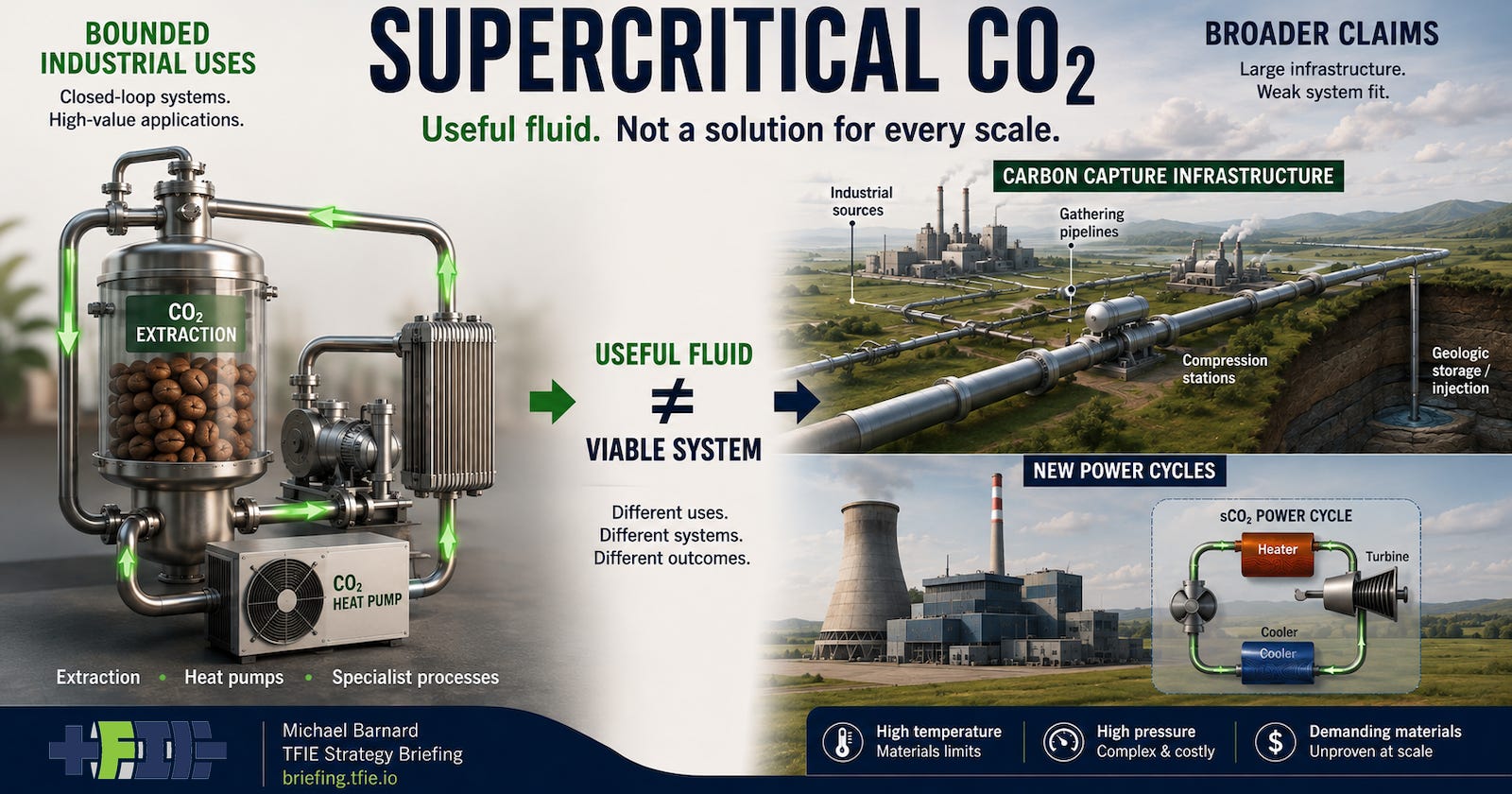
Supercritical CO₂ works well in closed industrial niches, but power-cycle and carbon-pipeline claims still run into compression energy, infrastructure scale, safety and weak market fit.
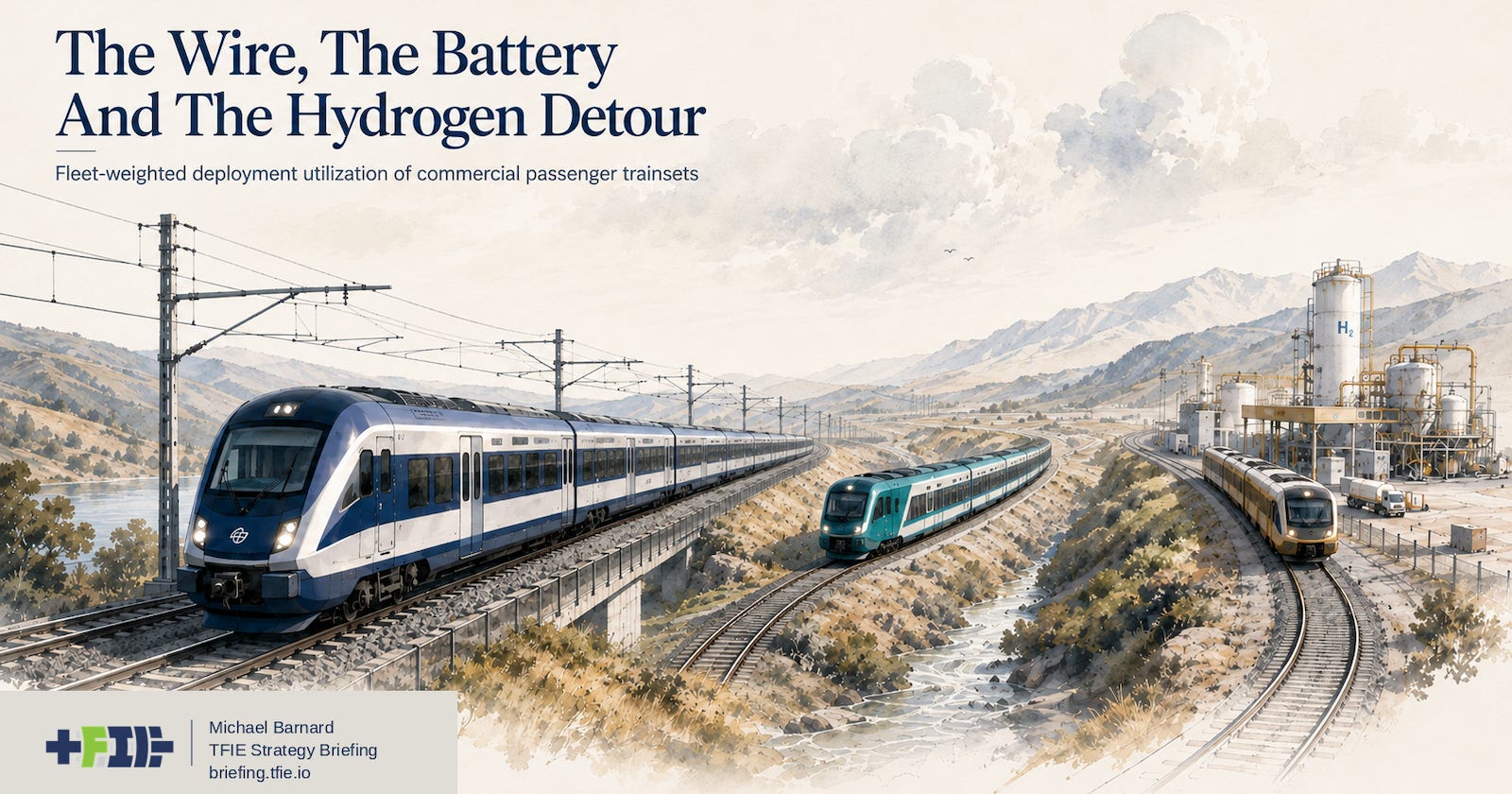
A global fleet audit finds battery-electric passenger trains are generally used more, while direct technical-availability data remain frustratingly scarce.
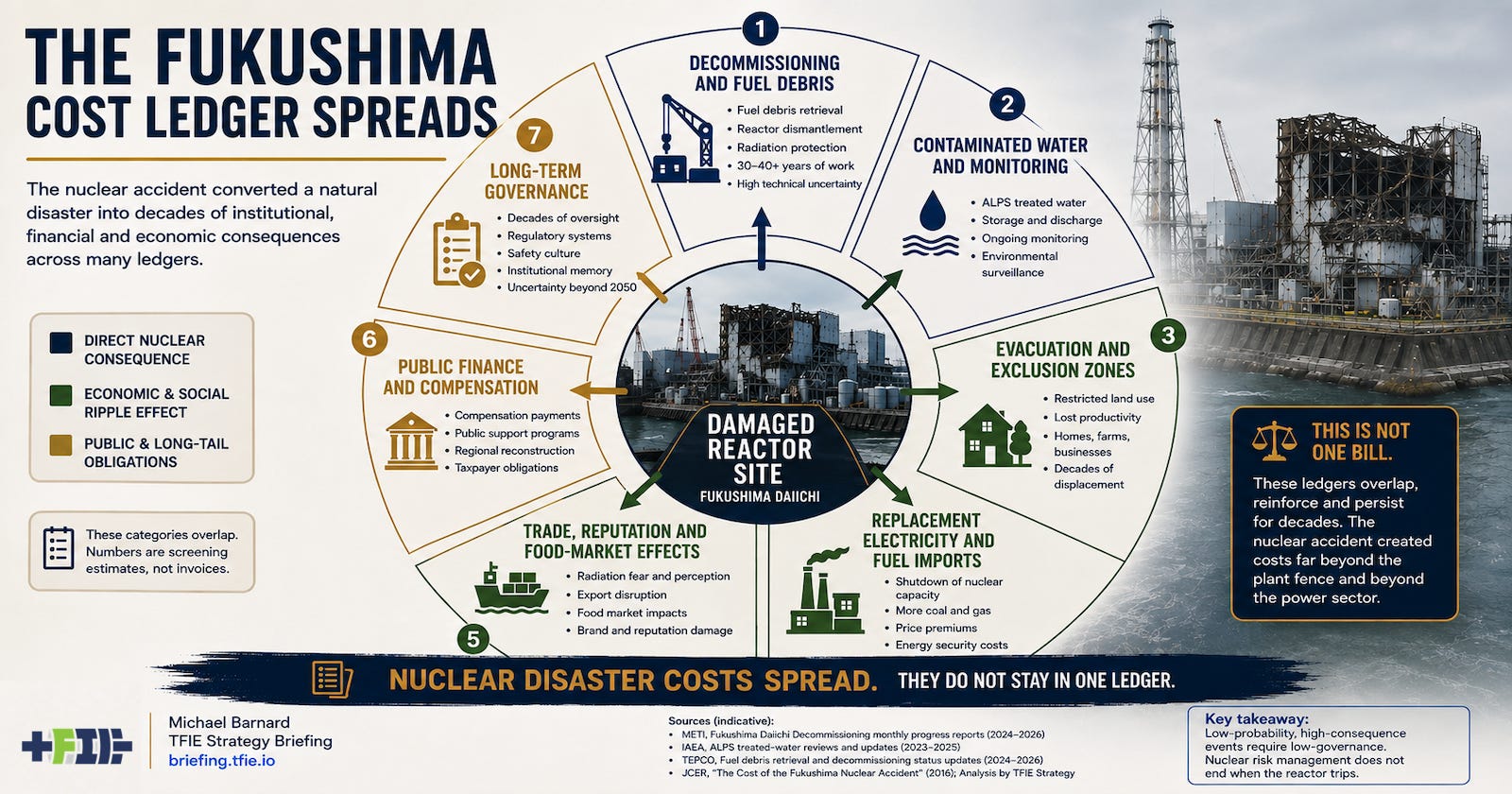
The reactor-site cleanup is only the first cost layer; evacuation, exclusion zones, replacement fuel, export impacts, public finance and decades of governance make nuclear tail risk hard to bound.
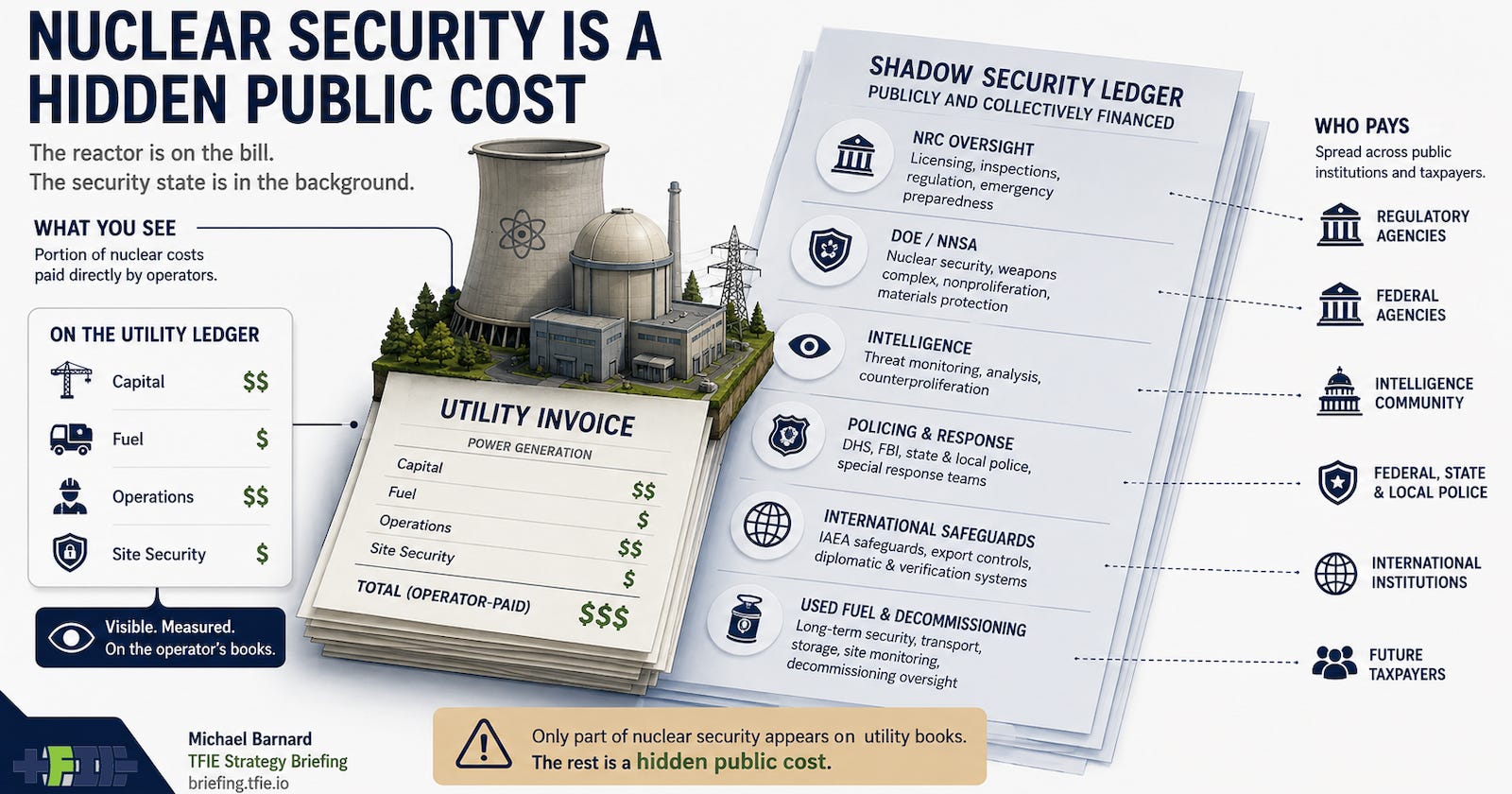
Security costs stretch across regulators, weapons-adjacent agencies, intelligence, policing, international safeguards and plant sites, but only part appears on utility books.
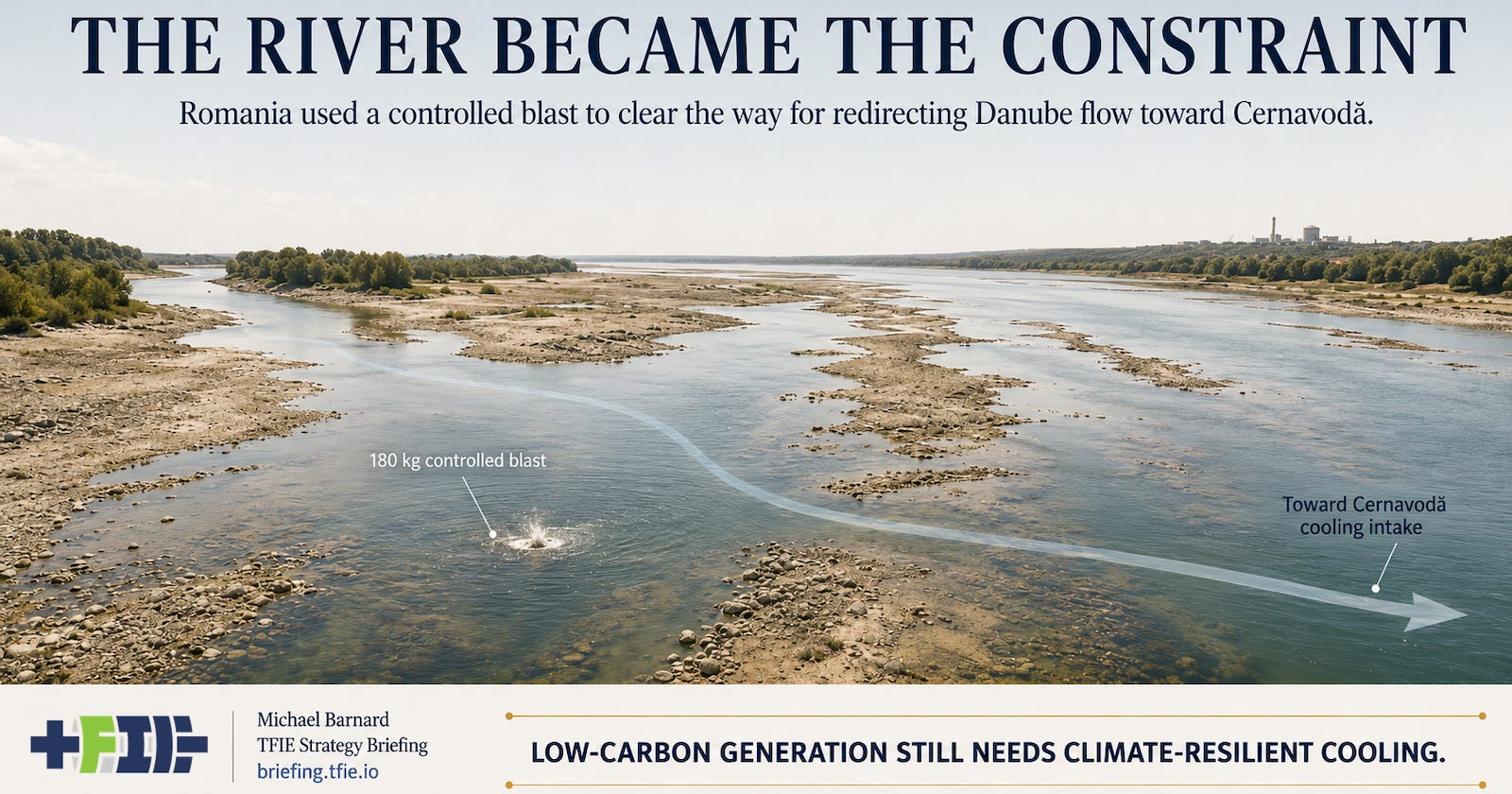
Romania used explosives to clear the way for redirecting Danube water toward Cernavodă as heat and drought cut nuclear output when cooling demand peaked.