
Hello, my friends!
I have been joking for years that creating a business around quail is how I will make my millions. If I seem like I am exaggerating, I most certainly am, but I want to share just how fantastic quail are and how they are the new and improved chickens.
Let’s set the stage.
You often find yourself daydreaming of residing in the country with the perfect little red barn, the adorable chicken coop, and the cows on pasture. You imagine yourself kneading sourdough in the mornings and sipping freshly harvested lemon balm tea on the wrap-around porch…

But the truth is that you are nowhere near that dream, and you don’t live in the country; you don’t have a lot of land, and you live within city limits where there are more rules than seem reasonable.
Well, fret no more!
On your tiny city lot, you are more than likely able to get chickens. However, most cities only allow up to 4 hens and no roosters. They also aren’t keen on meat birds because the butchering process has to happen outdoors, and the neighbors probably aren’t interested in seeing how their food really gets from farm to table.
So what is to be done about this conundrum? How do you start to homestead small if it seems nobody will allow you to?
Quail.
I have been yelling this bird from the rooftops since I was 15. In my junior year of high school, I even wrote a 70-ish-page business plan for a college class. It was titled Quality Quail, in which I detailed exactly how my business was going to work and operate.
Today I will share some numbers and information about quail that will hopefully enlighten you to exactly how doable and versatile this little bird truly is.
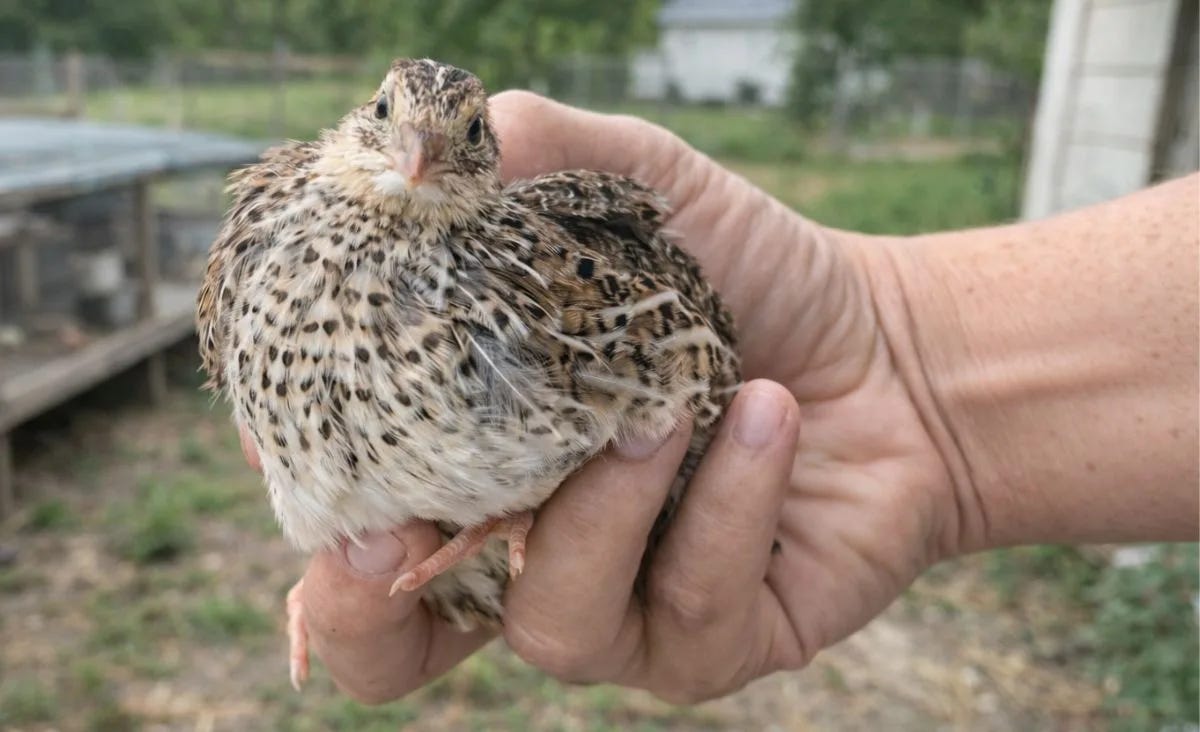
First, we all speak in chickens. So, I will share a ratio that will help you create an image in your mind about how big these birds are.
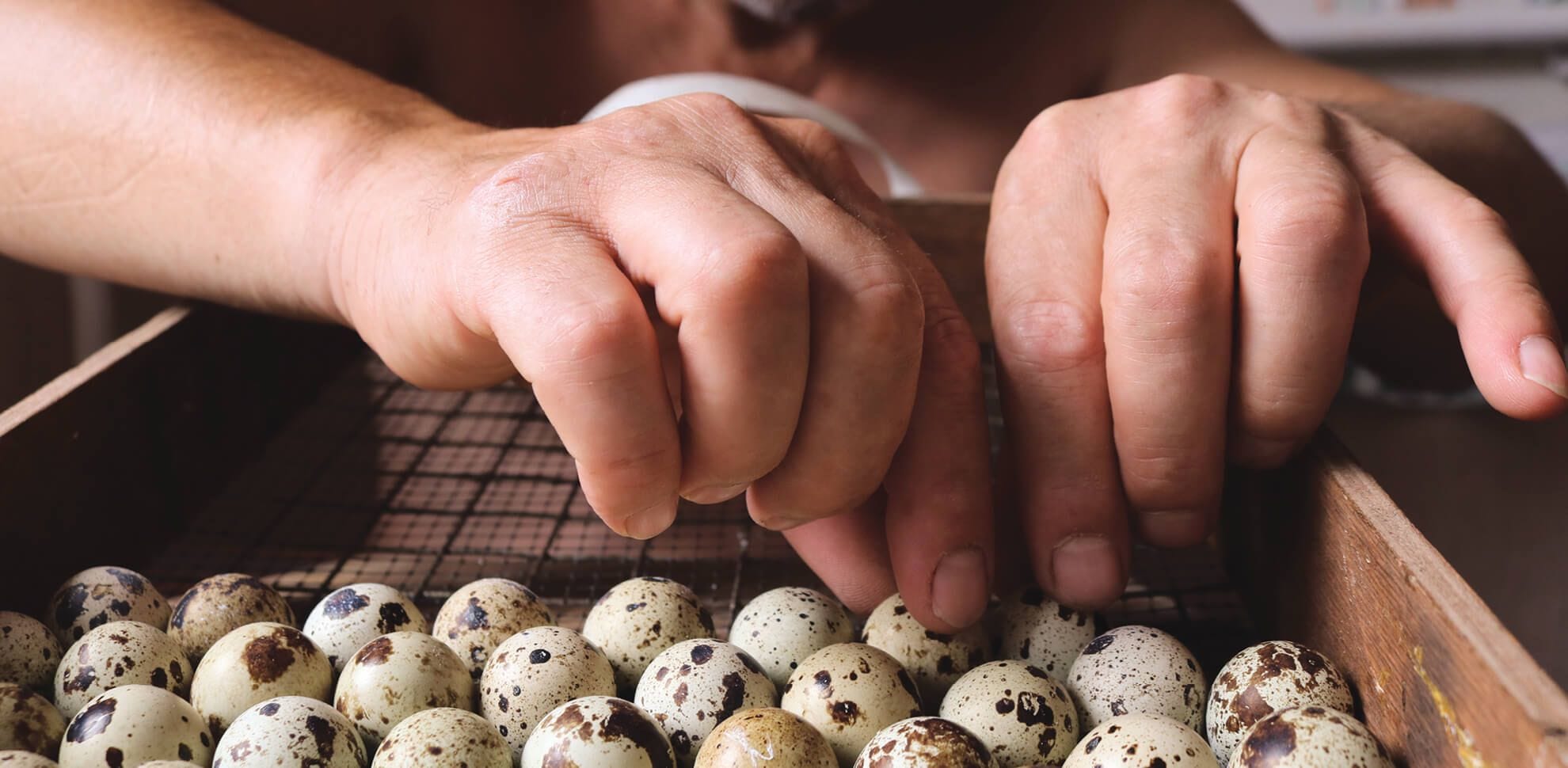
5 quail = 1 chicken
That’s about the same for meat or eggs.
It takes 5 quail carcasses to equal about as much meat as one chicken, and 5 quail eggs to get 1 chicken egg.
Jumbo Coturnix quail are larger than regular quail, and they usually have a 3 quail to 1 chicken ratio, but for today’s purposes we’ll stick to 5:1.
Now that we have that settled, let’s get into the good stuff.
The number one reason that I am obsessed with this bird is that there is hardly any regulation for them. That means you can raise as many as you have cage space for!
But Briar, won’t my neighbors complain when they make noise?
Quail actually sound a lot like a typical bird, and your neighbors may not even realize you have them!
What about the smell?
Quail often have to be kept in a vertical cage set up with metal trays to catch all the feces. As long as you clean the trays every other day, you shouldn’t have many issues.
I live in an apartment, so I probably can’t get quail.
So technically you can keep quail entirely indoors. Check your apartment’s pet policy to see if it specifically states that only dogs/cats are allowed. There could be a monthly pet fee for dogs/cats, but other small pets often aren’t listed under that. Quail are also not considered livestock(similar to rabbits), so no need to worry about that being an issue either. These are your pets! Pets you occasionally eat, but pets nonetheless 😏
I really want to raise my own meat, but I have never butchered anything before, and I don’t have any equipment for that.
You can butcher and eviscerate quail right in your kitchen, and all you need is a sturdy pair of scissors. These are also one of the easiest animals to process, and they only take a couple minutes per bird. Here is a great video by Living Traditions Homestead that shows the whole process(minus the killing) if you’re interested in learning more.
Wow, these birds sound amazing, but it probably takes them a while to reach butcher size, and they probably don’t lay as many eggs as a chicken does.
Quail are actually one of the most efficient types of poultry you can grow! They are 3 days faster than a Cornish Cross because they have an 18-day egg incubation and 6 weeks until they are full grown. The Cornish Cross takes 21-days to hatch and then 6 weeks to grow out.
This means you can have staggered hatches so that you are hatching a new batch every month, and butchering a batch every month. That’s meat all year round!
As for eggs, quail lay about 300 per year once they reach maturity, and they can be productive for 2 years.
If you have 8 female breeding stock, that’s 2,400 eggs per year. If you are hatching about 25 new quail per month, that’s only hatching 1/8 of the eggs you’ll be producing.
That’s about 44 extra eggs per week for cooking or selling.
You can adjust the number of quail you want to raise based on your family’s needs, but for me, having 6 quail and 44 quail eggs to eat per week is going to be plenty for me.
It takes about 2 quail to make one meal, so this math assumes I will be eating quail meat for 3 meals a week.
That’s great and all, but how much is that meat really going to cost me?
I’m so glad you asked! This is my specialty.
I am going to figure out these numbers based on what products I would purchase and methods I would use.
Not gonna lie, I needed to do this math for myself and decided to create a blog post while I was at it🤪. Sorry if it gets a little technical; I try my best to keep it engaging for you :)
The cage
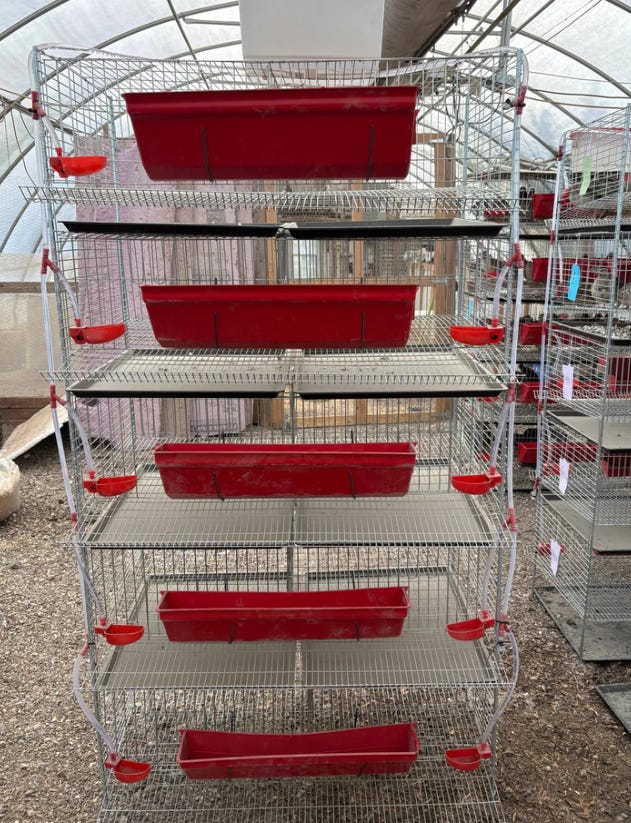
This is one of the most expensive and most important parts of owning quail. Quail require very specific cage height measurements. They can either be 1 ft tall, or 6 ft tall. No in between.
You may be wondering: Why on earth is that?
To which I would respond: So they don’t break their necks and die.
Quail can be very flighty little things, and when they get scared, they pop upwards. If their cage is in between that 1-6 ft they will hit the ceiling with so much force their neck will break.
You can try to scavenge Marketplace for a used quail cage, but they can be hard to find second-hand.
I found a verified small quail farm business that sells not only quail breeding stock but also quail equipment. They have a 3-tier system selling for $240, which is one of the most reasonable options you’ll come across.
It already comes with feeder and waterer attachments, but I will talk more about my preferred feeder recommendation in a minute.
Egg Incubator
If you’re planning on raising quail for meat, you’ll want a quality incubator.
There are hundreds of options to choose from, but for me, it is important that it has an automatic turner and regulates its own humidity.
You can always get cheaper ones that require you to manually do all of that, but any error on your part could cause fewer eggs to hatch.
From all of my research, the most popular and recommended incubator is the Nurture Right 360. It is $137, and you can purchase the quail egg tray for an extra $15.
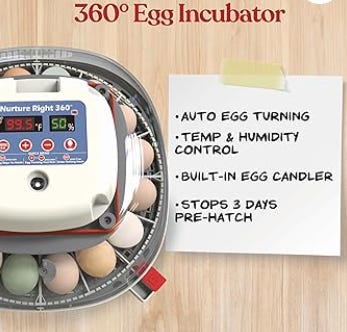
Even though it says it is for 12-22 eggs, it is referring to chicken eggs, and it is large enough to hatch up to 50 quail eggs at a time.
The Brooder
If you’re going to be hatching teeny tiny quail chicks, you best believe you’ll need somewhere to put them.
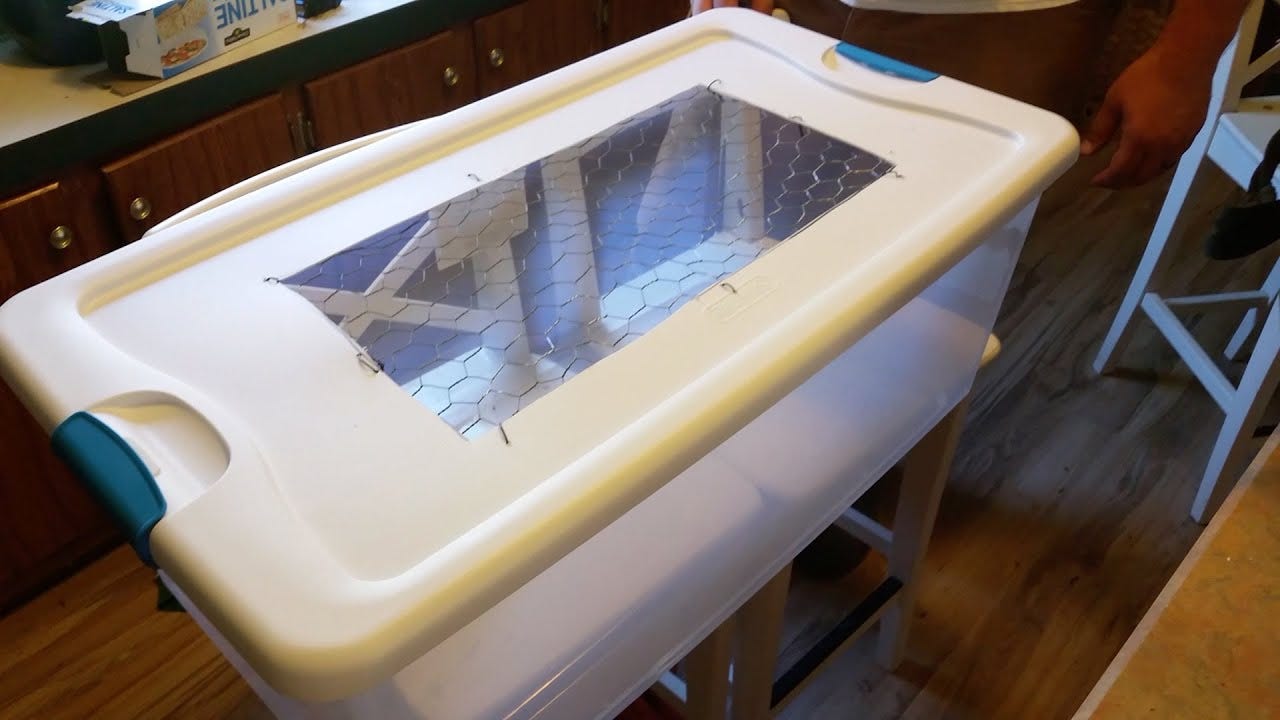
If you’re going to be doing about 20-25 chicks in the brooder at a time, a large plastic tote should work well. A lot of people cut the top off the lid and attach wire mesh to create a ventilated lid. Very inexpensive. Very effective.
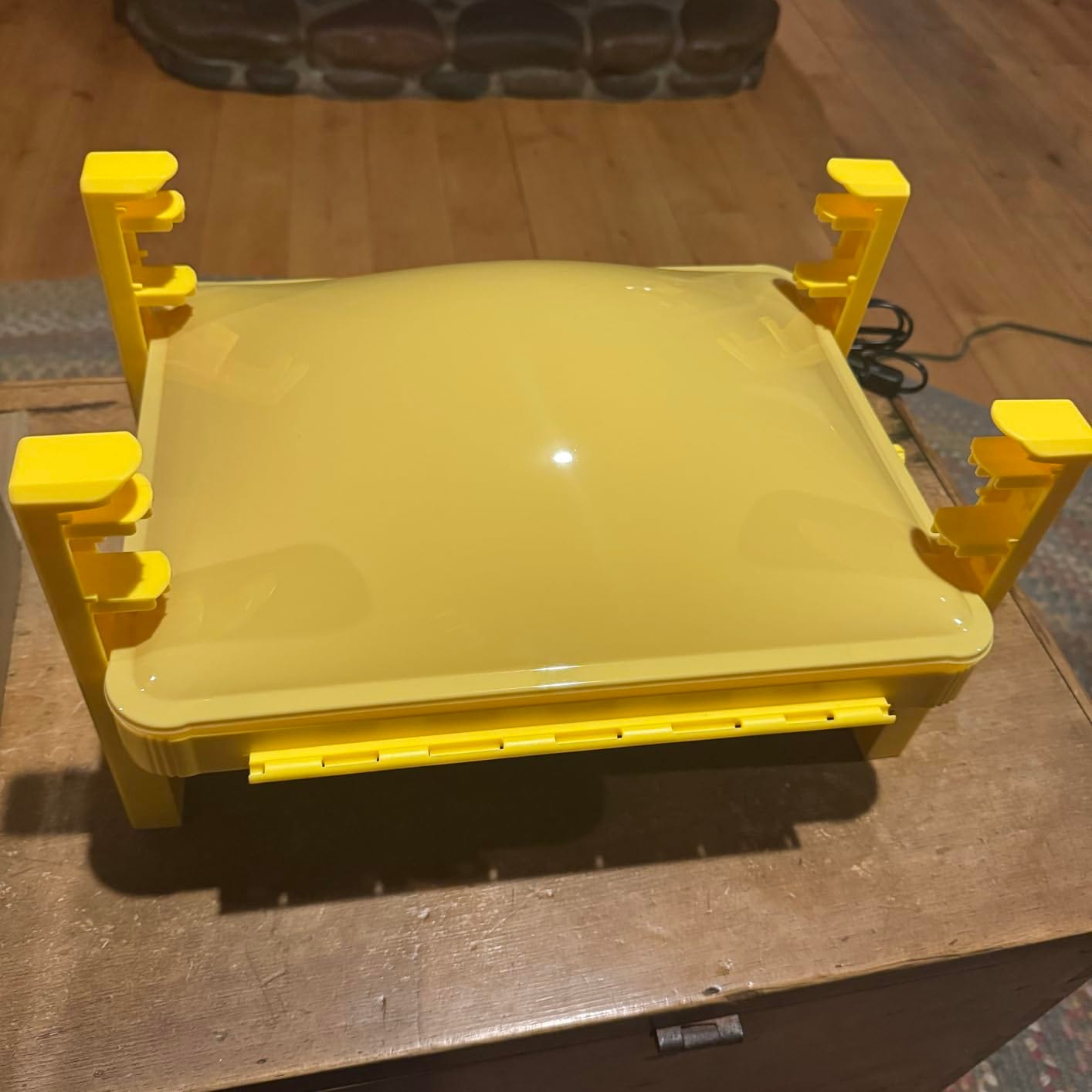
You will also need a small chick waterer, a chick feeder, and a heat plate.
The one that I linked is only $20, and it has several good reviews by people who have specifically used it with quail.
Feed
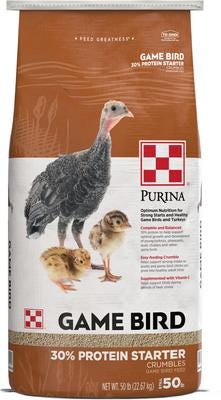
You will need to purchase two different types of feed. Your chicks that are 6 weeks old and younger will need a starter feed. The regular feed is for your breeding stock.
Quail have slightly different nutritional requirements from chickens and therefore need game-bird feed. Most of the time, you can find it for $20 per 50-lb bag.
In their first 6 weeks, a single Coturnix quail will consume about 2 lbs of dry feed. However, if you decide to ferment your feed that goes down to 1.5lb per bird. It is a great way to save some money!
I’ll have a separate post all about this technique coming soon(make sure you’re subscribed if this is interesting to you!).
If you’re hatching 25 birds per month, it will take about 6 weeks to use 1 bag of feed for those 25 birds.
To keep it simple, we’ll say a $20 bag feeds one batch of meat birds. If your goal is to do 12 harvests per year, that is $240.
Now, for your breeding stock, we’ll think in terms of one year, because that is how long you will realistically keep them before replacing.
A quail eats 25 lbs of dry feed per year. That is about 18 lbs if you are fermenting. If we are going along with the numbers that you have 8 hens and 2 roosters that equals 180lbs of feed per year for your breeding stock, or around 4 bags of feed. $80.
Overall, it will cost about $320($27/month) to feed your birds per year if you don’t factor in potential feed like treats, table scraps, and other supplements.
Quail Feeder
We need to talk about feeders for a minute.
Quail are notoriously one of the messiest birds that exist when it comes to eating. If you thought ducks were bad… quail are worse.
While eating, quail instinctually shake their heads, which will cause food to go everywhere. This wastes good feed and creates a mess.
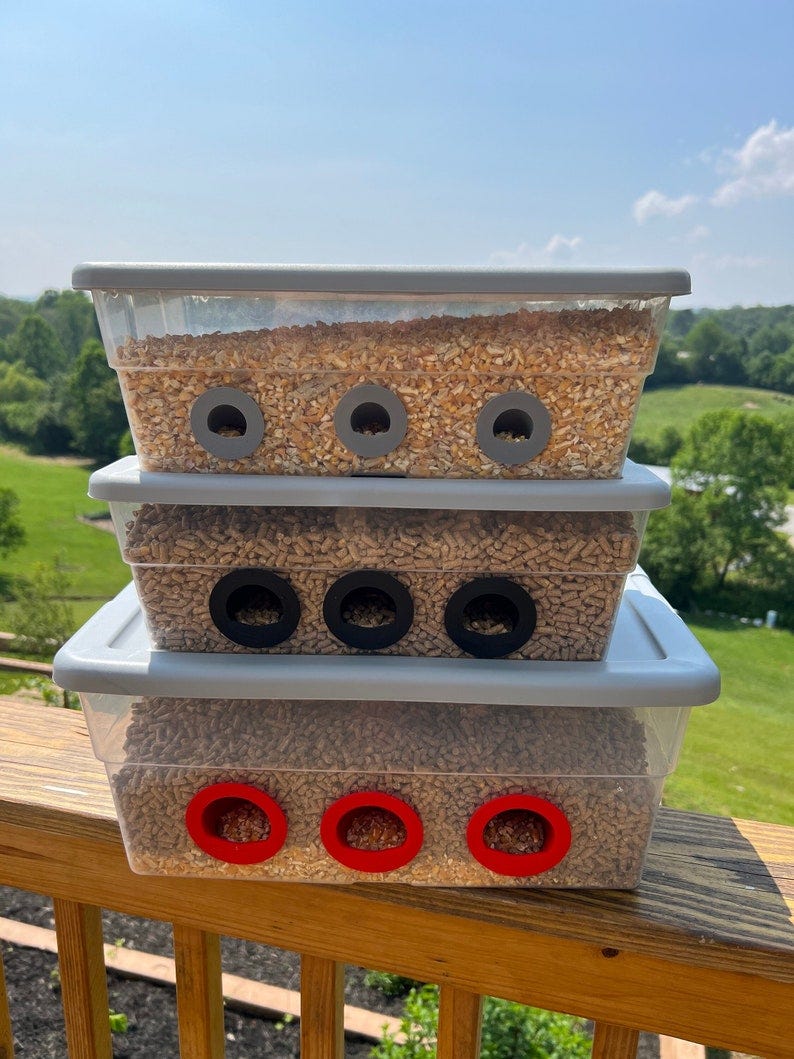
One of the best ways to combat this issue is to make a mess-free feeder! I saw this idea once and was hooked. You can build larger versions for chickens too!
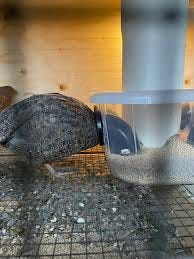
The quail stick their heads inside a port. This causes them to not do the whole dramatic head shaking and keeps all the food contained.
It is a fabulous idea. You can build your own using a plastic container and PVC pipe or you can purchase an already made one.
I found an Etsy shop that 3D prints these little ports, and they are selling them for less than $2 each! You have to install them on a container yourself, but it may be something you’re interested in.
If I were making these, I would probably buy the 16-count set of premade ports, which equals $20.
Quail Egg Scissors
As we mentioned before, if you are doing meat birds you’ll need a designated sturdy pair of scissors, but you also need a special pair of scissors to open up your quail eggs. They cost about $9 each.
I made a short video about this on my YouTube channel!
Bedding
You will need bedding to put in the bottom of your brooder setup, and something absorbent to put on the metal pull-out trays.
I personally would use pine shavings. Where I work, I can get a 3-cubic-foot bag of pine shavings for $7.
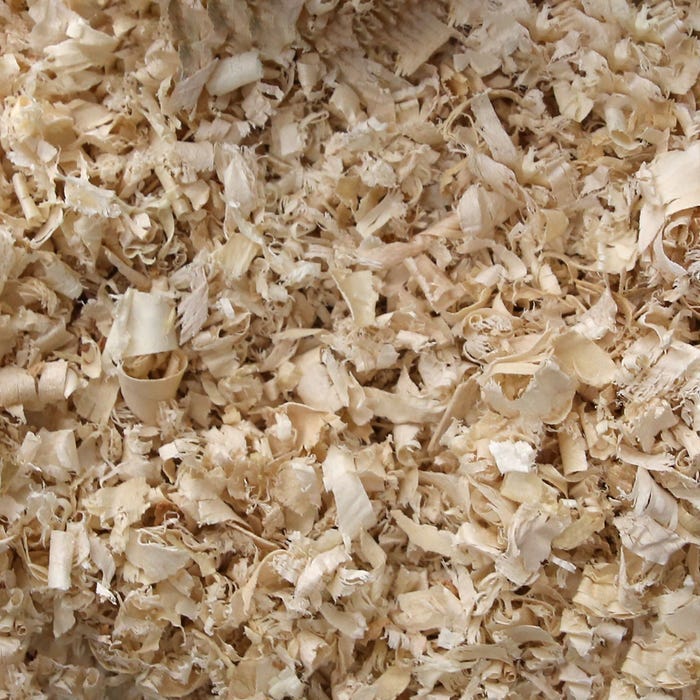
It would take maybe about 3 months to go through an entire bag if you’re using this setup.
That equals about $28 per year spent on bedding.
Quail
Last but certainly not least… you will need to buy quail!
If your goal is to have 8 hens and 2 roosters as breeding stock, I would recommend you start out by purchasing 40-50 quail hatching eggs. Hatching from shipped eggs can often have a hatch rate of 50-60%. It’s always better to have extra than not enough. Any extra quail can be butchered and frozen.
There is currently a sale at Myshire Farms where they have Jumbo White Coturnix selling for $1/egg. They have a 30-egg option and a 60-egg option, so for the sake of them being Jumbos opposed to regulars, I would go ahead and choose the 30-egg option, which is $30.
Take a deep breath.
Alright, what is our final total?
Equipment(includes the quail) = $495
Repeat buys = $348/year
First year of owning quail = $843
After that, it should cost around $350 per year for feed and bedding.
Now that it is all said and done, shall we figure out how much those meat and eggs will cost you?
If you are eating 6 quail per week and 44 eggs per week, that is about 6 meals. (3 meals of eggs and 3 of meat)
If, in the first year, it costs $71/month to purchase all the equipment and feed, it will cost $2.93 per quail meal you eat.
Every year after that is about $29/month or $1.21/meal.
I don’t know about you guys… but that sounds like a pretty solid deal for some homegrown protein.
If you decide to sell any of your quail products, that will also help to offset costs, and that can cause you to earn money off your quail, or simply allow you to break even.
Because quail are a “specialty” meat, some people will pay up to $7/bird! That can add up quickly if you’re able to find clients. You would only need to sell 50 meat birds to break even in a regular year.
Quail eggs do pretty well too. I usually see them for sale at $5-$6 for a dozen eggs. It’s impressive what people will pay for a novelty item.
I personally think quail are single-handedly the most underrated homestead animal that is out there. They may be small, they may not have a huge market of buyers… however, they are great if you want to grow food for yourself and your family. Not to mention, they are very healthy for you too! However, I’ll save that for another post ;)
What do you guys think? Did you learn anything new? Let me know in the comments!
I’ve got some exciting posts lined up 👀 you don’t want to miss out!
Comments
Nothing yet. Say the first thing.
Sign in to join the conversation.