
Alrighty, my friends, let’s get into it!
One of my favorite things in the world is fermenting animal feed and thinking about fermenting animal feed.
Does it sound excessive?
Well, what if I told you it was a super simple way to save money on your animals with just a little extra work involved?
First, what animals can have fermented feed?
This is important because it is not for all species. There are 4 “tiers,” if you will, for different animals.
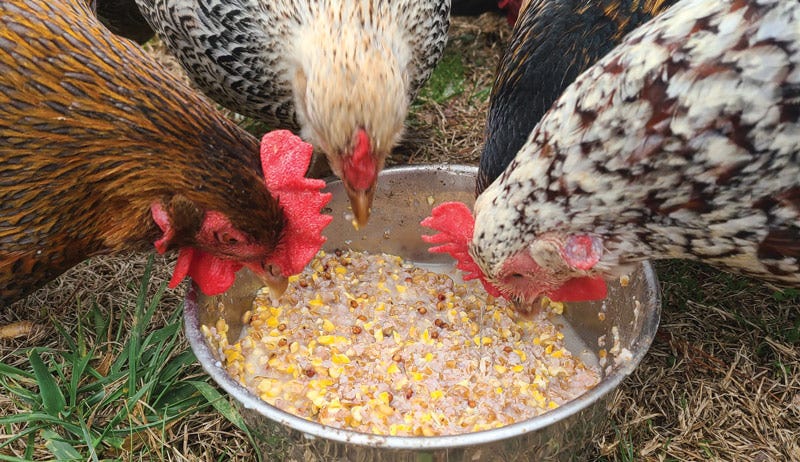
The animals that handle fermented feed the best are poultry and pigs. There is little monitoring that goes into it; you pretty much just soak the feed for a few days, and dinner is served. This is also the easiest place to start testing this concept out.
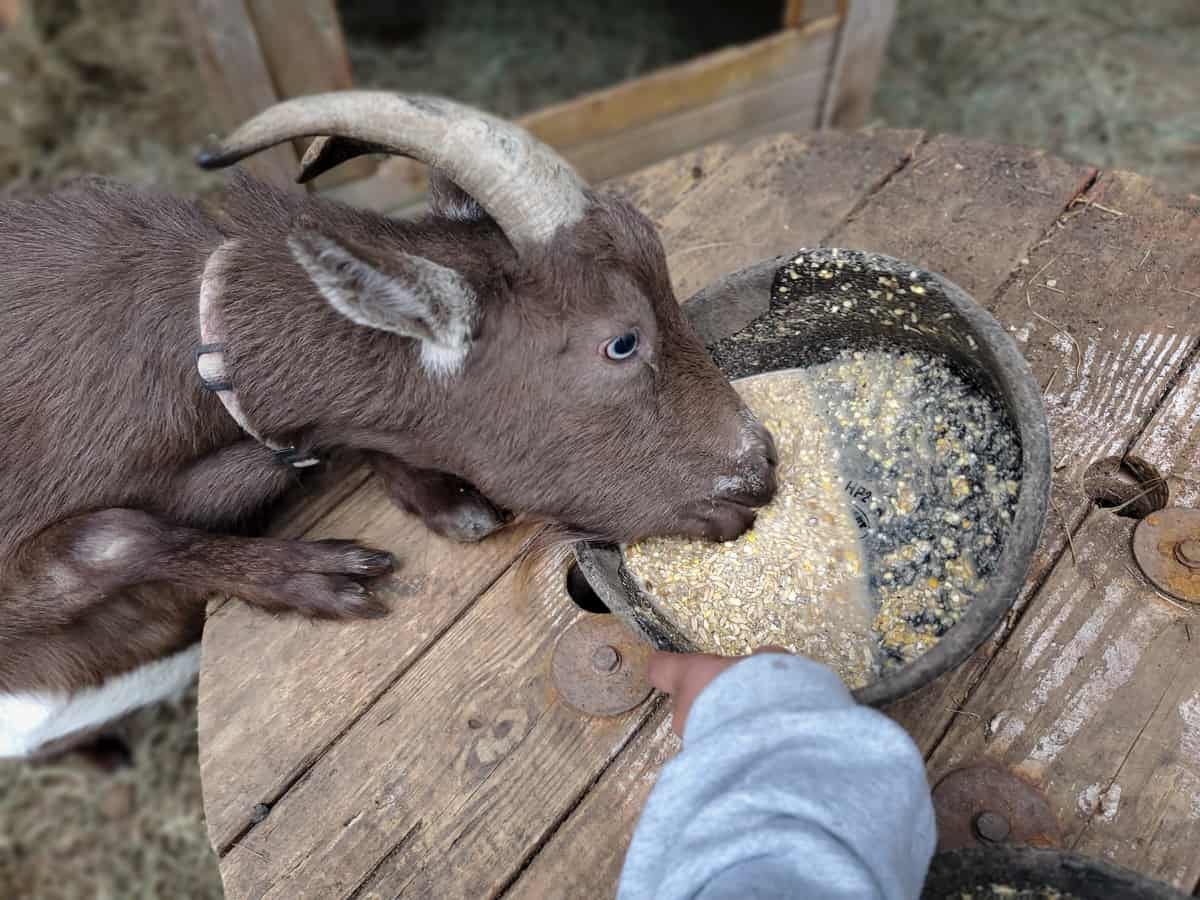
Next are ruminants like sheep, goats, and cattle. They all handle fermentation rather well, but it needs to be monitored to ensure that no harmful molds or bacteria are forming in the feed because it could be fatal if not managed correctly.
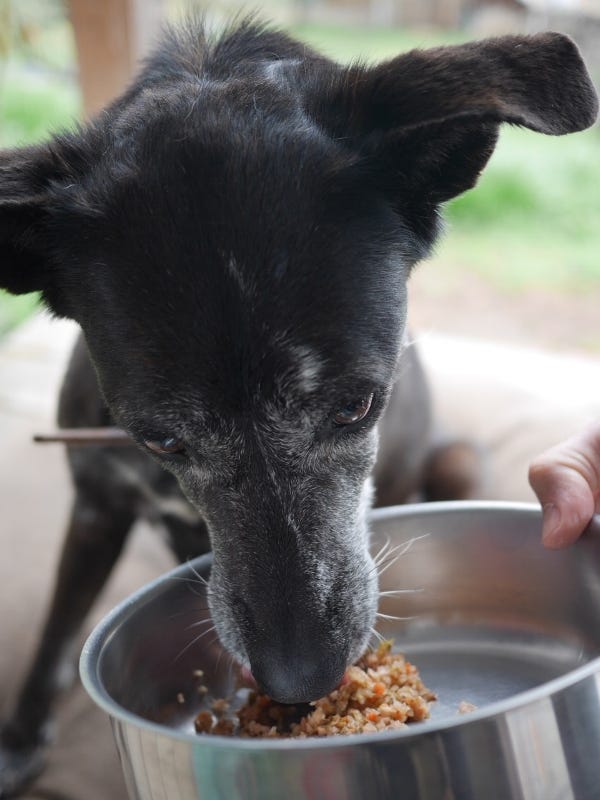
Did you know your dogs and cats can also have fermented food? You need to use a starter to properly ferment your pet’s food, but it is very doable and can be very beneficial.
4. Some species just don’t tolerate fermented feed well, and that would be our furry friends with monogastric hindgut fermenter digestive systems(say that 10 times fast)... AKA our rabbits and horses. It’s best not to try to ferment their feed. Fun fact: because of this particular digestive system, neither rabbits nor horses can vomit.


Now that we got the basics of who this is for, we can get into the whys and hows of fermented feed.
Why should I bother?
This is more than just a cool trick to save money. Fermented feeds offer many digestive health benefits for your animals.
Improved digestion
When you ferment something, you are basically allowing a bajillion little microorganisms to digest your food before you do. That means that they have already started the work of breaking everything down, and it makes it easier for your digestive system to absorb more nutrients and vitamins.
Increased nutrient bioavailability
That is just a big fancy way of saying that the fermentation process will actually degrade antinutrients that can block mineral absorption. It also synthesizes B vitamins that were not originally present in the dry grains.
Better egg and meat quality
When your animals are eating healthier, it is no surprise that the products you are receiving from them will be higher quality! For example, chickens typically have stronger eggshells when they eat fermented feed.
Reduced feed waste
Do your animals tend to make a mess of their dry feed, and you’re constantly feeling as though they are wasting it? Oftentimes, because fermented feed is wet and heavy, animals are less likely to spill it all over the place, which means they are consuming more of it.
A great money saver
When you ferment dry grains, the volume of the feed expands. Because of this, animals will typically eat less fermented grain than dry grain because there is more food to consume! I do not have the exact numbers on this, but I know that it is about 10-25% less food consumed with even more benefits. It almost seems too good to be true!
More hydration
Because of the water needed to ferment the food, your animals will be drinking more water and staying even more hydrated, which is never a bad thing.
Can protect against harmful bacterial diseases
Because of the nature of fermentation, it changes the pH of the food, which can make it an inhospitable environment for Salmonella or E. coli. This allows further protection against these awful diseases, but it is important to note that when fermentation is done incorrectly, it can also harbor more harmful bacteria than it should.
How do you ferment for poultry and pigs?
This is the best and easiest place to start fermenting.
I implemented a fermented chicken diet during my internship last summer. We used a three-5-gallon-bucket system to ferment the dry chicken grains effectively, and I must say, the hens adored it.
All we did was fill a 5-gallon bucket with enough feed for all the chickens.
2. Next, we filled it with enough water that the grains were covered.
Third, we let it ferment for 3 days. Stir it every day.
On day three, we fed it to the chickens.
In order to keep the system going, you would start a new bucket every day, use a bucket every day, and continue to cycle through.
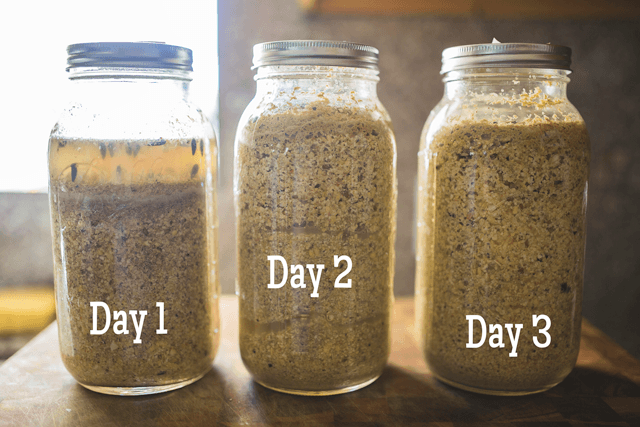
It’s that simple! In my experience, the chickens much prefer the wet feed to the dry grains, and it is healthier for them and less expensive for you. Everybody wins!
How do you ferment grains for ruminants?
Ruminants follow almost the exact same process as poultry and pigs. The main difference is that you have to be extra cautious of certain aspects that could cause health issues for your livestock.
The main thing that we want to avoid is acidosis.
Acidosis is a metabolic disorder that is caused by the animal consuming large amounts of rapidly fermentable carbohydrates. It will lower the pH in the animal’s rumen, which can cause a highly acidic environment that could be fatal.
What can we do to prevent this?
The first thing you can do is to always add apple cider vinegar to the fermented feed prior to serving it to your herd.
Depending on the size of your animals, it is a different amount of apple cider vinegar, so I won’t get into how much you put in; just know that it will create a buffer to prevent the pH from getting too acidic.
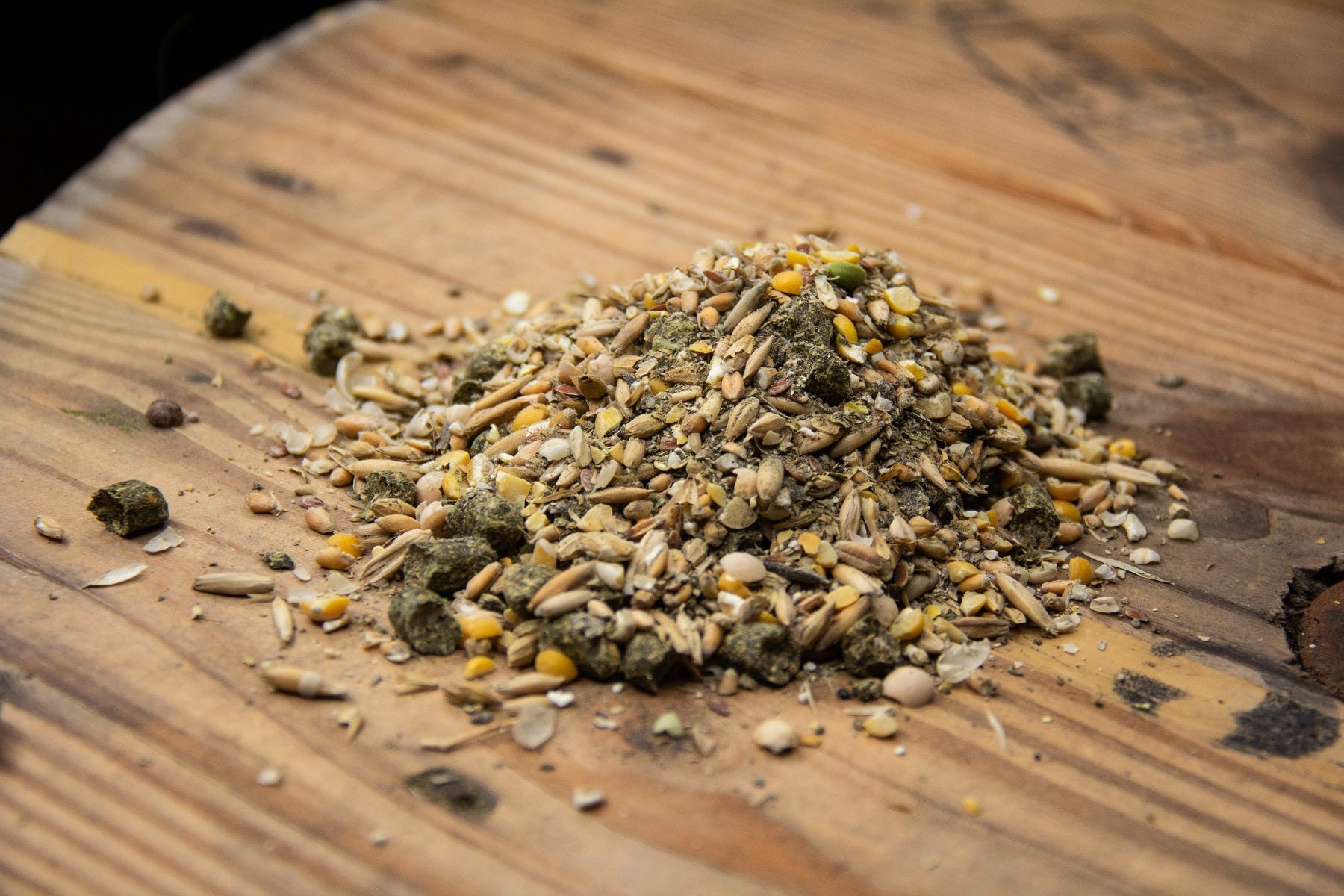
Another thing you can do is ferment only larger whole grains. This is not a process to be used with pelleted feed or crumbles. The smaller the grain size, the more rapidly the fermentation process occurs and can accelerate acidosis in ruminant animals.
This goes for any animal species, but if at any point you notice that a batch has a bad smell or it is moldy, it should be entirely discarded and not fed to your animals.
The smell should remind you of sourdough or plain yogurt. Tangy, sour, yeasty, and a tad sweet. If it ever smells rotten or putrid, it needs to be discarded.
How do you ferment food for cats and dogs?
Not all of us have livestock, but many of us have cats and dogs. If your pet has specific sensitive gut issues and is more of a picky eater, this is probably not the route for you, but for the average healthy pet, this could very well prove more beneficial.
It is also important to note that you should never solely feed your pet fermented feed. It works best as a daily supplement on top of their regular diet.
Starting with a 1/2 tsp per 20 lbs of your pet’s body weight is generally recommended. If your pet is under 20 lbs, only use 1/2 tsp.
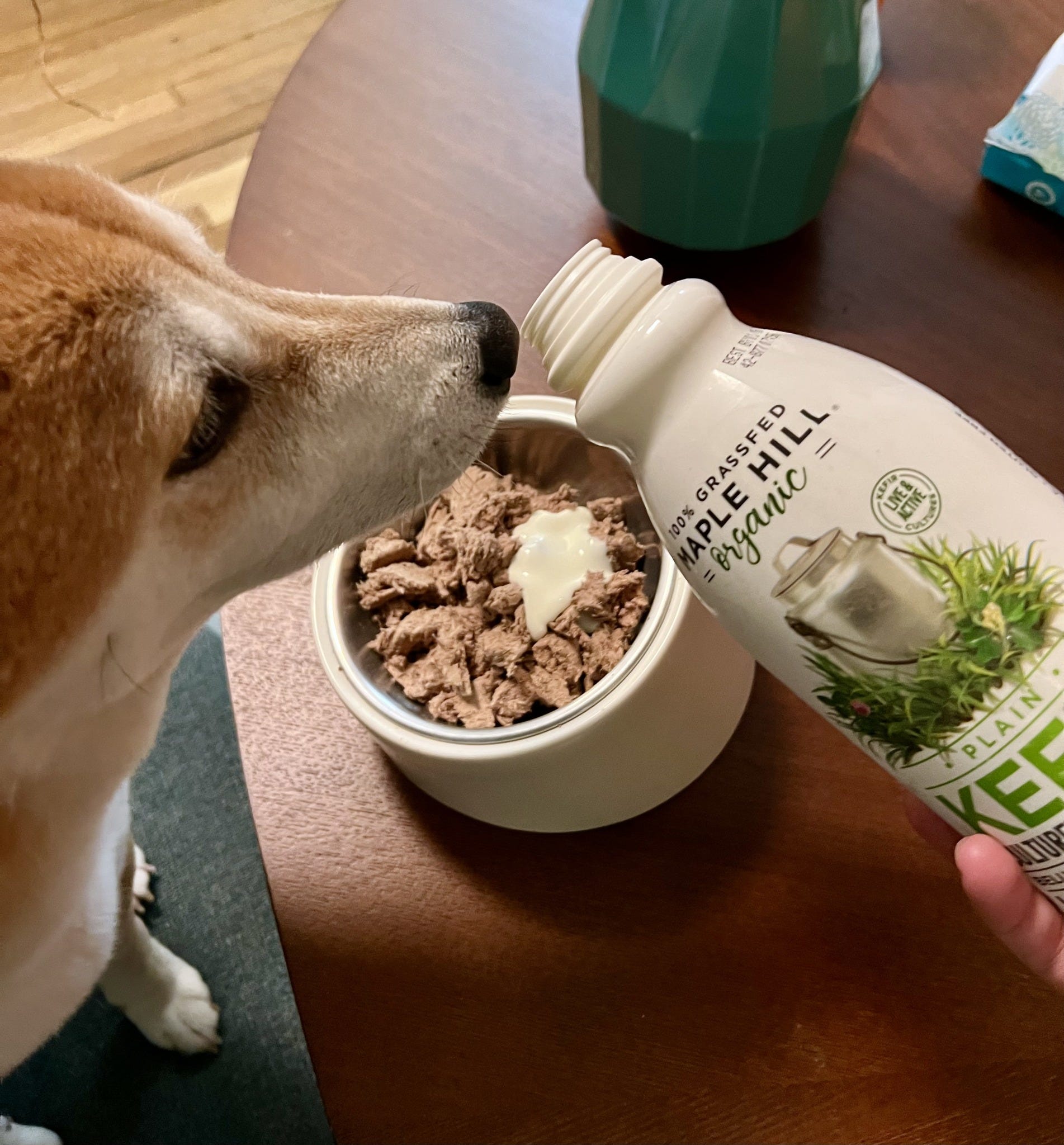
Take your dry pet food and add a warm(but not hot!) base liquid to it. This could be water, bone broth, or raw goat milk.
Add in a spoonful of unsweetened kefir to introduce the right kind of bacteria.
Loosely cover the container to allow gases to escape and let it sit at room temperature for three days
Stick it in the refrigerator to slow fermentation and use it within 1-3 days
Many dogs can suffer from histamine intolerance, which will show itself in allergy-like symptoms. If, after starting fermented food, you notice your dog developing itchy, red, and inflamed skin, you should stop feeding it the fermented food.
If your animals are not used to fermented feed and you want to start implementing it, try to do it gradually in small increments at a time so that it does not overload/shock their digestive systems! This goes for all species.
And those are the basics of fermenting foods with your pets and livestock! Did you learn something new about animal digestion? Do you have any questions about this concept?
Remember to like this post, comment your questions, and even restack if you feel so inclined.
Thank you so much!
-Briar Albaugh
Comments
Nothing yet. Say the first thing.
Sign in to join the conversation.