
As a Canadian, I find it pretty entertaining that the world—or all right, women between the ages of 18 and 88—is suddenly obsessed with hockey boys. Not hockey itself, but the guys who play the sport. And who can blame them? With the recent success of Heated Rivalry and Off-Campus, and now the just-announced news that Ice Breaker is coming to Netflix, everyone’s suddenly horny for hockey.
I’d like to ask these women: OK, but who won this year’s Stanley Cup?
And if you didn’t know that, I wouldn’t totally hate you for it, since it was pretty much a giant yawn-fest (nothing compared to the drama and wildness of the New York Knicks taking the championship the night before). Honestly, I didn’t care to watch it since my beloved Habs (that’s the Montreal Canadiens) were knocked out in the Eastern Conference Final. Was that too much hockey-speak for you?
OK, back to the boys.
These hockey boys are hot and horny, and maybe what’s sexiest of all, they communicate about sex. They prioritize pleasure and consent. It’s enough to make any self-respecting woman call herself a puck bunny.
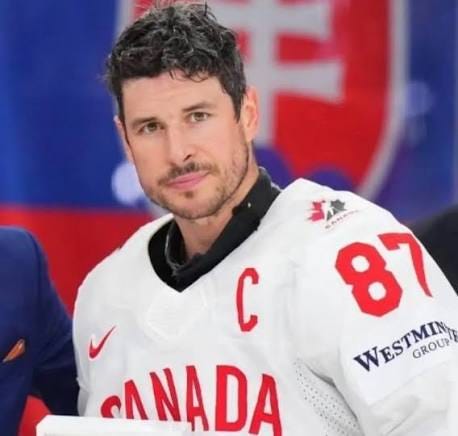
But I’d be remiss if I didn’t mention that it’s important to remember these hockey bros are fictional. Real hockey bros are not without controversy, serious allegations, and a general reputation for not always being particularly supportive of women. You need only remember the backlash surrounding the U.S. men’s hockey team after they won gold at this year’s Olympics. (As a Canadian, I do not wish to remember this victory, and yet I do like to remember how silver-foxy Sidney Crosby looked.)
I, of course, have joined this league of women in their watching (and re-watching) of these hot hockey romances. Having completed Heated Rivalry at the end of last year (and dreaming about going to “the cottage”), I recently started watching Off-Campus on Prime (which was filmed here in Vancouver).
I have to say I really appreciated that these men, while definitely very horny, are also very open about it, and just as importantly, are attentive to female pleasure and willing to talk about sex so openly (also, kudos for the very enthusiastic mutual masturbation scene).
To explore why hockey romances have taken over BookTok—and what they say about how we’re thinking about sex and relationships—I spoke with sex therapist Casey Tanner, sexpert for the sexual wellness brand, LELO.
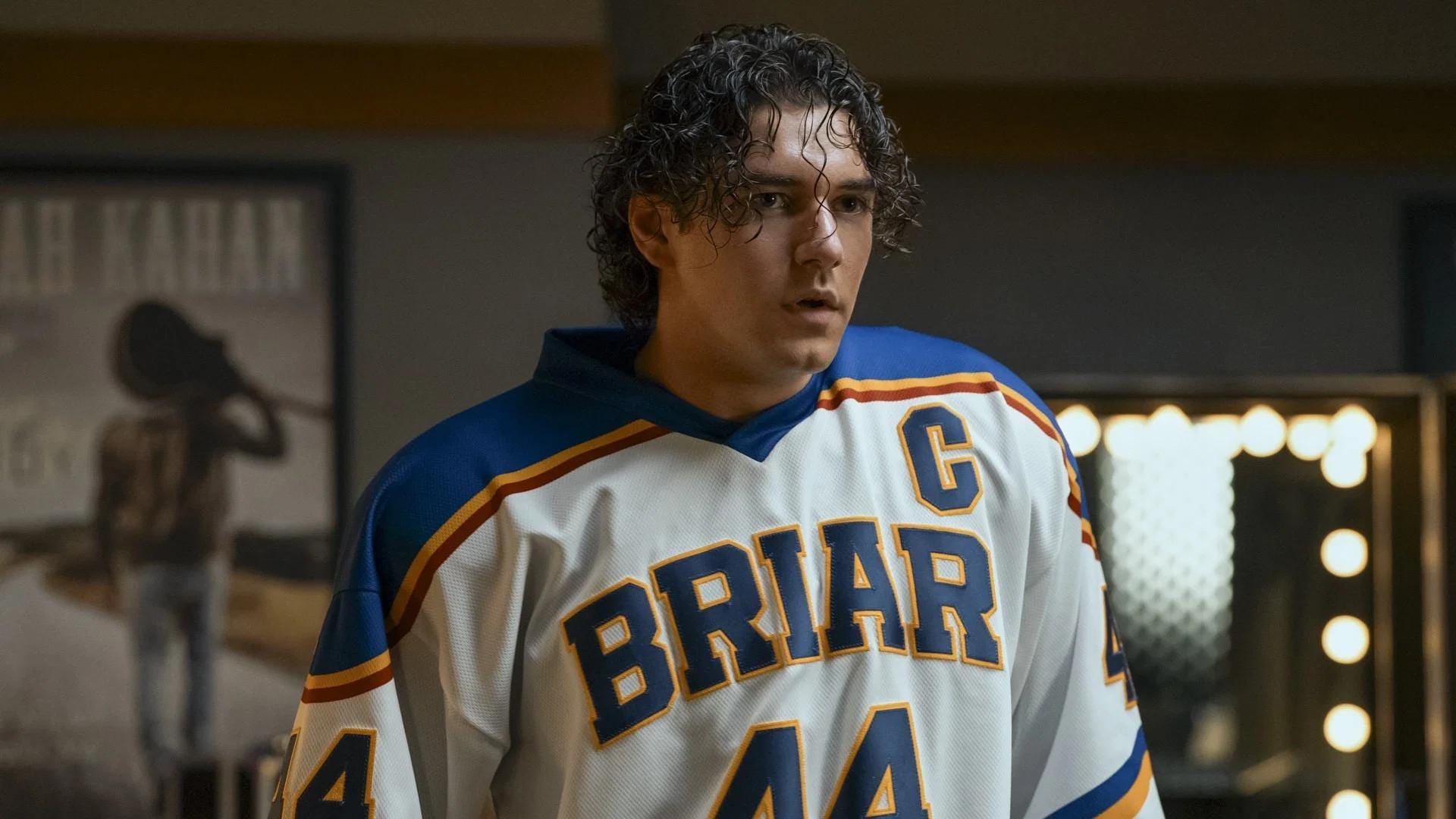
Why are women collectively losing their minds over hockey romances right now? What is it about the “hot emotionally unavailable athlete who secretly worships one woman” fantasy that’s hitting so hard?
Hockey romances are hitting because they offer a very specific fantasy of masculinity…someone who is powerful, physically intense, socially admired, and emotionally guarded but who becomes tender, attentive, and completely devoted in the context of that one special relationship. That contrast is highly erotic for a lot of people.
The externally dominant but privately soft athlete embodies a polarity that our culture is really wrestling with right now. Do we want men who are masculine, tough, and hyper-confident, or men who are sensitive and emotionally attuned? Many women want both in a man, and also to be the exception that unlocks his full romantic potential.
Hockey also gives writers a world ripe with tension ready to be released, full of rivalry, discipline, pressure, and physicality.
Off Campus features male characters who actually care about women’s pleasure, communication, and consent — which, sadly, still feels kind of revolutionary. Why do you think audiences are responding so strongly to that?
You’re right…it’s sad how rare it is to see men’s desire written in a way that is not extractive. Simultaneously, these characters give many women hope that a different world is possible—one in which “locker room talk” gains a whole new meaning.
For some audiences, these characters can also be a sort of corrective emotional experience for the problematic men they’ve been with. In other words, viewers see all the familiar signs that a man is going to be predatory (sports, aggression, competition), but instead a different story emerges that actually centers curiosity and respect.
What do we think about the sex scenes? How realistic are they — and why are they so appealing? And do real-life hockey players actually deserve the sexual reputation BookTok has given them?
Real sex is always going to move more slowly, involve more moments of awkwardness, and be less perfectly lit than on-screen sex—that’s just the nature of an industry that profits off of keeping an audience’s attention. Even so, Off Campus has a few wins in the sex department.
What Off Campus gets right is that the sex scenes are not treated as solely gratuitous; the writers give us sex that is both hot and educational. I love the incorporation of the vibrator and the conversation about trust and orgasm. I also appreciate that the show models an example of a woman disclosing sexual trauma for the sake of increased pleasure, centering herself, and setting boundaries around how much she wants to disclose and when.
As for whether real-life hockey players deserve the sexual reputation BookTok has given them, definitely not. These stories draw us in because they are an exception to the rule of locker room culture. Most of us know that being physically fit, competitive, or good with a stick does not automatically make someone emotionally intelligent, generous, or skilled in bed. Those skills take far more time to develop than is captured in these shows, and I think we need sex and consent education that is specifically designed for athletes.
Are sports romances giving women a “safe” version of masculinity — like hyper-masculine men who are also emotionally available and obsessed with their girlfriends — that maybe feels harder to find in real life?
Yes, absolutely. Sports romance often gives readers and viewers access to a kind of masculinity that is intense without being threatening, protective without being controlling, sexually confident without being selfish, and emotionally guarded without being cruel.
It’s like full-blown masculinity with the danger edited out.
Be honest: do opposites actually attract in healthy relationships, or do they mostly just make for incredible tension and chemistry in books and TV?
Opposites can attract, but they do not necessarily sustain. Differences can create chemistry because they introduce novelty. For example, one person is introverted, the other is extraverted, and they each introduce each other to new ways of being in the world. That can be exciting because each person represents something the other does not fully know how to access on their own.
But healthy long-term relationships usually require enough sameness underneath the difference to keep things sustainable, like shared values, a commitment to communication, compatible life goals and a willingness to repair.
So I would say opposites create spark, but to keep that flame alive there needs to be some core alignment.
Why does the “brooding athlete who’s soft only for her” trope work every single time? Is there something psychological happening there?
The trope works because it activates the fantasy of exceptionalism: “Everyone else gets the armored version of him, but I get the real him.” All of us want to be special, whether or not we are quick to admit it. It’s human nature, and evolutionary programming that helps us survive in the early stage of development.
Psychologically, it also plays with our attachment wounds from childhood. A closed-off person becoming emotionally available can feel incredibly rewarding because it mirrors a longing many people have to be loved so specifically that someone changes, opens, or softens in response to them—often that original fantasy is about a parent or caregiver.
Can bingeing romance series like Off Campus and reading nonstop BookTok romances actually change what people expect from dating and relationships in real life — for better or worse?
Yes, and I think it can go both ways.
For the better, romance can help people raise their standards. I actually love that many younger people are consuming stories where the erotic charge is not just “he wants her,” but “he listens to her.”
The risk is when people start expecting real relationships to function with fictional pacing. In romance, conflict is constantly moving the story forward. But real relationships are full of stuck points, boredom, and conflict that doesn’t resolve in steaming hot sex. I worry about fiction that reduces our frustration tolerance in relationships.
Off Campus really leans into passion, tension, and constant chemistry. In actual long-term relationships, how important is it to actively keep intimacy and desire alive after the honeymoon phase wears off? And how sustainable/realistic is it to think that you’re constantly wanting to tear each other’s clothes off?
It is not realistic to expect constant, spontaneous, tear-your-clothes-off desire forever; typically, that limerence phase only lasts a few months to a couple of years. While transitioning into “long-term relationship energy” can be challenging as that spark shifts, there are so many gifts that investing in someone in that way can bring that early stages of relationship simply can’t.
Long-term desire is less about sustaining the honeymoon phase and more about creating conditions where desire can keep returning over and over again. That means protecting date nights, being careful not to fall into roommate dynamics, learning how to stoke each other’s desire, and getting to know new versions of each other intimately over time.
LELO’s Economics of Orgasm Report found that a majority of young adults living at home say it negatively impacts their sex lives and ability to pursue relationships. Do you think the popularity of fantasy-heavy romances is partly escapism from the reality of modern dating, finances, and lack of privacy? How does that impact their dating life and how they approach dating? Are they being more realistic or fantasy driven when it comes to their own love lives?
Yes, I think fantasy-heavy romance is absolutely functioning as escapism for some people, but I don’t necessarily mean that dismissively. Fantasy plays an important role for all of us; it’s where we go to access desire, imagination, privacy, and autonomy.
If someone is living at home because rent is unaffordable, if they have limited privacy, if they feel infantilized by their family, or if they cannot easily bring a partner home, the romance genre gives them a place where intimacy is possible without those logistical barriers. I don’t think there’s anything intrinsically wrong with that.
That being said, given LELO’s findings, we need to help create pathways for people facing challenging economic conditions to connect outside of the home. Free public spaces, sliding scale speed dating, hobbies, third spaces—all of these can help people bring their fantasy life into their world to create more satisfying relationships.
Fantasy and imagination play an essential role in movement building and changing cultural norms, but only when paired with grounded, skills-based education. It’s one thing to say “I want someone like that character!” and another to have the skills and confidence to recognize red flags early, communicate needs, and set boundaries.
In other words… we can love watching and reading horny hockey romances and, heck, we might even be inspired by them in our own love lives. But it’s important to remember that they are fictional and, at times, fantastical—and that doesn’t negate the real relationships we’re forming in real life.
Not every moment will feel like it belongs in a sexy streaming TV series. Not every guy will say and do the smoothest, sexiest thing like Garrett Graham—that does not mean you write him off.
And not every hockey player will be like these guys (although I am pretty sure they will be horny).
But we watch these shows because they entertain us, and that’s okay too.
Thanks for being here!
Love, Brie xoxo
P.S. Drop your current BookTok obsession if you’re in this phase too.
should i have a roster?
·
Jan 6
I was curled up on my couch, Olive snoring on my chest, scrolling through Hinge AND Bumble — multitasking, hustling, living in the digital dating age — when I asked myself:
Dating Trends
Gen Z, desire & the new landscape of sex
·
December 11, 2025

If there’s one thing we love to do here, it’s unpack how each generation relates to sex, connection, and desire — and what those shifts say about us culturally. So when I had the chance to speak with renowned sexologist and LELO Sexpert Valérie Tasso
Comments
Nothing yet. Say the first thing.
Sign in to join the conversation.