
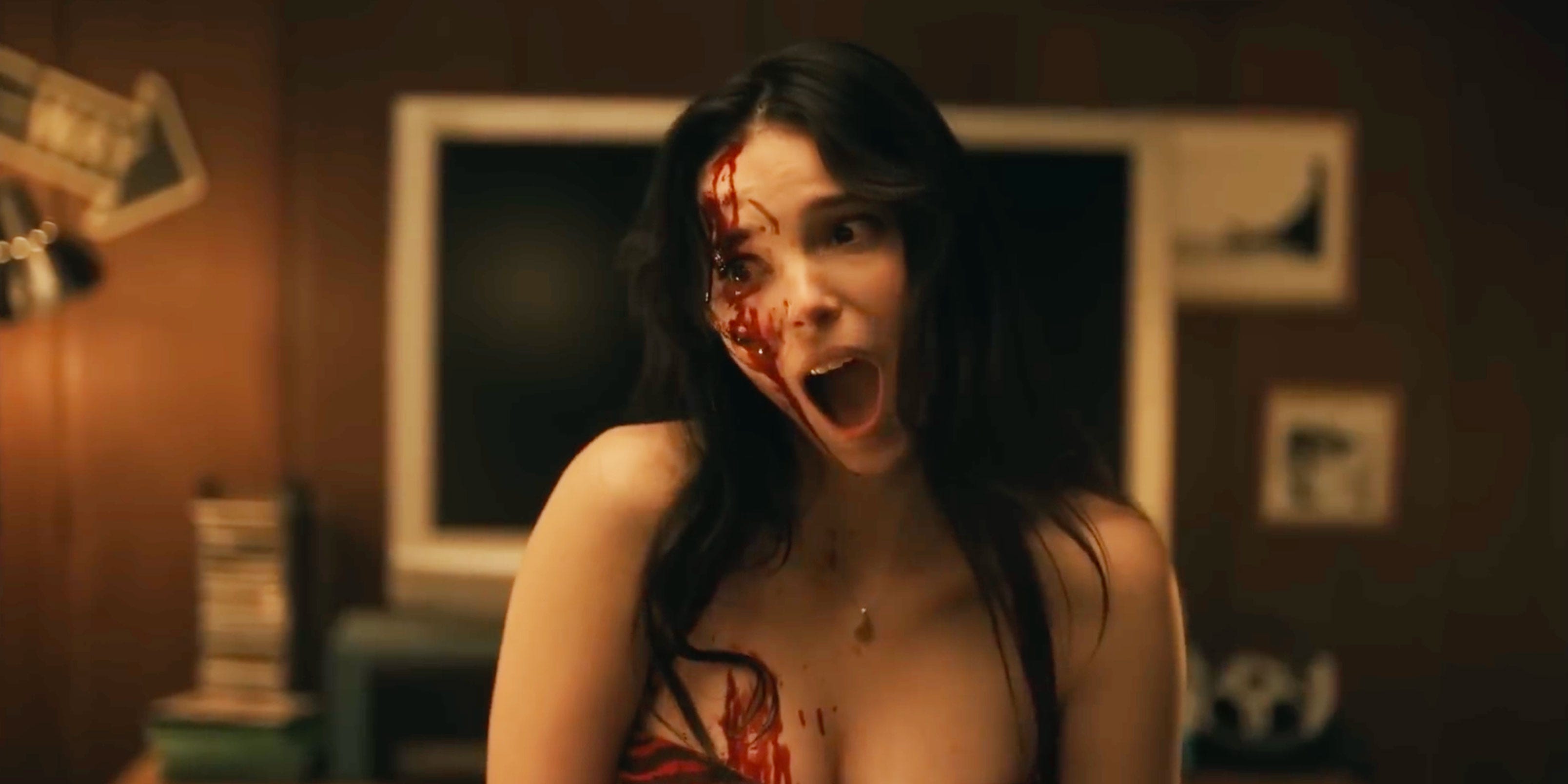
I happen to be among those who believe that having a population sufficiently scientifically literate to discern what’s real from what’s not is among the most important challenges we face as a species — a fact you probably know about me, if you know anything about me at all.
Consequently this is a problem I constantly ponder. The ways that people consume media are always evolving, and correspondingly, the best ways to reach people are always changing. Therefore, our strategies to reach tomorrow’s adults — the most important demographic to reach — must evolve accordingly.
Today I’d like to focus on a particularly stark example of this happening right now. As an independent filmmaker, my finger is on the pulse of the feature film industry, and it’s one that has been under nearly constant upheaval for a decade. Hollywood’s biggest problem is loss of control. What’s playing in the local theater is no longer our only media option. We have countless programs on streaming services; and at home, we have not just more choices but also more comfortable seating, better screens, privacy, the ability to pause for bathroom breaks, and better pours. The result? The movie theater industry — deeply entangled financially with Hollywood studios — has been in decline for a long time. The writing is on the wall for movie theaters.
So what have they tried to do about? Here are a few things:
Force people to go to the theaters for the best movies. When theaters closed during COVID, Tom Cruises’s Top Gun: Maverick was delayed multiple times so it could open when theaters did, rather than put it out on streaming. Universal continues to extend the delay of streaming releases after theatrical releases from a low of 2 weekends during COVID to the current 7 weekends. Oppenheimer and The Super Mario Bros. Movie were both delayed a full 120 days!
AMC theaters has tried to replicate the streaming model. You can buy a subscription on your phone to see a certain number of movies in the theater each month, and even reserve specific seats.
Many theaters have tried to replicate the home experience. Reclining seats, full kitchens and bars.
Theaters have experimented with beating the home experience. They’ve introduced wild stuff like IMAX, Dolby Cinema, 4DX, and ScreenX, with things like huge immersive screens, motion seats, wind, water, scent, and other physical effects synchronized to the film.
But something they have not cracked to date is of critical importance: tomorrow’s potential theater goers, today known as Gen Z and Gen Alpha. They don’t go to movies at all. Their world lives on their phones, and they have but little interest in theater experiences. Theater experiences have two giant strikes against them: inconvenience and cost. Gen Z wants free, convenient, immediate content. They even reject SVOD (subscription-based video on demand) because of the expense; they prefer AVOD (ad-supported video on demand). You’ll find Gen Z and Alpha watching YouTube, TikTok, and Tubi. (Gen Z still shows more uptake on SVOD than Gen Alpha; they’re older and have jobs, and/or they steal their parents’ SVOD subscription. Gen Alpha doesn’t bother and isn’t likely to.)
So I sit here, and wonder where my company (Skeptoid Media) should be investing if we want to teach basic science literacy and critical thinking to Gen Z and Alpha. The obvious answer — which I’ll tell you up front, is wrong — is “Oh, we should put our content on YouTube and TikTok.” Go where the intended audience is. Right?
Nope.
The fact that your science/critical thinking content can be found on TikTok doesn’t mean it’s suddenly what Gen Alpha wants to watch. A quote on the New York Times’ The Daily podcast said it best: “Young people don’t want their parents’ hand-me-down franchises.”
That’s why nobody went to go see The Mandalorian and Grogu in theaters: it’s a kids’ movie, but based in a hand-me-down franchise that kids no longer care about. Gen Alpha doesn’t go to Marvel superhero movies either.
Kids want content that represents them, not their parents.
So some clever exec in Hollywood said “Hey, let’s hand the keys to the kingdom to some Gen Z’ers and see what they come up with.”
That was the correct answer.
They didn’t put Tom Cruise onto TikTok. Instead, they kicked Cruise out of the movie theater and moved TikTok into it.
This year has seen the release of two feature films made entirely by Gen Z creators — giving Hollywood their greatest financial successes in a long time.
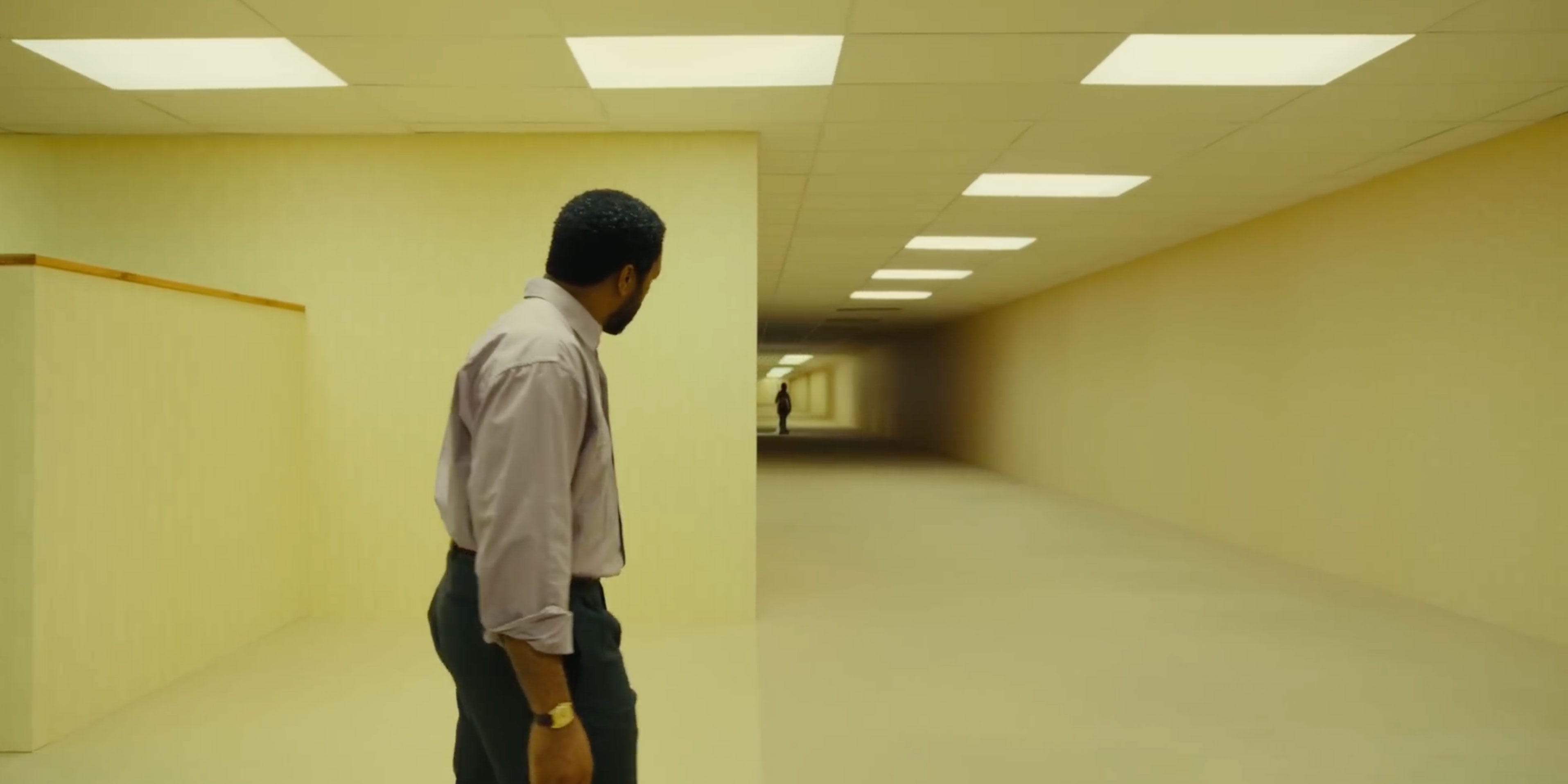
The studio A24 gave a deal to 17-year-old (!!!!!!!) YouTuber Kane Parsons (now 20) who, on a budget of $10 million with A24 helping out, made essentially an extended episode of his web series Backrooms (based on a popular creepypasta), doing all the writing and editing and VFX himself. It has grossed $277 million.
Obsession was made by YouTube comedian Curry Barker after a 2023 short horror film he posted caught the attention of some Hollywood types. On a budget of only $750,000 (!!!!!!!), Obsession has grossed $333 million — a 444× ROI. He resisted big offers to make something different, some more Hollywood-like; opting to stick with a formula he knew worked with his audience.
It’s not just the platform. It’s the content.
Let’s talk about one example where “your parent’s franchise” did, to a good extent, manage to stay relevant to the evolving young audience: Bill Nye the Science Guy. It happened by completely scrapping your parents’ playbook.
15 years, Nye had faded largely into obscurity (sorry, Bill). However he did a video with Big Think which happened to go crazy on YouTube way back in 2012:
It got the attention of Netflix, where somebody said “Oh yeah, I used to love Bill Nye the Science Guy when I was a kid!” The result? The Netflix series Bill Nye Saves the World (2017-2018).
Well, that ended. He kept doing whatever he could — notably a famous segment on John Oliver’s Last Week Tonight. But it was clear: There didn’t seem to be any way for him to connect with Gen Z.
So he did the smartest thing: he wisely invested with people who knew this stuff way better than he did; or frankly, than did anyone of his (our) generation. When it became clear that “evolve or die” was the edict of the day, Nye hired Alejandro Corpus and Liz Yam of the digital content agency Keithcity Group (today called Unconfined) in 2020. They famously designed his entire TikTok strategy.
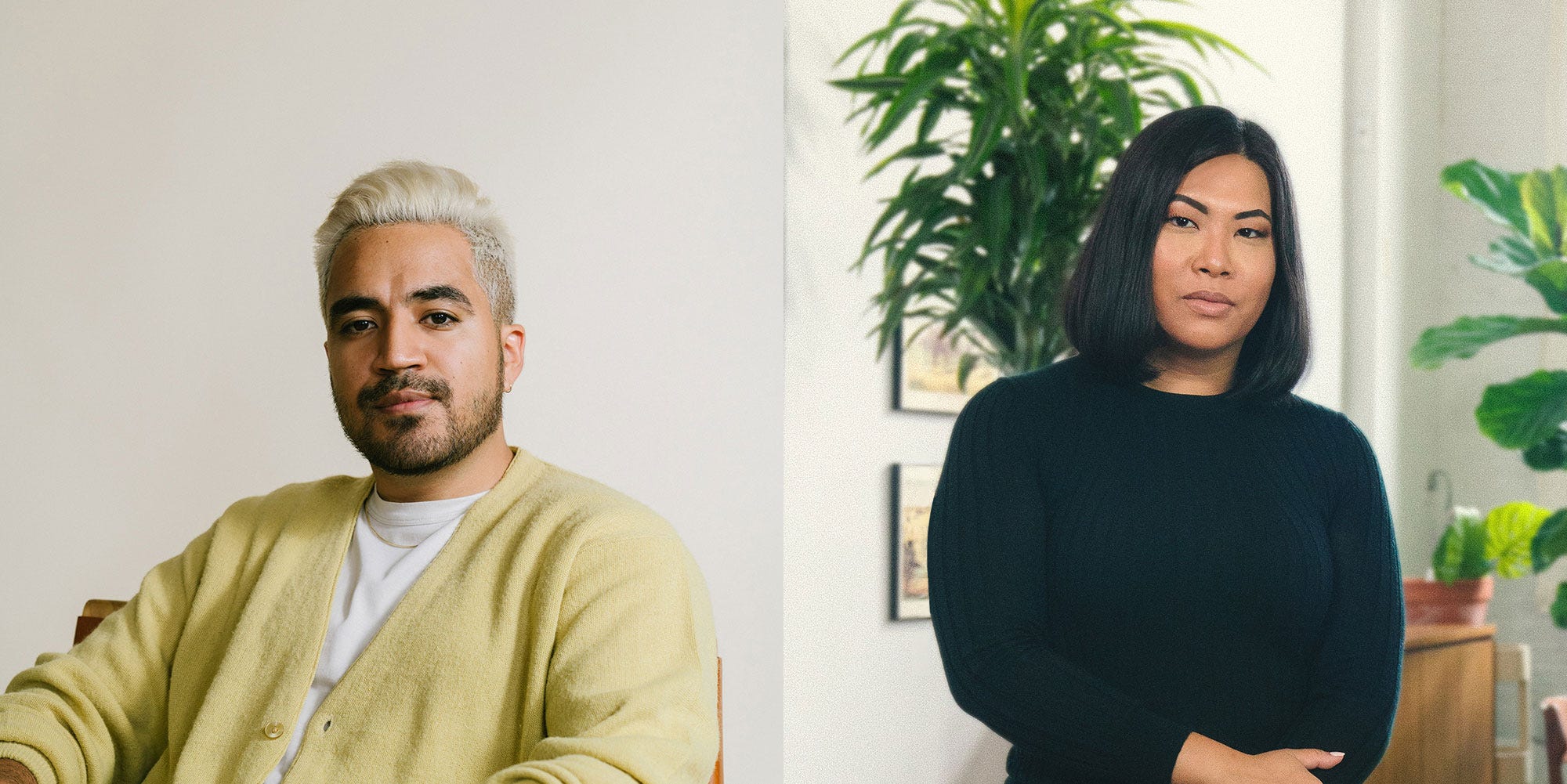
Bill didn’t just “put himself on TikTok.” He had people who were inside the heads of the TikTok generation do it for him. That’s a crucial difference, and it’s why today’s preteens know his name.
Hollywood handed the car keys to Gen Z and achieved their goal: box office success.
Bill Nye handed his car keys to Corpus & Yam and achieved his goal: relevance and recognition among Gen Z.
So all the rest of us who do what we do, preaching to the Gen X and Baby Boomer choirs on our podcasts and our conferences and our books and our talking-heads YouTube channels, may still be doing a good thing but we’re not doing that thing. We’re not going to reach tomorrow’s audiences like this. We need to be willing to hand the car keys to the kids — not put them on our conference podium, or interview them on our legacy program — but let them do what they do to reach their audiences.
I learned early on in my career as a science communicator that not every creator appeals to everyone. I’ve been told I’m too old & white & male a million times; and well, I can’t change that; I’m the only me that I can be. So I do that the best that I can, and what I do appeals to a certain segment. My friends have very different styles, so they do that, and it appeals to other segments.
We — meaning this community of people hoping to improve the world by imparting reality and rationality — are always growing in our size, breadth, and diversity. Keep pushing that outwards, and bring in whatever help you need.
Comments
Nothing yet. Say the first thing.
Sign in to join the conversation.