
Bone glue is here! #NeoArmory:
REVBIO ‘s TETRANITE® may be the bone glue we have all been waiting for. Comminuted fracture? Just apply this and slap a plate on it. Time for AO principles 2.0.

Combat soldiers in war fields, expeditions in remote conditions, mass casualties and natural disasters where you need immediate solutions for broken bones, we may have something here.
How do they make it?
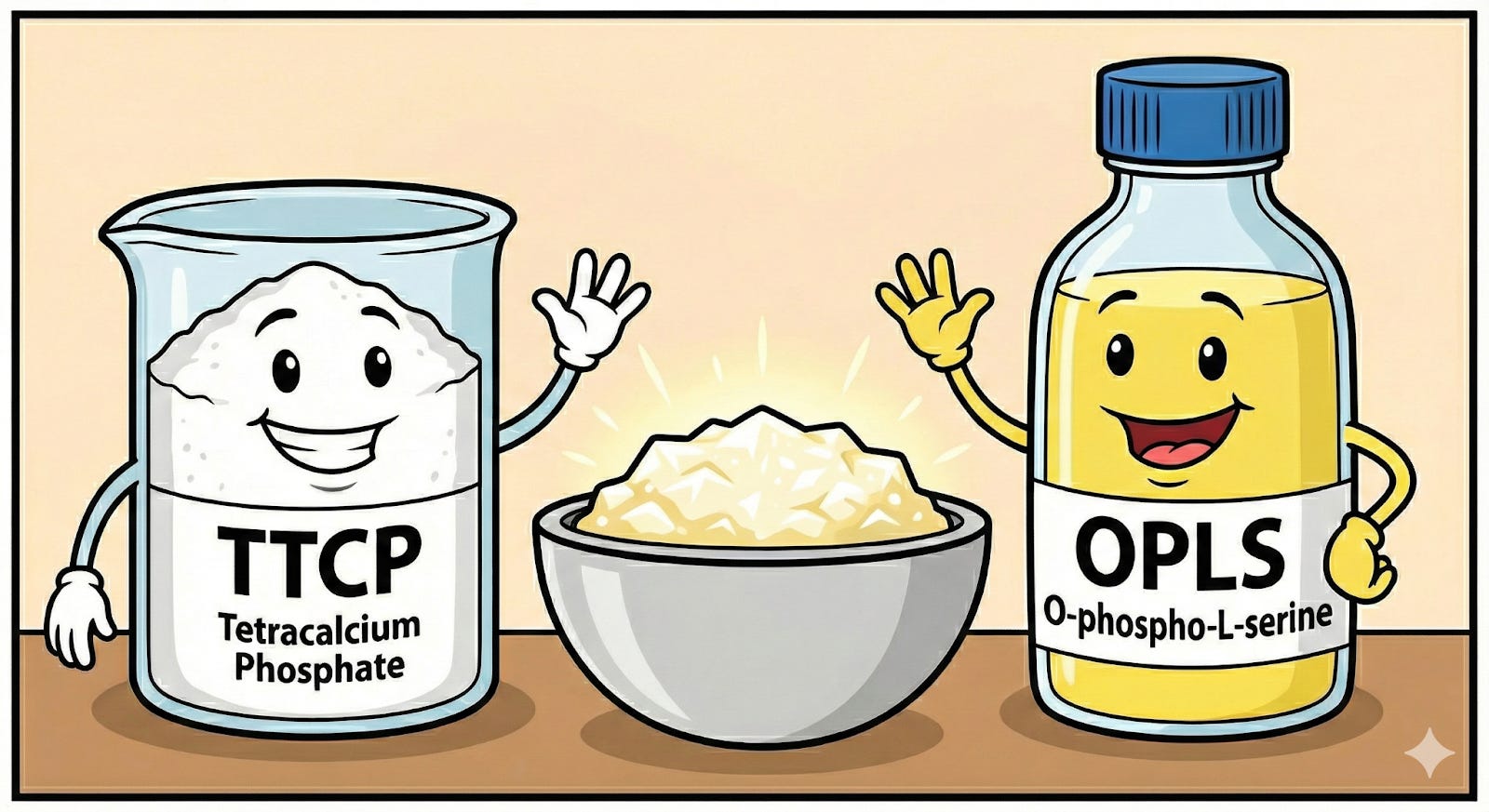
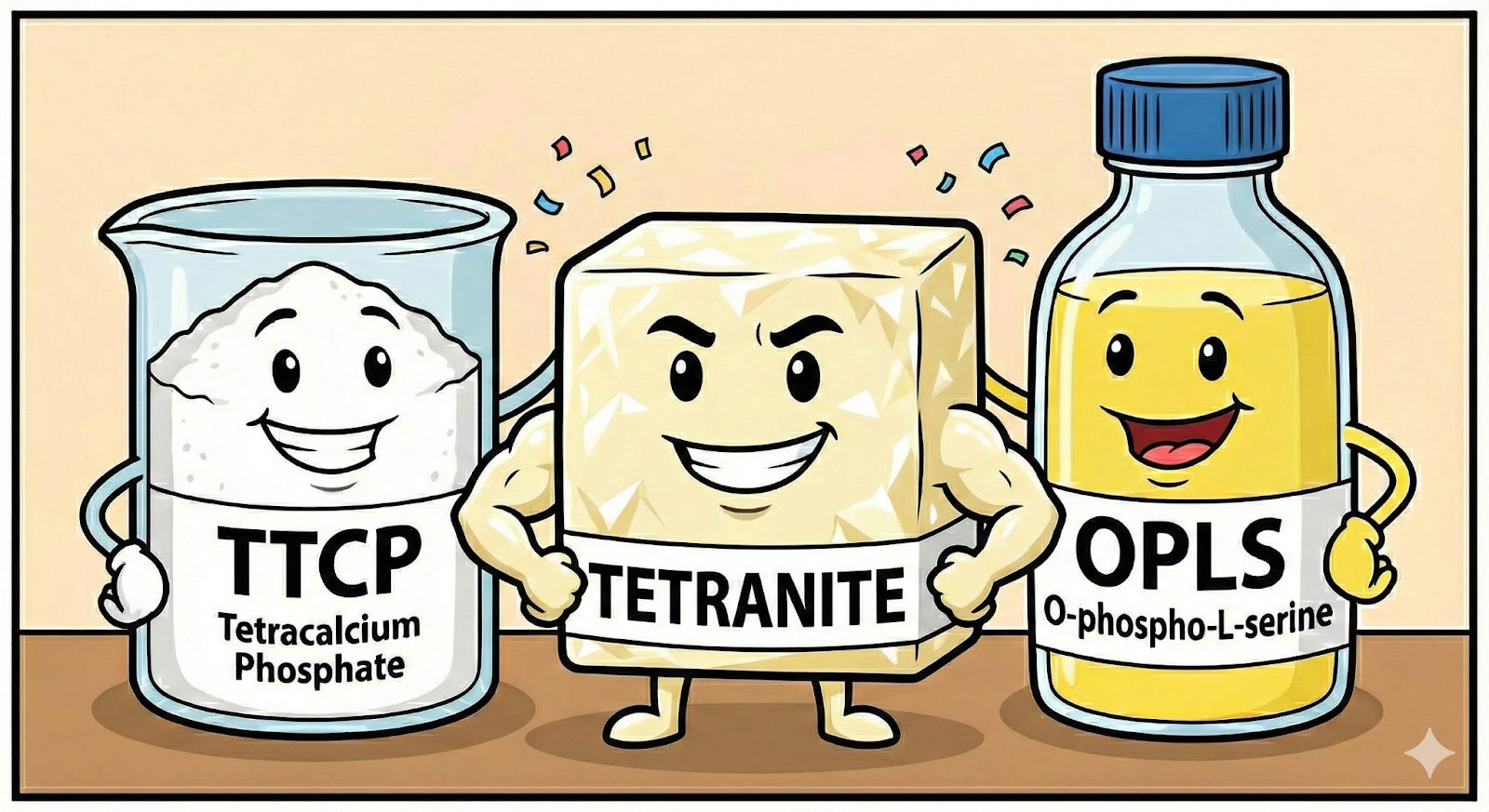
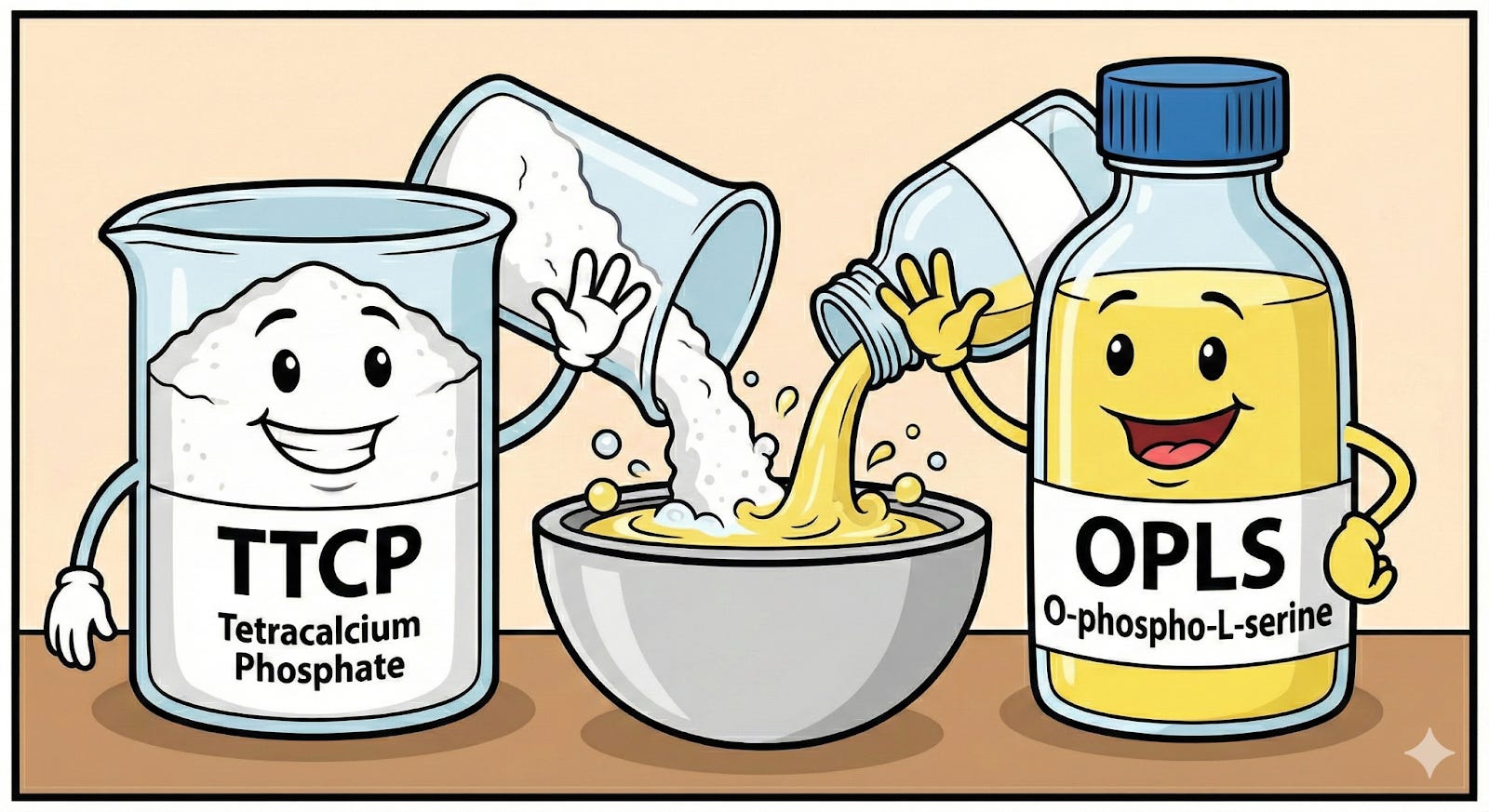
Science stuff
They claim it to be the first synthetic Bone-to-bone and bone-to-metal adhesive. Forms a cement like adhesive scaffold in minutes which is bioactive and osteoconductive and eventually replaced by new bone all while resisting 3MPa worth force.
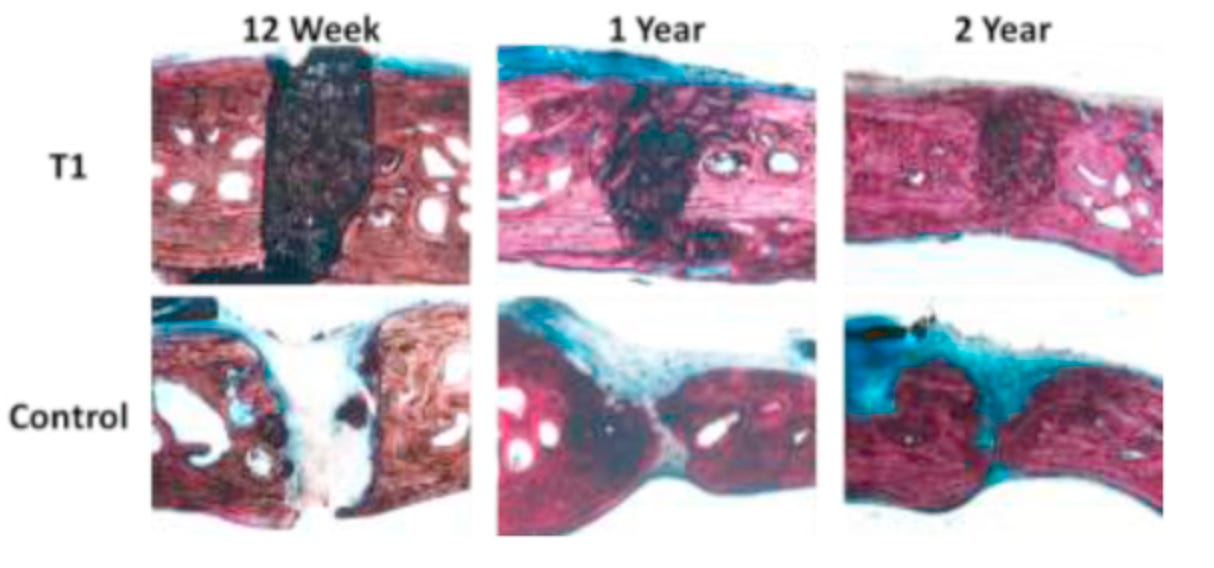
RevBio have received a NIH grant for First-in-Human Clinical Trial and have enrolled 5 patients. Are we looking at a fundamental change in fracture management or is it just reinventing the wheel by making it... harder?
The man, the myth and the Legend – Gavril Abramovich Iliarov #FromTheHistory:
In the field of Orthopedics, Ilizarov is a big name, almost a legend. As any good legend goes, there are some myths that float around.
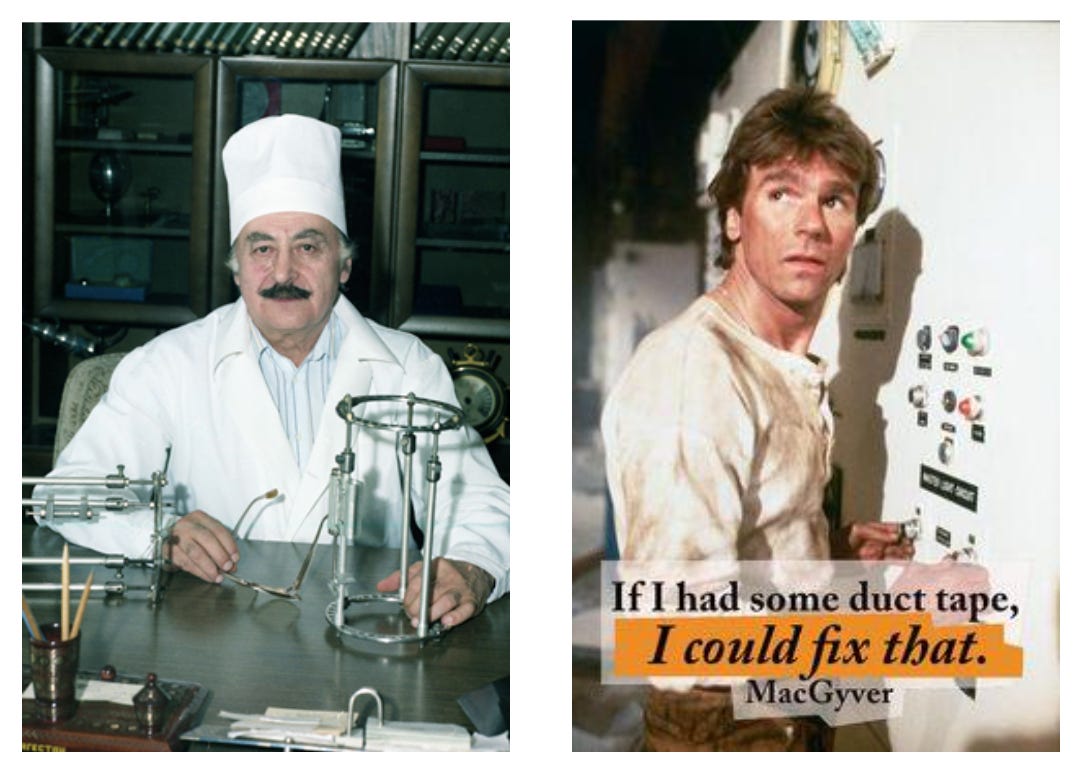
First the name itself! We all know him as Gavril Abramovich Ilizarov but it seems Ilizarov was spelling error by an official of registry of births and it was supposed to be Elizarov! Can you imagine calling him Dr. Eli!
Next is the workshop myth. There is a story floating around that he started his research using bicycle wheel spokes, and making him seem like MacGyver, which he surely was but turns out this story doesn’t have any credible evidence and it is not true. The real story is that he organized a workshop in 1946 with the aim of developing instruments for the war injured people and that’s where the famous Ilizarov circular external fixator was born.
Now, a story which turns out to be true is about the discovery of distraction osteogenesis that was possible with the fixator. The index case in which Ilizarov discovered this was quite intriguing. It was actually a mistake which became a boon to the non unions with bone defects as well as in the development of bone lengthening procedures. The patient underwent fixator application for the lengthening of amputation stump. Ilizarov went for a vacation after the surgery and came back to notice that there was osteogenesis between the bone ends. Mind you Ilizarov was not the first person to describe distraction leads to osteogenesis, but he is the one who described the biologic and histological principles of the process.
All in One posterior approach for ankle fractures - The Modified Posteromedial Approach #SurgicalPearl:
This approach was described by Assal et al. for complex pilon fractures with a major posterior column component, where restoring posterior length and alignment is critical before anterior articular reconstruction.
Begin surgery in the prone position with a support under the anterior tibia to allow free ankle motion and fluoroscopy. Make a longitudinal incision ~1 cm medial to the Achilles tendon, starting just proximal to its calcaneal insertion and extending ~12 cm proximally.
Superficial Dissection – Open the fascia, retract the Achilles tendon laterally (preserving its sheath), retract the tibialis posterior, identify the transverse intermuscular septum.
Deep Interval – Incise the septum to enter the deep posterior compartment; identify the FHL tendon/muscle and note the tibial nerve along its medial border.
Exposure of Posterior Column – Develop the interval between the tibial nerve and FHL, retracting FHL laterally to expose the posterior plafond, metaphysis, syndesmosis, and malleoli.
Posterior Reduction & Fixation – Reduce posterior fragments under direct vision, restoring length and alignment; fix using a posterior plate (locking T-plate or recon plate), ensuring distal screws are short.
Fibular fractures - If fibular fracture fixation is need, go in the interval between the FHL and peroneal muscles to expose the posterior fibula and plate it.
This is quite a handy all in one posterior approach for tibial plafond fractures.
Check out the full technique here
Finite Element solution to Screw Loosening in FNF #MostCited:
Despite several surgical options, there has yet to be a consensus on the best treatment for femoral neck fracture (FNF) due to higher complication rates compared to other bone fractures. Güvercin et al. examined the possible consequences and solution suggestions of changing screws during surgery for various reasons in FNF surgical treatment from a biomechanical perspective.
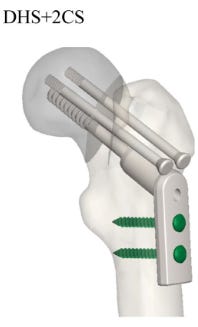
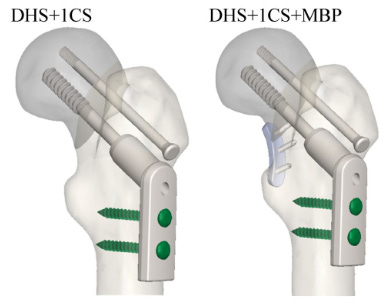
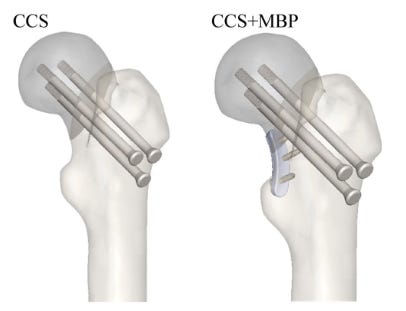
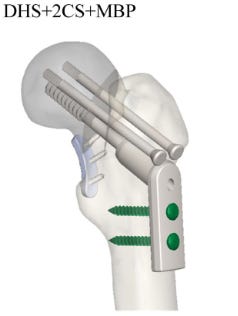
The key findings of the study were as follows:
The best results were obtained by using the CCS (Cannulated Cancellous Screws) with the MBP (Medial Buttress Plate). However, using CCS in the appropriate position and length at once is sufficient.
The DHS (Dynamic Hip Screw) plate provides sufficient compression when applied at once and positioned appropriately. However, it cannot provide as much stability as a CCS.
It is unnecessary to support the DHS plate with double anti-rotation screws
MBP increases the stability of all constructs.
Events to check out:
IOACON 2025 15 – 20th December 2025 Guwahati, India
7th Athens Shoulder Course 2026 13 – 15th March 2026 Athens, Greece
Mayo Clinic Advancements in Surgical and Medical Management of the Spine 2026 26th Feb – 01st March 2026 Hawaii, USA
Have a fabulous month ahead folks. See you all next year.
Comments
Nothing yet. Say the first thing.
Sign in to join the conversation.