
Every few weeks, I wake up and my phone is declaring a need to restart and install a new hardware update. These silent updates clear bugs, smooth workflow, and often look better. These phone updates are continual and necessary maintenance. Maintenance is a fact of life here on Earth, as true as the Second Law of Thermodynamics. All things on Earth are in a process of decay, which means there is no such thing as “maintenance-free.”
The city of Dallas is struggling with a maintenance problem. The great City Hall, designed by the famous architect I. M. Pei, was intended to be a healing and forward-looking building that would set Dallas up for a bright future. Pei was brought in after the tragic assassination of JFK in 1963. It was considered a great step forward and a sign of Dallas’s progressive future, designed by the era’s great starchitect. The problem is that, though a maintenance plan was created, it was not followed. Repair costs are now estimated at $500–600 million - too much to justify repair - and there is a great debate about tearing it down.
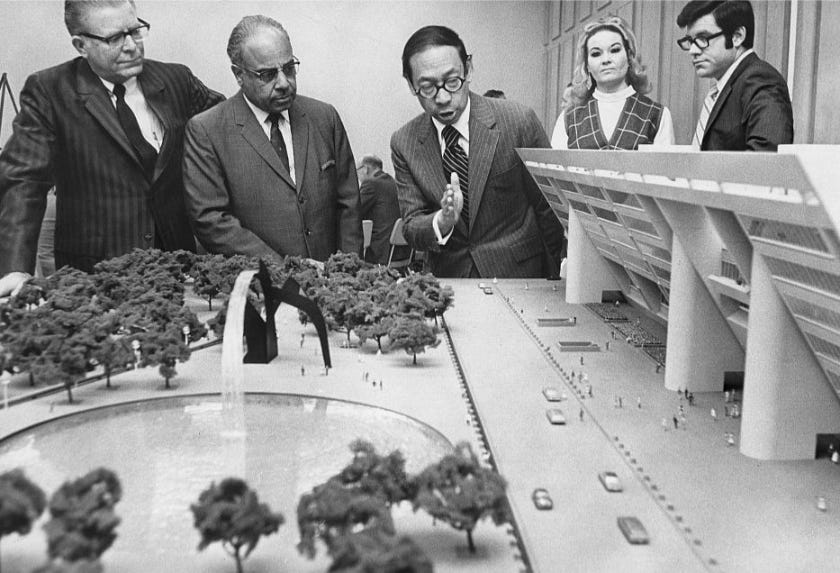
Though you may shake your head from afar and tsk-tsk Dallas for not keeping up the building, we are falling into the same trap with our own houses. How regular is your maintenance plan? How much money do you set aside for future work and repairs? Hmm, me either. We all want a maintenance-free home, but no matter how many salesmen claim it, there is no such thing. It started with aluminum and then vinyl siding; the wonder products that didn’t need painting or maintenance. It continues today with plastic wood, concrete siding, and pre-finished floors, all touted as maintenance-free. But nothing is.
The desire for maintenance-free living is not just found in new homes but in historic homes as well. In early April, I joined a large group of trained preservationists to celebrate the 40th anniversary of the Preservation Program at North Bennet Street School in Boston. On a panel with me were five other passionate craftspeople who were telling their stories of change, learning, and ongoing trials.
One alumni has been the main contractor for one of New England’s most historic homes. The board of that historic house, because of the work needed to maintain the home, is considering casting its shutters in a plastic resin in order to avoid further maintenance. So yes, you heard me: this great historic house (that shall not be named) is considering casting its historic wood shutters in plastic so that it can avoid further maintenance.
As a preservationist and craftsman, I’m aghast and frustrated. First, because casting them in plastic does not guarantee freedom from future maintenance; instead, it could lead to other problems they aren’t considering. How heavy will these new shutters be? Can the current hinges support them? What about fading? What about the environmental impact when they crack and break? How will the screws hold in the plastic over time? You get my point - those are just a few concerns off the top of my head.
This isn’t just a homeownership issue; it is a cultural issue. I. M. Pei’s daughter is questioning whether we are a disposable culture that tears down things every 25 to 50 years. A culture that doesn’t know how to preserve and save is a culture that has a skewed view of value. Value cannot be only about money. We must also value our history, our story, and the parts and pieces that make us unique. We, as a culture, are far too quick to throw things away and seem, at least currently, opposed to the idea of maintenance.
The problem with the present is that we can’t see the future. We are a generation believing the lie that we can have a maintenance-free home, car, and life. We run from ongoing maintenance because it costs too much or requires skilled labor that is hard to find. The problem, as the City of Dallas has discovered, is that if you go too long without maintenance, your decisions change. Instead of having to pony up the money to fix something, you begin to think it may be better just to tear it down.
What does it mean to tear down a building that, 50 years ago, defined the city, gave the city pride, and served as a landmark? It means we have a short memory, and we have little regard for our past.
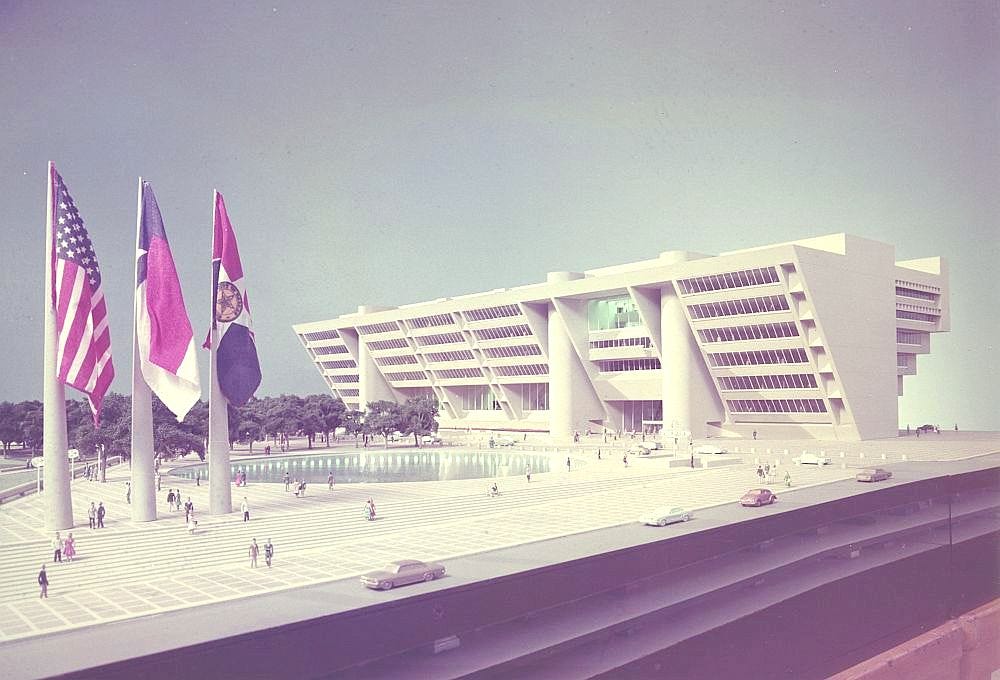
If we want our lives to matter and our memory to last at least 100 years, the only way this is possible is to establish a discipline of maintenance. A discipline of maintenance means establishing priorities for what matters, defining a story that needs to be told, identifying values that matter, and then spending the time and money needed to preserve them. It helps when what we build is beautiful. You could argue that the brutalist style of City Hall architecture is part of its problem, but it is a building that matters. It should be cared for. So should our homes.
We need to define and defend the important stories around us. If not, we can easily forget who we are.
Now, the next time someone says, “It’s maintenance-free,” think twice.
Comments
Nothing yet. Say the first thing.
Sign in to join the conversation.