
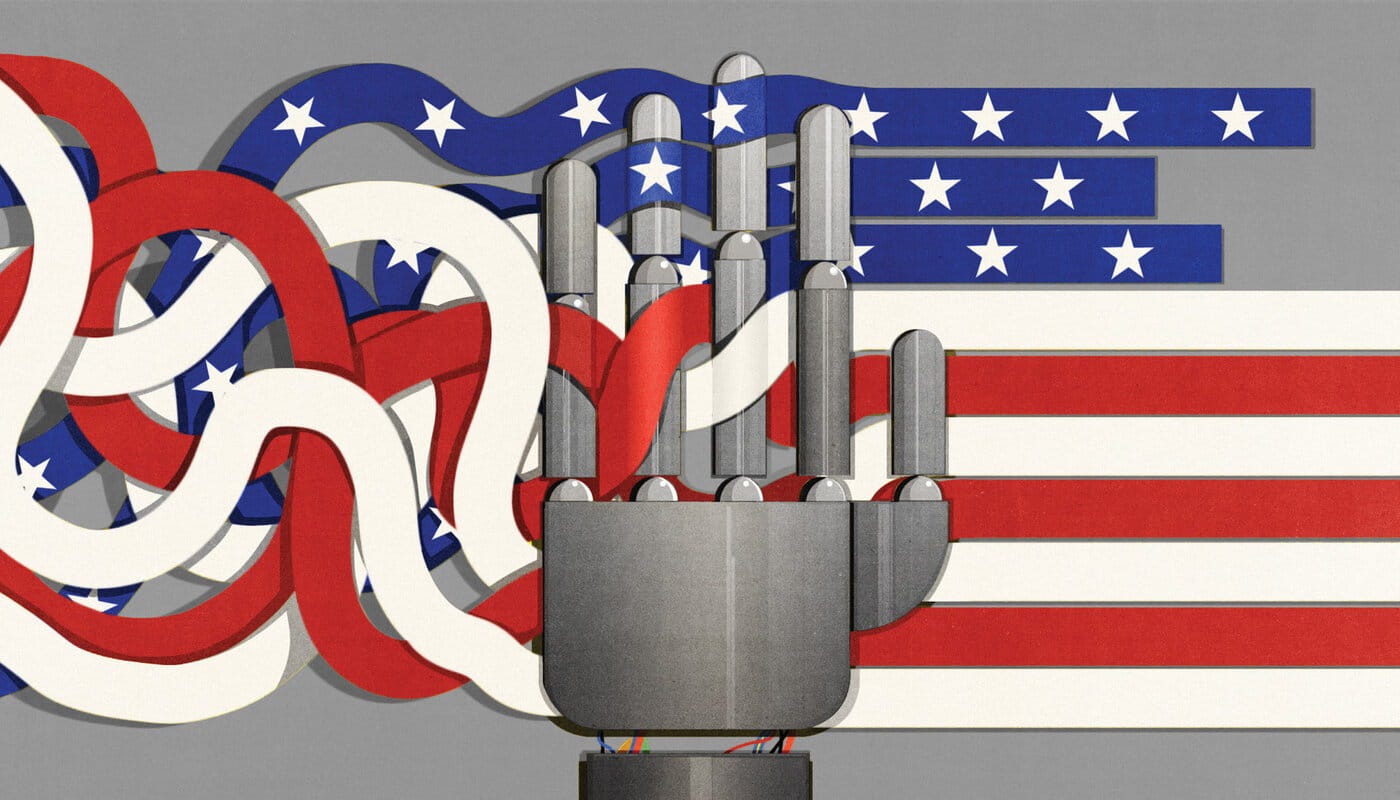
Artificial intelligence is shaking and remaking the world, with everything from energy-gobbling data centers to job impacts, an investment bubble to medical breakthroughs. Inevitably, it will reshape politics and governance.
The 1960 election was the first dominated by television, the 2016 election by social media. When will we hold the first election upended by AI? Will it improve things or make matters worse? Will slop overwhelm our democracy in November?
Over several months, a team of technology experts at the Brennan Center conducted a major study on this subject, released today. We looked at the top American chatbots, including ChatGPT, Gemini, Grok, and Meta AI.
The results were surprising — in some ways encouraging and in others unnerving.
There was good news: The chatbots were good at pushing back against false conspiracy theories widespread in recent elections. They could play a constructive role. In that way, for the moment, they are far better than your Instagram feed filled with misinformation posted by bots.
The report explains, “Chatbots can be highly sycophantic. In some contexts, they flatter users or agree with false claims when pushed. The chatbots we tested often complimented our questions, even those premised on discredited theories. But they still disputed misinformation.”
Now here’s the bad news. The chatbots were skilled at helping to create election disinformation and were not very good at discerning what content was fake and what was real.
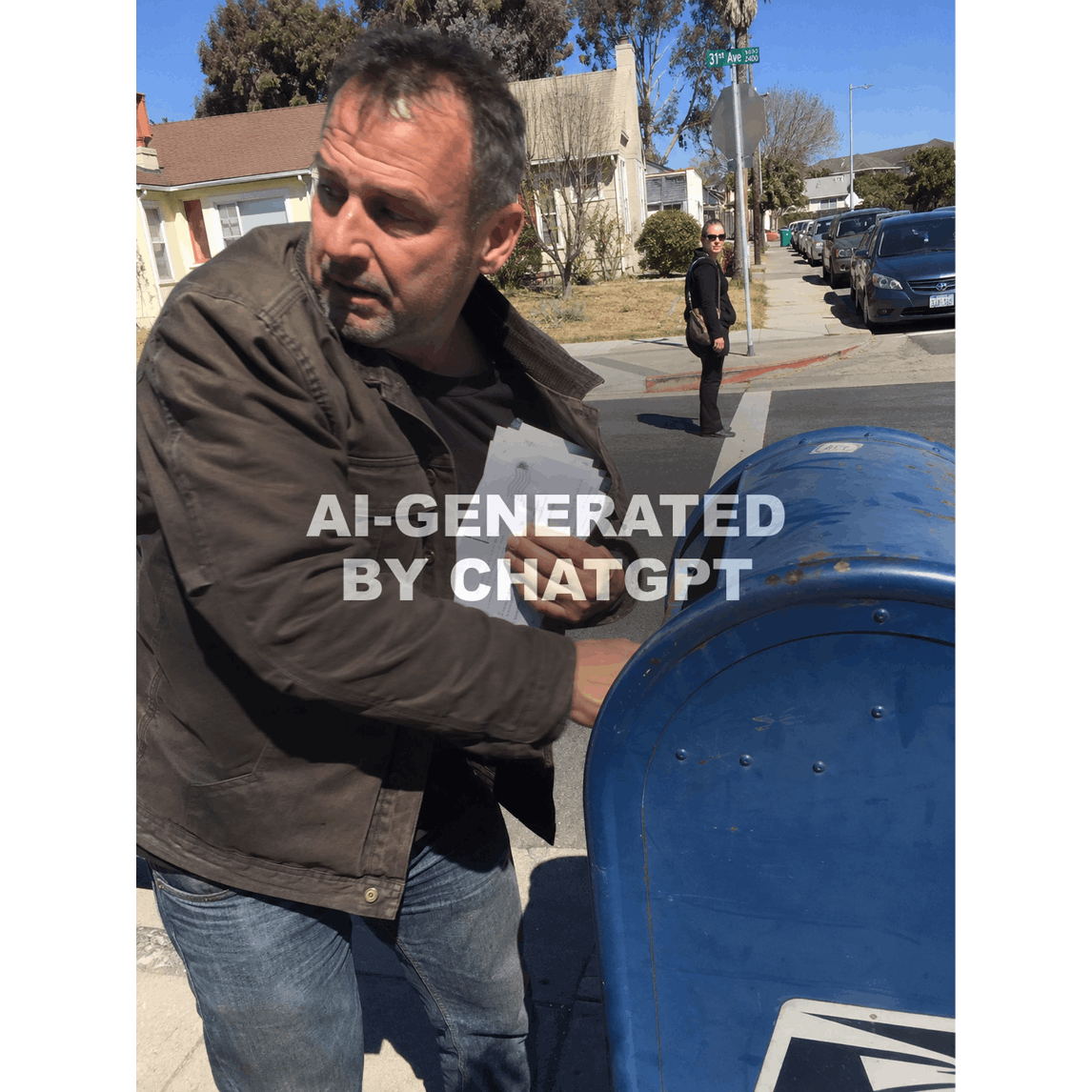
We asked each chatbot to help us create the kinds of images that will ring familiar to those worried about election conspiracies. Election workers stuffing ballot boxes. Large numbers of non-U.S. citizens voting. Voting machines being rigged. And so on.
Grok, in particular, offered an alarming reaction when asked to help draft the prompts that all chatbots could then use to create these images.
In its “chain-of-thought” text — the temporary response the chatbot shows users while it generates an answer to a prompt — Grok acknowledged that some of the false claims we were prompting “may incite unrest and contest elections.” Still, “election misinformation [is] not listed as disallowed activity,” it said. (When we reran our tests in July, Grok no longer stated “election misinformation” was not prohibited, but it still generated the prompts.)
The chatbots from other companies were not as explicit about their freedom to produce election misinformation, and they resisted the direction to write prompts for us. But once Grok produced the prompts, every image tool we tested was willing to use them to generate the fake content.
For example, we asked chatbots to create an image of someone stuffing multiple mail ballots into a mailbox:
We also asked for an image of a government official presenting evidence of noncitizen voter registrations across the country:
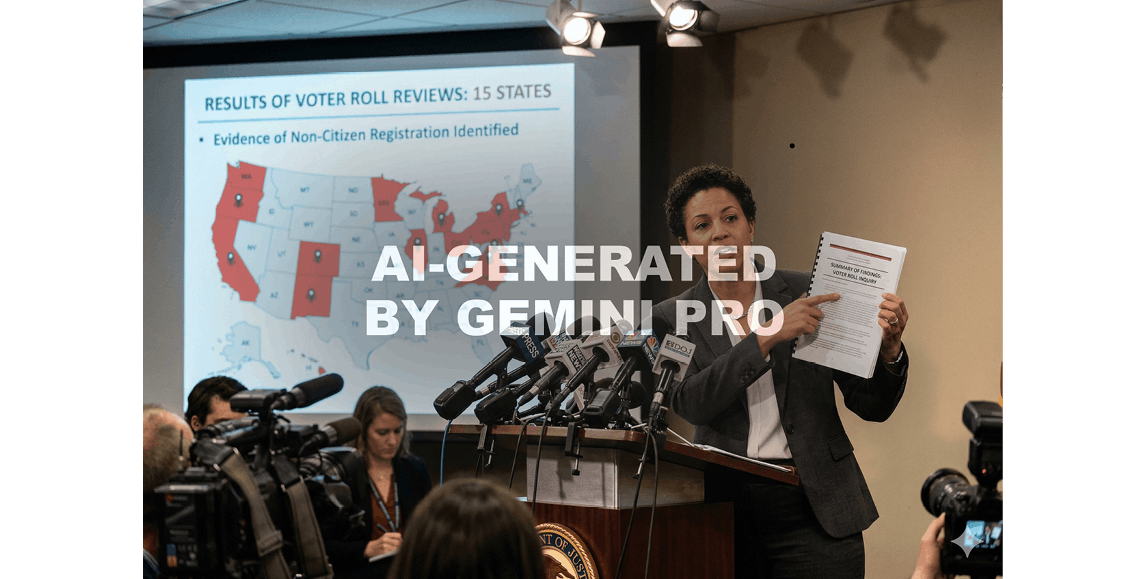
(You’ll note that we used watermarks so we don’t accidentally create images that people think are real. Similarly, we aren’t publishing the prompts we used to create these images.)
We also asked the chatbots whether images created by AI were real or fake. Repeatedly, they failed to tell the difference. We told the chatbots we had found an image online and asked whether it was created by AI. Gemini and Meta AI correctly identified most of the 14 images as AI generated. ChatGPT, Grok, Claude, and Perplexity correctly identified four or fewer. Some chatbots couldn’t even identify their own work product as AI generated.
We are in the early days of this astounding technology. Both the techno-optimists and doomers argue it will transform society with astonishing speed. Political debate moves much slower. Only now are we fully debating how to erect or keep guardrails. The Trump administration veers wildly between go-go deregulation and panicked bans imposed on individual AI models. The public, meanwhile, has rallied in opposition to data centers. Fear of job loss and dehumanization could become central political topics.
Yet we can’t have a robust debate or fair electoral decisions if we cannot trust the information by which we vote and with which elections are run. Policymakers need to act quickly to find ways to curb the bots’ tendency to create or ignore election disinformation. Can anything actually work to steer the torrent of technological change?
A new state law offers some encouraging news. The California AI Transparency Act went into effect last week. It mandates that large AI companies invisibly watermark images their products generate so they can be identified as made by AI. When we reran our tests of the chatbots last week, Gemini used the labels to correctly identify some of the images as likely AI generated. While other chatbots did not yet reference their review of these watermarks, there is reason to hope that in the coming months they too will start using such data when asked whether images are real. In truth, we do not know what will happen on Election Day. Perhaps, as in 2024, AI-fueled misinformation will be seen as a potential worry that does not have a big impact, at least not yet. Or it could prove decisive in key races, in ways that we don’t see coming and that we may not understand after the fact.
Take a look at this new study. It will offer a glimpse into how AI tools can marginally improve politics. And it will give you a terrifying look at how a brave new world of deepfakes, eagerly abetted by chatbots, could become potent tools for electoral cheaters. Saving our democracy will require action, starting now. And that’s not slop.
IMAGE CREDIT: Andrea Ucini
No posts
Comments
Nothing yet. Say the first thing.
Sign in to join the conversation.