
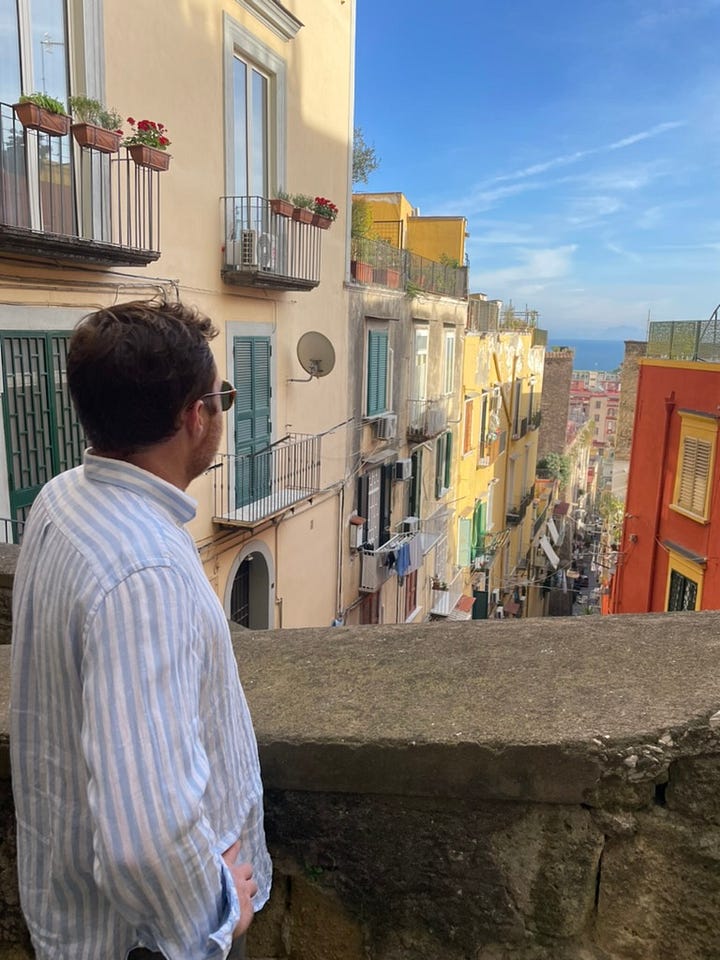
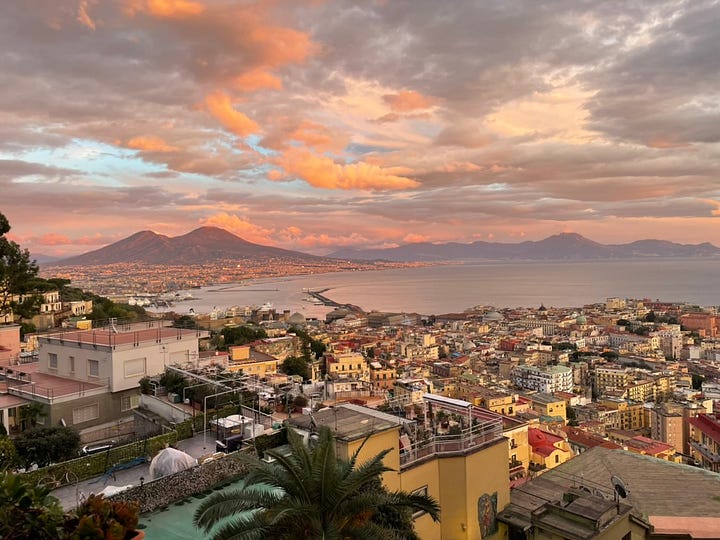
In fact, I do live here. I’ve lived here for 2.5 years, and although I’ve told many stories about my life here in Italy, I realized I haven’t been succinct about what it’s like to live here. Naples is unlike any other place I’ve ever visited, let alone lived in. I had no idea what to expect and was surprised by how difficult it was to adapt to life here.
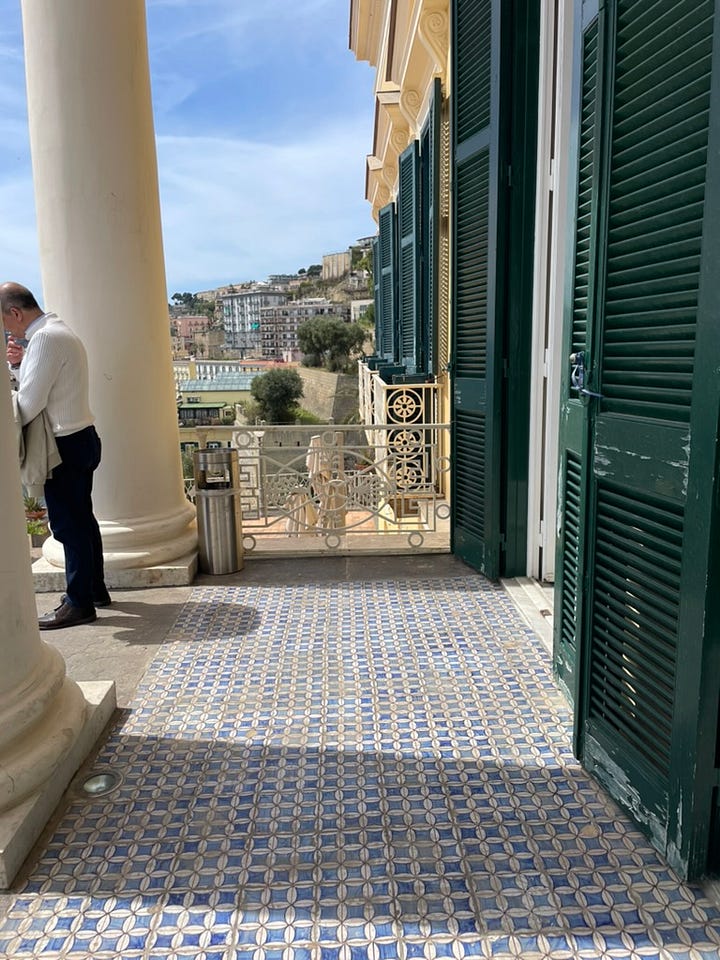
Napoli was founded in 470 B.C. and has since had a mix of rulers. I have found the “casual” Greek ruins to be extremely impressive - you will “stumble” upon an amphitheater as part of your daily commute. During the Middle Ages and through the Renaissance, Naples flourished under the Normans, and subsequently the French Angevins, and next the Spanish Empire, becoming the largest city in Europe and home of many aristocratic families. Naples became the capital of the Kingdom of Sicily, and the Royal Palace of Caserta seemingly has more marble than Carrara (and certainly Versailles).
When the unification of Italy happened in 1861, Naples was robbed of its economic power and suffered greatly during epidemics, world wars, volcanoes, and earthquakes. In the 90s, Naples was associated with economic plight and crime. Today, Naples sees booming tourism, yet not all Neapolitans are benefiting from the increase in euros circulating. Let’s take a deeper look at what it would be like to live in this chaotic city.
Coffee and a Pastry
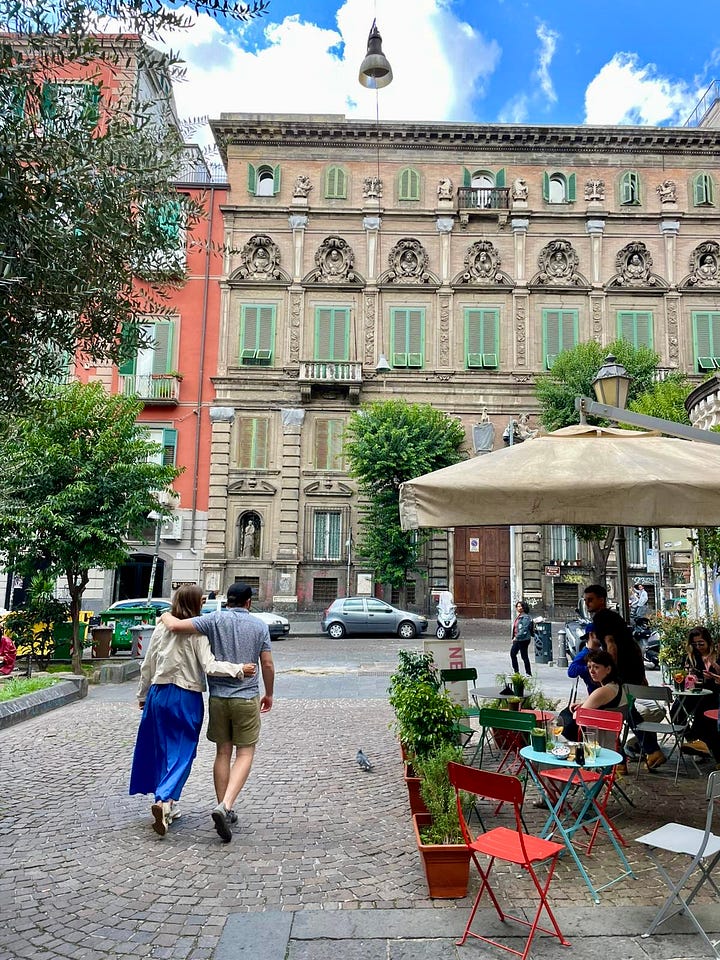
If you want to thrive in Naples, you have to understand bar (cafe) culture. Neapolitans are intensely social creatures. Life begins by greeting everyone and getting the scoop about the neighborhood: what’s going on with the construction, have you gotten your panettone yet, did you hear about the new teacher in school?
As a breakfast-lover, I am not a huge fan of the small digestive biscuits Italians eat at home or sugar-filled pastries that line the bar. That sweet hit of pistachio cream wreaks havoc on my blood sugar stabilization. I tend to go for cornetti vuoti, plain cornetti, or a small brioche bun.
Time standing at the bar lasts 10 minutes, but I observe it as essential to the rhythm of life in Italy. Italians usually go back for coffee after lunch or to take a break with a colleague throughout the workday. Meeting friends at the table for coffee is a normal and daily part of life. Kids will join their parents, they often have latte caldo (warm milk) or freshly squeezed orange juice.
Adventure
In the summer, Neapolitans have one goal in mind: to get to the ocean. It is only apparent to me how chaotic Napoli transportation is when I travel to organized places like Scandinavia, Germany, or Switzerland. The first example I’ll give is the preferred mode of transit: the moped or motorino. Due to the lack of good public transit and infrastructure, in addition to the traffic and bad parking, two wheels are the best option. Before I get into why the moped is so important, it’s important to understand the infrastructure.
If I want to go to the beach via public transit, I often cannot access certain parts of the city where there are clean and free beaches. The metropolitana, or M1 line, closes early, trains come every 16 minutes off-peak, and it is frighteningly crowded and hot. Getting where I want to go is not efficient; it mostly involves multiple switches and modes of transit from funi to metro to bus, and even different metro lines, which require different ticket types. Not to mention, certain lines, like the Circumvisuviana, are so harrowing due to the mass tourism and heat, it is impossible to use them comfortably.
There are reasons why the infrastructure for transit is poor. For example, when Napoli was building its most recent Porto stop, allowing citizens and tourists to have easier access to the ferry terminal, they found a Roman-era port with ships and 3,000 artifacts buried underneath the ground. This delayed construction for several years.
If you are wondering if it’s possible to ride a bike, think again. There are no bike lanes, and the traffic, cobblestones, potholes, hills, and Glovo delivery madmen do not instill faith that you will make it off our bike alive.
Parking is difficult and expensive. Since Napoli is a big, condensed city of 3 million people, you often need to park in a garage and leave your key with the parking attendant. Otherwise, if you park on the street, you usually need to pay someone a few euros to watch your car and make sure it isn’t gone with you get back.
Therefore, if you want to get around the city quickly and efficiently, you need a moped. Kids and families use mopeds as a mode of transit all the time. I see parents dropping off their kids at the daycare on my street with their kids perched on their laps and their backpacks tucked between mom or dad’s feet.
If you think Neapolitans are ill-educated or don’t care about their children’s safety, you are wrong. I think it says, “this works for us”. Neapolitans will always find a way to make something work, regardless of convention. This is core to the Neapolitan mindset of being flexible and creative, and some might even say furbo, or sly.
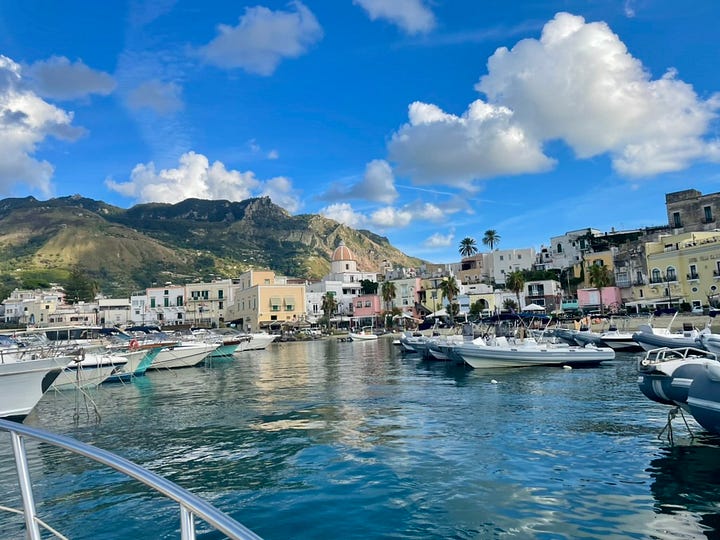
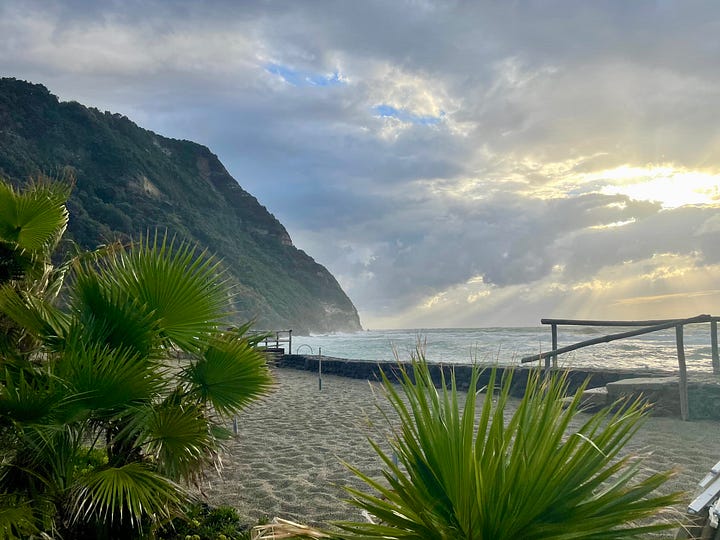
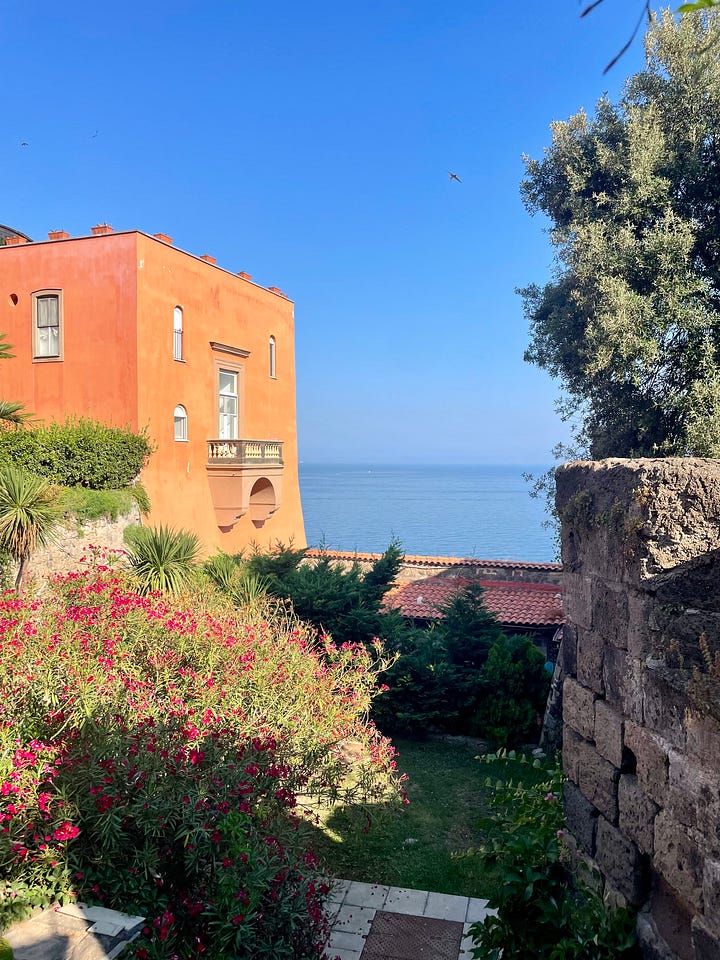
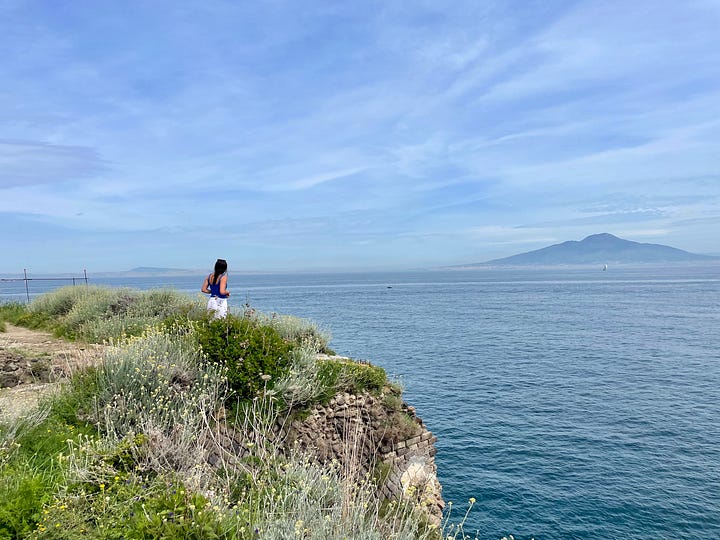
The reward for navigating the transit, parking, and dodging the mopeds is access to the most gorgeous beaches in the world. Living here has shown me that there are so many pre-conceived notions about being “efficient”. Neapolitans have a very high quality of life without the modern conveniences that supposedly make our lives easier. If the outcome is good quality, why do we worry or judge so much about how it gets done?
Culture
Neapolitan culture is all about tradition. They take their food seriously and have excelled at it for thousands of years due to the lush climate. Naples is home to San Marzano tomatoes, fior di latte cheese, and the world’s juiciest buffaloes (hello mozzarella). I recently saw an NYC food blogger complain that the Amalfi coast and Ischia are “not known for the food”. I had to laugh at that one. She obviously hadn’t tasted the pizza made from 48-hour fresh yeast (never dried) and Caputo flour, which reduces the gluten content and gives you a heavenly, light crust. Or maybe she hadn’t had a real spaghetti alla vongole, made without any butter or cream, but so rich from the clam broth, your taste buds do a flip. She probably didn’t make time to visit the frutti vendolo and purchase the fresh, flavorful produce conveniently available on every corner. Nourishing yourself with good food is one of the greatest pleasures in life, and Neapolitans display this value on a daily basis.
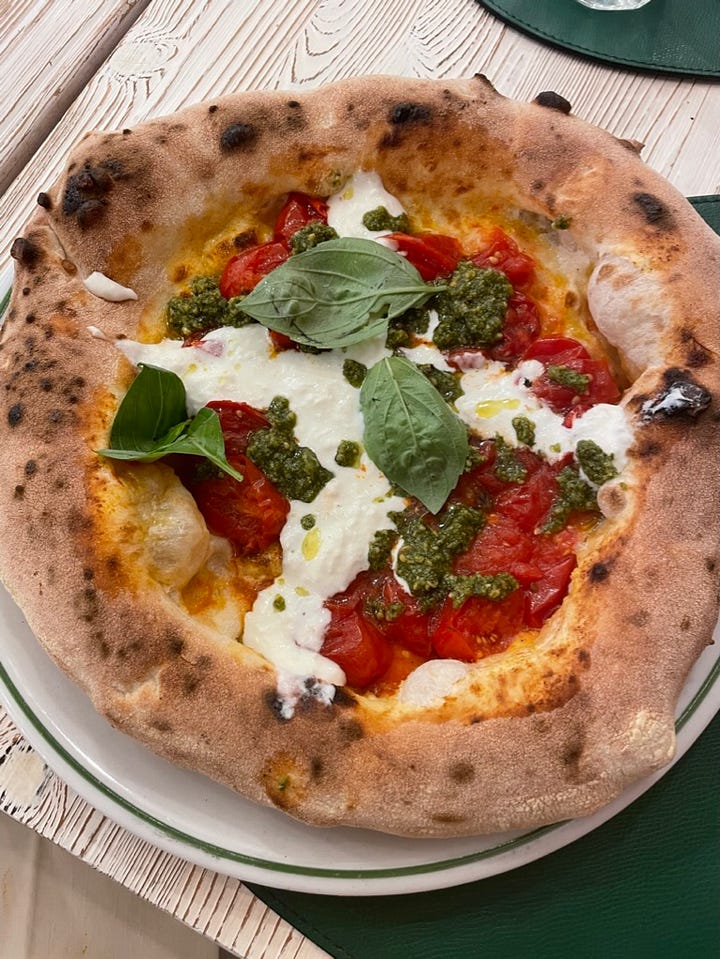
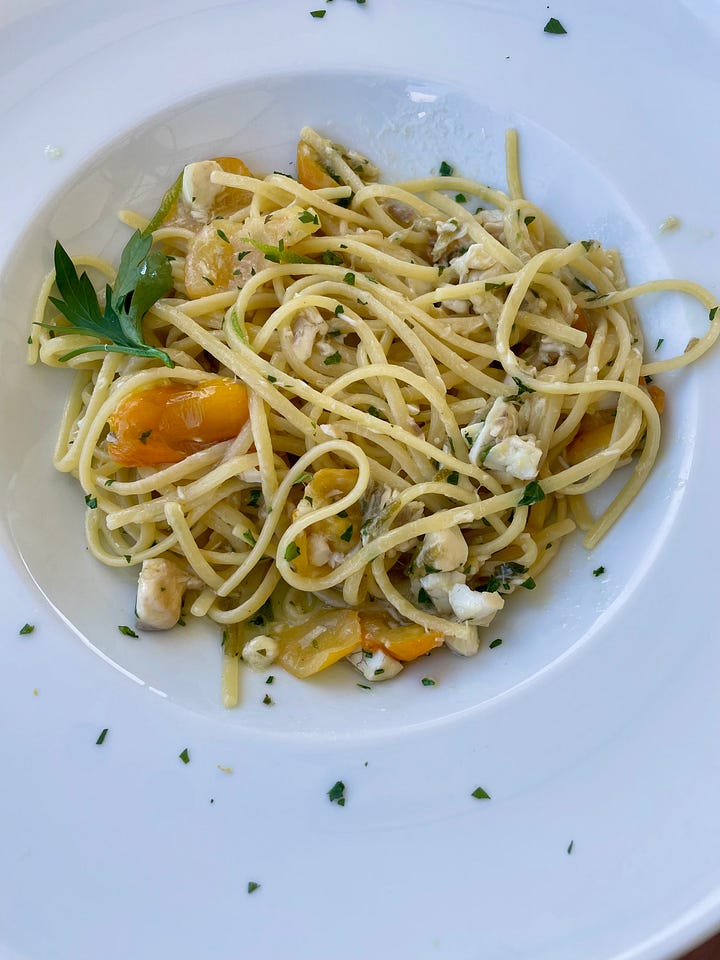
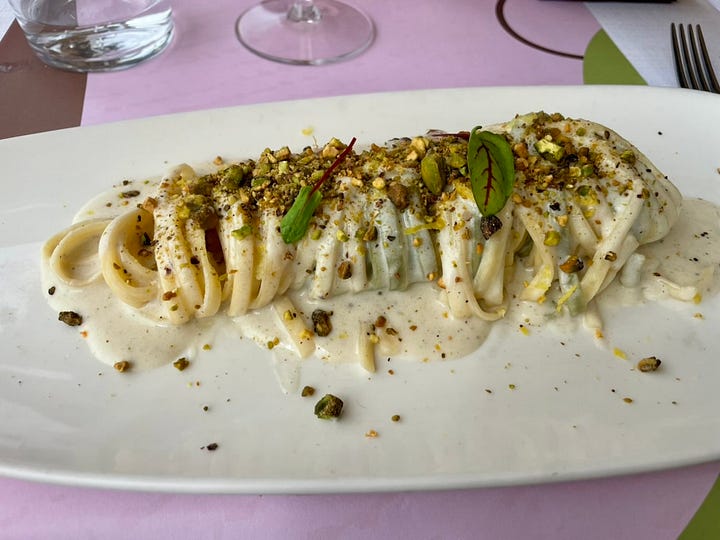
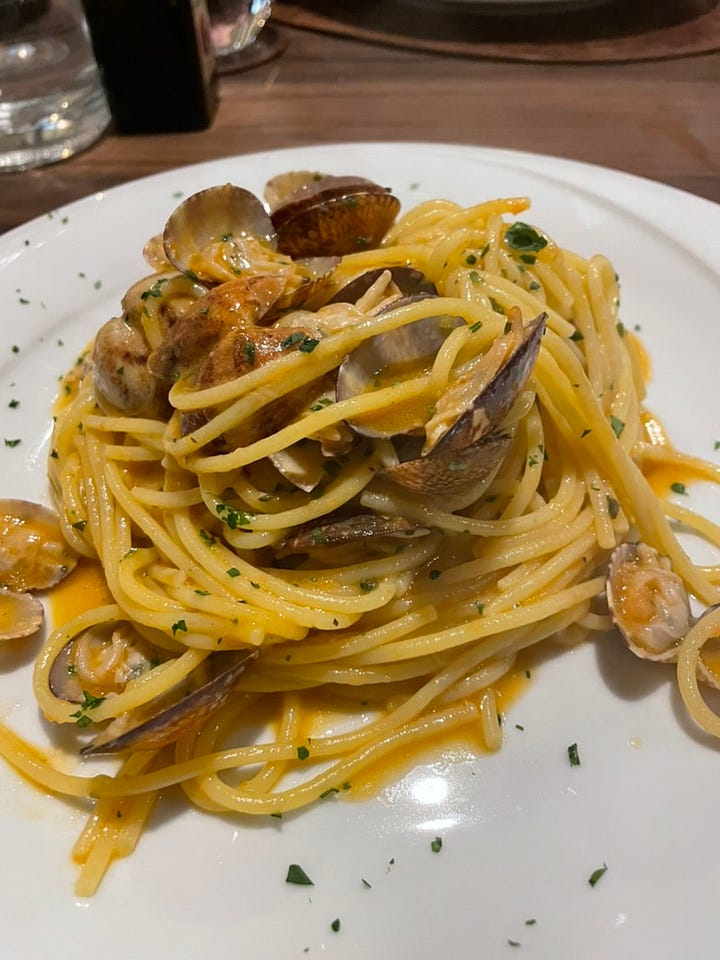
Tradition also goes beyond food. Neapolitans are very superstitious (scaramantico) and abide by certain codes of behavior. They dress for the calendar, not the weather. Children are not only welcomed in any public place, but they are also celebrated. A waiter will always have room for your stroller or high chair and will play with your baby if they are fussy. Someone will always give you your seat on the metro, and at the airport, families have separate lines. Neapolitans respect their elders. You often see grandchildren taking walks with their grandparents or helping them do their shopping. They have long, festive Christmas seasons and celebratory Easter holidays.
I am very lucky to have spent the last two years here learning more about what aspects of Neapolitan culture I would like to adapt in my own life. The importance of spending time with family, the need to socialize, and prioritizing high-quality food are at the top of my list.

Would you or could you live in Naples? More about what life is like here:
How Italy has changed me from a feline hater to a dog mom wannabe 🐶
As I’ve written about before, overtourism is changing Naples, and even investors from outside of Naples are capitalizing on real estate. I sincerely wish that more money went into making the lives of citizens easier, through infrastructure projects and housing solutions.
Some more Neapolitan content I love:
I saw this book in Scotland, and it looks so great. Also, the authors call themselves pizza pilgrims? So cool.
I love reading Gabriela R. Proietti’s posts, and this one about leather and gloves in Naples is wonderful.
You can buy my guide to Napoli on MindTrip.
No posts
Comments
Nothing yet. Say the first thing.
Sign in to join the conversation.