
I was recently listening to a podcast, and reading the comments on it, I was struck by something that I feel is worthy of discussion.
There has been a popular trend toward the intimate photograph in nature photography. Just looking at my feed on Instagram, I see a lot of intimate and abstract posts. I do also see grand landscapes, and wildlife photography, too, yet there appears to be an interest in the intimate landscape area of nature. Why would that be?
Before I try to answer this, I want to say here that I have been creating intimate landscapes for over 30 years, and continue to do so. My work is not due to a trend. It’s part of how I see and react to nature, and I also react to the grand scene if conditions are really good.
One of the people commenting on the podcast asked why a smaller extraction of a landscape was thought of as inherently more creative than the bigger landscape by the participants in this podcast. At least that is what they interpreted, when listening to the podcast; they were feeling that the emphasis on the smaller scene came across as rather elitist, even though they loved this photographer’s work. The asked ‘what makes the image of ____ any more YOU than another photo you shared?’
In the discussion, the photographer spoke of having done grand landscapes, only to finally figure out that this wasn’t where his/her passion lay. In a desire to create images that were ‘uniquely theirs’, they found themselves turning to intimate landscapes, a place where they felt they could express their visual voice.
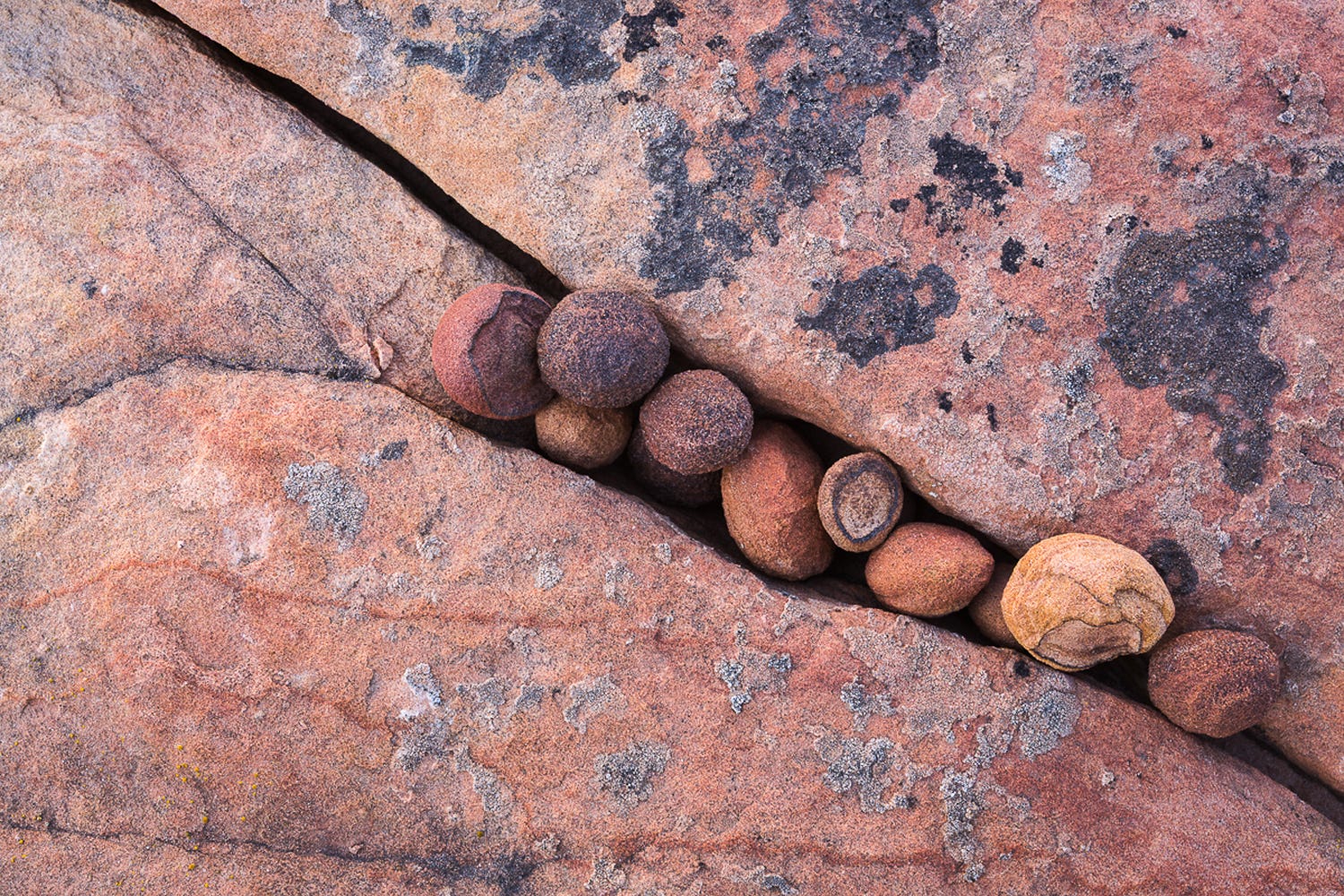
I think the photographer’s reasons for why they turned to more intimate scenes have a lot to do with why we are seeing more or this type of photography. So much of the grand landscape has been done/copied/shared that perhaps some photographers are trying to find a niche where their visual voice might be more noticed.
I have recently given several presentations on ‘The Intimate Landscape’. In those I talk about what an intimate landscape is, and how visual design can be strong in those smaller scenes. I also give tips on how to see the potential in the smaller scene, and admittedly have said it’s an area where you can potentially create a unique image, one that hasn’t been done before.
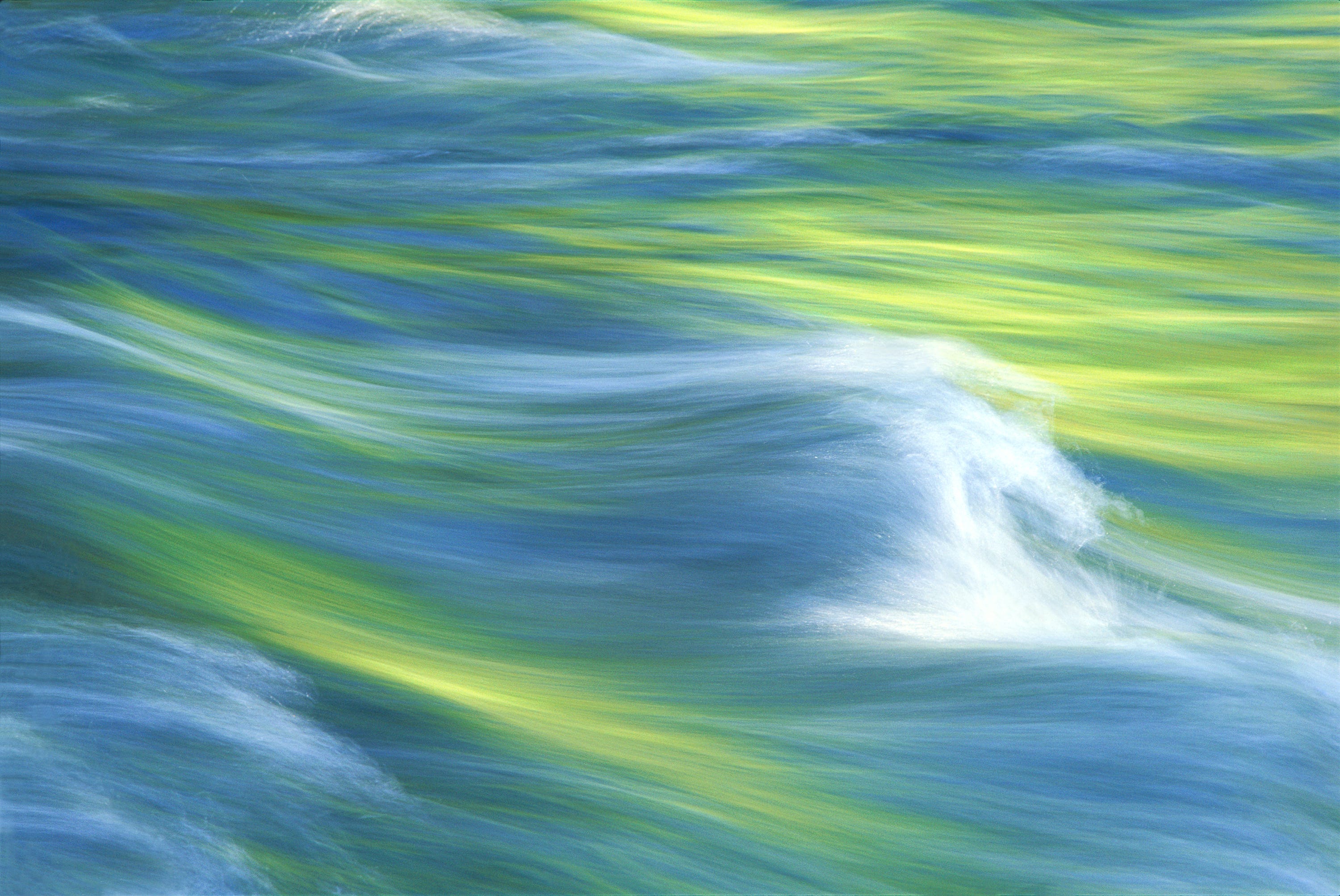
I truly believe this. The image above was created in the early 90’s when I was still using film. I could see in my mind’s eye what might happen, and I spent an entire 36 exposure roll on trying to capture what I was imagining. I didn’t know what I had until I got the film processed. It was unique. Not many were doing slow shutters on water like this, that I knew. It took a vision in my mind to create it.
Some of my best selling and favorite photographs like this are unique scenes of nature that are definitely more ‘intimate.’ Or they were unique at the time, until it inspired someone else to look for similar subjects/compositions! We can’t control that, though.
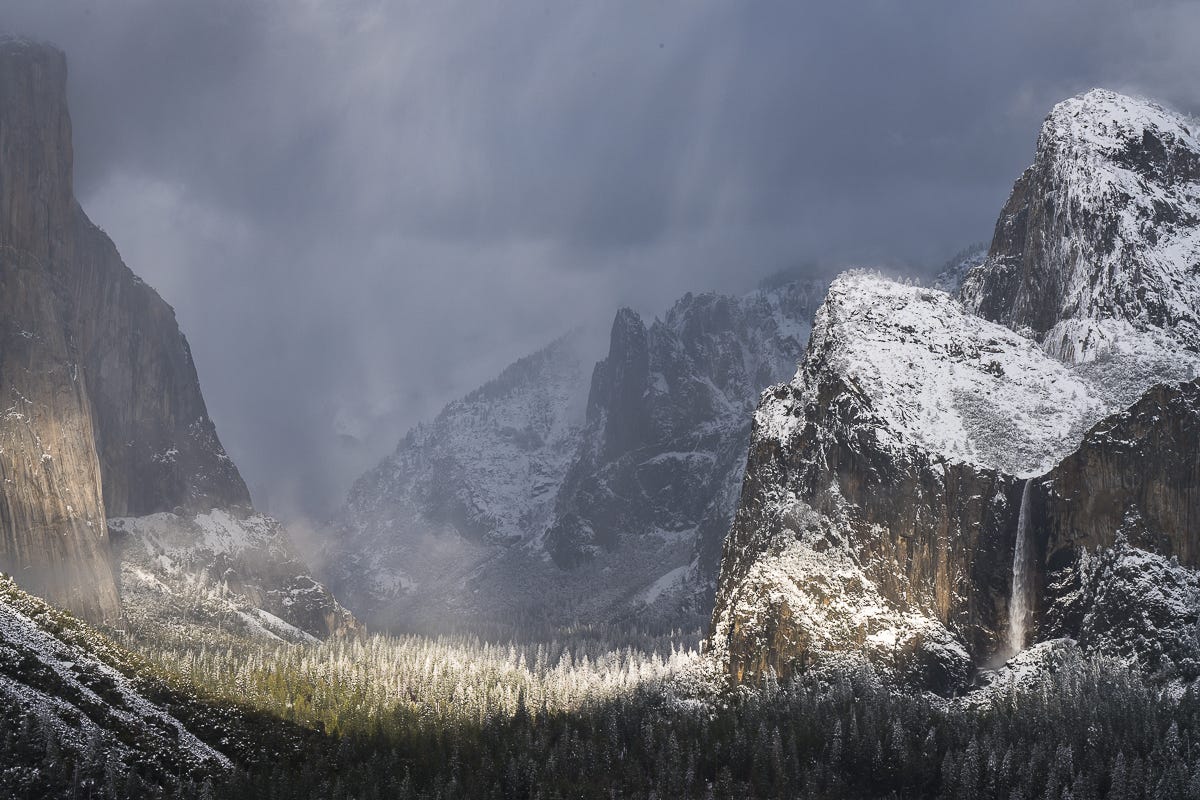
Another reason why some have turned to the intermediate or intimate scene is that there is only so much variation one can make or get with a grand landscape. The light has to be just right, the elements have all be right, and sometimes, even then, it looks like just another photo from Tunnel View in Yosemite, for example. Unless we hit it at the perfect light/time/weather, there is no getting around the point that our Tunnel View photograph is going to look very similar to others. Sometimes it’s like a reunion, with so many of us that know each other standing there, photographing!
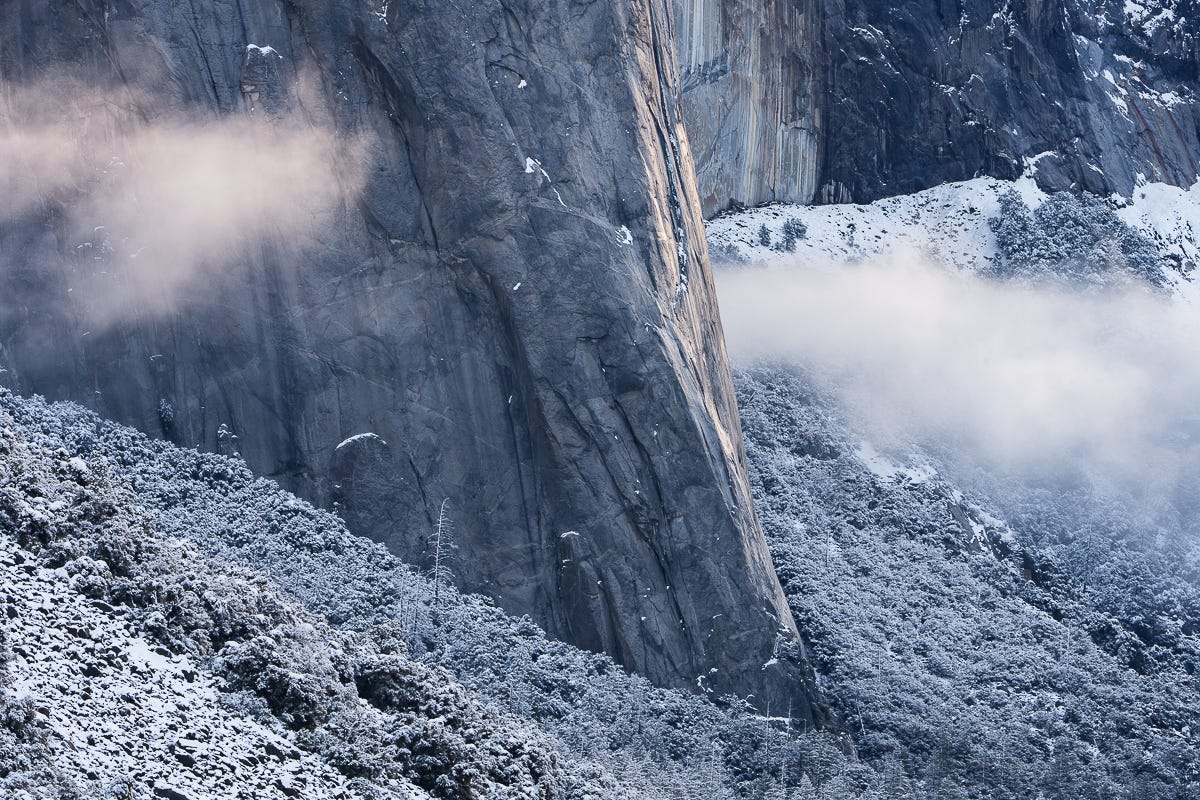
Yet there we are, bearing witness to the grandeur, with the hope that conditions might gift us unique moments of light, storm clouds, rainbows, etc. And, while there, many of us look beyond the grand scene to more extracted scenes, like the one below. Franka Gabler, Michael Frye, William Neill, and several others living nearby Yosemite visit Tunnel View regularly for this reason, as do, I when I visit the park.
If the podcast listener really thought about it, any trend, grand or intimate, will run its course through social media. They must look beyond that, and realize that the photographer was talking about it from his/her point of view. This listener went on to comment that there were now ‘so many people doing intimate landscapes’ that they wondered what would happen when that style became oversaturated?
I believe this person was simply responding to what they perceive as a glut of intimate scenes showing up on social media. One could say that about the abstract aerials that have overwhelmed us too. (And I do love them!)
Trends be damned! I think that intimate landscapes, and grand landscapes will never become oversaturated. Each artist builds a body of work based on his/her passion and unique vision. That’s what counts, and there is the desire for both in the fine art print world.
Still, it is rather interesting how intimate landscapes have become more popular, and I think there is a reason for that.
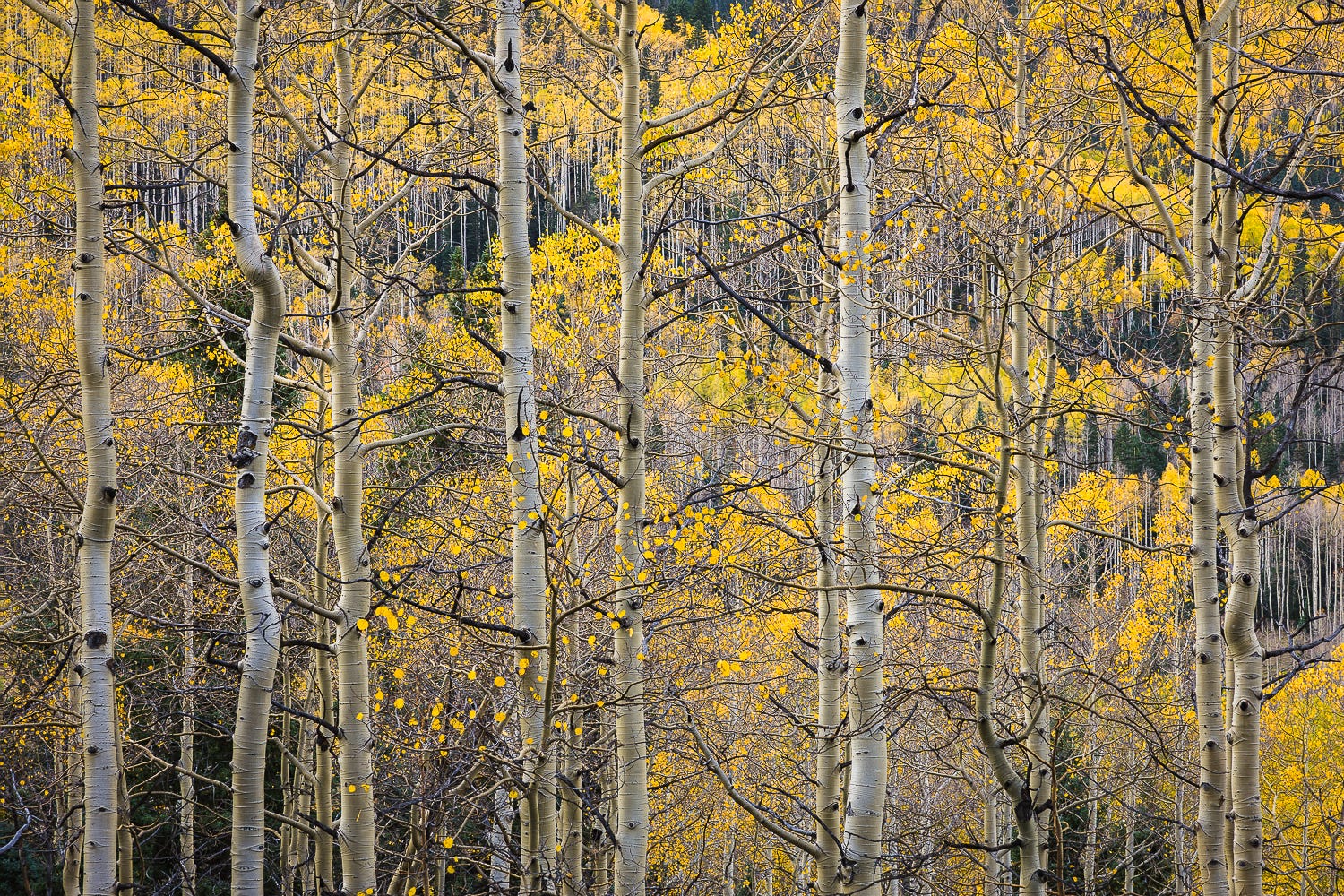
“Landscape photography is the supreme test of the photographer – and often the supreme disappointment.” – Ansel Adams
No truer words by Ansel! With intimate scenes, you are not dependent on the light being ‘over the top’ dramatic; you are not dependent on the perfect peak of autumn. Soft, diffused light will provide you with the perfect conditions for many intimate subjects. And rather than the entire hillside ablaze with autumn’s hues, all you need is a small section of the woods to express that. That makes it somewhat easier for people to find and create intimate nature scenes over the grand scene. (Not that any of it is easy, mind you! It still takes a marriage of vision and craft to make a great image)
I also think it could have to do with the inherent rise in costs over the recent years. Many can’t justify trips right now to far flung destinations, or even relatively near ones, for that grand landscape photograph. Yet they can afford a trip to a regional park or locations nearer that can provide them with photo opportunities. Driven by the desire to create art, we’ve adjusted our sights, perhaps.
Grand or intimate, they have both been around for a very long time.
Eliot Porter was creating intimate landscapes many years ago, and his work inspired a long list of photographers.
Just look at the life’s work of Christopher Burkett. Much of it is an intimate approach to nature. Or look at William Neill’s photographs: he a wonderful mix of the grand and the intimate landscape, all of them equal in creative expression. I too photograph both the grand and the intimate scene(s). I don’t believe that any of us think that one approach is more creative than the other, by any means. We’d all agree that it’s how we see and compose the scene that makes it ‘more creative’.
It hasn’t run its course yet and it’s certainly not a ‘trend.’
Take a look at the grand landscapes of Kurt Budliger. He is just one of a long list of photographers who use their wide angle lenses so well, to create grand landscapes, that just also happen to have great light in them! Landscape photography is certainly not underrated by any social trends.
Both have become oversaturated on social media, because there are just so many of us posting photographs! That the podcasts have trended towards one or the other, I would argue no.
Back to this idea of whether one style over the other is inherently more creative.
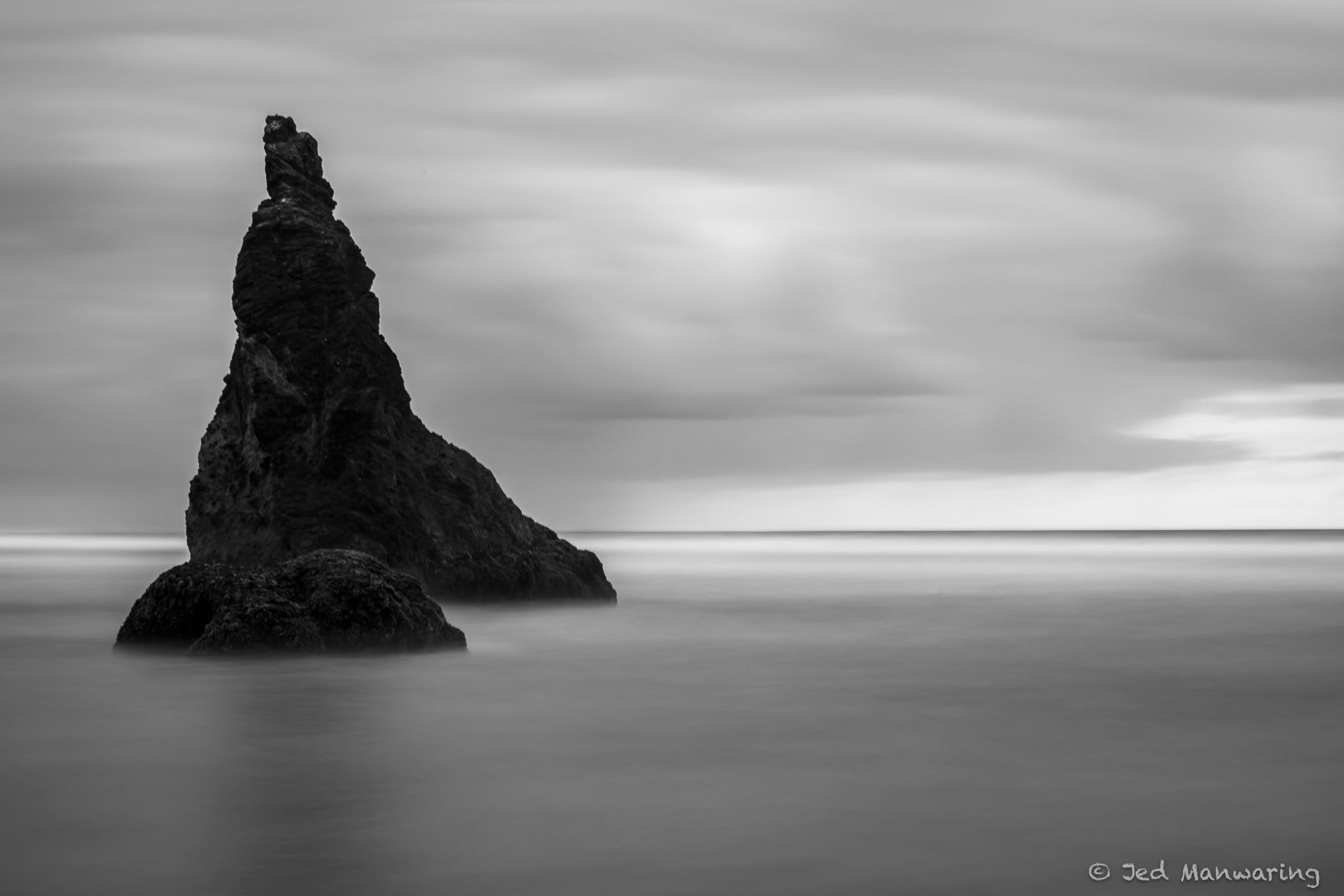
In the image below, of a very common sea stack known as the Wizard’s Hat on Bandon Beach, Oregon, my partner Jed Manwaring put his own ‘spin’ on it. He chose a position that was less about it being the iconic hat shape, and more about it in relationship to the rock in front of it and the water expanse around it. The 30 second exposure he made softened the clouds and the water beautifully and made the water look like liquid pewter. I’m sure there are some out there that are similar but after 5 pages of a google search, I stopped looking. The point being of course that it was his imagined vision of a grand landscape he could create out of the situation.
Visual Journeys: Becoming a Better Photographer is a reader-supported publication. To receive new posts and support my work, consider becoming a free or paid subscriber.
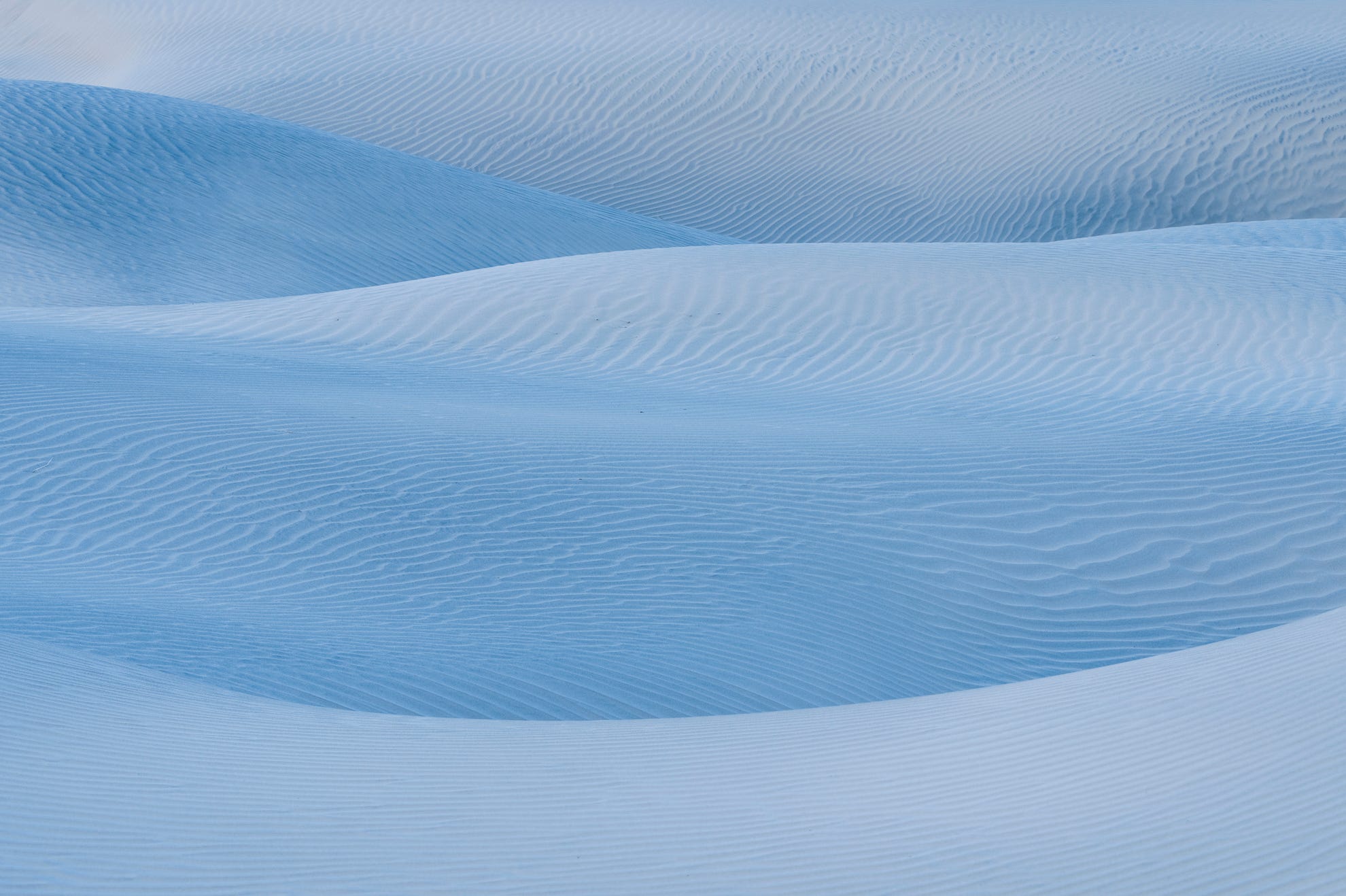
The image below was my reaction to being on the sand dunes as dusk settled upon us. It’s an intimate look at both the soft forms and patterns, and the soothing color of the light.
Is this intimate scene any more creative than Jed’s landscape above? I think not. Grand or intimate, it’s just us seeing in our own ways…
It’s amazing how a podcast and the comments on it can trigger deep thoughts. I think because I live in the intimate landscape world a bit more than the commenter, I was struck by his perspective.
I think if we could do a poll, we’d find an equal amount of grand landscape photographers as we would intimate landscape photographers.
Respect for all, I say!
Thanks for being here, and enjoy your weekend!

Comments
Nothing yet. Say the first thing.
Sign in to join the conversation.