
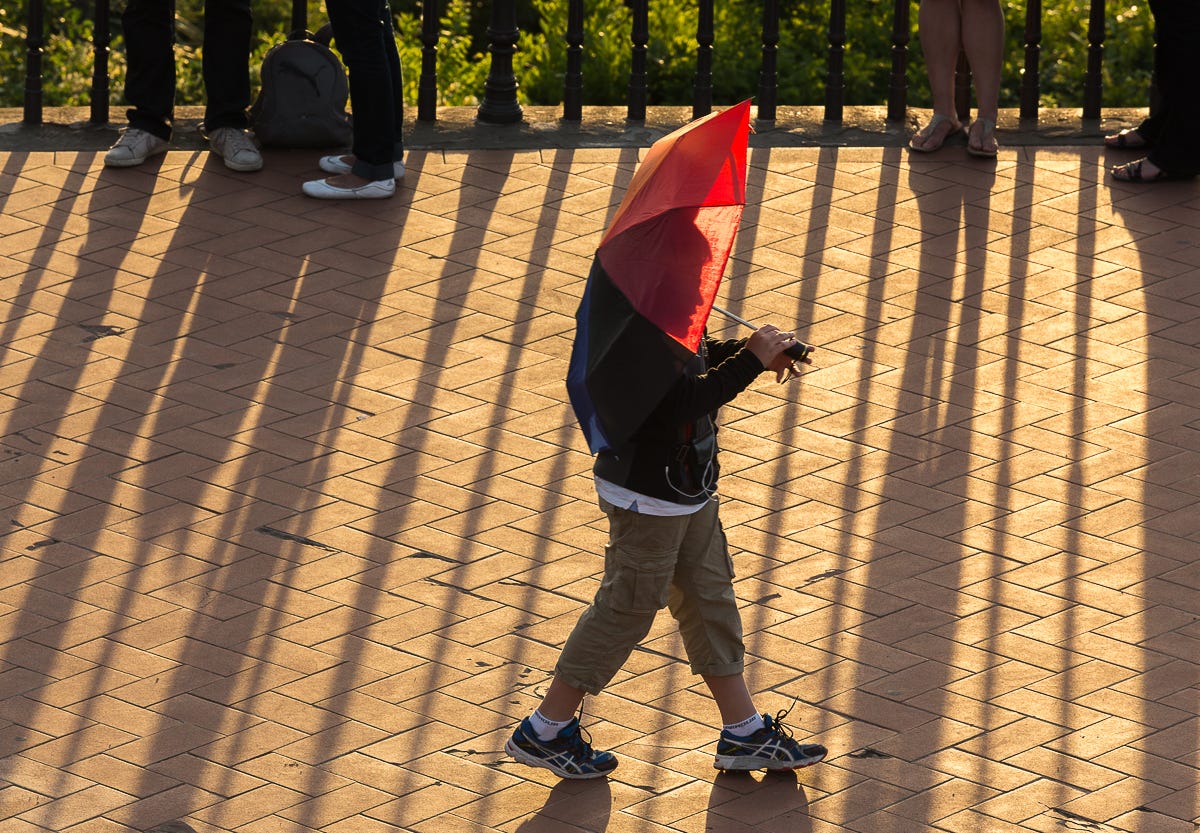
You may have heard the phrase “f/8 and be there.” It is widely accredited to the photographer known as Weegee (Arthur Fellig), and it was readily adopted by street photographers and photojournalists alike. Even nature, travel and wildlife photographers have quipped this frequently. Why? What does it really mean?
Stay to the end - this isn’t just about street/travel photography - it relates to nature, too!
Weegee was a crime and street photographer, and his thought was that it was more important to be in the right place at the right time, and that technical perfection was almost secondary to getting the moment on film. However, there was a little secret to that! In order to get his subject sharp, he would have focused somewhere around 10 feet, and the fact that he was likely using fixed focal length lenses that were in the 35mm range, he could almost be guaranteed a sharp subject just by pointing and clicking if that subject was between 7 feet to say 25 feet. (On a 35mm lens, if you set your camera to f/8, and pre-focus to about 10 feet, everything from about 6 feet to 24 feet will be sharp.)
Since most photojournalists and street photographers were working ‘in close’, meaning their subject wasn’t 20 or more feet away, this pre-focusing of the lens and using f/8 worked well. Henry Cartier Bresson, and other photo journalists used this technique in order to be ready quickly when something happened. By not having to re-focus, valuable time wasn’t lost.
Walking around steamy, hot Bangkok in April during the Songkran, aka the water festival, I had to be quick to get moments like this. Presetting the aperture and focus point helped with that, as in the moment, how do you decide which person you will auto focus on? The depth of field got them all. It also meant I could get the shot and get out of the way of stray water heading my way!
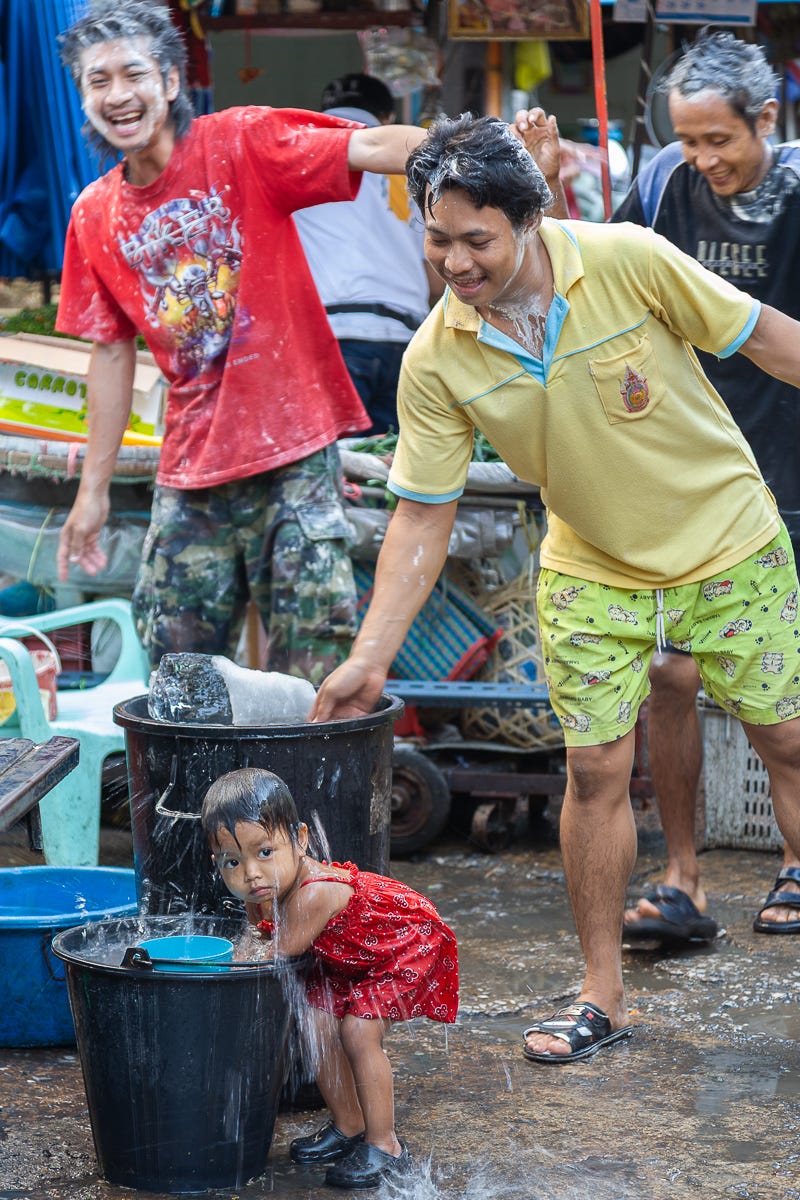
These days, with auto-focus being so quick, you might think that you don’t need it, and very often it works out fine, but I still like to work this way, with f/8 or f/9 and a focus about 10 feet, so I can point the camera and simply click the shutter. It takes some getting used to, working this way, as things may not look sharp through the lens when you are making the photo, but you learn to trust after a bit.
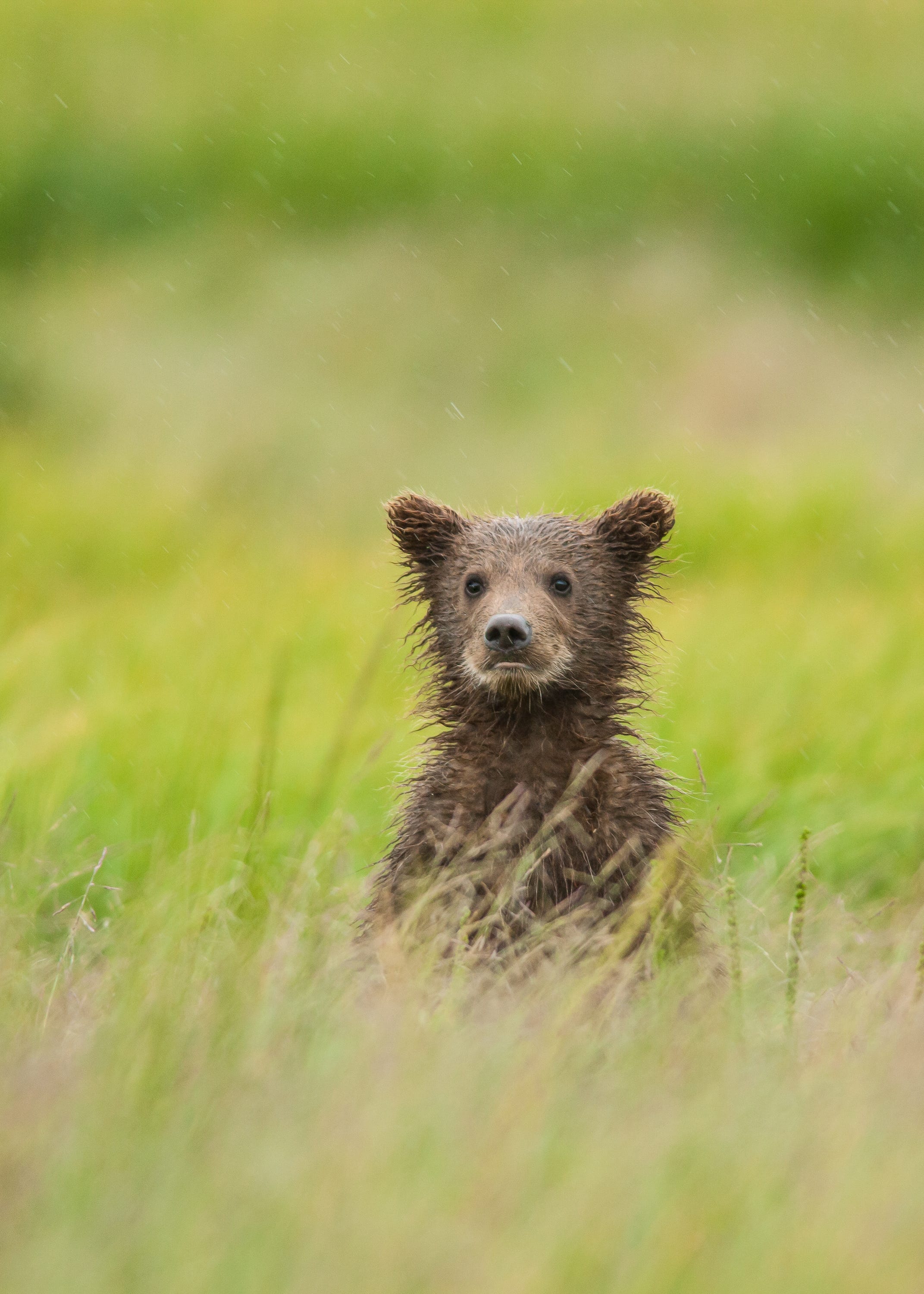
Can this be applied to wildlife photography? Not entirely, however when I was going out to photograph brown (grizzly) bears in Alaska, I would set my aperture to f11 and my shutter speed to something like 1600 - 2000 sec (and auto-ISO) in order to be more prepared for a moment that might come up. Using telephoto lenses, f/8 or f/11 still gives you a nice background, depending on the distance to the subject and background, etc. It would allow me an ‘insurance’ photo in case the animal moved off quickly, or flew off! If I then had time, I’d make adjustments and work the scene.
This young cub surprised us when it suddenly appeared because it stood up in the taller grasses! With the camera set of f/11 and high shutter speed, all I had to do was focus and click the shutter.
That’s the technical part of this phrase. What about the ‘being there’ part?
In my opinion, it means two things:
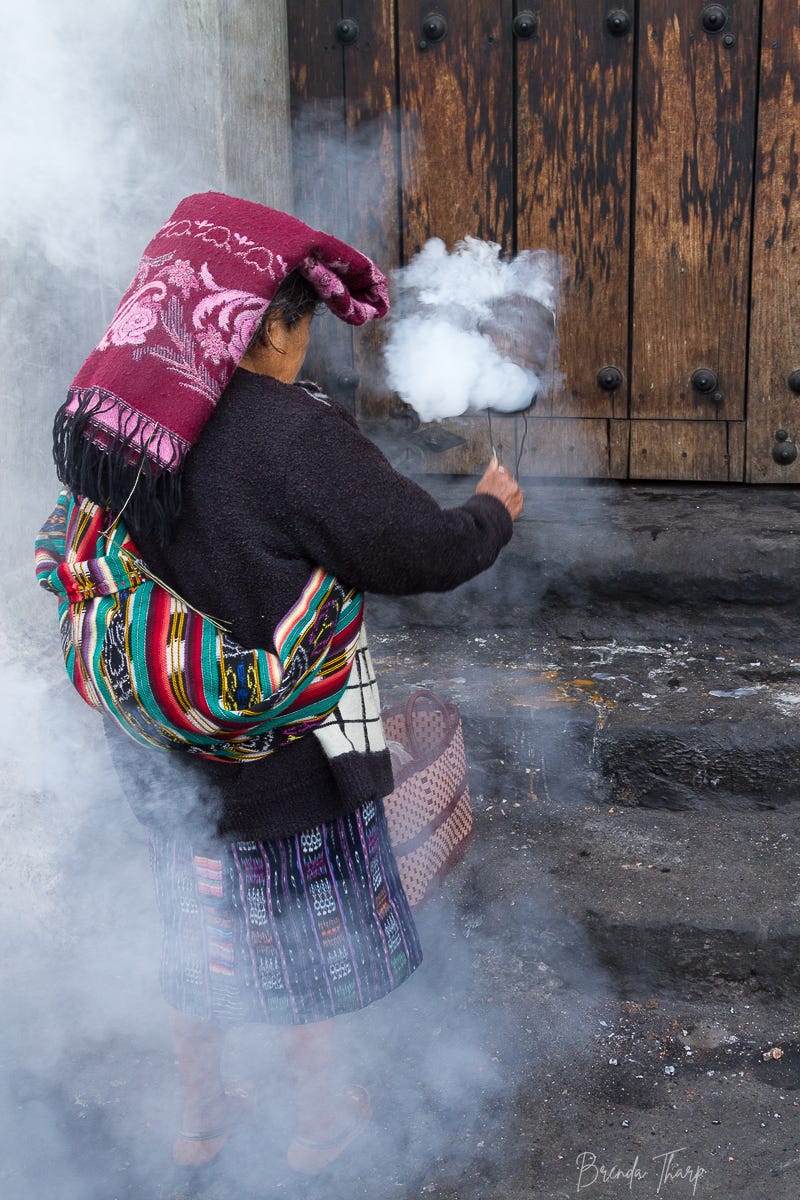
Doing your research and planning to be in the right spot for some event, like a parade, a concert, or a religious festival. I knew the residents of this town would be coming into the church, and that many Guatemalans in the highlands held on to their traditional beliefs. All I had to do was find the church, position myself, and wait for someone to go through the ritual outside before entering the church.
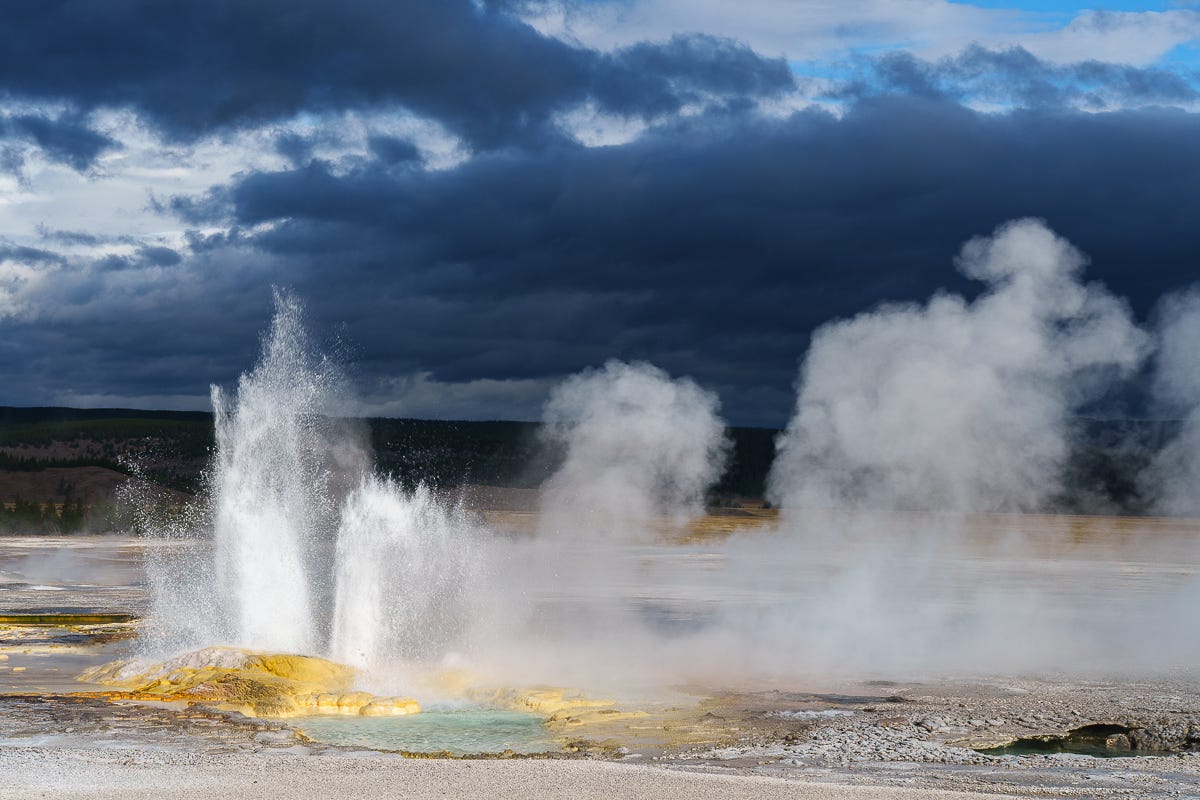
In landscape photography, you can also prepare ahead for a photo. I was exploring the midway geyser basin in Yellowstone during a very stormy situation. I knew that if I could put the dark clouds behind the geysers, there was a chance that they might spout off while the sun was shining at the same time. It worked, but it took several tries due to the sun going in and out of clouds.
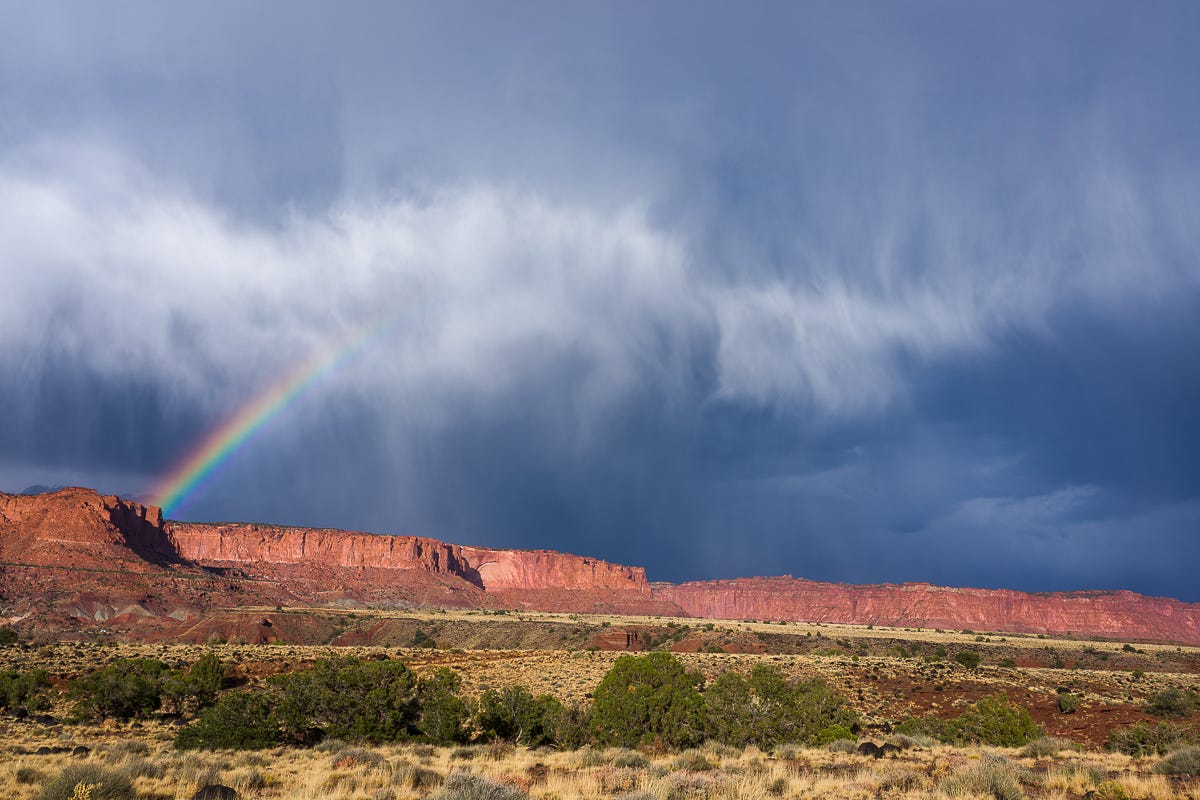
Likewise, knowing that the sun might break through clouds and illuminate the red cliffs, I was set up and ready - only I hadn’t counted on a rainbow to show, too. That was the reward for preparing and waiting for the light.
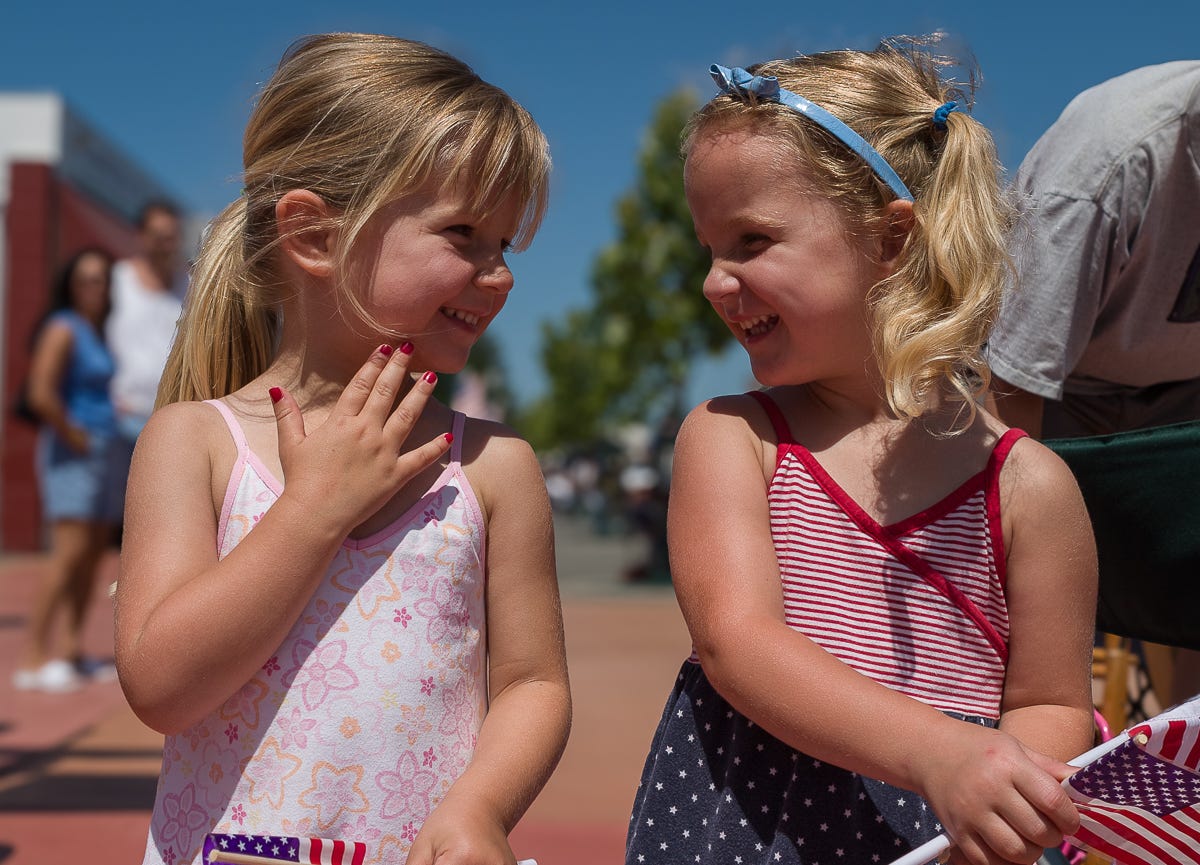
‘Being there’ also means being totally aware of the potential that surrounds an event, paying attention to the ‘fringes’ of that event where fun things can happen - like this adorable image of two young friends at a 4th of July parade.
It means being physically present and immersed in the moment, with your senses tuned, and that works for wildlife photography, too!
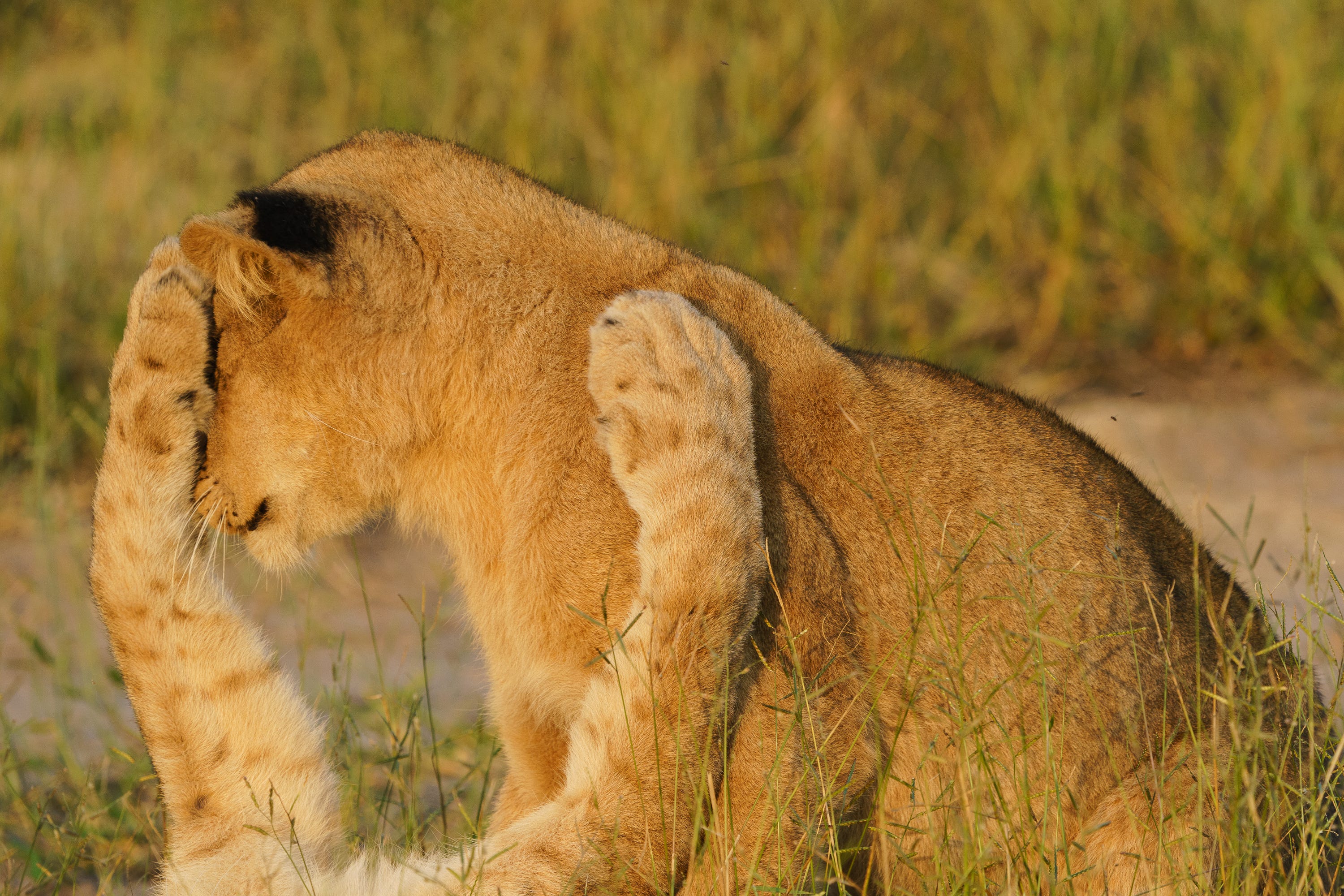
I was in love with this pride of lions with cubs. There was so much potential for good photographs, and when you have that, ‘the right place and the right time’, you stay put and focus your attention and be ready for what might happen. I know that young lion cubs are spontaneously playful. You just never know when one will pounce on a sibling, but it was worth the wait! I love how you can’t see the one cub, only its paws reaching up to entice the other into playing.
The next time you hear (or use) the phrase “F/8 and be there”, hopefully it will remind you of the need to be both prepared and present.
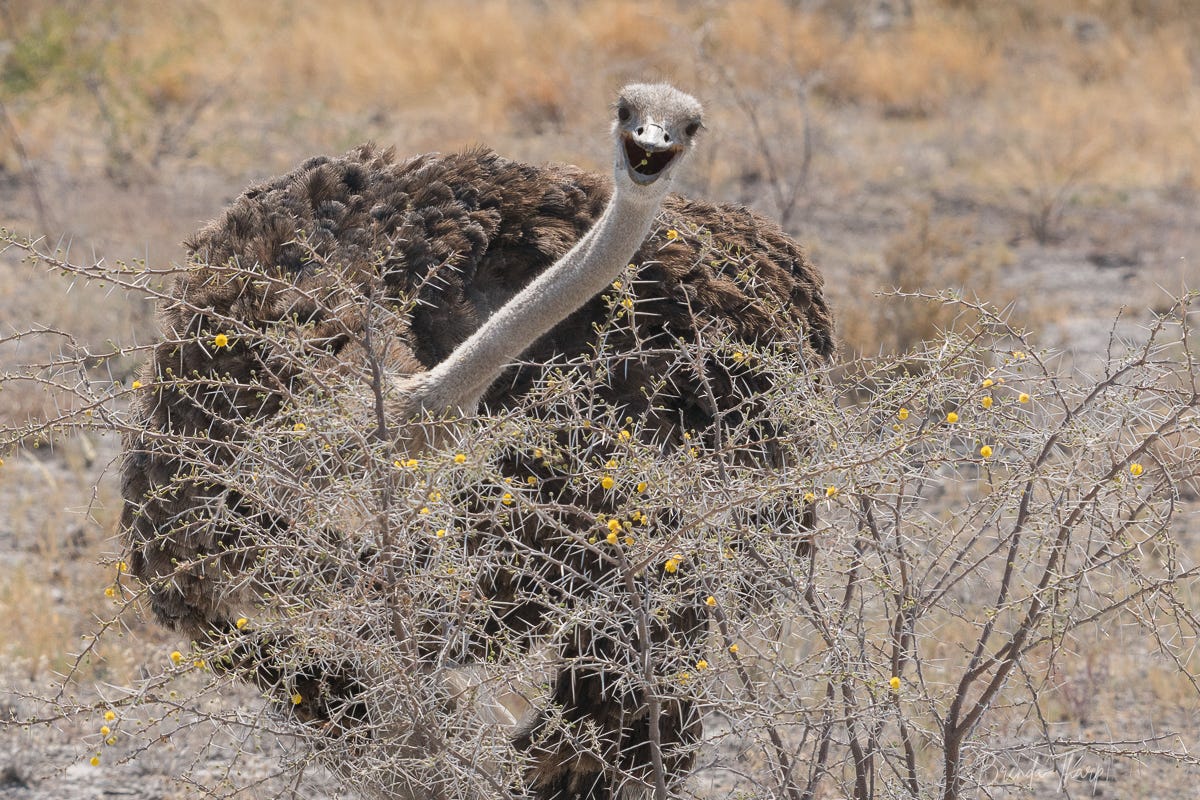
Have a great week and ‘be there’ when you can, making photographs!
Beinginto the right mindset - immersing yourself in the event, the moment. It means putting yourself in front of authentic moments and paying attention.
No posts
Comments
Nothing yet. Say the first thing.
Sign in to join the conversation.