
🏭 Breaking the Bottleneck is a weekly newsletter and interview series covering manufacturing technology and physical AI. Want to chat? Reach out at aditya@machinafactory.org or connect with me on LinkedIn.
This newsletter is brought to you with support from our featured partners: AMT, IMTS, Jiga, Upkeep, and Industry 4.0 Club.

“A typical SME only has the experience they've personally lived through. Albus can synthesize across thousands of practitioners to make far better-educated predictions about the right machines for a given application.”
You were one of the first formal buyers Tesla hired specifically to source factory machinery. What did “professionalizing” that role actually look like during Model 3 production hell? And how has that experience, coupled with your work at Astra and Bright Machines, driven the early vision for Diagon?
I actually started this role in 2013, during the Model S ramp and the design and build of the Model X production lines, which is a really interesting place to begin the story.
When I joined, my job was to intake requirements for every equipment project across the company. The first thing I needed was an organized system, a single dashboard where every project’s requirements were documented. From there, I began identifying qualified suppliers, which meant building spreadsheets and Confluence pages cataloging every equipment manufacturer that sold the machines and systems we needed. Then came standardizing how we negotiated contracts and got spending under terms. When I started, very few projects were under any kind of general T&Cs. By the time I left, nearly all of them were.
Diagon started as a spreadsheet! That spreadsheet of manufacturers and machines became the company's single source of truth. Something special happened along the way. Engineers were constantly coming to me for supplier recommendations, and I could quickly answer questions about which companies made which machines, what they typically cost, what the lead times looked like, and what the specs were. The same dataset eventually tracked warranties, financing options, and other supplier details. Engineers, the finance team, and even the CFO used it to build forecasts and cost models for future factory projects.
That idea has stuck with me. At Diagon, we’re building the largest open dataset of manufacturing equipment ever attempted, and we’re layering AI on top of it to create the most powerful equipment sourcing tools available anywhere.
Albus is designed to give a single SME engineer the procurement sophistication of a Tesla or Boeing sourcing team. But those teams carry decades of tribal knowledge. How does an AI agent replicate supplier judgment, not just supplier search?
We’ve built a fully autonomous equipment sourcing agent named Albus, and a few things give him real judgment, not just search.
First, he has access to our proprietary dataset of equipment and suppliers, so he simply knows more about the industry than the average equipment buyer. Second, because he’s autonomous and connected to platforms like LinkedIn, Practical Machinist, Reddit, and other forums, Albus learns from many experts and SMEs at once. A typical SME only has the experience they’ve personally lived through. Albus can synthesize across thousands of practitioners to make far better-educated predictions about the right machines for a given application. Third, he has access to a deep pool of used and pre-owned equipment, which helps him surface genuinely great financial deals for customers.
The “One Big Beautiful Bill” offers 100% immediate write-offs on equipment purchased after January 2025 and 35% tax credits for semiconductor gear. Are manufacturers actually pulling purchases forward in response, or is the industry too slow to capitalize?
My honest read is that companies are treating this as an accounting benefit. It helps clean up financial statements and improves how their position shows on paper. But at the end of the day, actual financing dollars are what drive purchase decisions. So the write-offs have only helped the industry moderately. The real movers are venture capital, private equity, and debt financing. As that financing has become more available, that's been the major driver of purchasing activity I'm seeing.
You’ve said the real bottleneck in industrial software is culture, not technology, and that Diagon focuses on building software “frontline workers actually want.” What does the onboarding conversation sound like with a skeptical plant manager who’s been buying machines the same way for 20 years? And once they’ve made a purchase, how do you keep them engaged on the platform?
Everybody hates new tools. Nobody uses Diagon because they want an equipment sourcing platform. They use Diagon because they need a CNC machine or a laser cutter. The platform is a means to an end. It’s one of the fastest ways to go from a concept of what you want to source to a list of viable machine options and live listings.
For skeptical plant managers, what’s worked best is just doing a demo, especially a live sourcing session. If they were recently in the market for, say, a waterjet cutter, walking them through that flow is the best pitch we have. Diagon is free for buyers, so there’s really no risk in trying it. They get the accuracy of going directly to manufacturer websites, combined with the flexibility of an AI platform like Claude. Albus (Diagon’s CAPEX Sourcing Agent) invites them to collaborate on the Diagon platform and evaluate the options that best suit their needs.
Five years out, does Diagon look more like an industrial marketplace, a procurement operating system, or a financing platform, or is the thesis that those three things are inseparable? How will this vision change the workflows and operating model for your customers?
Honestly, none of the above. Five years out, I think Diagon becomes an agent-friendly equipment information API, and the mode of interaction looks much more like that of a trusted advisor or even a colleague. Customers will move seamlessly from identifying the machines they’re looking for (which feels more like a procurement operating system), to finding what’s actually available on the market (the marketplace piece), to lining up financing and shipping. It will be one of the most powerful tools any manufacturer can have on the floor.
Today, we’ve built Diagon to fit within the existing process: engineers define specs, a procurement leader identifies vendors, an equipment buyer reaches out for quotes, and then compares, negotiates, and selects. In the future, I think this looks much more like iterative design. Engineers will be far better informed upfront on the machine options available, which means smarter decisions on equipment specs and even product design, and ultimately less capex spend. Equipment buyers will come to see Diagon as the place where the work currently happening in inboxes and on phone calls actually gets executed.
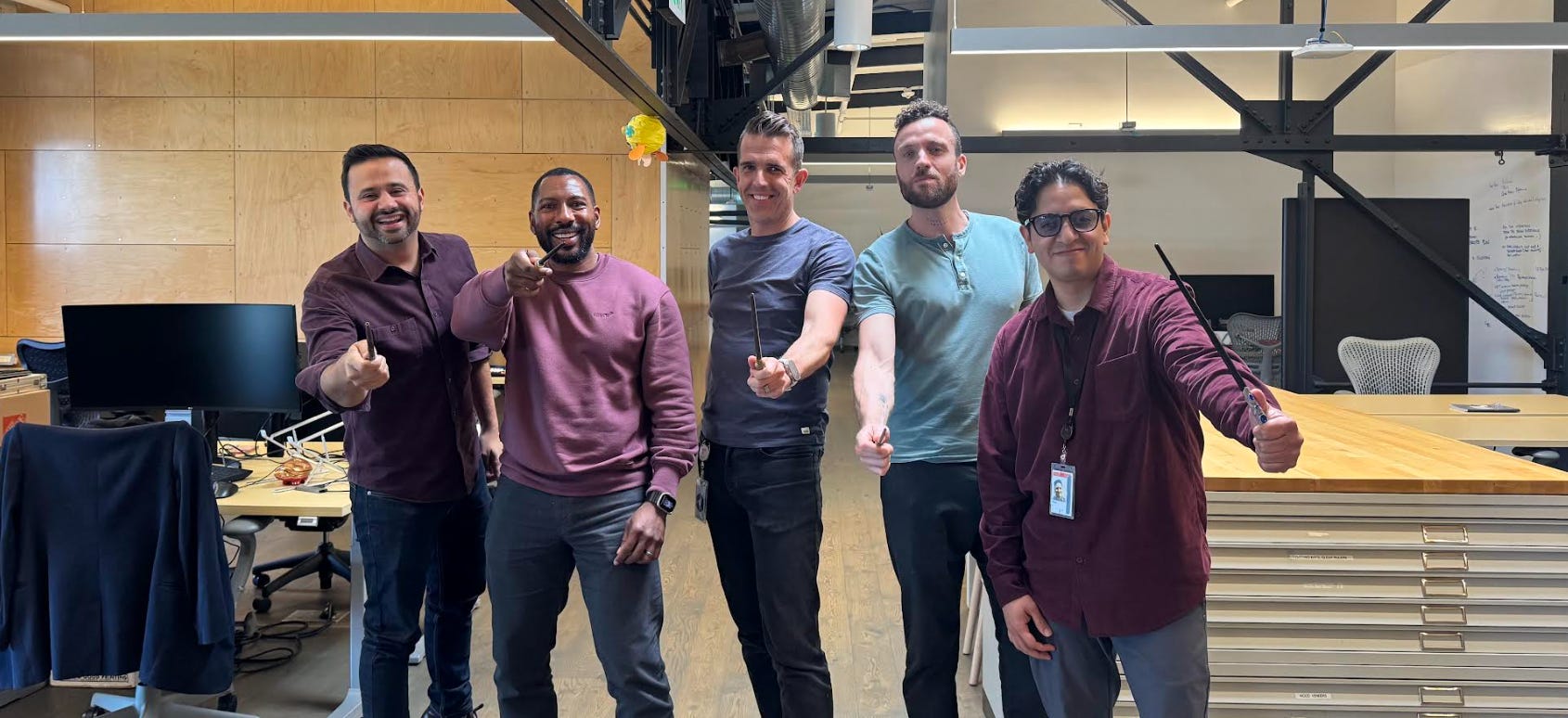
To contact Will, reach out to him on LinkedIn here. He’s always open to chatting and sharing valuable insights.
This newsletter is brought to you with support from our featured partners: AMT, IMTS, Jiga, Upkeep, and Industry 4.0 Club.
Comments
Nothing yet. Say the first thing.
Sign in to join the conversation.