
Good morning bread friends!
Today I’m excited to share something that has been a long time coming: we’re introducing a new wheat variety into our loaves. Our bread has long been a combination of 3 flours… and now one of them has a big story worth sharing.
Our loaves have historically been made up of two wheat blends from Meadowlark Organics (one bolted*, one whole wheat), plus a spring wheat flour from Giusto's in San Francisco.
As of this week the whole wheat variety that we’re using from Meadowlark Organics is a new variety called Bickford Wheat.
Bickford Wheat is a Hard Red Winter Wheat variety developed in collaboration with Cornell University, UW-Madison, the Artisan Grain Collaborative, and a network of farmers, bakers (like myself!), and advocates across the region. It stands strong in the field, thrives on organic farms, offers abundant yields, and is remarkably versatile for baking.
It’s named in honor of Paul Bickford, the late mentor to John and Halee Wepking, the farmers behind Meadowlark Organics (whose grains & flours we all love). While I never knew Paul, his commitment to organic farming systems and agricultural innovation made a lasting mark on this region’s grain economy and farming community. It feels beautiful that this new variety of wheat carries on his legacy even further.
If you want to see a glimpse into that history, check out this video below that features John, Halee, and Paul describing his vision of passing the farm to them. It’s really something to watch, knowing everything that has grown since it was recorded.
And for those of you who’ve been around for a couple years… you might recall that I wrote about getting to be a part of this wheat variety research process a while back.
A couple of years ago, I spent a full day alongside Wisconsin bakers from places like Madison Sourdough, ORIGIN Breads, and Bloom Bake Shop, evaluating test grains for UW-Madison and the Artisan Grain Collaborative. We mixed, shaped, and baked all day, giving detailed feedback on how each variety handled water absorption, fermentation, gluten strength, and shaping. You can read more about the bake testing project here on the AGC’s website, and if you’re curious about what that day felt like from my end, I wrote about it at the time here.

To know that the wheat I was evaluating in that kitchen has now been named, released, and is mixing into our loaves this weekend… that’s a pretty incredible feeling.
* A quick note on what exactly “whole wheat” and “bolted wheat” means with flour… since I use both milling styles in our bread. Whole wheat flour contains 100% of the wheat kernel — the nutrient-dense germ, the starch-filled endosperm, and the fiber-rich bran, all together.
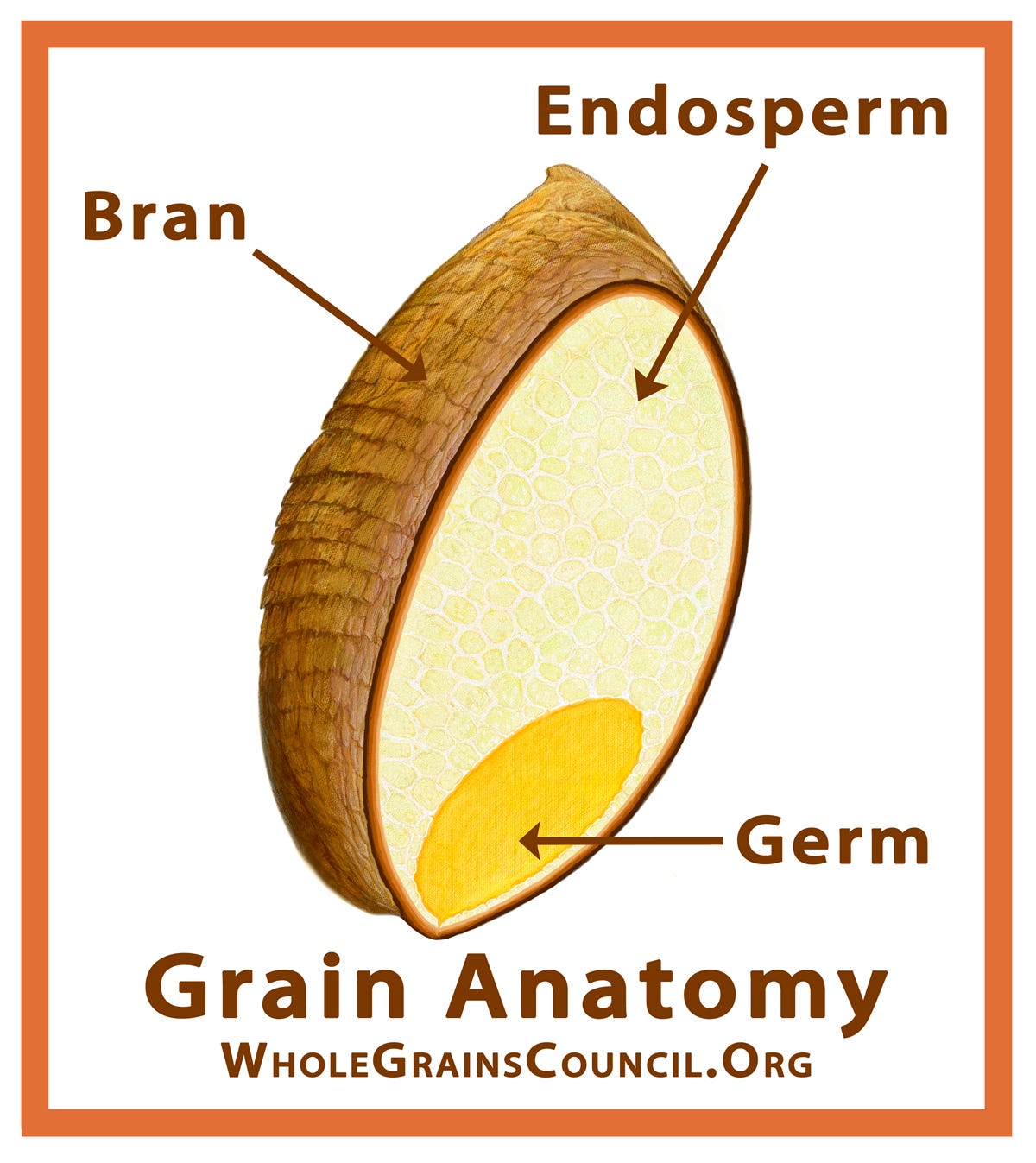
So for the Bickford Wheat we’re using a flour that contains the whole entire grain in the flour. The other Meadowlark flour in our blend is a bolted flour, which means it’s been sifted through a fine mesh screen to remove some portion of the bran while retaining the germ and endosperm. It produces a light cream-colored flour that still carries a lot of nutritional integrity. This contributes to a smoother textured dough than a true whole wheat, and has a softer flavor.
Anyway… these three flours combine together in our bread to make a loaf that I’m really proud of. Whether or not you taste a difference this week, I hope you enjoy your loaf a little extra knowing what all went into it.
Thanks for buying bread this week.
Cheers,
Mo
nerdy baker :)
No posts
Comments
Nothing yet. Say the first thing.
Sign in to join the conversation.