
Hello!
It’s been over a year since my last newsletter and I hope you’re doing well. I have quite a bit to share in this update, but first if you don’t remember signing up for my newsletter or are no longer interested in healthy, safe and equitable cities, you can unsubscribe via the link at the bottom of this email. Thank you for reading!
In This Issue:
Helping NYC Advocates Fight For Congestion Pricing
Analyzing The Impact of Portland’s Transportation Projects
Helping UC Berkeley Students Fight for a Car-Free Telegraph Avenue
SFPD Finally Agrees to Start Enforcing Our Traffic Laws
Transpo Maps is Growing and We Need Your Help!
NYC Crash Tracker Helps Advocates Fight For Congestion Pricing
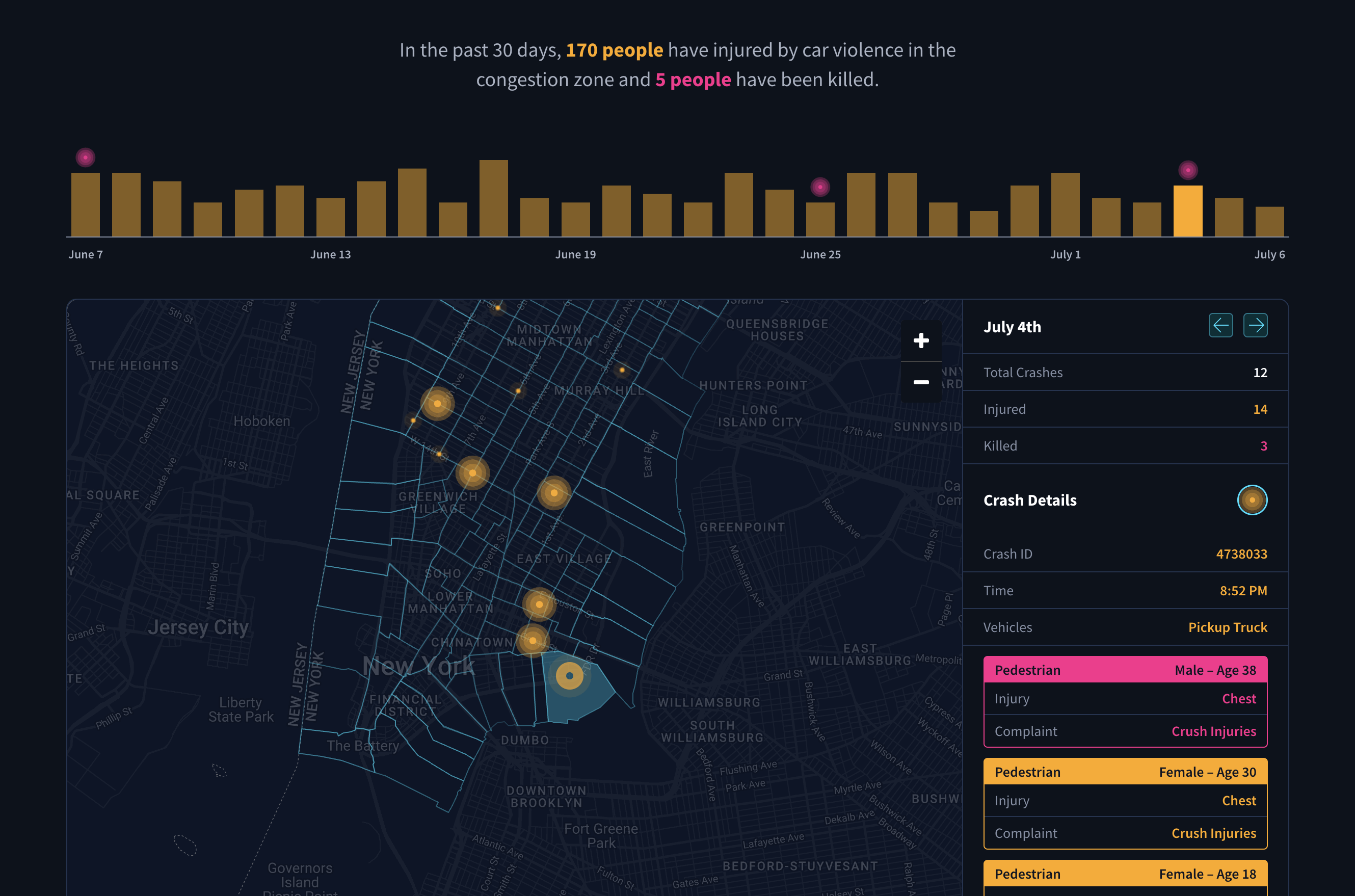
Last week we launched a project that tracks vehicle crashes in NYC’s congestion pricing zone and shows the demographics of the surrounding neighborhood where each occurred. We created this in response to NY Governor Kathy Hochul’s abhorrent decision to cancel NYC’s much needed congestion pricing program which would have raised billions for public transit and removed an estimated 120,000 vehicles daily from clogging up Manhattan’s streets.
Hochul’s decision to cancel congestion pricing is a slap in the face to the over 800,000 people who live in the congestion pricing zone where:
81% of households do not own a car
⅓ of residents are children, seniors or identify as disabled; groups which are especially vulnerable to car violence
89% of residents walk, bike, scoot or take public transit as their primary means of transportation
* Source: U.S. Census American Community Survey (ACS) 5-Year estimates (2018 - 2022)
In 2023 there were 9,645 vehicle crashes in the congestion pricing zone, which translates to a crash approximately every 54 minutes. On the 4th of July, a man plowed his F-150 into families who were celebrating the holiday at a park in the Lower East Side, killing 3 people and injuring 8.
Yet despite the daily onslaught of car violence that is destroying families across this country, Hochul has chosen to prioritize driver convenience over the health and safety of her most vulnerable constituents which is an absolute disgrace. Transportation Alternatives is organizing people and calling on Hochul to reverse her disastrous decision immediately. If you’re in the NY area, please join them and get involved.
Analyzing the Impact of Portland’s Transportation Projects on Equity and Public Safety
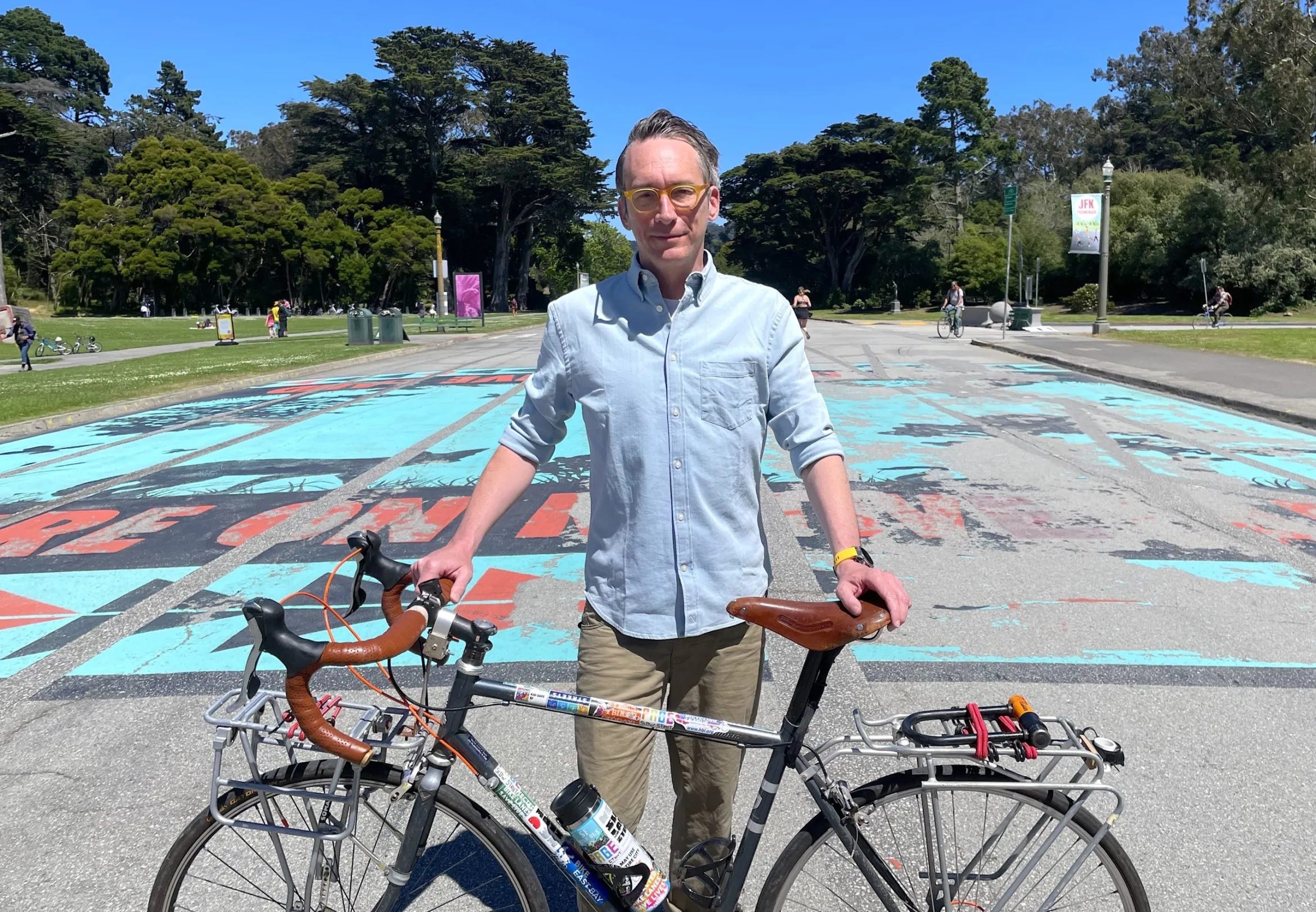
Earlier this year I participated in the Climatebase Fellowship where I met Portland based educator Anne McHugh. Together we analyzed the impact of a gas tax that is a major source of funding for pedestrian and cyclist safety improvement projects in Portland. The gas tax raises approximately 75 million dollars every 4 years and went to voters for renewal on May 21st where it passed with 70% of the vote. Despite enjoying broad support, we found that the majority of projects funded by the gas tax have had almost no impact on improving public safety or equitable access to transportation in Portland, which are two of the primary goals of Portland’s “Fixing Our Streets” program.
While it’s great that Portland voted to renew its gas tax, many public transportation agencies in the U.S., particularly the MTA in New York City and SFMTA in San Francisco, are desperately trying to find money to fund their operations. These agencies struggle with the public perception that they are bloated, mismanaged bureaucracies, incapable of completing projects on time and on budget, or producing results that meaningfully benefit the general public.
And this is not by chance, for many people their interactions with their local transit agency are negative, whether it be parking tickets, tows, a late bus, a new driving restriction or a capital improvement project that tore up their street and disrupted their business for several years.
This sows impatience and distrust amongst the public and puts the onus on our public transportation agencies to show how temporary inconveniences ultimately result in a faster, cleaner and safer citywide transportation system. To this end, it is critical that our public transportation agencies clearly show how every project has improved safety, equity and convenience for the city’s most vulnerable residents, which in San Francisco are the roughly 400,000 people who walk, bike, scoot or take public transit across the city daily.
If you work at a public transportation agency, we’d love to analyze your data and help you better understand and communicate the positive impact of your work!
Helping UC Berkeley Students Fight for a Car-Free Telegraph Avenue
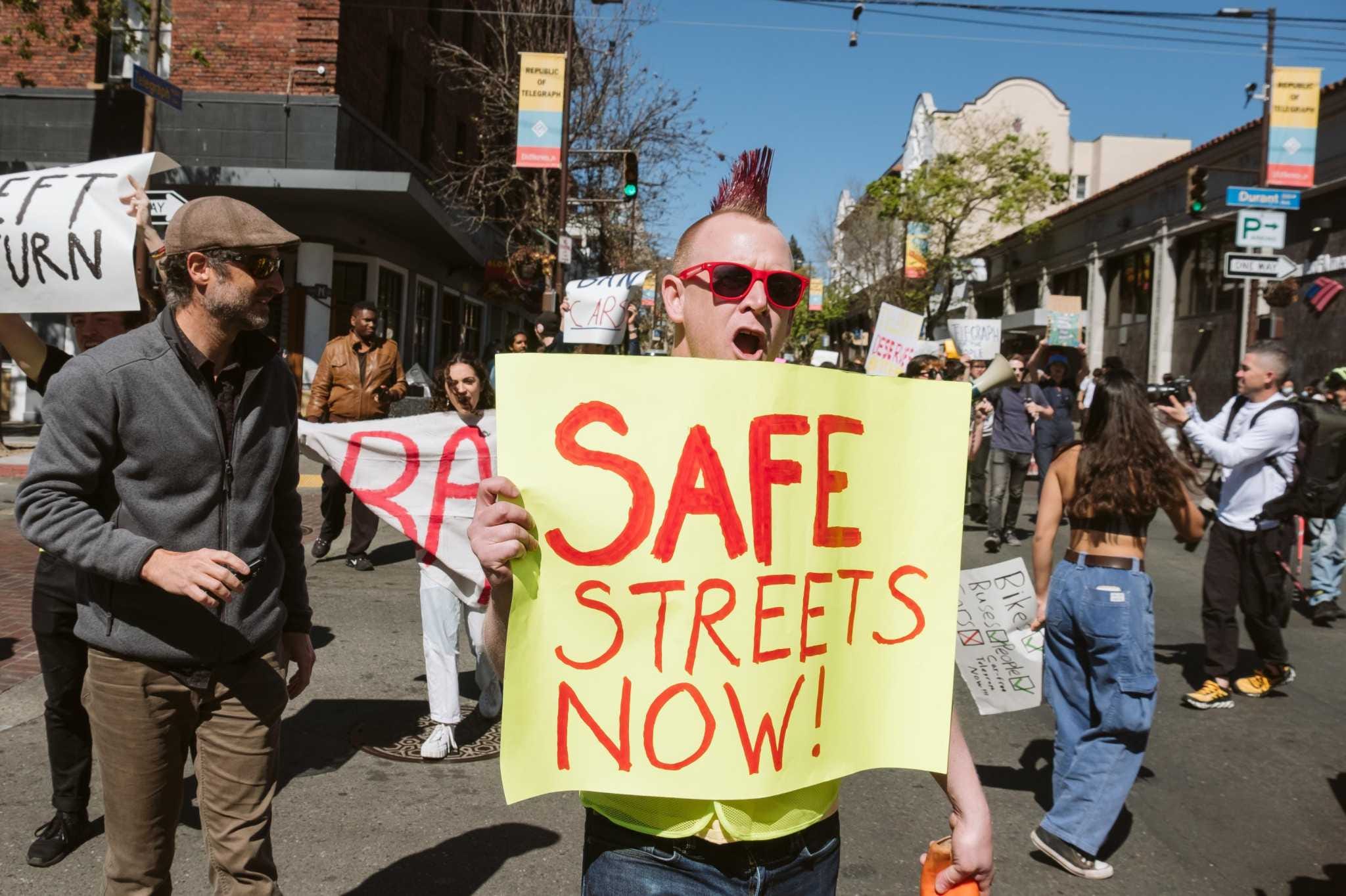
In April, I teamed up with Telegraph for People to analyze car crashes and neighborhood demographics around a section of Telegraph Avenue adjacent to the University of Berkeley. Laila Hamidi of TFP and I published our findings in an op-ed for Berkeleyside which revealed that in the neighborhood surrounding Telegraph Avenue:
71% of households do not own a car
77% of residents walk, bike, scoot or take public transit as their primary means of transportation
95.6% of residents are under age 34 with half of those under the age of 19
* Source: U.S. Census American Community Survey (ACS) 5-Year estimates (2018 - 2022)
Yet despite a lack of resident drivers, the neighborhood saw 35 vehicle crashes in 2023 or about one every 10 days, according to data I requested from the Berkeley Police Department.
Allowing motorists to drive through a neighborhood that is overwhelmingly full of young people who don’t drive is yet another example of dysfunctional city government recklessly prioritizing driver convenience over the safety and health of its most vulnerable residents.
Interested in an analysis of car crashes vs neighborhood demographics for your city? Reach out, we’d love to make it for you.
SFPD Finally Agrees to Start Enforcing Our Traffic Laws
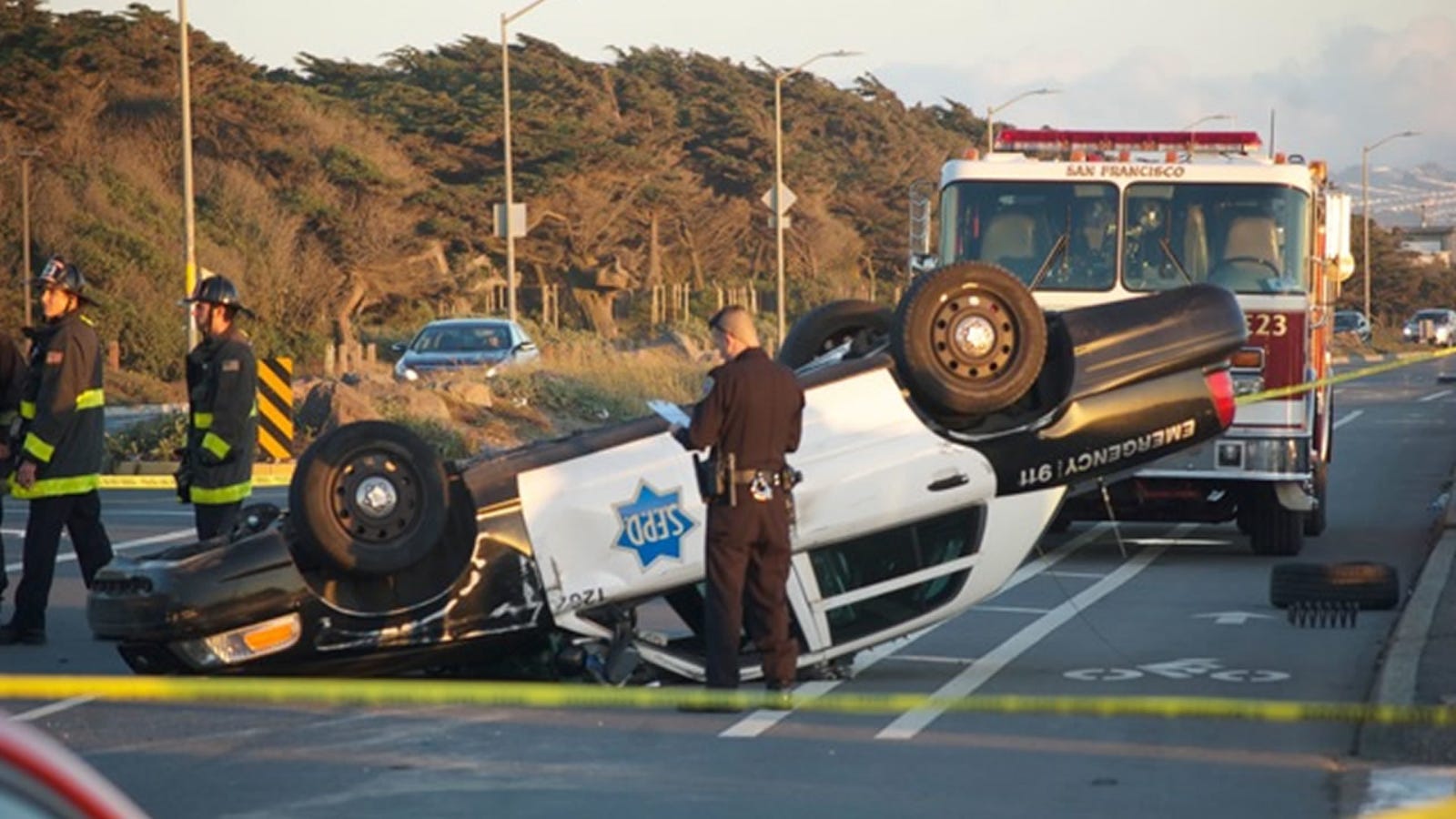
Astute readers will recall that two years ago I published an analysis of SFPD traffic enforcement which showed that the department had essentially stopped enforcing our traffic laws. Heather Knight featured my analysis on the front page of the San Francisco Chronicle, which prompted District 8 Supervisor Rafael Mandelman to call a series of hearings at City Hall about the state of traffic enforcement in San Francisco. Luke Bornheimer and I presented our analysis at the first of those hearings which kicked off a two year discussion over how and when SFPD would get traffic enforcement back up to pre-pandemic levels.
In April of this year, SFPD Traffic Company Cmdr. Nicole Jones finally announced a plan to target the 10 most dangerous intersections in the city for speeding, which is a welcome first step towards our recommendation that they prioritize enforcement of the most dangerous violations that result in injury, also known as “Focus on the Five“ violations, on the High Injury Network.
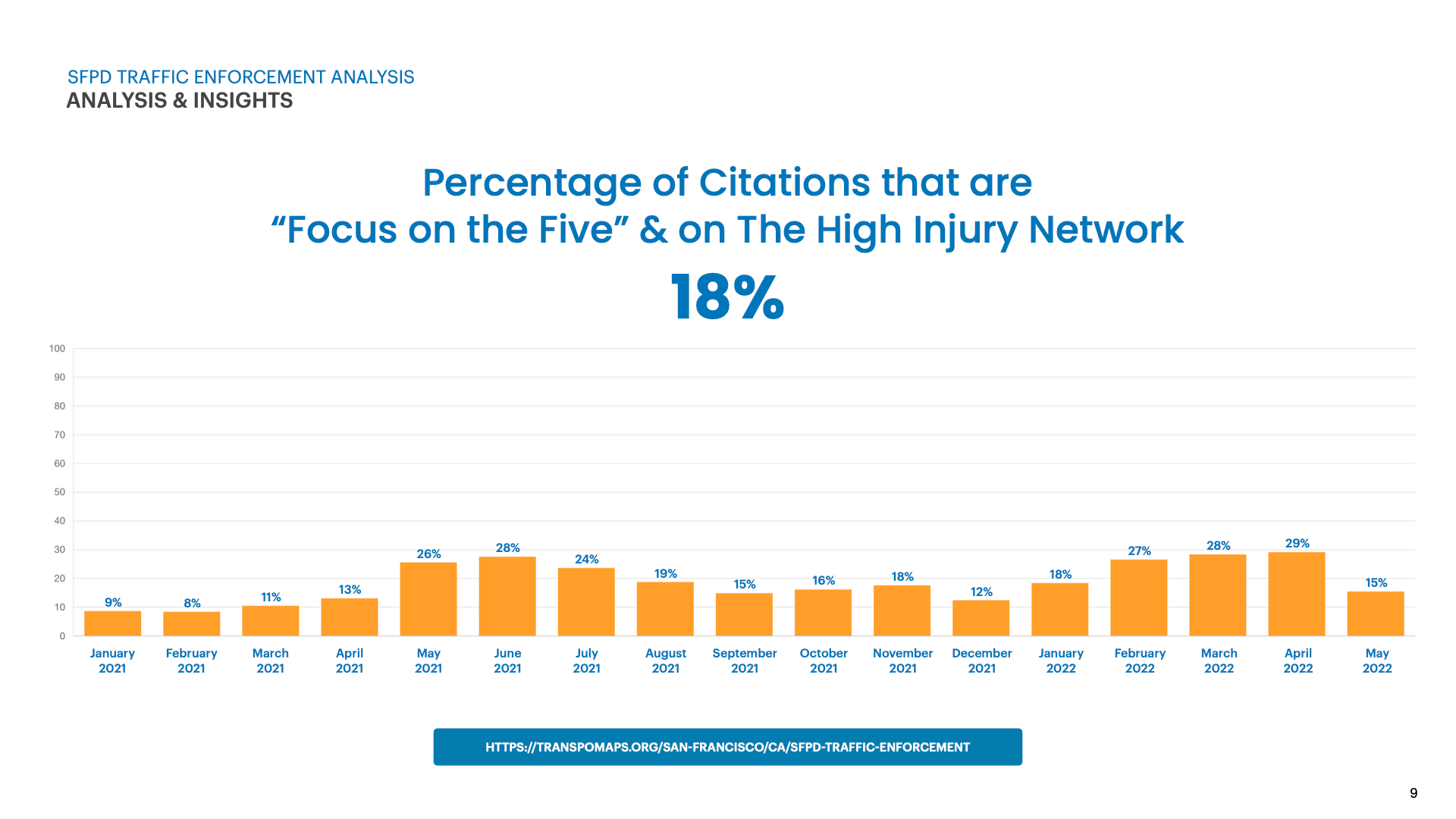
It appears that SFPD is out there honoring their April commitment however we don’t know exactly what they’re enforcing and where because they refuse to publish their data on San Francisco’s open data portal. This requires us to submit a public records request every few months to access their latest data, which is inconvenient and time consuming. If you support traffic enforcement and police accountability, make a donation today so we can continue holding the SFPD accountable and ensure they enforce our traffic laws.
I Want SFPD To Enforce Our Traffic Laws
New Projects, Collaborators & Ideas
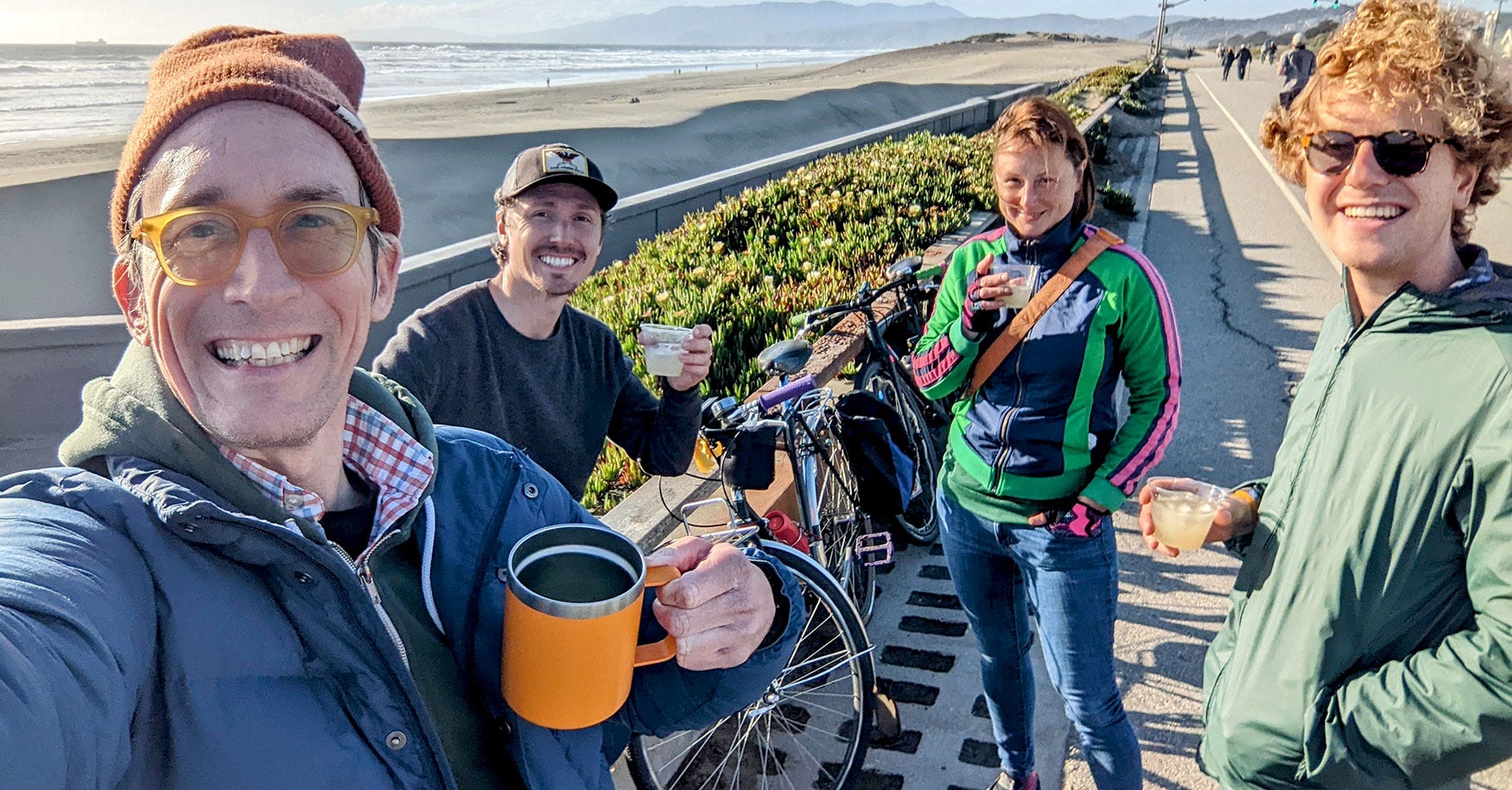
Transpo Maps is growing! It’s been two years since I started TM and I’m really proud of the projects we’ve launched and the impact they’ve had. Our work has gotten some really great press coverage, which has attracted a cadre of amazing designers, writers, engineers and strategists who want to work with us.
While many nonprofits rely on volunteers, I believe that people should be paid for their time and expertise. We currently have more projects in the queue than we have capacity to build at the moment, and I need your help to bring them to fruition.
Here are three ways you can support our work:
Hire us to produce a data analysis project for your city or agency
Invite us to present our work at your organization or conference
I’m excited to share more projects with you soon. In the meantime, please don’t hesitate to reach out if you have any questions or if we can help you in any way.
Thanks so much for your support and everything you do to make our cities healthier, safer and more equitable for everyone. 🚶🚴 🚌 🌴🚶🏻♀️🛴👩🦼
Thanks for reading Transpo Maps! Subscribe for free to receive new posts and support my work.
Comments
Nothing yet. Say the first thing.
Sign in to join the conversation.