
The goal of this blog is to provide HR leaders with practical steps for offering workplace accommodations.
Accommodations are a key part of a neuroinclusion workplace. But launching and growing your accommodations practice at work is more than just giving a thumbs up or thumbs down to requests.
To be intentional in neurodiversity, leading with proactive support is powerful. When HR takes the initiative in creating a menu of reasonable accommodations, it signals to all employees that inclusivity is a priority.
Don’t wait for neurodivergent employees to ask for accommodations. Having clear, pre-offered options shows that your company is truly inclusive. It takes courage to make that request, and there many be other employees who would benefit from the request. HR leaders are in a position to reduce the burden on employees to self-advocate. Let’s build supportive and safe cultures.
Next Steps for HR Leaders: Don’t know where to start? Ask yourself what were the top 10 accommodations requested by your employees, and then challenge your company to offer that to any neurodivergent employee.
What will be popular in your workplace may not be the same as what’s popular in the media.
HR teams can start by researching and identifying accommodations that have proven to be effective across industries, but may be better served by asking their employees.
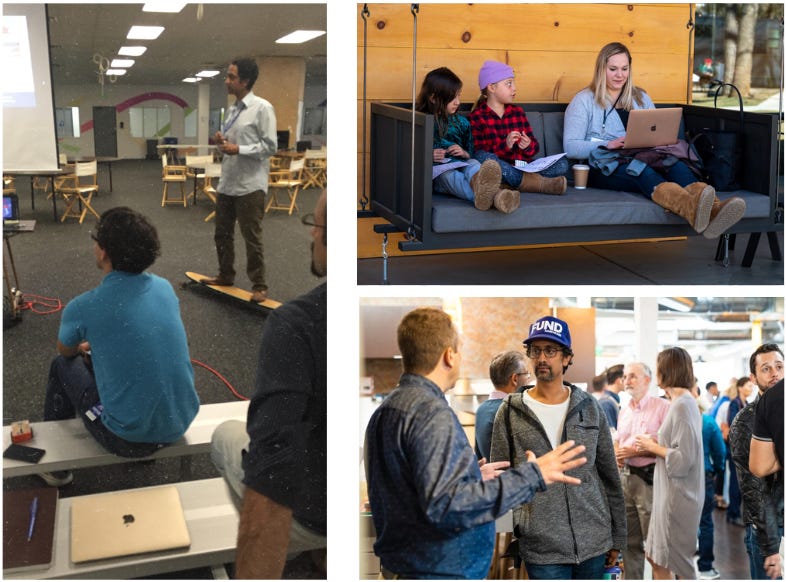
For example, in a recent roundtable, we discussed sensory rooms, which may help indicate the values of the company to support those who are overstimulated, treating the problem. A cheaper solution is to increase flexibility in seating areas, addressing a potential root cause of overstimulation. And in fact, spending money on sensory rooms was seen as a negative if the company did not already make changes that are more values aligned like flexible workspaces and hours.
Next Steps for HR Leaders: Gather feedback from employees about what works and make these solutions accessible to all. This isn’t just about compliance, it’s about fostering a culture where everyone has what they need to succeed. It’s likely that great ideas will be cheap on the budget.
The Curb Cut Effect implies that gains for one group presents gains for others. Strange name, but it was named after how sidewalk curbs were cut for wheelchairs, which subsequently benefited bikes, strollers, delivery carts, and more. Disability-friendly features used and appreciated by a larger group than the people they were designed for.

Accommodations meant for a small group often improve things for everyone. For example, offering flexible working hours may start as an accommodation but can enhance work-life balance across the board. Identify these opportunities where small changes can have wide-reaching impact. Known as the curb-cut effect, many accommodations aren’t just helpful for neurodiverse employees; they can boost productivity and job satisfaction for everyone.
Next Steps for HR Leaders: Consider adding these “universal” options not just in your menu of accommodations, but also in your company perks. And even better, consider your entire menu of accommodations available to all employees regardless of diagnosis.
These accommodations are just the starting point, but the key is implementing them in a way that benefits your entire workforce. As you build out your accommodations practices, the effect ripples beyond neurodivergent employees—it’s about fostering an inclusive and supportive environment for everyone.
Let's continue the conversation! If you're ready to start or expand your accommodations strategy, feel free to connect. Stay tuned for more tips or check out our latest updates.
Comments
Nothing yet. Say the first thing.
Sign in to join the conversation.