
In 2025, the health minister advised us to ‘shout loudly’. This week was a very clear demonstration that we listened and delivered: the brain cancer petition was debated in Parliament on Monday 15th June!
We now need to see the Government do the same – DELIVER!
A very big THANK YOU…
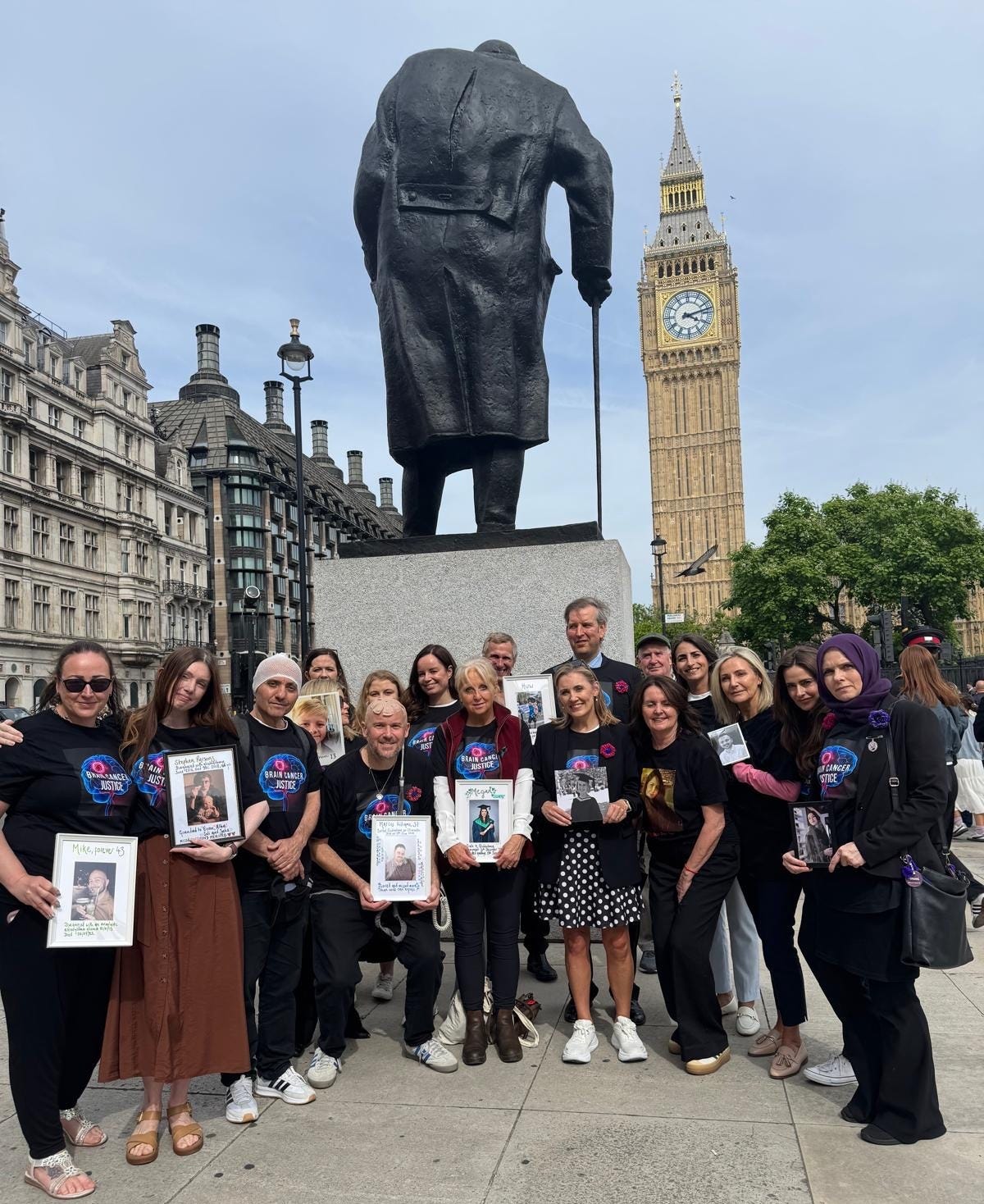
There was much to appreciate about the debate:
Paul Davies MP opened the debate and highlighted the challenges facing brain cancer patients, families, clinicians and researchers across the UK.
“Today, we are here as their voice.” Paul’s words opening the Westminster Hall Debate
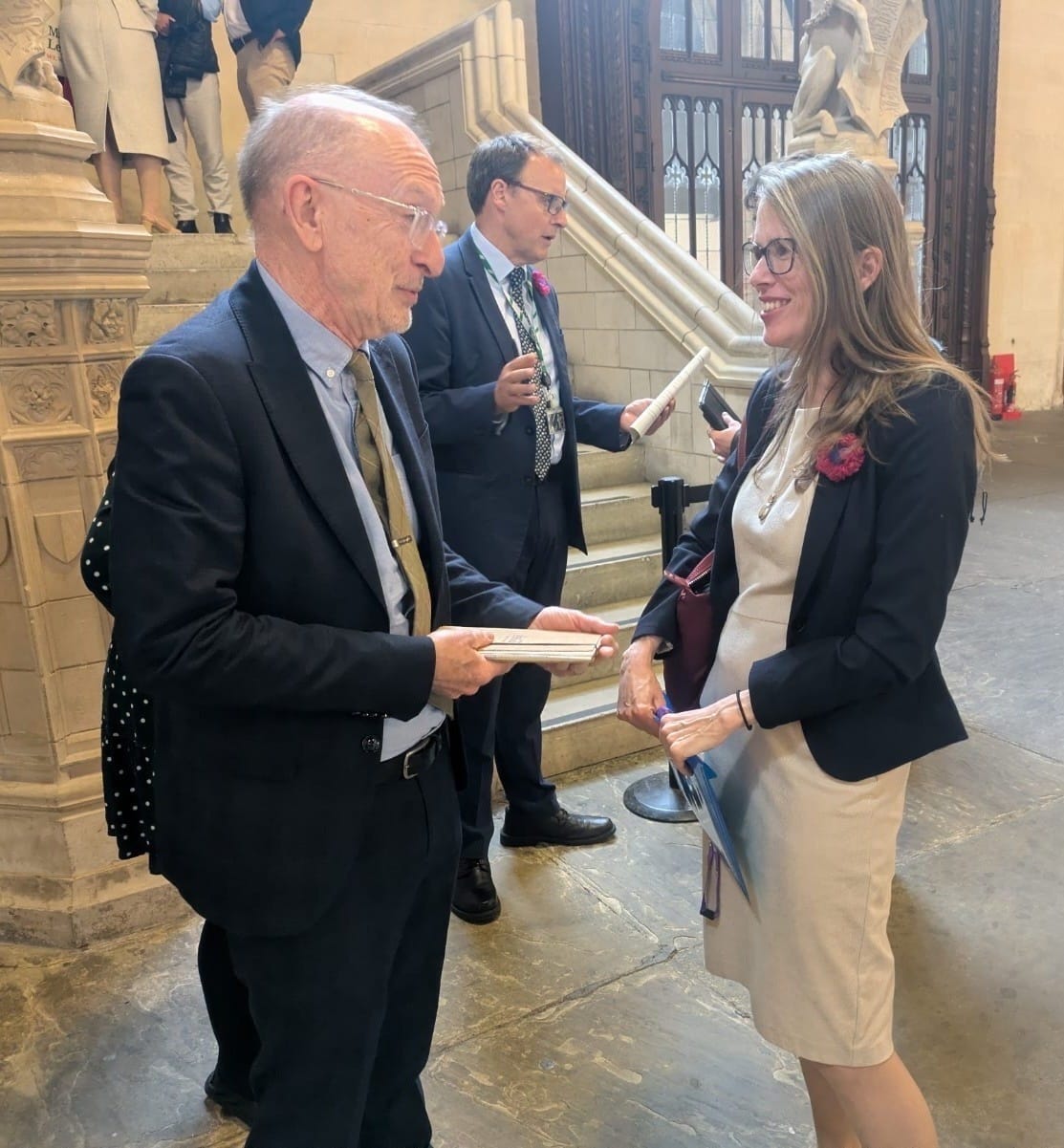
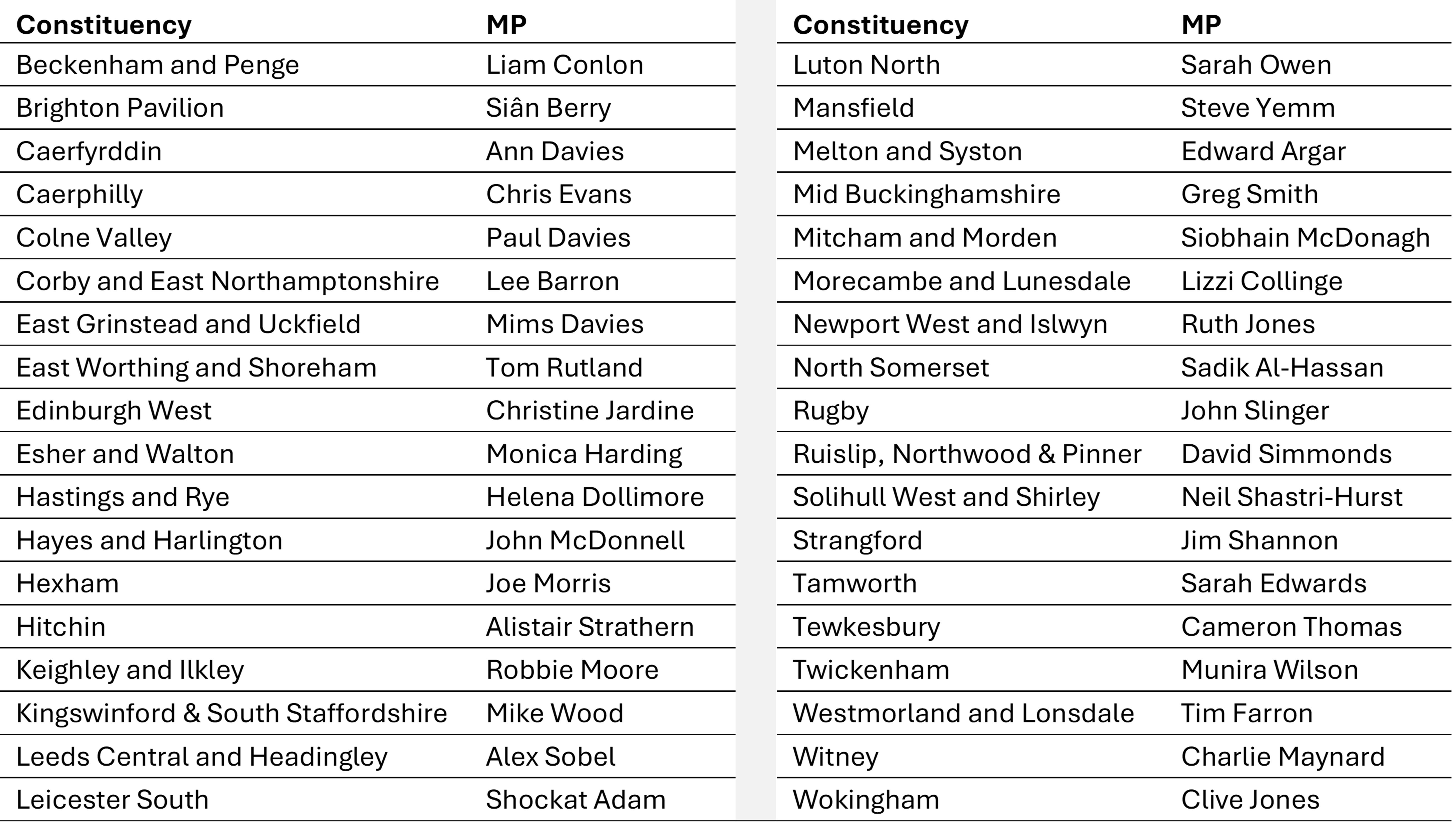
The 36 MPs recognised that brain cancer has been left in the “too difficult” box and flagged the urgent need for more trials, treatment and innovation (see end for MP list).
Cross-party support – MPs attended from Labour, Conservatives, Liberal Democrats, DUP, Plaid Cymru, Green & Independent.
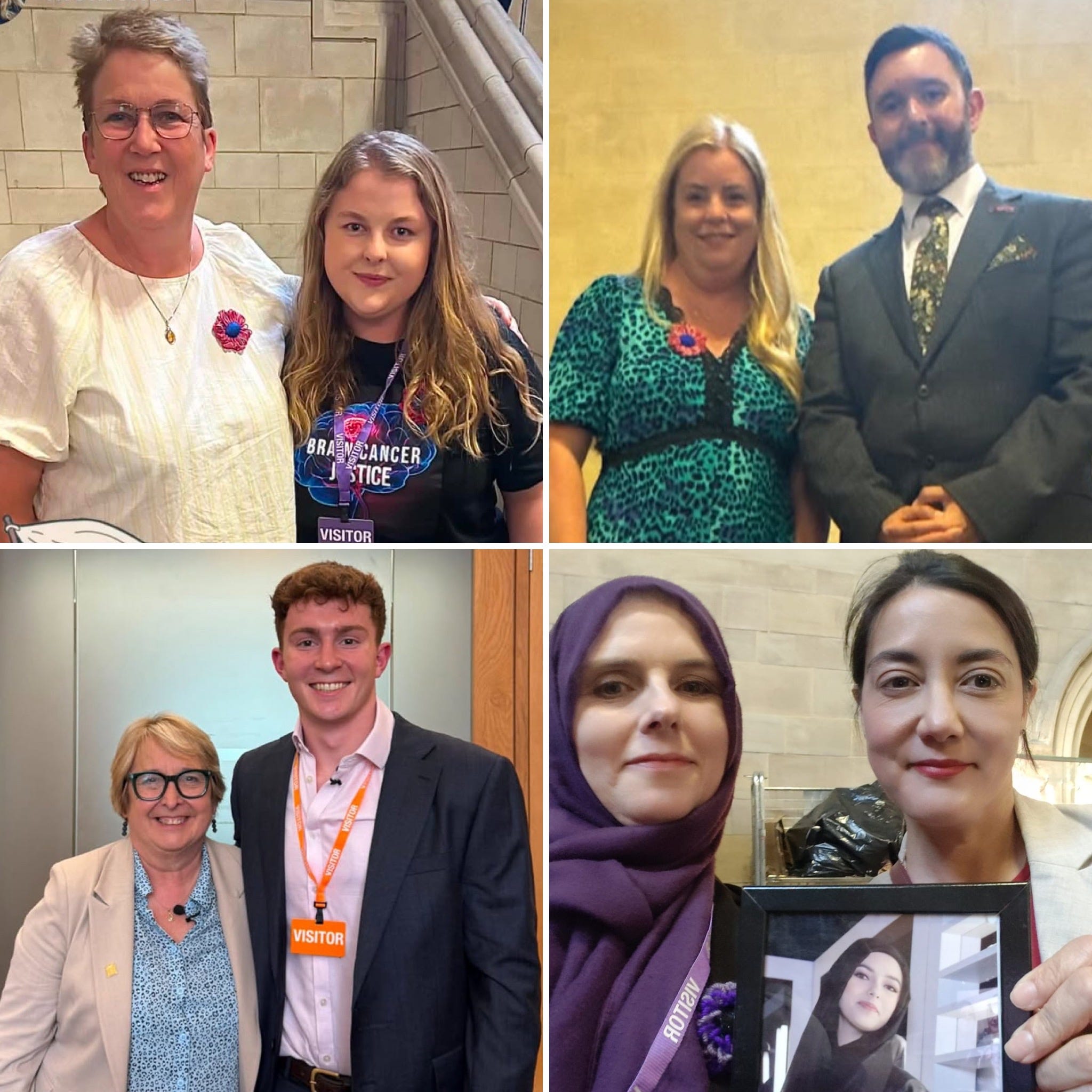
Minister for Public Health and Prevention, Sharon Hodgson, responded with evident sincerity. She told the House there is no worthier cause than turning brain cancer from terminal to treatable. We were glad to hear our words shared from a Government Minister. The minister also made commitments on leadership, trials and research infrastructure.
But we have been here before. Government says all the right words but fails to deliver.
So this is not a thank-you newsletter - it is a scorecard. Below, we set out what we asked for, what the Minister committed to, and the distance still to travel. We will be publishing this scorecard again. And again. Until it is finished.
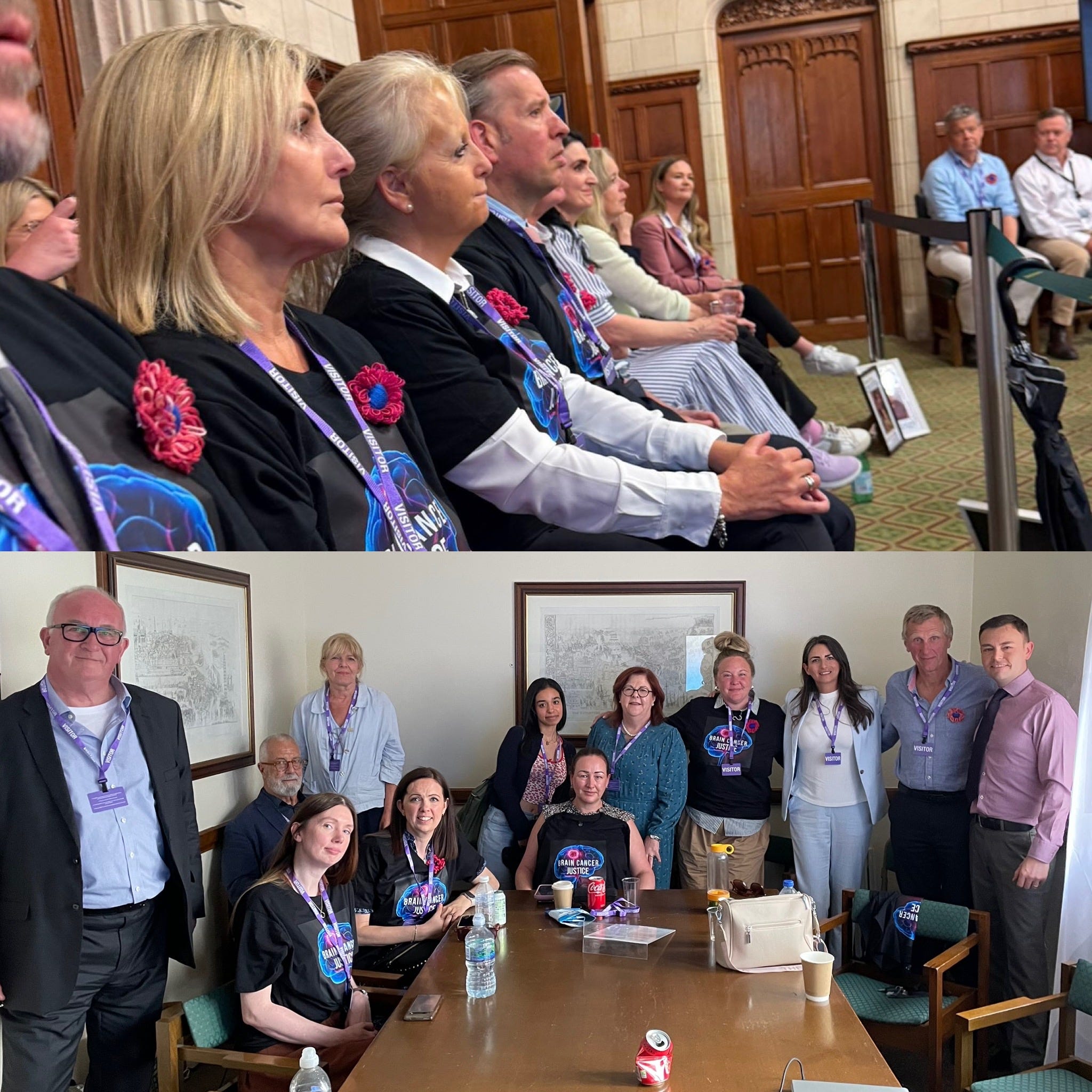
What we want: A single national lead with authority across the system to coordinate research, trials and care, remove delays and ensure accountability.
What was said: The Minister confirmed the appointment of a national clinical lead for rare cancers, who will sit on the national cancer board.
Our verdict — partial, and not good enough yet. A lead for fourteen rare cancers is not a lead for brain cancer. During the debate, Charlie Maynard MP pointed out that the existing arrangements amount to one post funded at £5,000 and another at a tenth of a full-time role. He asked the Minister to commit to one person, full-time and fully accountable. She did not. Where responsibility is spread everywhere, accountability exists nowhere — and a fraction of one official’s week is not accountability. We will keep pressing for a dedicated, full-time, fully funded brain cancer lead.
What we want: New ring-fenced funding tied directly to delivery — trials opened, patients recruited — with the authority to act with urgency.
What was said: The Minister confirmed that spending through the National Institute for Health and Care Research has now passed the £40 million pledged back in 2018, and said that figure is “not a funding ceiling.”
Our verdict — the bar is on the floor. Spending money that was promised eight years ago is not an achievement; it is the bare minimum, delivered late. Our ask is for new money, ring-fenced, and tied to delivery — not a reannouncement of old commitments finally honoured. Until funding is protected and measured against trials actually opened and patients actually recruited, families have no reason to believe this time is different.
What we want: A system that ensures research, funding, innovation and treatments reach patients quickly and consistently, wherever they live in the UK.
What was said: The Minister acknowledged the postcode lottery and pointed to the Rare Cancers Act 2026 and the national cancer plan.
Our verdict — recognised, not yet resolved. Acknowledging a postcode lottery is not the same as ending one. A patient in Hastings should not face a four-hour round trip for basic treatment. A patient in Edinburgh should not be denied a drug available elsewhere in Scotland. We need the mechanism, not the diagnosis. The plan exists; the delivery does not.
What we want: A Right to Try established in law, giving patients access to repurposed drugs, off-label treatments and clinical trials when no other options remain.
What was said: Asked directly about the US Right to Try model, the Minister said she was happy to look at it.
Our verdict — an opening, and we intend to walk through it. This is the first time we have heard a Minister express willingness to examine Right to Try. We welcome it for what it is: a door left ajar. We will be asking for a timeline, a process, and officials tasked with the work. Willingness must become action.
What we want: Universal access to whole-genome sequencing, drawn from mandated frozen tumour tissue, as standard across the UK.
What was said: This is where the Government moved furthest. The Minister confirmed that NHS England has completed a gap analysis of freezer capacity and is looking at how to expand it equitably. She has asked the Department and NHS England to work with the Royal College of Pathologists to review tissue retention guidance and consent processes, and promised colleagues an update in the autumn.
Our verdict — real progress, born of real loss. This movement has been primarily driven by Owain’s law campaign and the courage of Ellie James, who told her husband’s story. It shows what is possible when Government engages seriously. But a review is not yet a mandate, and a gap analysis is not yet a freezer in every neurosurgical unit. We will hold the Government to that autumn update — and we will measure it against the word that matters: mandated.
To the Minister: we welcome your words, and we believe they were meant. But you sat on the backbenches for twenty years. You know as well as we do that this House has debated brain cancer before, made promises before, and let families down before. The test of this Government is not what was said on 15 June. It is what has changed by the autumn.
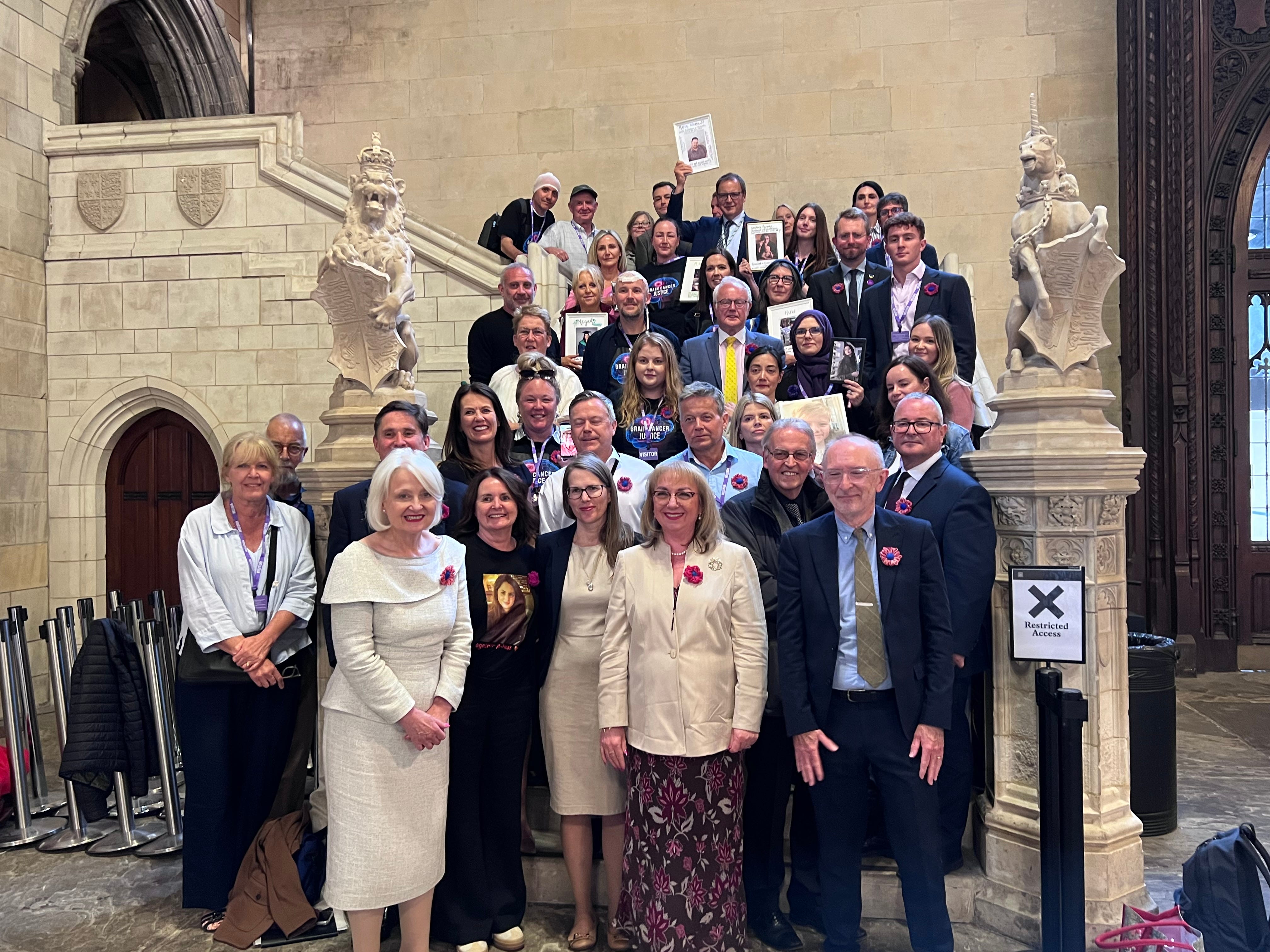
The debate was never the end goal. It was a milestone.
We left the debate with commitments on the record and a promise of an autumn update. That update is our next milestone, and we will not let it pass quietly.
Brain Cancer Justice will focus on ensuring that the discussions and commitments arising from the debate translate into meaningful action.
Our immediate priorities are:
Securing a meeting with the Minister before summer recess.
Building Parliamentary support through an MP signatory letter.
Continuing engagement with MPs from across all parties.
Working with patients, families, clinicians and charities to maintain momentum.
Ensuring patient and family voices help inform future priorities and decision-making.
109,063 people spoke. Parliament listened. Now we hold Government to deliver.
Everything we do is driven by one simple goal:
No posts
Comments
Nothing yet. Say the first thing.
Sign in to join the conversation.