
Today’s sponsored dispatch is brought to you by The Italian Spirits Company.

If there ever was what I like to call a “like-minded” brand, and perfect partner for LAST CALL, it would definitely be The Italian Spirits Company. I’ve been working on this partnership with them for a while now and I’m excited to share more about their story and background and spotlight some true gems from their portfolio of Italian producers.
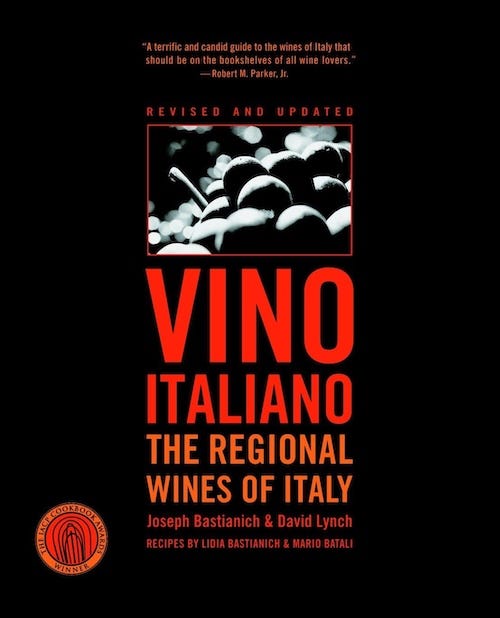
Launched in 2023, the U.S.-based The Italian Spirits Company, focused on curating and distributing artisanal Italian craft spirits, was founded by Ken Fredrickson and David Lynch. Fredrickson is a Master Sommelier, former restaurateur, author of Wine: A Beginner’s Guide, and a founding partner of High Road Spirits, a national importer focusing on the sales, marketing, and management of artisan spirit brands. Lynch is a two-time James Beard Foundation Award-winner (Magazine Writing, 2001; Outstanding Restaurant Wine Service, 2004), author of the IACP Award-winning Vino Italiano, and former sommelier and restaurateur.
While I was well-versed in Lynch’s work and his acclaimed book, Vino Italiano, we didn’t meet in person until late last year when he kindly took the time to talk and personally taste me through some highlights from their dynamic lineup.
“Italian spirits sit in the shadow of Italian wine somewhat, but once you dig into it you realize that Italian spirits culture is as deep, diversified, and significant as its wine culture,” says Lynch. We want to highlight how multi-talented and inventive Italians are as well as how integral spirits are to a proper, long, slow, Italian meal—from the aperitivo to the digestivo.”
Driven by products with regional identities that exhibit “terroir,” The Italian Spirits Company showcases authentic, artisan-crafted expressions of products that may—sometimes due to their commercial success—have been thought of as “industrial” (Vermouth) or cliché (Amaretto; Limoncello).
“I use the example of Chianti wine, which became synonymous in the U.S. with cheap straw-covered bottles. It wasn’t taken seriously,” says Lynch. “In fact, Italian cuisine in general still lags behind French in terms of being taken ‘seriously’ by the likes of Michelin, etc. Whether it’s a grappa or an amaro or a vermouth, we’re selecting products that force people to re-evaluate outdated perceptions about what’s possible (much like a well-made Chianti can change hearts and minds).”
Read on to learn more about The Italian Spirits Company from co-founder David Lynch and discover hand-picked selections from their deep and vibrant portfolio of vermouth, aperitivo, amaro, liqueur, and spirits.
Learn More About The Italian Spirits Co.
You have a storied history as a sommelier, wine director, and co-author of the award-winning comprehensive reference book Vino Italiano. When did you first turn to Italy as an inspiration for what turned into a career, and what is about Italian food and drinking culture that continues to inspire you?
David Lynch: I’m half Italian, and grew up close to my Italian-American (American-born) grandparents, but in terms of pursuing this as a career, the impetus came from Lidia and Joe Bastianich. Joe and I went to college together, and I vividly remember my first visit to Felidia in NYC. We were juniors, with our blue blazers and shaggy hair, drinking wine and eating stinco di vitello and watching these white-jacketed Italian guys execute the slickest tableside service. It was just a different, deeper, more authentically “Italian” kind of Italian than I had ever seen and I was transfixed by it.
Regardless, my ambition upon leaving college was to be a writer. I managed to publish work in newspapers and magazines and eventually got a job with the beverage industry trade magazine Cheers that brought me to New York in the early ‘90s—right around the time Joe Bastianich was opening his first NYC restaurant, Becco.
Joe and I hung out together in New York and he was the one who introduced me to Joshua Greene, Editor & Publisher of Wine & Spirits magazine, where I worked for several years as a Senior Editor. Then, in 2000, I left Wine & Spirits, sublet my apartment in New York, and took off for Italy to research and write Vino Italiano.
After a year in Italy working on the book, I came back and started working at Babbo as the Wine Director and ended up spending seven years there. I thrived in that environment not because I was some super-credentialled sommelier but because I was coming off this intense, full-immersion Italian experience—wine, food, culture, language, everything. I wasn’t talking about tannin-this or acid-that, I was telling travel stories and food stories and it helped contribute to this very authentic, Italophile atmosphere Joe and Mario created at Babbo. We weren’t “aping” Italian culture, we were trying (and succeeding, I think) to properly interpret and translate it. If you read Vino Italiano, yes, it’s a wine guide, but it’s just as much a celebration of Italian culture and sensibility.
How did The Italian Spirits Company come about and what is your “mission statement”?
David Lynch: Ken Fredrickson (a Master Sommelier, serial entrepreneur, and rabid Italophile in his own right) conceived of The Italian Spirits Company. He has created several spirits businesses and brands over the years, and he shrewdly recognized that the category was underserved.
Ken and I have known each other for a long time. He’s a really savvy, successful guy and he’s all about passion projects like this. I got this magic phone call from him out of the blue in early 2023: It was something like “What do you think of this idea?” followed by “When do we start?”
We assembled the initial TISC portfolio together over the course of about a year with focus on artisan-scale producers. The first two producers we “signed up,” Paesani and Scuppoz, are both from Teramo, Abruzzo; I met them both at a Slow Wine fair in Bologna (Slow Wine is a fast-growing guide that was born from the publications arm of Slow Food, and they’re begun to include spirits in their consumer and trade events). I was shocked that they weren’t already imported to the U.S.: they are both historic family operations producing traditional, hand-crafted liquori. Whereas the Italian wine import environment feels very “picked over” at the moment, there is still so much undiscovered deliciousness on the spirits side. I feel like we’ve just scratched the surface.
In terms of a “mission statement,” I’d say our mission is to highlight the diversity and regionality of Italian spirits culture—to view spirits through the same lens that we view wine. Yes, the “hand of man” is more influential in the creation of spirits products, but at the same time, spirits are capable of expressing terroir, in the sense that they express regional identity. Limoncello from Sorrento lemons is a prime example; so is Genziana from Abruzzo; or Genepy from Piedmont.
Another key element of the “mission” is to celebrate Italian ingenuity, tradition, and ritual. The more we can educate Americans about the art of the “aperitivo,” the better—I’m not talking about swilling a giant Martini in a restaurant while you’re waiting for your table to be ready. I’m talking about the slow, considered, pre-meal drink that in Italy exists entirely unto itself and gets a good hour or two devoted to it.
While wine will always be important to your personal life and career, was it a bit freeing for you to dive deep into the world of producers of other Italian spirits like aperitivi, amari, vermouth, and liqueurs?
David Lynch: Yes, it has been very freeing, and truly fascinating, to dive headlong into Italian spirits. At first, I wondered aloud what I was doing selling Limoncello and Amaretto and other types of spirits—products that some of my wine contemporaries would not think about too much, if at all. But then I’d taste a proper example—like Casoni’s IGP Sorrento Limoncello or Scuppoz’s Amaretto 592—and I’m wholeheartedly on board! In fact I think my “wine palate” has had a big influence on what’s in the portfolio, because so much of what we talk about when we’re out talking about our products is balance—or, to put it another way, moderation of sweetness. There are so many instances when I’ll taste a product of ours side-by-side with a big-name competitor (Casoni’s “L’Aperitivo” and “Il Bitter” perhaps most notably, but so many more, including that Scuppoz Amaretto and basically any of the Baldoria Vermouths) and it is noticeably much less sweet. Both Ken and I are obviously sensitive to sweetness and our portfolio reflects that for sure.
Another big thing for me has been witnessing the artisanship and tradition behind these products. On a surface level, you wouldn’t think assembling a spirits portfolio would be as “romantic” as putting together a wine portfolio, but it most definitely is!
I think a lot of people think of spirits as more industrial and more about the down-and-dirty realities of “branding” and the payola that goes with that. Yes, there’s some of that (and, let’s be real, there’s plenty of that in wine, too), but we really present our portfolio much like we might a selection of Italian wines—we tell their stories and get the product in peoples’ glasses. Bottom line: When people taste this stuff, they’re buyers. We put our trust in what’s inside the bottle, not what’s on the label (cool as so many of those labels are).
Do you think Italian terroir is the key ingredient that connects, and sets apart, so many of these regional spirits, amari, and wine?
David Lynch: Absolutely. It’s not only Italian terroir—whether it’s the incredible citrus in places like Sorrento or Southeast Sicily or the juniper that grows all over Tuscany (and is considered the world’s best) or the Gentian found in the mountainous parts of Abruzzo—but also the Italian talent for using what’s immediately at hand to create something delicious. If you read articles or books about regional Italian cuisine, there are so many different spirits products that factor into the narrative. Obviously grappa is the ultimate “terroir” spirit—the best grappas are made from the freshest pomace, which means the distillery must source as locally as possible to obtain the best raw material. One of the two grappa distillers we import, Schiavo, is a 5th-generation distiller in Vicenza, in the Veneto. He makes the grappa for the legendary Giuseppe Quintarelli wine estate. And, generally speaking, Schiavo grappa is an expression of the terroir of this little section of the Veneto, and wine regions like Valpolicella, Soave, Gambellara more precisely. Up in Trentino, meanwhile, our other grappa distillery, Marzadro, is working with the pomace of grapes like Marzemino, Nosiola, Traminer…a totally different terroir producing different raw ingredients.
How did you go about building and curating your portfolio and producers? Were you looking to have representation of major categories and sub-categories or was it simply about what you were personally drawn to?
David Lynch: Well, you can’t call yourself “The Italian Spirits Company” without having grappa, but, as even the producers themselves would concede, grappa is a category in decline. So actually, with both of our grappa producers, it’s other items that are driving interest. Distilleria Marzadro, in Trentino (which, given their profile in Italy, I was shocked to learn wasn’t imported to the U.S.) has a line of cream liqueurs, called “Crema Alpina,” that have become incredibly popular for us. And Marco Schiavo of Distilleria Schiavo created a line of cocktail products called Gajardo—a red bitter, a fernet, and a supercharged triple sec—to stay in tune with the times.
In Italy there’s still a culture of drinking spirits and liqueurs “neat” at the end of a meal, kind of the last thing you do when there’s nothing left on the table but the cloth. And with most of the aperitivo stuff, the “mixology” part is already done when they put it in the bottle. So what I’ve been finding in showing our portfolio across the U.S. is that I can speak to a product’s attributes on its own, whereas I’ll show it to a crafty bartender and they take it places I never could have imagined. I have such respect for where these people go in their mind’s eye—it’s such a different skill set than that of a sommelier, closer to that of a chef actually.
In general, building the portfolio has been done with an eye towards having best-in-class representations of classic categories (we still don’t have a mirto, among other things, so we’re still on the hunt) along with interesting new riffs on things. One of the better examples of the latter is a low-abv (11%) aperitivo called VETZ, which is basically Aperol for people who don’t like Aperol. It’s a very different flavor profile (more warm spice, hibiscus, burnt orange) and has a natural color (no red dye). The challenge here, of course, is to go up against a category-dominant “call brand” and try to win some converts—so far it’s been slow but steady, because just as creative bartenders are forever re-imagining Negronis, Martinis, etc, there’s no reason they can’t be reimagining/refining spritzes as well.
Aperitivo, amaro, and the popularity of Italian-inspired bars and restaurant bar programs continues to gain traction in the U.S. but do you think some things get lost in translation? Can you ever truly channel an Italian bar and the role it plays to the local community in New York or Los Angeles or other American cities?
David Lynch: There is still a steep learning curve in the U.S. when it comes to aperitivo culture and slowing everything down in general. That’s what Slow Food and the late, legendary Carlo Petrini was all about. We don’t really have a developed aperitivo culture in America, partly because most of our cities and towns are set up to accommodate cars and driving everywhere.
You go to a mid-size or small city in Italy—let’s say Ferrara, or Alba, or Bologna—and around 6:00 p.m. or so, there’s this nightly procession of people, on foot, converging on the main avenues and piazze. There’s a very communal feel to it, like everyone’s on their way to a concert or something. But instead they’re posting up at a cafe and hanging out having aperitivi—the key feature being that the aperitivo is not being taken in the same place where they’re going to have dinner later. We don’t really have that here. I don’t know if we ever will, although we have managed to bring authentic wine bar culture to the U.S., so we’ll see.
What do you think of the landscape of continuing education when it comes to amaro and vermouth and other Italian spirits and liqueurs? What strategies do you embrace when it comes to positioning The Italian Spirits Company with bartenders, bottle shops, tastings, and producer visits?
David Lynch: Short answer is there’s still lots of education needed. The first category I think of is vermouth, which we’re pretty heavy in. This may be the most under-appreciated spirits category out there right now. So many bar people I encounter don’t see the benefits of an artisanal vermouth; they see it only as a modifier and worry about spending up for something they think is going to just die in their fridge because it isn’t getting used fast enough. So, we’re spending a lot of time talking about vermouth, about its history, about how it was really a medicinal tonic before it was a commercial product (like so many of these bitters and amari), and how it can most definitely be a “main-event” ingredient rather than merely a modifier. Obviously there’s a universe of accounts with low-abv cocktail programs where vermouth is the star, but this feels like a very recent phenomenon to me.
In terms of positioning TISC, we are trying to reach bartenders who do everything with intention—who aren’t working within that “dollar an ounce or lower” mindset. Most of our stuff is small production and expensive. And I really think there are so many of our items that are markedly less sweet—or more balanced, however you want to say it—relative to their competition. My main criticism of so many craft cocktails I try is that they are too sweet. My second criticism is that there are many cocktails that simply have too many ingredients in them—to the point where all these divergent ingredients are kind of cancelling each other out.
While I don’t expect you to play favorites within your portfolio, what are a few bottles that you’d like to personally hand-sell to LAST CALL readers?
Scuppoz Ratafia Abruzzo (20% ABV): A maceration of sour cherries in Montepulciano d’Abruzzo wine that is then fortified and sweetened. Tangy and delicious, spritz-able, but also an incredible modifier/float option in several classic cocktails.
Paesani Amaro Gran Sasso (30% ABV): Just an exquisitely balanced amaro; plenty of bite but also fairly delicate, with no syrupy sweetness on finish.
Casoni L’Aperitivo (15% ABV): Our Aperol alternative. It’s 15% ABV and reads way drier as a result with a much spicier flavor profile. A superior (and less expensive) way to spritz.
Marzadro Crema Alpina Pistacchio (17% ABV): Made with real cream and a pistachio distillate. I present this to all manner of crafty bartenders and they scoff at first…then they taste it and it’s game on!
Baldoria Bianco Vermouth (18% ABV): Baldoria Vermouths (10 expressions in total) are on another level, plain and simple. This is a classic sweet white style, based on Chardonnay wine and leavened with a healthy amount of spicy bitterness (clove, gentian, lavender) to balance the honeyed sweetness.
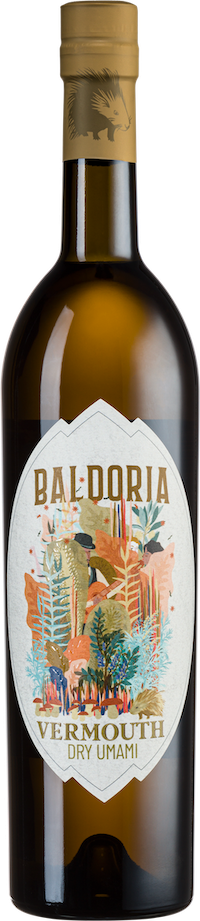
Region: Boves, Piedmont
ABV: 18%
Key Ingredients: Wormwood, Sweet Orange, Genepy, Mushroom, Seaweed, Ginger, Fennel, Rosemary, Sage
One of Baldoria’s many contemporary formulations created to help “bring vermouth into the 21st century,” Baldoria “Dry Umami” Vermouth incorporates outside-the-box ingredients such as dried porcini mushrooms and kombu seaweed to add a savory, umami-rich depth resulting in a forest-floor profile accented by dark green patches of aromatic ocean essence.
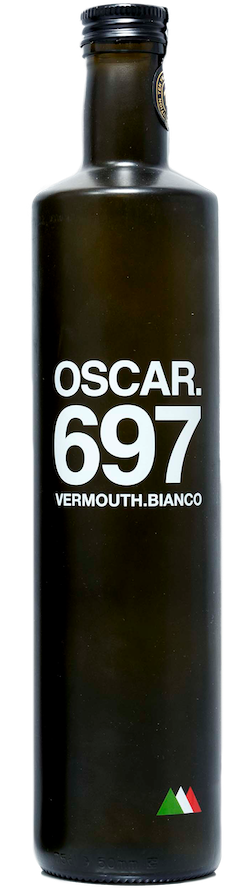
Region: Milan, Lombardy
ABV: 16%
Key Ingredients: Elderflower, Bergamot, Yarrow, Black Pepper
Oscar.697 Vermouth Bianco, a modern riff on a bianco-style vermouth from producer Oscar.697, is probably one of the driest “sweet” vermouth offerings you’re likely to taste as it’s sweetened with the minimum amount of residual sugar allowed under IGP Vermouth di Torino regulations. Lynch likes to think of this formulation—rich with bergamot and a hint of black pepper—as possessing a German Riesling-like cut of sharp acidity.
Region: Reggio, Emilia-Romagna
ABV: 18%
Key Ingredients: Lambrusco Salamino wine blended with grain spirit infused with Wormwood, Gentian, Macis, Thyme, Marjoram, Dittamo, Black Pepper, Nettle, Mint, Sage, Lavender, Ginger, Laurel, Licorice, Cinnamon, Bitter Orange Peel, Lemon Peel
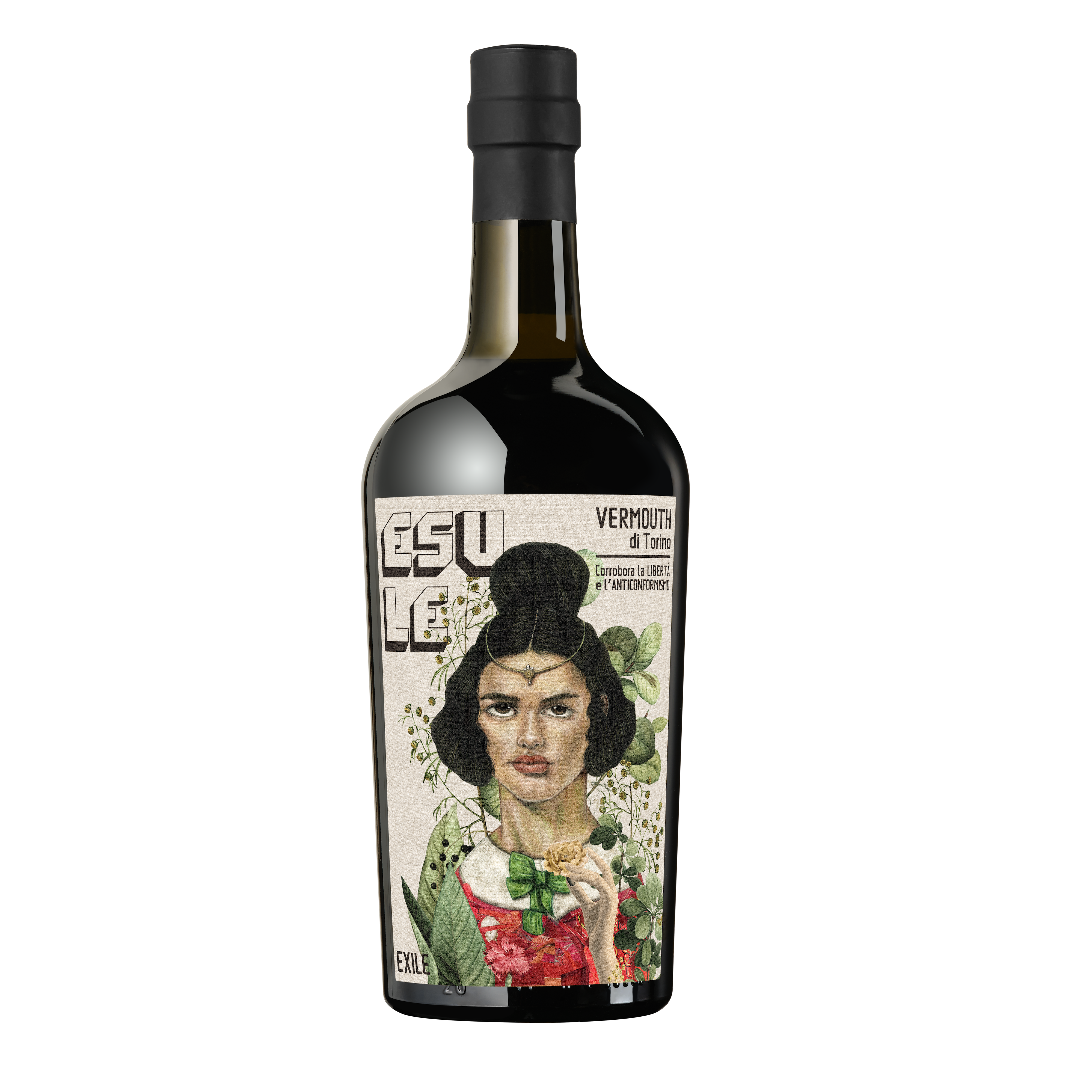
With their Esule Vermouth di Torino, The Jigger Society—a collaboration between the creative team of the popular Reggio Emilia craft cocktail bar Jigger Spiriti e Cucina and the storied Medici Ermete wine family—offers this distinctive vermouth built on a Lambrusco wine base sourced from Medici’s cellars, accented with aromatic botanicals that delivers what Lynch calls a “deep, menthol-y character” reminiscent of Punt e Mes.
Region: Monferrato, Piedmont
ABV: 11%
Key Ingredients: Elderflower, Vanilla, Cedar, Gentian, Hibiscus, Nutmeg, Chamomile, Cassia Bark, Orange
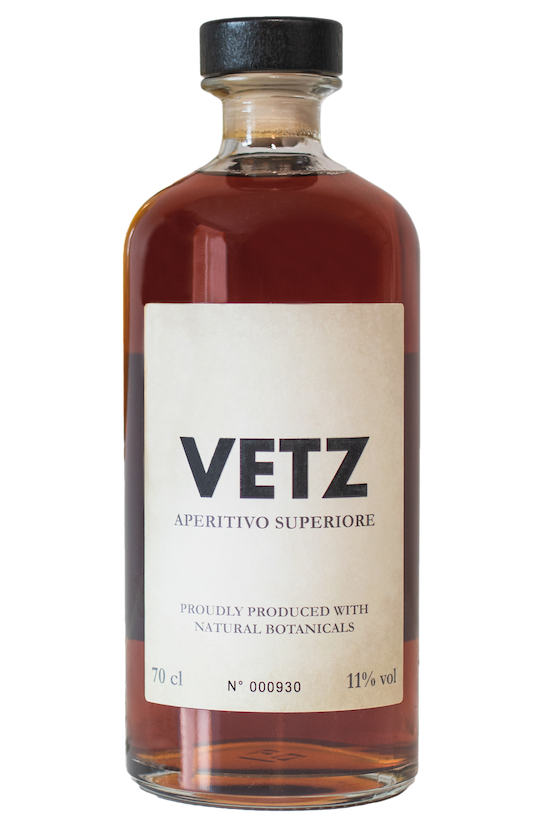
Crafted from only natural botanicals in the rolling hills of Piedmont, VETZ (which means “buddy” in Northern Italian dialect), presents a modern take on classic Italian aperitivo with VETZ Aperitivo Superiore. It’s bright, lively, and flavorful with a subtle bitterness expressed more as a warm spice with notes of hibiscus and chamomile medium-long bitter finish. Note, too, that the amber hue can vary from batch to batch as its a by-product of the natural botanical maceration, and that VETZ has recently upped the ABV to 15% which, Lynch notes, lends a spicer edge.
Region: Finale Emilia, Emilia-Romagna
ABV: 15%
Key Ingredients: Gentian, Cinchona, Bitter & Sweet Orange, Mugwort, Rhubarb
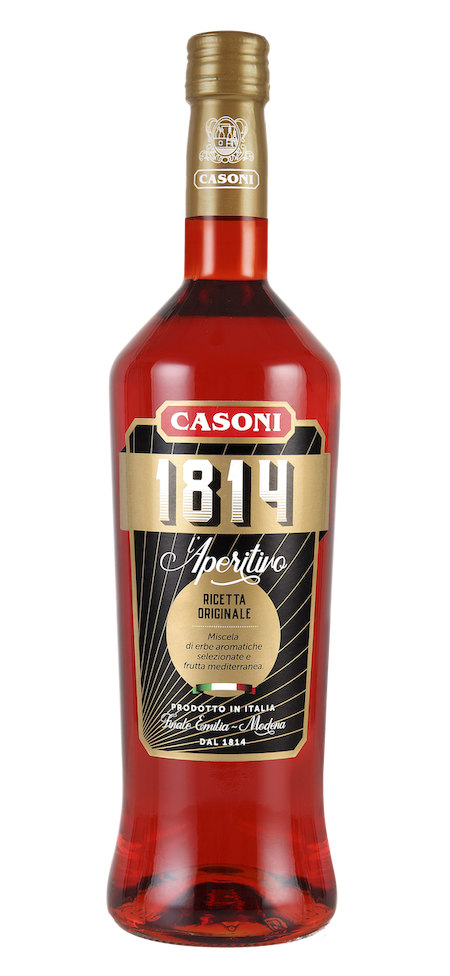
The Italian Spirits Company likes to think of Casoni 1814 L’Aperitivo as their ammazza Aperol (“Aperol Killer”). At 15% ABV and possessing notes of citrus peel balanced with a subtle quinine bitterness and hints of warm spice, hibiscus flowers, and candied cherries, this offering from Casoni, one of Italy’s oldest distilleries, makes a superior spritz. There’s a reason why The Italian Spirits Company believes “Casoni’s time has come to the U.S. market.” Pick up a bottle of Casoni 1814 L’Aperitivo this summer and see for yourself.
Region: Milan, Lombardy
ABV: 25%
Key Ingredients: Pink Juniper, Rhubarb, Sweet & Bitter Orange, Cassia, Gentian Root
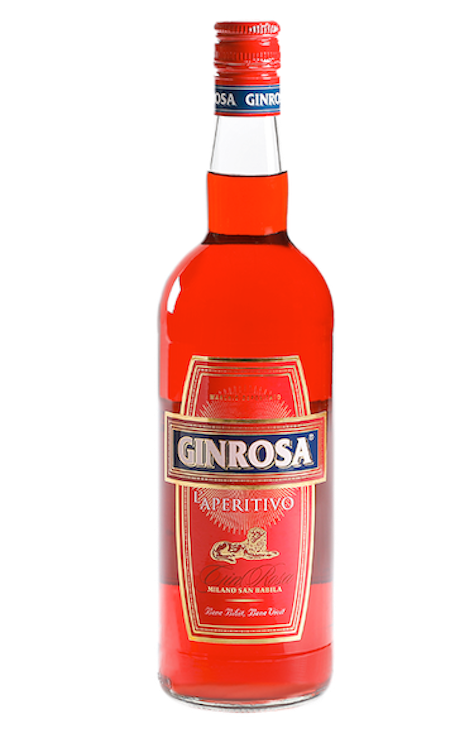
As with many spirits, there’s a story behind the bright, candy-apple-red and orange hue of Ginrosa Apertivo which has a rich history as classic Milanese apéritif bitters for more than 150 years. Back in 1880’s, when philanthropist and entrepreneur Annunciata Bournè took over the Bottiglieria del Leone wine shop in Milan’s Piazza San Babilà (located a few piazzas over from the famed Camparino in Galleria, unaccompanied women weren’t permitted to enter. Bournè instead flipped the rule to forbid entry of unaccompanied men and made her business female-friendly and designed a new pink-hued apéritif as a symbol of embracing a different point of view in an attempt to achieve a better balance in an ever-changing world.
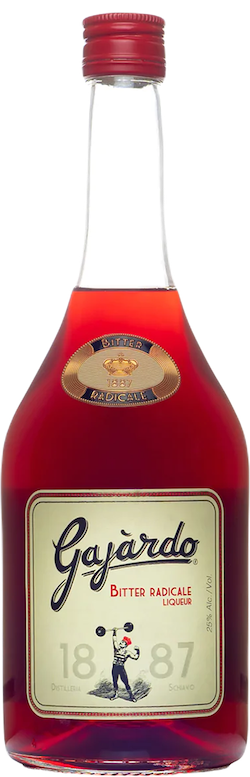
Region: Costabissara, Veneto
ABV: 25%
Key Ingredients: Gentian, Licorice, Rhubarb, Green Chiretta, Sichuan Pepper, Cinnamon, Mexican Cascarilla, Orange Peel
Made at the historic Distilleria Schiavo just outside Vicenza in northeastern Veneto, , Gajàrdo Bitter Radicale represents a collaboration between 5th-generation proprietor/distiller Marco Schiavo and renowned Italian bartender Giacomo Diamante. Bright cochineal red from natural carmine color and dry and focused on the palate, this bespoke all-natural blend opens with strong citrus, floral, and spice notes with a “super-intense, geek-level” bitterness and an unexpected kick from Sichuan pepper.
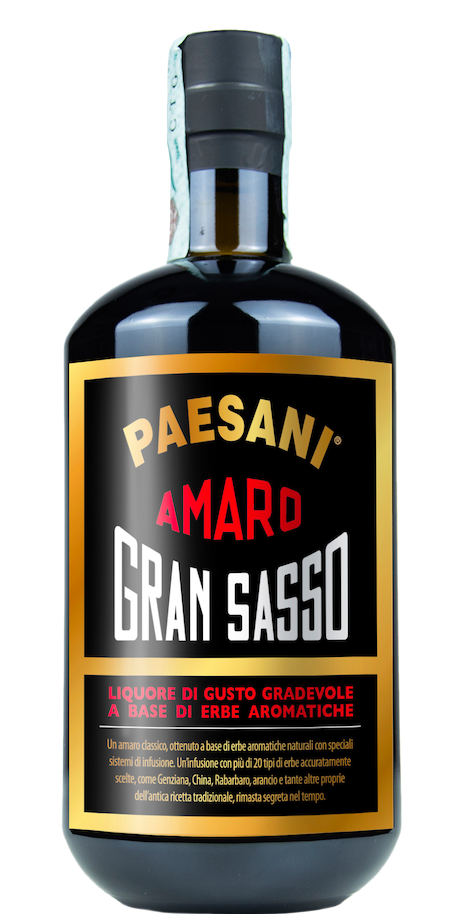
Region: Collevecchio, Abruzzo
ABV: 30%
Key Ingredients: Gentian Root, Quinine Bark, Rhubarb, Cardamom, Imperatoria (a white-flowered plant in the carrot family), Vanilla, Centaurea (aka Mountain Bluet), Orange Peel
Perched on a hillside in the hamlet of Collevecchio, just outside Teramo in Abruzzo, Paesani has been a family-run operation that epitomizes local tradition and craftsmanship. Gran Sasso d’Italia, the highest peak in the nearby Apennine Mountains also served as the namesake of their signature amaro, Paesani Amaro Gran Sasso. The deep colored, but not syrupy sweet amaro, offers hints of burnt orange peel, licorice, dark roast coffee, and balsamic with delicate notes of vanilla and citrus.
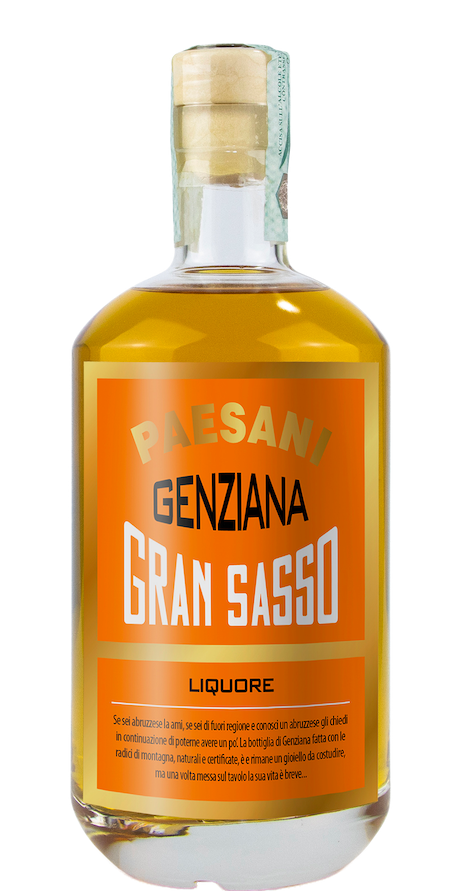
Region: Collevecchio, Abruzzo
ABV: 30%
Key Ingredients: Gentian Root
Another standout offering from Paesani is their Paesani Genziana, one of the iconic traditional liqueurs of the Abruzzo region. Made from a neutral grain spirit infusion of gentian root which is then diluted and naturally sweetened, this digestivo liqueur delivers a delicate sweetness that keeps the bitterness in check, with notes of wild herbs, underbrush, wildflowers, and warm spices.
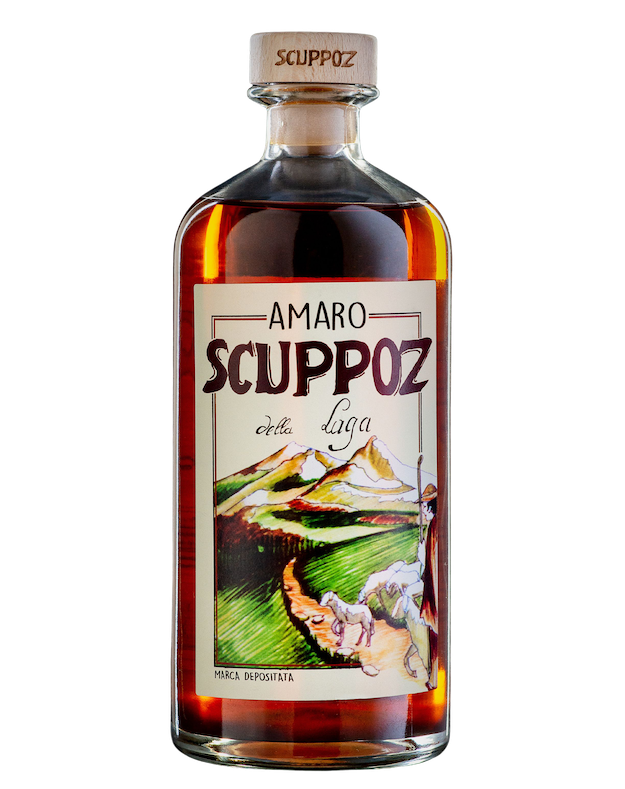
Region: Campovalano, Abruzzo
ABV: 30%
Key Ingredients: Gentian Root, Quinine Bark, Chamomile, Mint, Rhubarb, Wormwood, Quassia
As with many of the unique producers in their portfolio, The Italian Spirits Company considers Scuppoz Itself equal-parts laboratory and atelier as much as it is a distillery. Scuppoz (derived from a mostly forgotten regional dialect to describe the clinking of glasses when toasting) was founded in 1982 by Benito Cicconi and is now helmed by his son, “mad scientist” Adririano Cicconi. The golden-hued Amaro Scuppoz Della Laga is a masterclass in character compared to the average “gateway” amaro, with an intense gentian presence driven by warm spice and mountain herbs that delivers a warm, smoky, herbaceous finish.
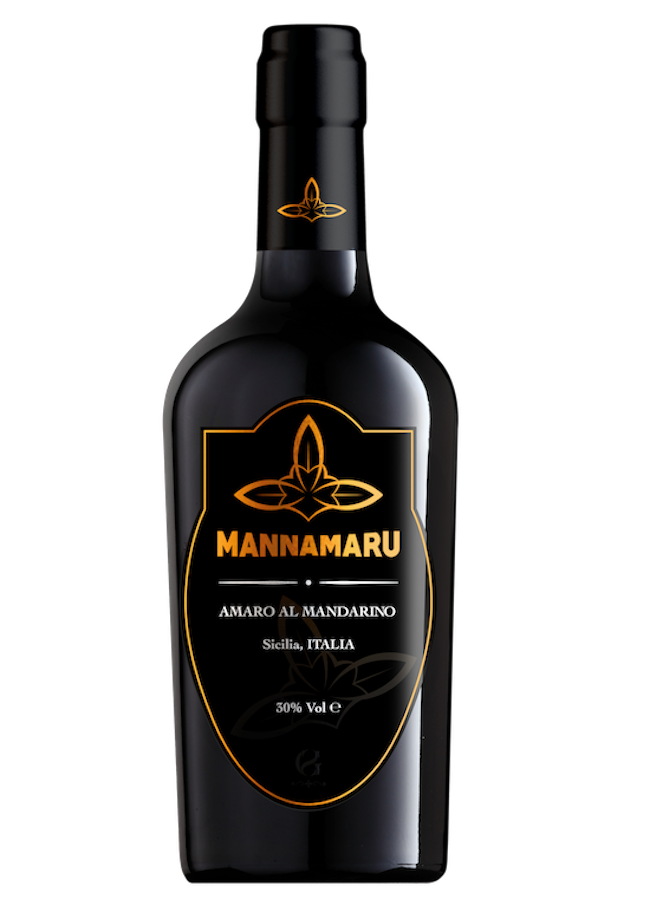
Region: Paternò, Sicily
ABV: 30%
Key Ingredients: Avana Mandarin Orange, Orange Blossom, Chamomile, Gentian, Cinchona, Burdock, Rhubarb, Yarrow, Thyme, Clove, Marjoram
From southeastern Sicily, known around the world for the quality and variety of its abundant citrus fruits—many carrying PGI designation—comes Mannamaru Amaro al Mandarino. Made from a blend of 17 botanicals, including hand-peeled Avana mandarins harvested from a long-held family plot in the village of Paternò in the southern foothills of Mount Etna, this elixir channels the bittersweet orange peel aroma of Sicily along with aromatic hints of orange blossom, rose petal, warm spice, sassafras, and an earthy root/bark essence.
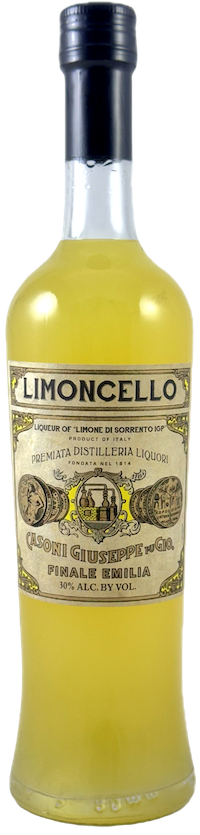
Region: Finale Emilia, Emilia-Romagna
ABV: 30%
Key Ingredients: Sorrento Lemon Peels
Another standout from Casoni is their Casoni Limoncello di Sorrento PGI, well-priced offering for a PGI-designated limoncello that’s so impressively textured and balanced. Based on a recipe that calls for 350 grams/liter of lemons—hand-harvested from the province of Sorrento in Campania—this is deeply concentrated with pure, clean, intense lemon flavors and a well-modulated sweetness to balance the sour and bitter notes. You’ll want to stash a bottle or two in the freezer all summer long.
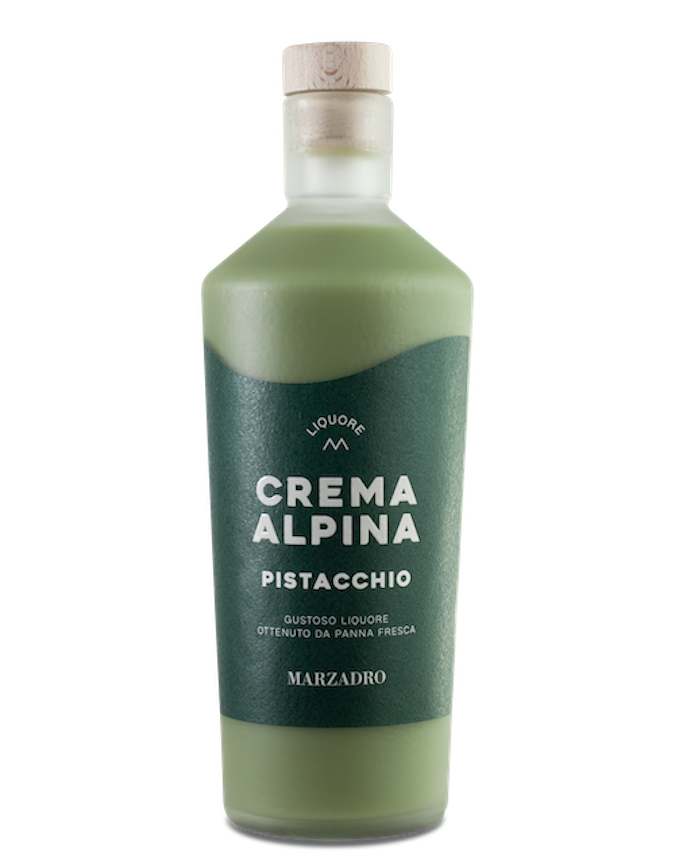
Region: Nogaredo, Trentino
ABV: 17%
Key Ingredients: Fresh Cream, Pistachio Nut Distillate
Lynch shares that after Casoni 1814 L’Aperitivo, the Marzadro Crema Alpina Pistacchio liqueur is the bestselling SKU among The Italian Spirits Company’s portfolio. For what it’s worth, it’s also my personal favorite on their diverse and dynamic list, and a favorite among bartenders. Creamy, nutty, and delicately sweet, it just may put you in mind of a bowl of melted pistachio ice cream. the base is made with fresh, locally sourced cream from Trentino while the pistachio flavor is derived from a distillate of fresh pistachio nuts that have been macerated in neutral spirit and then distilled. While Marzadro Crema Alpina Pistacchio is shelf-stable (it undergoes two separate homogenizations and pasteurization), refrigeration is recommended after opening. For a creamy, pistachio kick, try it in a Piña Colada, a Mudslide, White Russian, or Espresso Martini fo
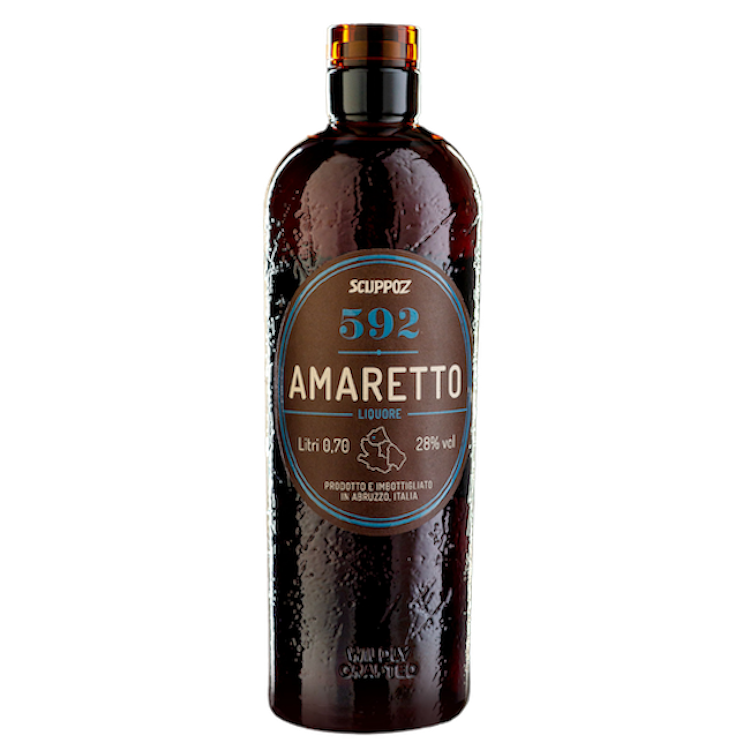
Region: Campovalano, Abruzzo
ABV: 28%
Key Ingredients: Bitter Almonds
Dry, rich with character, and super aromatic, Scuppoz Amaretto 592 is packed with the essence of sweetened, toasted almonds without a hint of the cloying, confectionary sweetness this signature liqueur often possesses. Instead, what you’ll experience is a well-calibrated balance of nutty bitterness and caramel sweetness in a bright and refreshing craft liqueur. Your next Amaretto Sour or Godfather variation will thank you.
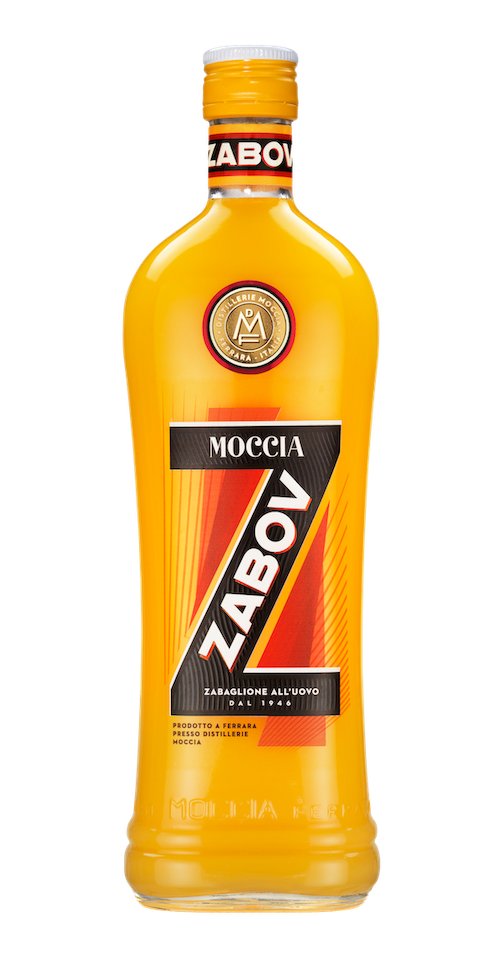
Region: Ferrara, Emilia-Romagna
ABV: 15%
Key Ingredients: Egg Yolks, Fresh Milk, Sugar, Brandy
While it may be a bit off-season for an après-ski Bombardino craving, Lynch considers Distillerie Moccia’s Zabov Zabaglione all’Uovo a sentimental favorite pick of his, but doesn’t dispute that it’s “undeniably delicious.” This iconic egg or eggnog-like liqueur comes on with a deep yellow-gold appearance and a creamy texture that evokes zabaglione. This eggy, creamy, custardy blend can be served warm or cold and always feels a bit luxurious yet never cloying.
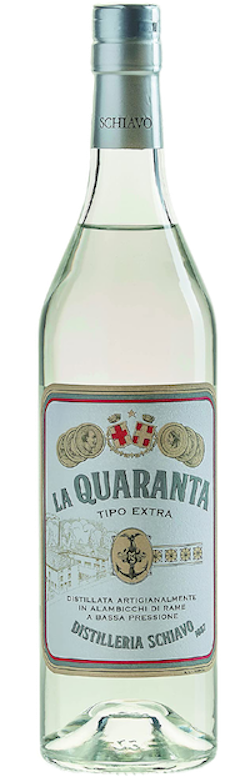
Region: Costabissara, Veneto
ABV: 40%
Key Ingredients: Pomace of Cabernet Sauvignon and Merlot Grapes
With aromas of black currant and violet and a silky smooth mouthfeel and a fruity finish, Schiavo Grappa “La Quaranta” is produced at the Schiavo Distilleria just outside Vicenza, under the direction of 5th-generation distiller Marco Schiavo.
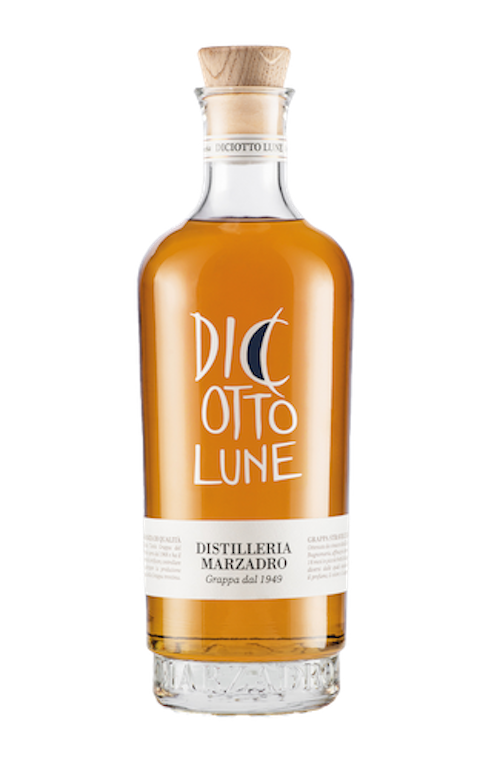
Region: Nogaredo, Trentino
ABV: 41%
Key Ingredients: Locally Sourced Grape Pomace
Distilled from five different local varieties of pomace and aged for 18 months (“diciotto lune”) and made by sister and brother Sabina and Attilio Marzadro, Distilleria Marzadro Grappa “Diciotto Lune” delivers wood-derived hints of caramel, vanilla, and warm baking spices with a bright floral finish overlayed with the aroma of red and black cherries.
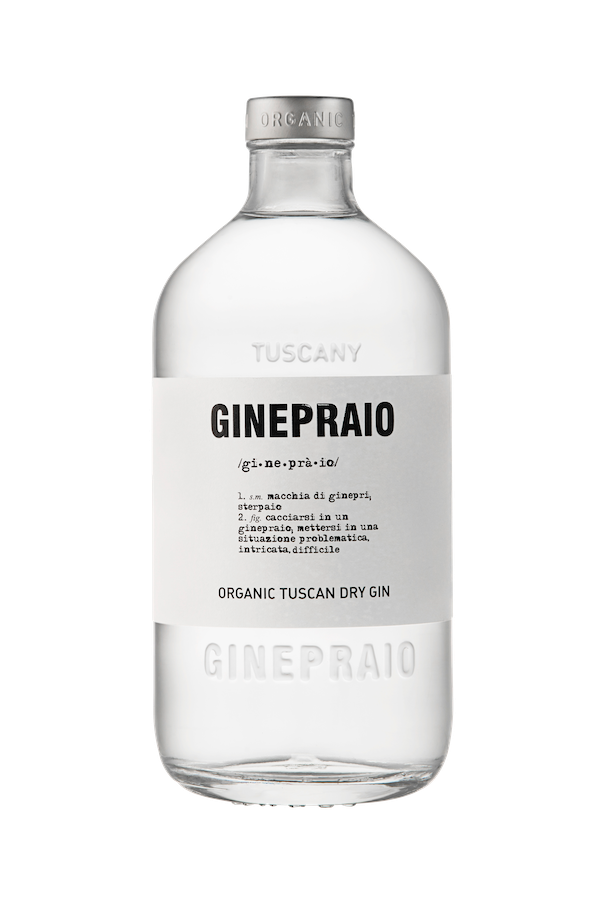
Region: Ponsacco, Tuscany
ABV: 45%
Key Ingredients: Tuscan Juniper, Coriander, Angelica Root, Sweet Orange Peel, Helichrysum Italicum (Mediterranean shrub), Lemon Peel, Dog Rose Petals
In Tuscany, ginepraio is the word used for “juniper growth,” but, colloquially, it also translates to a thorny or sticky situation. Produced in Tuscany, Ginepraio Organic Tuscan Dry Gin is far from “thorny” and instead presents an engaging Mediterranean-inspired, juniper-driven, “London Dry” formulation. Bold, fruity, juniper-driven aromas and flavors (they incorporate three different types of Tuscan juniper) lead the way with subtle spice notes and assertive florals evoking the scents of the aromatic scrub-brush of the Italian coast.
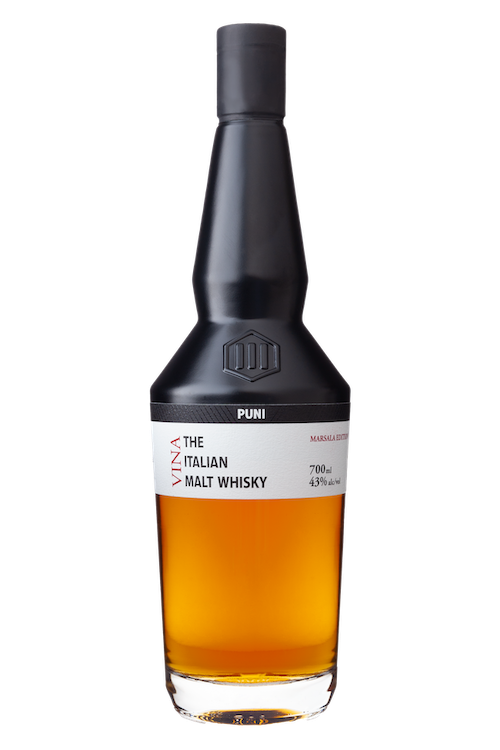
Region: Glorenza, Alto Adige
ABV: 43%
Key Ingredients: Proprietary Mash Bill of Malted Barley, Malted Rye, and Malted Wheat, Alpine Water, Yeast, Wine Cask Wood
From the pioneering bespoke Italian whiskey distillery PUNI (named for the nearby Puni River), comes PUNI “Vina” Malt Whisky, which has already established a foothold in the U.S. market. Distilled in custom-fabricated copper-pot stills from Scotland and aged in wine casks, the artfully packaged, PUNI “Vina” Malt Whisky expresses its Italian terroir and Alpine origins in impeccably crafted style with an alluring aroma of fruit cake and pops of sweet sultanas, orange, and cherry compote with cinnamon on the palate.
Our thanks to The Italian Spirits Company for underwriting today’s LAST CALL dispatch.
No posts
Comments
Nothing yet. Say the first thing.
Sign in to join the conversation.